Discovering a Presbyterian church in your area can be a straightforward process with the right resources. You can start by searching online for churches in your locality. Many Presbyterian churches have their own websites, providing details about service times, contact information, and other relevant data.
Utilizing online church locator tools provided by denominational websites can also be beneficial. For instance, you can find information about churches like Beckwith RPC, Hillside RPC, and Vancouver RP Church, which are listed along with their addresses and contact details.
Key Takeaways
- Search online for Presbyterian churches in your area.
- Utilize church locator tools on denominational websites.
- Check individual church websites for service times and contact information.
- Contact local presbyteries for more information.
- Verify church details before visiting.
Understanding the Presbyterian Church USA
Understanding the Presbyterian Church USA requires a look into its foundational beliefs and governance structure. The church is part of the Reformed tradition and is governed by a presbyterian form of government, with regional groups known as presbyteries.
Overview of Beliefs and Values
The Presbyterian Church USA is rooted in the Reformed tradition, emphasizing the sovereignty of God and the authority of the Bible. The church’s theology is based on the Westminster Confession of Faith, which outlines its core beliefs.
“The Presbyterian Church USA is committed to the principles of the Reformation, including the authority of Scripture and the priesthood of all believers.”
The church values community, social justice, and education, encouraging its members to be active in their communities and to pursue social justice.
| Core Beliefs | Description |
|---|---|
| Authority of Scripture | The Bible is considered the primary authority in matters of faith and practice. |
| Sovereignty of God | The church emphasizes God’s sovereignty in all aspects of life. |
| Priesthood of All Believers | All believers are considered equal under God, with no distinction between clergy and laity in terms of spiritual authority. |
Historical Background of the Church
The Presbyterian Church USA has its roots in Scotland and Ireland, with a history dating back to the Protestant Reformation. The church’s governance structure, known as presbyterian polity, is characterized by the leadership of elders and the organization of local churches into presbyteries.
The historical background of the Presbyterian Church USA is marked by significant events, including the adoption of the Westminster Confession of Faith, which has shaped the church’s theology and practices.
How to Locate a Presbyterian Church
You can locate a Presbyterian church by utilizing online resources, maps, and by connecting with local Presbyterian networks. This multifaceted approach ensures that you can find a church that suits your needs.
Online Resources for Finding Churches
Online church directories are a valuable resource for finding Presbyterian churches. Websites like OPC.org allow you to search for churches by ZIP code, state, or presbytery. This makes it easy to find a Presbyterian church in your area.
Some key online resources include:
- Denominational websites with church directories
- Online maps and GPS tools like Google Maps
- Church-finding apps and websites
Using Maps and GPS Tools
Using maps and GPS tools is another effective way to locate a Presbyterian church. Google Maps is particularly useful, as it allows you to search for churches near your location and provides directions on how to get there.
Connecting with Local Networks
Connecting with local Presbyterian networks can also provide valuable information about churches in your area. This can include contacting local presbyteries or reaching out to other Presbyterian churches for recommendations.
Some ways to connect with local networks include:
- Contacting the local presbytery for a list of churches
- Attending regional Presbyterian events or gatherings
- Reaching out to Presbyterian church members or leaders in your area
What to Expect on Your First Visit
If you’re searching for a Presbyterian Church USA near me, understanding what to expect on your first visit is helpful. The Presbyterian Church USA welcomes individuals from all walks of life to their services, providing a warm and inclusive environment.
Service Times and Formats
Service times and formats can vary significantly between Presbyterian churches. Some may have traditional services with liturgy and hymns, while others may offer contemporary formats with modern music. It’s a good idea to check the service times and formats for the closest Presbyterian Church USA you’re planning to visit.
Traditionally, Presbyterian services are known for their reverence and order, often including elements like scripture readings, sermons, and communion. Contemporary services, on the other hand, might incorporate modern music and a more relaxed atmosphere. Both styles aim to foster a sense of community and spiritual growth.
Community Involvement and Activities
Community involvement is a significant aspect of Presbyterian churches. Many churches offer a variety of activities and programs designed to engage members and visitors alike. These can include Bible studies, youth programs, community service projects, and social events.
“The church is not just a place to worship; it’s a community that comes together to support one another and make a difference in the world.”
When you visit a Presbyterian church, you can expect to find opportunities to get involved, whether through joining a study group, participating in a community project, or simply attending a social gathering. This emphasis on community is a hallmark of the Presbyterian Church USA.
To make the most of your first visit, consider arriving a little early to get a feel for the community. You might also want to speak with church members or leaders to learn more about their activities and how you can participate.
The Role of Community in Presbyterian Churches
The sense of community is a cornerstone of Presbyterian churches, fostering an environment where members can grow in their faith together. This communal aspect is what makes being part of a local Presbyterian congregation so enriching.
In Presbyterian churches, fellowship is not just a concept; it’s a lived experience. Members are encouraged to participate in various activities and groups that promote bonding and spiritual growth. This emphasis on community is rooted in the belief that together, believers can achieve more in their spiritual journeys.
Importance of Fellowship
Fellowship is essential in Presbyterian churches as it provides a platform for members to share their experiences, support one another, and grow together in faith. Through fellowship, members can find comfort, guidance, and a sense of belonging.
Many Presbyterian churches organize regular fellowship events, such as Bible study groups, potluck dinners, and volunteer days. These activities help to strengthen the bonds within the community and provide opportunities for members to get involved.
Ways to Get Involved
Getting involved in a Presbyterian church in my area can be as simple as attending a community event or joining a study group. Many churches have a variety of ministries and programs designed to engage members in different aspects of church life.
Some ways to get involved include participating in volunteer opportunities, joining a small group or Bible study, and attending social events. By getting involved, members can deepen their connections with others and contribute to the community’s vitality.
Community involvement is a hallmark of Presbyterian churches. By engaging in various activities and ministries, members can live out their faith in meaningful ways and make a positive impact in their communities.
Children’s Programs and Education
Within the Presbyterian Church USA, children and youth are nurtured through comprehensive educational programs and activities. These initiatives are designed to foster spiritual growth, community engagement, and personal development among young members.
The Presbyterian Church USA recognizes the importance of early spiritual development. As such, many congregations offer robust programs tailored to children and teenagers, helping them understand their faith and its application in daily life.
Sunday School Offerings
Sunday school programs are a cornerstone of children’s education in the Presbyterian Church USA. These classes provide a structured environment where children can learn about their faith, engage in discussions, and participate in activities that promote spiritual growth.
Many Sunday school programs are designed to be age-appropriate, catering to different age groups from preschoolers to teenagers. The curriculum often includes Bible studies, moral lessons, and community service projects, all aimed at nurturing a strong faith foundation.
| Age Group | Program Focus | Activities |
|---|---|---|
| Preschoolers | Introduction to Bible stories | Storytelling, crafts |
| Elementary | Basic Christian teachings | Bible studies, group games |
| Teenagers | In-depth Bible studies and discussions | Discussions, service projects |
Youth Group Activities
For teenagers, the Presbyterian Church USA offers youth group activities that are both engaging and relevant to their lives. These activities include Bible studies, community service, social events, and leadership development opportunities.
Youth groups provide a supportive environment where teenagers can explore their faith, build relationships with peers, and develop leadership skills. These programs are designed to be dynamic and inclusive, addressing the needs and interests of young people.
By participating in Sunday school and youth group activities, young members of the Presbyterian Church USA can deepen their understanding of their faith, develop meaningful relationships, and contribute to their communities.
Adult Ministries and Support Groups
Adult ministries are a cornerstone of Presbyterian churches, offering Bible studies, discussion groups, and life and faith workshops. These programs are designed to foster spiritual growth, provide support, and create a sense of community among adults.
One of the key components of adult ministries is Bible studies. These studies allow participants to delve deeper into scripture, exploring its relevance to everyday life. Many churches offer a variety of Bible study formats, including:
- In-depth studies of specific books of the Bible
- Topical studies focusing on issues like faith, morality, and social justice
- Small group discussions that encourage personal reflection and sharing
Bible Studies and Discussion Groups
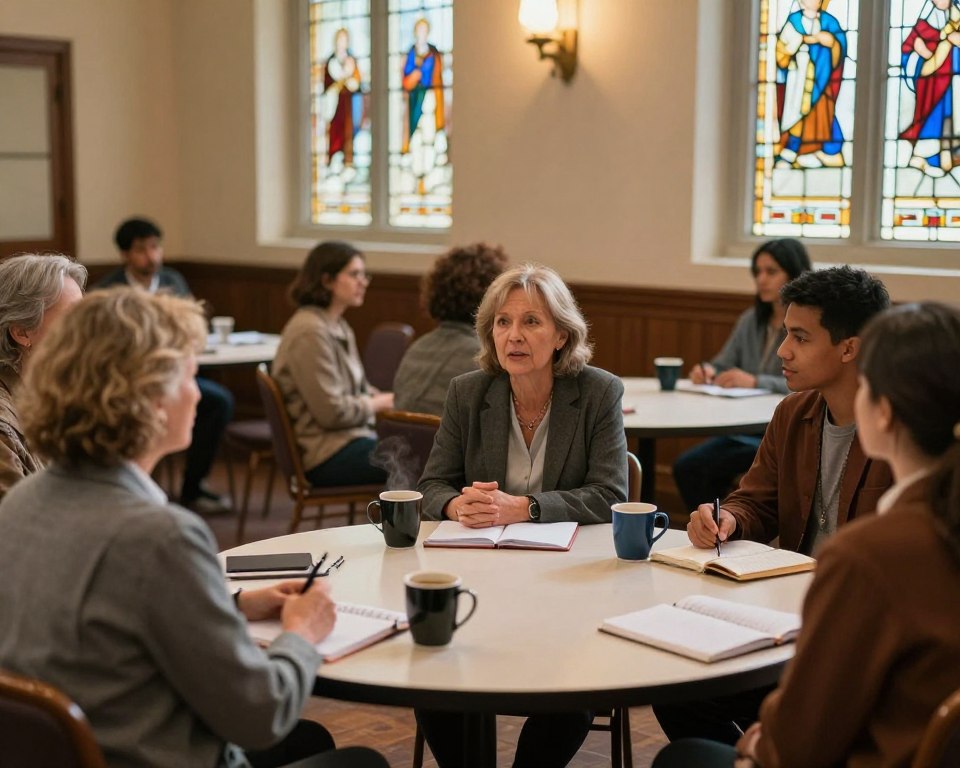
Bible studies and discussion groups provide a platform for adults to engage with their faith in a supportive environment. These groups often meet weekly or monthly and may be led by church members or guest facilitators. Participants can expect to gain a deeper understanding of biblical teachings and their application in contemporary society.
Discussion groups also offer an opportunity for adults to share their experiences, challenges, and insights with others who may be facing similar issues. This communal aspect of adult ministries helps build strong bonds within the church community.
Life and Faith Workshops
In addition to Bible studies, many Presbyterian churches offer life and faith workshops. These workshops cover a range of topics, from spiritual growth and development to practical issues like financial management and family relationships. They are designed to provide guidance and support, helping adults navigate life’s challenges with faith as a foundation.
Some common themes for life and faith workshops include:
- Spiritual practices and disciplines
- Faith in the workplace
- Building strong family relationships
- Managing stress and finding peace
By participating in these workshops, adults can gain valuable insights and skills, as well as connect with others who share similar interests and concerns.
Worship Styles in the Presbyterian Church
The Presbyterian Church encompasses a diverse range of worship styles, catering to various preferences within its community. This diversity is reflected in the way services are conducted, with some churches opting for traditional approaches and others embracing more contemporary forms of worship.
Traditional vs. Contemporary Services
Traditional services in the Presbyterian Church often feature liturgy and hymns that have been part of the church’s heritage for centuries. These services are characterized by a formal structure and a sense of reverence, appealing to those who appreciate the historical and theological depth of the Presbyterian tradition.
On the other hand, contemporary services incorporate modern elements such as contemporary Christian music, informal language, and sometimes multimedia presentations. These services are designed to be more accessible and engaging for a wider audience, particularly younger generations and those who prefer a more relaxed atmosphere.
| Aspect | Traditional Services | Contemporary Services |
|---|---|---|
| Music | Traditional hymns | Contemporary Christian music |
| Language | Formal, liturgical language | Informal, conversational tone |
| Atmosphere | Reverent, formal | Relaxed, casual |
Music and Liturgy in Worship
Music and liturgy play crucial roles in Presbyterian worship, serving as means to express faith, foster community, and connect with the divine. The use of liturgy provides a sense of continuity with the church’s historical practices, while music, whether traditional or contemporary, enriches the worship experience and facilitates active participation by the congregation.
The Presbyterian Church’s approach to worship is characterized by a balance between tradition and innovation, ensuring that worship services remain meaningful and relevant to the lives of worshippers. Whether through traditional or contemporary services, the core aim is to create an environment where individuals can deepen their faith and engage with their community.
Presbyterian Church Governance and Structure
The Presbyterian Church’s structure is designed to facilitate both local church autonomy and collaborative decision-making at higher levels. This unique governance model is rooted in its history and theology, emphasizing the importance of community and shared leadership.
Understanding the Session and Presbytery
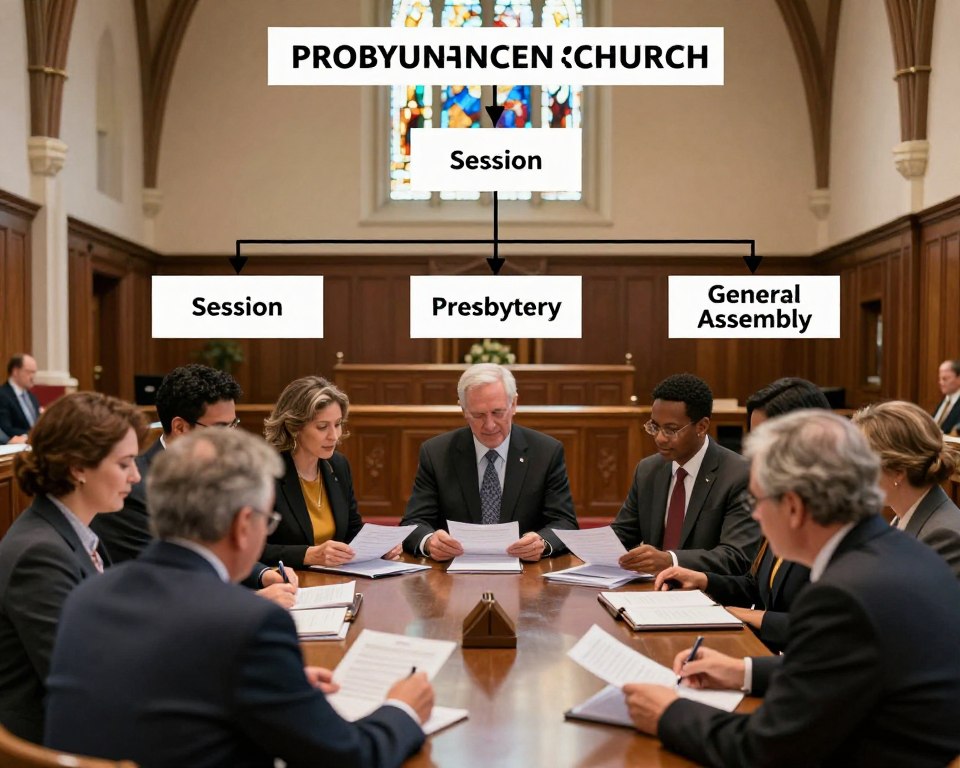
The governance of the Presbyterian Church is characterized by a presbyterian form of government, where local churches are overseen by elders who are also part of higher governing bodies called presbyteries and synods. The session, composed of elders, governs the local church, making decisions on its operations, worship, and community outreach.
The presbytery, on the other hand, oversees a group of local churches within a specific geographic area. It provides support, guidance, and resources to these churches, ensuring they remain connected to the broader Presbyterian Church community. As noted by a Presbyterian Church USA report, “The presbytery is a council that has the responsibility for the oversight of the churches within its geographical area.”
The Role of Ministers and Elders
Ministers and elders play crucial roles in the leadership and governance of the Presbyterian Church. Ministers are responsible for preaching, teaching, and providing spiritual guidance, while elders are involved in the governance of the church, including making important decisions about its direction and operations.
As highlighted in a quote from the Presbyterian Church’s official documentation, “Elders are chosen for their wisdom, maturity, and commitment to the church, and they serve alongside ministers in the governance of the church.” This shared leadership model ensures that the church remains accountable and guided by both spiritual and practical considerations.
The governance structure of the Presbyterian Church is designed to be inclusive, ensuring that various voices are heard in the decision-making process. This is reflected in its connectional nature, where local churches are connected to and supported by the broader church community.
How to Get Involved in Your Local Church
Getting involved in your local Presbyterian church is a meaningful way to deepen your faith and build connections with others. Attending worship services and meeting with church members is a great starting point.
To become a member, you’ll typically go through a period of instruction to learn more about the church’s beliefs and practices, followed by a formal welcome. This membership process helps you understand the church’s values and get involved in its activities.
Ways to Serve
Numerous volunteer opportunities are available, allowing you to contribute your time and talents to various aspects of church life, such as community service, worship, and church administration. By get involved in these activities, you can make a positive impact and build meaningful relationships.
Whether you’re looking to serve in a specific ministry or simply want to get to know others in the congregation, your local Presbyterian church has opportunities for you to make a difference.
FAQ
How do I find a Presbyterian Church USA near me?
You can start by searching online for Presbyterian churches in your area, using church locator tools provided by denominational websites, or checking online church directories.
What are the core beliefs and values of the Presbyterian Church USA?
The Presbyterian Church USA is known for its reformed theology and presbyterian governance, emphasizing the authority of the Bible and the importance of community and fellowship.
How do Presbyterian churches govern themselves?
Presbyterian churches are governed by elders who are part of the session, which oversees the local church, while presbyteries and synods provide higher-level governance.
What can I expect when visiting a Presbyterian church for the first time?
You can expect a welcoming environment, with service times and formats varying from traditional to contemporary, and opportunities to get involved in community activities.
What kind of children’s programs do Presbyterian churches offer?
Presbyterian churches typically offer Sunday school programs for children and youth group activities for teenagers, providing a structured environment for learning and growth.
How can I get involved in my local Presbyterian church?
You can start by attending worship services, meeting with church members, and exploring volunteer opportunities, followed by the membership process.
What are the different worship styles in Presbyterian churches?
Presbyterian churches may have traditional services with liturgy and hymns, or contemporary services with modern music, depending on the specific church.
What is the role of ministers and elders in the Presbyterian Church?
Ministers and elders play crucial roles in the leadership and governance of the church, with ministers providing spiritual guidance and elders overseeing the local church.
How do I find the nearest Presbyterian church?
You can use online church directories, maps, and GPS tools, or contact local presbyteries to find the nearest Presbyterian church.
What kind of adult ministries do Presbyterian churches offer?
Presbyterian churches often provide Bible studies, discussion groups, and life and faith workshops for adults, offering opportunities for spiritual growth and support.