Discovering faith-driven groups that align with your values just got easier. Across America, communities benefit from historic Protestant traditions rooted in service and fellowship. These groups blend spiritual growth with practical support, offering everything from food banks to youth mentorship programs.
Many follow teachings tracing back to the 16th-century Reformation. Their work often connects local efforts with global partnerships. For example, some collaborate with international networks serving millions worldwide. Others focus on neighborhood initiatives like disaster relief or educational workshops.
What makes these groups stand out? Their ability to unite worship with action. You’ll find vibrant hubs where Sunday services transition seamlessly into weekday volunteer projects. Whether you prefer intimate gatherings or large-scale ministries, there’s a place for every passion and skill set.
Key Takeaways
- Faith-based networks operate one of America’s largest community service systems
- Global partnerships enhance local outreach through shared resources
- Teachings emphasize both personal spirituality and social responsibility
- Options range from small congregations to international coalitions
- Our directory simplifies finding groups matching your interests
Overview of Lutheran Organizations in the US
Rooted in centuries-old traditions, these groups continue to impact modern society through faith-driven action. Their story begins with Martin Luther’s 16th-century Reformation, which reshaped religious thought and sparked global social change.
History and Denominational Background
Two major branches shape today’s landscape: the Evangelical Lutheran Church in America (ELCA) and the Missouri Synod (LCMS). While both share foundational beliefs, their approaches differ. The ELCA, formed in 1988, prioritizes social justice and ecumenical partnerships. The LCMS, established in 1847, maintains stricter theological interpretations.
| Denomination | Members | Primary Focus | Year Founded |
|---|---|---|---|
| ELCA | 3.3 million | Community partnerships | 1988 |
| LCMS | 1.8 million | Traditional theology | 1847 |
Core Values and Mission
“We don’t just feed bodies—we nourish potential,” says a regional director. This philosophy drives programs addressing food insecurity, healthcare gaps, and workforce development. Key principles include:
- Dignity through comprehensive support
- Collaborative problem-solving
- Adapting historical wisdom to modern needs
Since 1997, Lutheran Services in America has united 300 nonprofits under this shared vision. Their network spans addiction recovery centers, senior living communities, and disaster response teams—proving ancient ideals can solve contemporary problems.
Discover lutheran organizations in the United States
Finding compassionate communities across America is now at your fingertips. A powerful tool bridges the gap between those seeking support and faith-driven groups making a difference. This resource simplifies connecting with programs that transform lives daily.

Directory Features and Benefits
The platform reveals staggering reach: one in 50 Americans access these programs yearly. With $26 billion invested annually, the network fuels initiatives from veteran support to disability care. “Every search brings someone closer to life-changing resources,” notes a recent user testimonial.
Key advantages include:
- Location-based filters pinpoint nearby assistance
- Service categories spanning childcare to senior living
- Real impact stories showcasing successful outcomes
Searching works seamlessly—enter your zip code or select from 12 service types. Results display contact details, operating hours, and volunteer opportunities. The interface even highlights new programs expanding in your area.
Beyond individual connections, the directory reveals how local efforts unite into national change. Neighborhood food banks link to statewide hunger prevention campaigns. Tutoring programs share strategies through regional workshops. This collaborative spirit amplifies every community’s voice.
Comprehensive Directory Structure
Locating meaningful community resources shouldn’t feel like solving a puzzle. Our directory connects you with 300 specialized programs across 1,400 locations through smart design. Whether you’re seeking spiritual guidance or practical support, the system matches needs with solutions in three clicks or less.
Smart Searching Made Simple
Start with your location—enter a zip code or city name. The map instantly displays nearby evangelical Lutheran churches and service hubs. Filter results using 12 main categories like:
- Healthcare clinics
- Disaster response teams
- Youth mentorship initiatives
“I found senior meal delivery for my grandparents in 90 seconds,” shares a recent user from Ohio.
Tailored Results for Specific Needs
Advanced options help refine your search. Looking for health and human services aligned with specific beliefs? Select denominational preferences or service types:
| Filter Type | Examples | Typical Results |
|---|---|---|
| Location | Urban/rural | 35+ options within 25 miles |
| Service Type | Food banks, counseling | Specialized programs |
| Denomination | ELCA vs LCMS | Philosophy-matched support |
| Keywords | “Refugee assistance” | Local/global partnerships |
Member profiles detail leadership contacts and volunteer opportunities. Many include success stories showing how donations create change. The directory grows weekly—check the “New Programs” section for fresh ways to engage.
Diversity in Denominations and Perspectives
The Lutheran tradition thrives through a tapestry of global connections and local expressions. While sharing core beliefs, different groups interpret teachings through unique cultural and theological lenses. This diversity creates a vibrant ecosystem where ancient faith meets modern needs.
Lutheran World Federation and International Councils
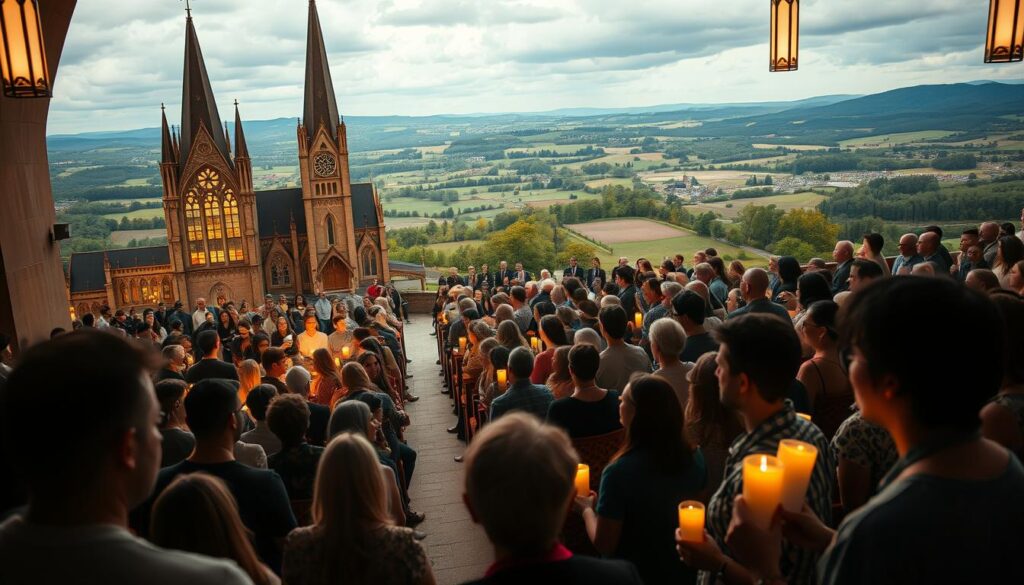
Four major networks unite believers across continents. The Lutheran World Federation (LWF) leads with 74 million members—equivalent to 1% of Earth’s population. Since 1947, it’s grown from 47 founding groups to 145 church bodies in 98 countries. “Our strength lies in bridging Scandinavian liturgical traditions with African community practices,” notes an LWF regional director.
Three other councils expand this global network:
- International Lutheran Council: Represents 7 million members favoring traditional worship styles
- Confessional Evangelical Lutheran Conference: Focuses on strict doctrinal adherence across 32 church bodies
- Global Confessional and Missional Lutheran Forum: Connects outreach-focused groups in 15 nations
These networks enable resource sharing while respecting local customs. A congregation in Texas might partner with Kenyan farmers on sustainable agriculture projects. Meanwhile, an ELCA church in Minnesota exchanges youth ministers with German counterparts. Such collaborations keep communities rooted yet globally aware.
Denominational differences often reflect regional values. The LCMS emphasizes scriptural literalism popular in Midwestern communities, while ELCA groups on the coasts frequently address social justice issues. This variety ensures everyone finds spaces aligning with their spiritual journey.
Faith-Based Services and Community Impact
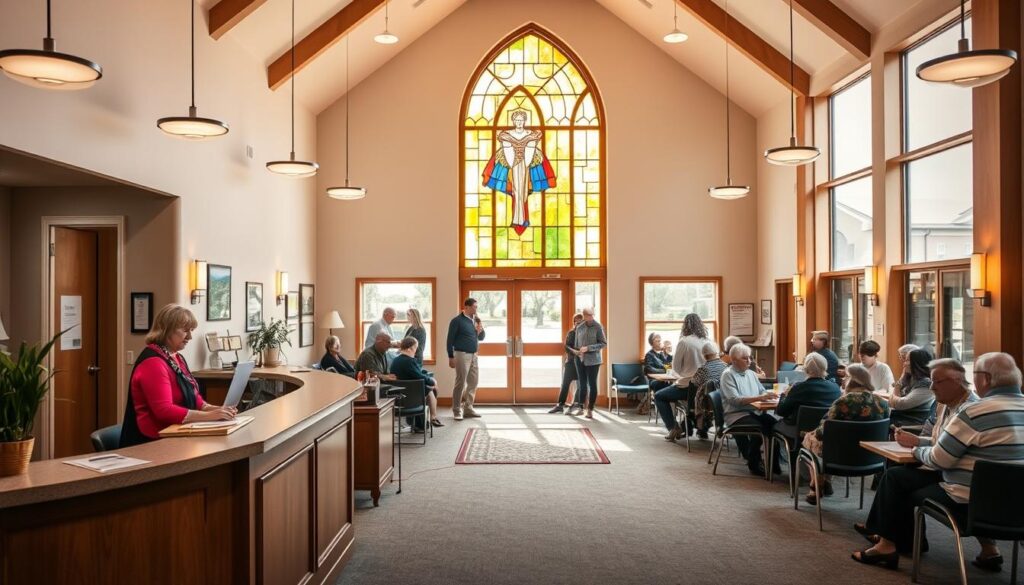
Transforming communities starts with empowering every individual. Faith-based networks deliver health and human services that uplift entire neighborhoods. These programs address physical, emotional, and spiritual needs simultaneously.
Empowering Families and Individuals
Evidence-based programs help children thrive through tutoring and mentorship. Over 300 initiatives provide stability for families facing housing challenges or job loss. “We build bridges from crisis to confidence,” explains a program director in Michigan.
Healthcare initiatives blend medical expertise with compassionate support. Clinics offer sliding-scale fees while respecting personal beliefs. Specialized care helps people with disabilities achieve independence through skill-building workshops.
“True healing happens when we treat both bodies and spirits.”
Veterans find renewed purpose through career training and peer networks. Community gardens teach sustainable living while addressing food insecurity. These efforts create ripple effects—stronger families foster safer neighborhoods.
By pooling resources across states, faith-driven networks tackle root causes of poverty. Their approach ensures every dollar helps multiple lives. From diaper banks to addiction recovery, services adapt to local needs while maintaining nationwide impact.
Innovation in Health and Human Services
Breaking new ground in community care requires fresh thinking and teamwork. Across the US, forward-thinking groups are redefining how support reaches those who need it most.
Collaborative Partnerships and Initiatives
Cutting-edge health solutions emerge when hospitals team up with universities and local charities. One program in Chicago connects medical leaders with housing experts to reduce emergency room visits. “When we address root causes like unstable housing, health outcomes improve dramatically,” notes a program coordinator.
The services America network tests new ideas through pilot projects before expanding them. Recent successes include mobile clinics serving rural areas and AI tools predicting medication needs. These innovations maintain compassionate care traditions while embracing modern technology.
Strategic partners range from tech startups to neighborhood schools. In Ohio, a pharmacy chain works with faith-based groups to deliver prescriptions and nutritional guidance. Such collaborations create seamless support systems addressing multiple needs at once.
“True progress happens when we stop working in isolation.”
Successful models get shared nationwide through digital platforms and regional workshops. This approach helps healthcare breakthroughs benefit urban and rural communities equally. From diabetes prevention to mental health support, leaders ensure no community gets left behind.
Policy, Advocacy, and Community Leadership
Shaping national policy requires more than good intentions—it demands strategic action. For 28 years, Lutheran Services in America has bridged grassroots efforts with Capitol Hill decision-making. Their Washington, DC headquarters positions them at the crossroads of faith-driven service and legislative change.
“Policy isn’t just about laws—it’s about lives,” explains a veteran advocate. This network amplifies community needs through a $26 billion coalition, addressing challenges facing veterans, refugees, and families. Unlike temporary fixes, their work targets systemic barriers to create lasting opportunities.
Three key strategies define their approach:
- Direct engagement with lawmakers on healthcare and disability rights
- Cross-sector partnerships tackling root causes of poverty
- Training local leaders to advocate effectively in their communities
The organization’s strength lies in translating neighborhood experiences into national policy solutions. Recent successes include expanding access to senior nutrition programs and refugee resettlement support. By uniting diverse voices across the services America network, they ensure ethical considerations shape economic debates.
“Real change happens when we listen to those facing challenges daily.”
Through this dual focus on local action and federal advocacy, the network creates pathways for vulnerable populations to thrive. Their model proves that compassionate leadership can reshape systems while honoring community wisdom.
Supporting Older Adults and Vulnerable Populations
Rural communities often face unique challenges in accessing essential services. Faith-driven groups address these gaps through tailored programs reaching isolated areas. Their approach combines modern solutions with time-tested compassion.
Bridging the Rural Care Gap
Mobile clinics deliver healthcare to remote towns, offering check-ups and medication management. These rolling units partner with local pharmacies to reduce travel burdens for older adults. “We meet people where they are—literally,” says a nurse practitioner serving Appalachian communities.
Volunteer networks provide companionship and practical help. Drivers deliver meals to homebound seniors, while tech mentors teach video calls to connect families. Partnerships with farmers’ markets ensure fresh produce reaches food-insecure households.
Creative collaborations amplify impact. Libraries host wellness workshops, while churches transform into temporary care hubs during harsh winters. These efforts prove that geography doesn’t limit dignity—only imagination does.
FAQ
What core values guide faith-based service groups in America?
These groups prioritize compassion, dignity, and justice rooted in their theological foundations. They focus on empowering individuals, supporting families, and addressing systemic challenges like poverty or healthcare access through community-driven solutions.
How can I find trusted networks supporting vulnerable populations?
Use directories with advanced filters to search by location, service type (e.g., refugee assistance, senior care), or denominational ties like the Evangelical Lutheran Church or Missouri Synod. Many platforms highlight ratings, partnerships, and impact reports for transparency.
What role do these groups play in healthcare innovation?
They collaborate with hospitals, nonprofits, and policymakers to create scalable models for mental health support, rural care access, and aging-in-place programs. Initiatives often blend faith-based principles with data-driven strategies to improve outcomes.
How do they advocate for policy changes affecting communities?
Leaders engage in grassroots campaigns and national dialogues on issues like immigration reform, affordable housing, and disability rights. Their advocacy combines lived experiences of those they serve with research to influence equitable legislation.
Are there programs specifically for refugees or older adults?
Yes. Many networks offer language classes, job training for newcomers, and senior-focused services like meal delivery or social engagement activities. Rural areas often receive targeted outreach to combat isolation and resource gaps.
Do these organizations partner with non-religious entities?
Absolutely. Partnerships with universities, corporations, and government agencies drive innovation in education, disaster response, and workforce development. Shared goals like poverty reduction or climate resilience build bridges across sectors.