The Presbyterian Church (U.S.A.) is a welcoming community that provides a spiritual home for individuals seeking a deeper connection with their faith. Rooted in the Reformed tradition, it emphasizes the grace of God in Jesus Christ.
This community is built on the principles of inclusivity and spiritual growth, offering a supportive environment for people from all walks of life. By focusing on the grace of God, the Presbyterian Church fosters a sense of belonging among its members.
Key Takeaways
- A welcoming community for spiritual growth
- Rooted in the Reformed tradition
- Emphasizes the grace of God in Jesus Christ
- Inclusive environment for people from all backgrounds
- Fosters a sense of belonging among members
What is the Presbyterian Church Religion?
At its core, the Presbyterian Church represents a unique blend of Reformed theology and Protestant principles. Presbyterians belong to widening circles of theological identity and relationship: Reformed, Protestant, and Christian. This rich heritage is rooted in the theology and teachings of Protestant reformers such as John Calvin.
Overview of Beliefs
The Presbyterian Church is guided by a set of core beliefs that are deeply rooted in Reformed theology. Some of the key aspects include:
- The authority of the Bible in matters of faith and practice
- The sovereignty of God in all things
- The importance of faith in Jesus Christ for salvation
- The role of the Holy Spirit in the lives of believers
These beliefs are not just abstract principles but are lived out in the daily lives of Presbyterians through worship, community service, and personal devotion.
Historical Background
The Presbyterian Church has its roots in the Protestant Reformation of the 16th century. The movement was led by figures such as John Calvin and John Knox, who emphasized the importance of scripture, the authority of the church elders, and the governance of the church through presbyteries.
The Presbyterian Church in the United States has a history that dates back to the 18th century when Scottish and Irish Presbyterians immigrated to America. Over time, the denomination has grown and evolved, but its core commitment to Reformed theology has remained constant.
Core Principles
The Presbyterian Church is governed by a set of core principles that guide its governance, worship, and community life. Some of these principles include:
- Governance by Elders: The church is governed by elders who are elected by the congregation. This form of government is based on the belief that the church should be led by those who are spiritually mature and wise.
- Reformed Theology: The Presbyterian Church adheres to Reformed theology, which emphasizes the sovereignty of God, the authority of scripture, and the importance of faith in Jesus Christ.
- Emphasis on Education: There is a strong emphasis on education within the Presbyterian Church, reflecting the Reformed tradition’s value on understanding and applying scripture.
These core principles shape the identity and practice of the Presbyterian Church, making it a unique and vibrant part of the broader Christian community.
Key Tenets of Presbyterian Faith
At the heart of the Presbyterian Church lies a set of fundamental principles that shape its theology and practices. These core beliefs not only define the Presbyterian identity but also guide its followers in their spiritual journeys.
Scripture and Authority
Presbyterians place a high value on the authority of the Bible, believing it to be the inspired word of God. The scripture is considered the primary source of guidance for faith and practice. This emphasis on scripture is reflected in the Presbyterian tradition of biblical preaching and education.
- The Bible is seen as the ultimate authority in matters of faith and life.
- Presbyterians believe in the importance of interpreting scripture within the context of the community of faith.
The Role of Jesus Christ
At the core of Presbyterian theology is the belief in Jesus Christ as Lord and Savior. Presbyterians affirm that Jesus is the central figure of the Christian faith, through whom salvation is achieved. This belief is foundational to Presbyterian worship and practice.
“For God so loved the world that he gave his one and only Son, that whoever believes in him shall not perish but have eternal life.” – John 3:16
Grace and Salvation
Presbyterians understand salvation as a gift of God’s grace, received through faith in Jesus Christ. This belief is rooted in the Reformed tradition, emphasizing the sovereignty of God in all aspects of life and salvation. The concept of grace is central to Presbyterian theology, influencing their understanding of sacraments, worship, and community life.
The Presbyterian Church (U.S.A.) affirms the importance of engaging in issues of social justice, reflecting their belief in the ethical responsibility to act in accordance with Jesus’ teachings. This commitment is evident in the church’s various social justice initiatives and community programs.
Worship Practices in the Presbyterian Church
Worship in the Presbyterian Church is characterized by a blend of reverence, community, and spiritual expression. It is a vital aspect of the church’s life, bringing together believers in a shared experience of faith.
Sunday Services
Sunday services are a cornerstone of Presbyterian worship, typically involving prayer, scripture reading, and a sermon. The service is often structured around a liturgical format, ensuring a consistent and meaningful experience for worshippers. As noted by the Presbyterian Church (USA), “Worship is a celebration of God’s love and grace, and it is through this lens that we approach our services.”
“Worship is a celebration of God’s love and grace, and it is through this lens that we approach our services.”
Sacraments in Practice
The Presbyterian Church observes two primary sacraments: baptism and communion. Baptism is seen as a sign of God’s covenant with the believer and their family, while communion, or the Lord’s Supper, is a celebration of Christ’s presence among his people. The church practices open communion, welcoming all baptized Christians to participate.
The sacraments are integral to Presbyterian worship, serving as tangible expressions of God’s grace. Baptism is performed both for infants and believers, symbolizing initiation into the Christian community. Communion is observed regularly, with elements typically consisting of bread and wine (or grape juice), symbolizing Christ’s body and blood.
Music and Worship Styles
Music plays a significant role in Presbyterian worship, with a variety of styles and genres represented across different congregations. From traditional hymns to contemporary worship songs, music is used to enhance the worship experience, foster community, and express praise to God.
Presbyterian worship services may incorporate a range of musical elements, from choirs and instrumental accompaniment to congregational singing. The style of music can vary significantly between churches, reflecting the diverse preferences and cultural contexts of their communities.
Community Life at Presbyterian Churches
Community is a cornerstone of the Presbyterian Church, where fellowship and service are paramount. The Presbyterian community is built on the principles of compassion, service, and mutual support.
Fellowship Opportunities
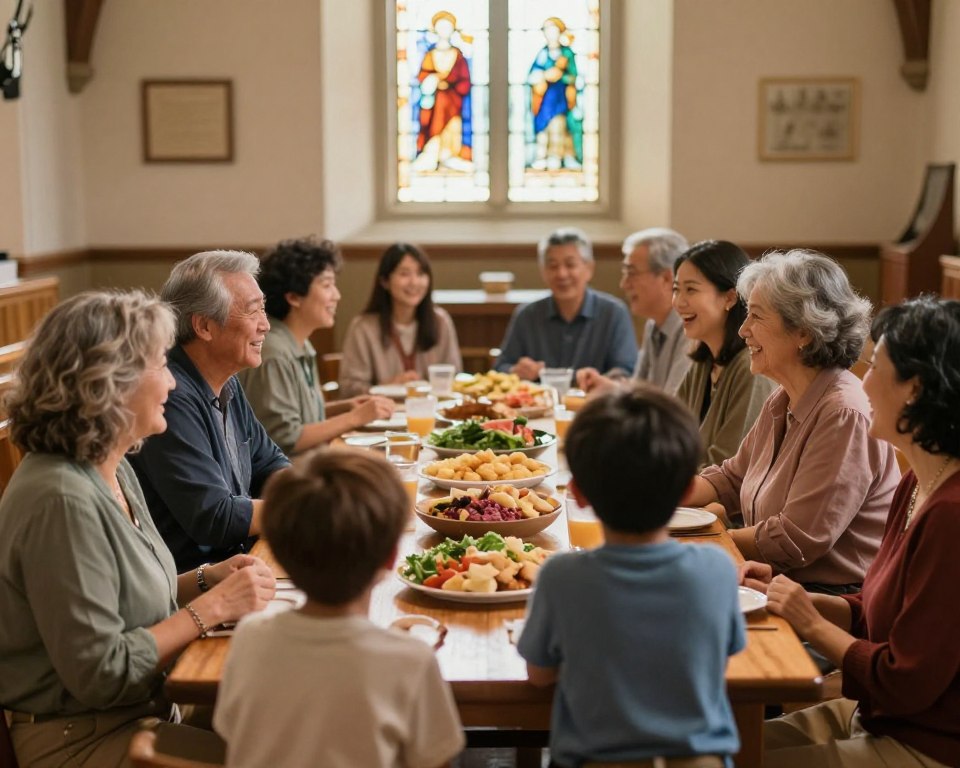
Presbyterian churches offer a variety of fellowship opportunities that bring members together. These include community meals, social events, and small group discussions, all designed to foster deeper connections among members.
- Community meals that provide a chance to share a meal and conversation
- Social events that range from picnics to holiday celebrations
- Small group discussions that delve into Bible study and personal reflection
These fellowship opportunities are essential to building a strong, supportive community within the church.
Social Justice Initiatives
The Presbyterian Church is committed to social justice, reflecting its core values of compassion and service. Members are encouraged to participate in various initiatives aimed at serving others and promoting justice.
Some of the social justice initiatives include:
- Food banks and food drives to support local communities
- Advocacy programs for marginalized groups
- Community development projects that promote economic and social justice
By engaging in these initiatives, members of the Presbyterian community live out their faith through action, embodying the presbyterian values of service and compassion.
Education and Spiritual Growth
Presbyterian churches prioritize spiritual development through a range of educational initiatives. These programs are designed to foster a deeper understanding of faith and promote spiritual growth among members of all ages.
Sunday School Programs
Sunday school programs are a vital part of the educational landscape in Presbyterian churches. These programs cater to children, providing them with a foundational understanding of Christian teachings and values. Through engaging lessons and activities, Sunday school helps young minds develop a strong spiritual foundation.
Key components of Sunday school programs include age-appropriate curriculum, interactive learning, and community building. These elements work together to create a nurturing environment where children can grow spiritually.
Adult Education Courses
Adult education courses in Presbyterian churches offer a variety of learning opportunities tailored to the needs and interests of adult members. These courses cover a wide range of topics, from biblical studies to contemporary issues in faith and society.
The goals of adult education include deepening biblical understanding, exploring faith in the context of daily life, and fostering spiritual growth. By engaging with these courses, adults can enhance their faith and become more active participants in the church community.
Youth Programs
Youth programs in Presbyterian churches are designed to support the spiritual development of teenagers and young adults. These programs often include Bible studies, service projects, and fellowship activities that help young people explore their faith and its application in their lives.
Key aspects of youth programs include mentorship, community service, and spiritual guidance. By participating in these programs, young people can develop a stronger sense of purpose and a deeper connection to their faith community.
In conclusion, Presbyterian churches offer a comprehensive approach to education and spiritual growth, catering to the needs of members across different age groups. Through Sunday school programs, adult education courses, and youth programs, individuals can deepen their understanding of faith and foster spiritual development.
Presbyterian Church Government Structure
The Presbyterian denomination is characterized by its distinctive form of government, which is rooted in the belief that church governance should be representative. This system is designed to ensure that decision-making is distributed among various councils and assemblies, providing a balanced approach to church leadership.

The Role of Elders
In the Presbyterian Church, elders play a crucial role in governance. They are elected by the congregation to serve on the church’s governing body, known as the session. Elders are responsible for guiding the spiritual direction of the church and making important decisions regarding its operations and ministry.
Elders are chosen for their wisdom, spiritual maturity, and ability to lead. They work alongside ministers to ensure that the church is managed effectively and that its mission is fulfilled.
“The government of the church is committed to the hands of elders, who are chosen by the people, as representatives of the people, to rule the church with wisdom, justice, and compassion.”
Ministerial Leadership
Ministers in the Presbyterian Church are ordained to preach, teach, and provide pastoral care. They work closely with elders to guide the congregation and implement the church’s mission.
Ministerial leadership is characterized by a commitment to serving the congregation and the wider community. Ministers are trained theologically and are equipped to provide spiritual guidance and support.
The Presbyterian Church’s government structure is designed to foster collaboration between ministers and elders, ensuring that the church is led effectively and that its spiritual needs are met.
Global Impact of the Presbyterian Church
The Presbyterian Church has a profound global presence, touching lives through its mission work and humanitarian efforts. With a commitment to serving others and promoting social justice, the church’s global impact is both significant and far-reaching.
The church’s involvement in global initiatives is a testament to its dedication to making a positive difference in the world. Through various programs and partnerships, the Presbyterian Church addresses critical needs and supports communities worldwide.
Mission Work
The Presbyterian Church’s mission work is a vital component of its global impact. The church engages in a wide range of activities, including:
- Establishing and supporting churches in underserved communities
- Providing educational and healthcare programs
- Promoting community development initiatives
These efforts are designed to foster spiritual growth, improve quality of life, and empower local communities. By partnering with other organizations and leveraging its resources, the Presbyterian Church maximizes its mission impact.
Humanitarian Efforts
In addition to its mission work, the Presbyterian Church is actively involved in humanitarian efforts around the world. The church responds to natural disasters, conflicts, and other crises by providing emergency relief and supporting long-term recovery initiatives.
Some key areas of focus for the church’s humanitarian efforts include:
- Disaster response and recovery
- Refugee support services
- Community health initiatives
By addressing immediate needs and working towards sustainable solutions, the Presbyterian Church demonstrates its commitment to serving humanity and promoting peace and justice globally.
Frequently Asked Questions
For those interested in becoming part of a Presbyterian community, understanding the process and what to expect is crucial. The Presbyterian Church is known for its welcoming nature and inclusive practices.
How to Join a Presbyterian Church?
Joining a Presbyterian church typically involves participating in a membership class or process. This is an opportunity to learn more about the church’s beliefs, practices, and community life. The membership process is designed to be informative and engaging, allowing prospective members to understand the church’s values and how they can contribute.
During the membership class, individuals can expect to learn about the church’s governance, worship practices, and community activities. It’s also a time for questions and discussions about what it means to be a Presbyterian.
What to Expect on Your First Visit
On your first visit to a Presbyterian church, you can expect a warm and welcoming environment. The congregation is typically friendly and open to newcomers. The service may include traditional or contemporary worship elements, depending on the specific church.
Here is a general overview of what you might experience during your first visit:
| Aspect | Description |
|---|---|
| Worship Service | A blend of traditional and contemporary elements, including hymns, prayers, and a sermon. |
| Community Engagement | Opportunities to meet new people, including after-service coffee hours or fellowship events. |
| Information Sessions | Some churches may offer information about their community, programs, and membership process. |
As one Presbyterian minister noted,
“The church is not just a building; it’s a community of believers coming together to worship, learn, and serve.”
Visiting a Presbyterian church is the first step in a journey that can lead to spiritual growth and a deeper connection with a community of faith.
Finding a Local Presbyterian Church
Now that you’ve learned about the Presbyterian Church and its values, you may be wondering how to find a local congregation to join. Fortunately, there are several ways to locate a Presbyterian church near you.
Search Tools and Resources
You can start by using online directories, such as the Presbyterian Church (USA) website, which offers a church finder tool. Simply enter your location, and you’ll be presented with a list of nearby Presbyterian churches. You can also search for churches on websites like Church Finder or Google Maps.
Connecting with the Community
Once you’ve identified a few churches in your area, take the next step by visiting their websites or attending a service. Connecting with the community is an essential part of the church experience, and you’ll want to get a sense of the congregation’s values, worship style, and fellowship opportunities. By engaging with the Presbyterian community, you’ll be able to find a spiritual home where you can grow and serve.
FAQ
What is the Presbyterian Church and its core beliefs?
The Presbyterian Church is a Christian denomination rooted in the Reformed tradition, emphasizing the grace of God in Jesus Christ. It is guided by the principles of scripture, the authority of the church, and the significance of Jesus Christ in its theology.
What is the historical background of the Presbyterian Church?
The Presbyterian Church emerged from the Reformation, influenced by key figures such as John Calvin. Its history is shaped by the Protestant Reformation and the development of Reformed theology.
How does the Presbyterian Church govern itself?
The Presbyterian Church has a system of governance that involves councils and representative assemblies, with elders and ministerial leadership playing crucial roles in decision-making processes.
What are the worship practices like in a Presbyterian Church?
Presbyterian worship practices include Sunday services, sacraments such as baptism and communion, and a variety of music and worship styles. Many Presbyterian churches practice open communion, welcoming all to the table.
How can I join a Presbyterian Church?
To join a Presbyterian Church, you typically need to speak with the church’s minister or session, attend a membership class or orientation, and participate in a membership process that may include a public profession of faith.
What can I expect on my first visit to a Presbyterian Church?
On your first visit, you can expect a welcoming atmosphere, a service that may include traditional or contemporary elements, and opportunities to meet with church members and leaders.
What kind of community life can I expect at a Presbyterian Church?
Presbyterian churches often have a strong sense of community, with fellowship opportunities such as community meals, social justice initiatives, and other activities that reflect the church’s values of compassion and service.
Are there educational programs available at Presbyterian Churches?
Yes, Presbyterian churches typically offer a range of educational programs, including Sunday school programs, adult education courses, and youth programs, designed to foster spiritual growth and community engagement.
How does the Presbyterian Church engage in mission work and humanitarian efforts globally?
The Presbyterian Church is committed to serving others and promoting social justice worldwide through its mission work and humanitarian efforts, reflecting its values in action across the globe.
How can I find a local Presbyterian Church?
You can find a local Presbyterian Church by using online search tools and resources, such as the Presbyterian Church’s official website or other church-finding platforms, and by connecting with the community to explore their worship practices and fellowship opportunities.