Many religious groups blend tradition with evolving spiritual practices. One such community is rooted in the American South, combining centuries-old Baptist principles with vibrant Pentecostal influences. Let’s explore how this denomination approaches spiritual experiences while honoring its heritage.
This group traces its origins to early 20th-century North Carolina. Historical records show strong connections to the Holiness movement’s emphasis on personal spiritual encounters. Leaders like Reverend G.B. Cashwell helped shape its unique identity, merging traditional values with charismatic worship styles.
Central to their practice is the concept of divine empowerment through prayer and scripture. Members emphasize personal relationships with the divine, viewing spiritual gifts as tools for communal growth. Educational institutions like Heritage Bible College, founded in 1971, continue training leaders in these blended traditions.
Key Takeaways
- Combines traditional Baptist values with Pentecostal worship practices
- Originated in North Carolina through early 20th-century spiritual movements
- Heritage Bible College plays vital role in leadership development
- Focuses on personal spiritual experiences within community context
- Balances scriptural authority with charismatic expressions
Historical and Doctrinal Foundations
In the early 20th century, a unique fusion reshaped a Southern religious group’s approach to worship. Traditional practices met charismatic enthusiasm as traveling preachers shared new ideas about spiritual empowerment.
Blending Traditions Through Time
Paul Palmer’s ministry laid groundwork for change in the 1910s. His emphasis on personal spiritual encounters prepared communities for shifts ahead. After the Azusa Street Revival spread nationwide, Reverend G.B. Cashwell brought Pentecostal teachings to local congregations.
This merger gained momentum through the 1940s. Worship services began incorporating spontaneous expressions of faith alongside structured liturgy. By 1959, these evolving practices led to establishing a distinct denomination valuing both heritage and renewal.
Educating Future Leaders
Heritage Bible College became central to preserving this blended identity. Founded in Dunn, North Carolina, it trained ministers to balance scriptural study with charismatic expressions. Leadership training programs emphasized practical ministry skills alongside theological education.
Historical records show enrollment tripled between 1975-1985. This growth helped spread adapted worship styles to new regions. Today, many congregations maintain this balance of tradition and spiritual vitality.
Exploring free will baptist beliefs on tongues
Communities across the American South maintain a distinctive approach to divine encounters. Their practices blend structured theology with spontaneous expressions, creating space for both reverence and renewal.
The Power of Spiritual Immersion
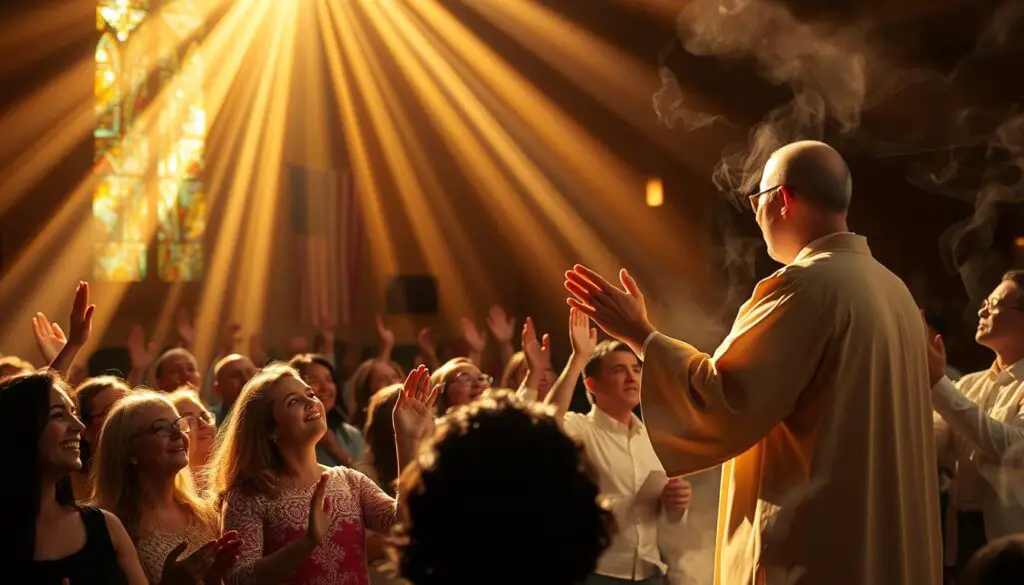
Many congregations teach that the baptism holy experience marks a believer’s deeper connection with God. This moment often follows water baptism, seen as an outward sign of inward commitment. One minister describes it as “a fire that refines without consuming,” highlighting its transformative nature.
Historical records show members often report heightened spiritual awareness after this experience. A 1948 church journal entry states: “The Spirit moves where hearts yield completely.
Language Beyond Understanding
Speaking in unknown languages remains a key marker of spiritual encounters. Leaders emphasize this practice isn’t about performance but personal confirmation of divine connection. It typically occurs during prayer meetings or altar calls, fostering unity among participants.
| Practice | Purpose | Frequency |
|---|---|---|
| Water Baptism | Public declaration of faith | Once per believer |
| Spirit Baptism | Empowerment for service | Ongoing experience |
| Prayer in Tongues | Personal edification | Daily practice |
These rituals strengthen community bonds while honoring individual journeys. As one member shared: “My faith became tangible when words failed but my spirit sang.” This balance between personal experience and shared tradition continues shaping churches nationwide.
Understanding the Interplay of Holy Spirit, Baptism, and Grace
The journey of faith weaves together divine intervention and personal devotion. At its core lies a sacred partnership between spiritual practices and transformative encounters. This dynamic shapes how communities experience growth and healing.
Baptism Holy: Faith and the Testimony of Belief
Water baptism marks a believer’s public commitment, while baptism holy signifies inner renewal. Many view this dual process as God’s response to sincere faith in action. A church leader explains: “The first dip cleanses, the second ignites.”
| Practice | Connection | Outcome |
|---|---|---|
| Water Baptism | Physical declaration | Community welcome |
| Spirit Baptism | Spiritual empowerment | Personal transformation |
| Grace | Divine gift | Ongoing sanctification |
Divine Healing, Sanctification, and Personal Spiritual Growth
The holy spirit actively shapes believers through what many call a second work of grace. This process often involves:
- Renewed purpose in daily life
- Heightened compassion for others
- Physical and emotional healing testimonies
Churches nurture this growth through prayer circles and shared miracles. One member recalls: “After years of struggle, grace became my compass.” Regular worship and scripture study help maintain this balance between human effort and divine partnership.
Conclusion
Throughout American religious history, communities have forged distinct identities by weaving together diverse spiritual threads. This denomination’s story shows how sacred practices evolve while staying rooted in core values.
Early 20th-century revivals sparked lasting change, blending structured theology with expressive worship. Figures like Cashwell and institutions such as Heritage Bible College preserved this balance, creating a roadmap for modern congregations.
Central to this legacy is water baptism as a public rite and spiritual encounters as personal confirmations. These experiences—marked by heartfelt expressions—strengthen both individual journeys and collective faith.
Today, churches nationwide continue this living tradition. They honor their past while embracing fresh expressions of devotion, proving that heritage and renewal can walk hand in hand. At its core, this journey reflects the enduring dance between divine gifts and human response.
FAQ
How do Free Will Baptist churches view speaking in tongues?
Many congregations emphasize personal spiritual experiences but generally prioritize scriptural evidence over charismatic expressions like glossolalia. Practices vary, with some groups embracing it as a sign of faith while others focus on baptism and grace as core testimonies.
What role does the Holy Spirit play in their doctrine?
The Holy Spirit is seen as a guide for sanctification and spiritual growth. While divine healing and personal renewal are valued, most churches avoid linking the Spirit’s presence solely to outward signs like tongues, aligning more with grace-centered theology.
How does baptism connect to faith in their teachings?
Baptism symbolizes public commitment to Christ and acts as a testimony of belief. It’s viewed as an outward expression of inward grace, reflecting obedience to Scripture rather than a requirement for salvation.
Has Pentecostalism influenced Free Will Baptist beliefs?
Historical ties to institutions like Heritage Bible College introduced some charismatic ideas, but most churches maintain distinct doctrines. Emphasis remains on free will, repentance, and the transformative power of grace over ecstatic worship practices.
Do they believe divine healing is part of modern faith?
Many affirm God’s ability to heal, often through prayer and anointing. However, this is typically framed within God’s sovereignty rather than as a guaranteed outcome of specific rituals or spiritual gifts.
How do grace and personal responsibility coexist in their theology?
They teach that grace enables salvation, but individuals must actively choose to accept it. This balance reflects their focus on free will—believers are called to pursue sanctification while relying on God’s unmerited favor.