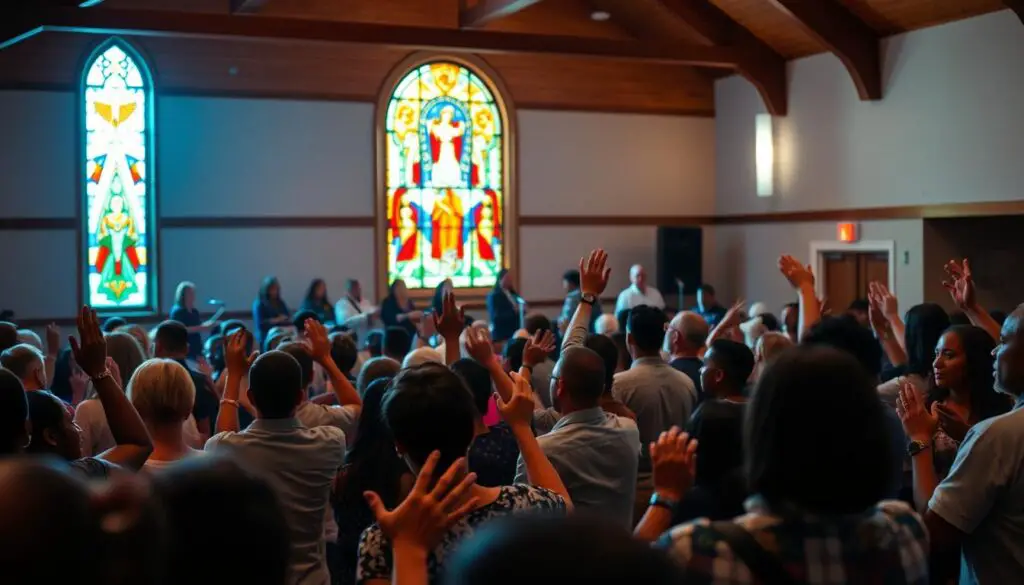
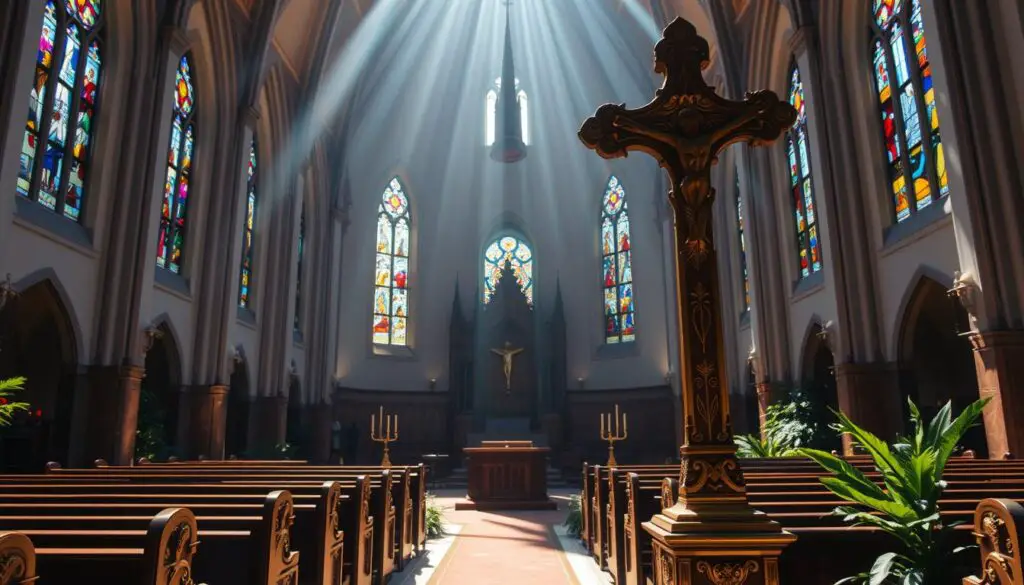
Walking into a space where everyone feels valued is rare. At Champion Baptist Church, that warmth isn’t just a promise—it’s a daily practice. Whether you’re seeking connection, inspiration, or a place to grow, this community opens its doors with genuine care.
Our gatherings center around meaningful worship and shared experiences. Each service blends uplifting messages with opportunities to build lasting relationships. Many find comfort in knowing they’re surrounded by people who celebrate life’s joys and support through challenges.
Can’t make it in person? Explore our on-demand sermon archives to revisit powerful teachings anytime. These resources let you engage with content that sparks reflection and growth, even from home.
What truly sets this congregation apart is its focus on inclusivity. No two journeys look alike here, and that’s encouraged. From weekly events to volunteer initiatives, there’s always a way to contribute your unique gifts.
Key Takeaways
Experience a welcoming environment that prioritizes personal connections
Access inspiring teachings through flexible on-demand options
Participate in gatherings designed to strengthen community bonds
Join initiatives that value diverse perspectives and talents
Discover a space where growth and support go hand in hand
Embracing a Welcoming Community
Finding a place where you belong can transform your spiritual journey. Our community thrives on genuine connections, creating spaces where laughter and support flow freely. New faces quickly become friends here, united by shared values and mutual encouragement.
Inspiring On-Demand Sermon Archives
Missed a service? Our digital library lets you revisit powerful messages anytime. Over 300 talks await—from practical life advice to deep faith explorations. Search by topic or speaker to find what speaks to you most.
Feature
Benefit
Access
Topic Tags
Find relevant content fast
24/7 mobile access
Discussion Guides
Spark group conversations
Printable PDFs
Audio Versions
Learn during commutes
Podcast platforms
Life Groups and Personal Connections
Small gatherings make big impacts. Our 40+ groups meet weekly in homes and cafes across town. Whether you’re exploring faith or deepening roots, you’ll find:
Book clubs discussing faith-inspired literature
Parent circles sharing childcare strategies
Creative workshops blending art and spirituality
These circles become extended family for many. Members often describe their group as “the safety net I didn’t know I needed.” Through shared meals and honest conversations, bonds form that last far beyond Sunday mornings.
Experience Champion Baptist Church Worship and Engagement
Active involvement transforms spiritual journeys. Our services blend timeless traditions with modern accessibility, offering multiple ways to participate. Whether you prefer sunrise gatherings or mid-morning reflection, there’s a time that fits your rhythm.
Flexible Service Times
Join us Sundays at 8:00, 9:30, or 11:00 AM in person. Early birds appreciate the quiet dawn service, while families often choose the later options. Can’t attend physically? Livestreams at 9:30 and 11:00 AM bring the experience to your living room.
Deep-Dive Discussions
Tuesdays at 6:30 AM, early risers gather for interactive Bible studies. These sessions use real-life scenarios to make ancient wisdom relatable. One regular participant shares: “Our group feels like solving puzzles together—every answer leads to new questions.”
Serve Where You Thrive
Four campuses offer volunteer roles matching various passions:
Community meal prep teams
Creative arts collaborators
Neighborhood outreach partners
Each location maintains an intimate feel through Life Groups—small circles where people grow together. Members often describe these groups as “friendship incubators” that nurture both personal and spiritual development.
Family & Kids Ministries for Spiritual Growth
Building strong spiritual foundations starts early. Our programs create spaces where young minds explore faith through play, stories, and age-appropriate lessons. Parents appreciate how these initiatives blend learning with laughter.
Kids Worship Sessions and Nursery Programs
Sunday mornings buzz with energy in our dedicated children’s area. Little ones aged 0-2 enjoy a secure nursery with trained caregivers. Meanwhile, kids aged 3-5 join interactive worship sessions featuring music, crafts, and Bible stories told through puppetry.
Older children engage in dynamic Sunday School classes. These gatherings use games and group activities to teach core values. “My daughter begs to come every week,” shares one parent. Safety protocols ensure all activities meet rigorous standards.
Family Ministry & Care Groups for Every Age
Monthly family nights strengthen bonds through shared experiences. Parents access practical workshops on topics like nurturing faith at home. Care groups meet weekly to discuss parenting challenges and celebrate milestones.
Special events like outdoor movie nights and service projects unite generations. These moments help families grow spiritually while creating joyful memories. Through tailored resources and supportive relationships, every member finds tools to thrive.
Conclusion
A place where every voice matters begins with open doors. This community thrives on connections that uplift through shared worship and practical support. Whether joining lively Sunday services or streaming from home, you’ll find flexible ways to grow.
Our digital library keeps inspiration within reach, while Life Groups turn neighbors into lifelong friends. Families especially appreciate programs blending faith with fun—where kids learn through play and parents find trusted allies.
Ready to take the next step? Explore weekend service times or volunteer roles matching your passions. Newcomers often say they felt like valued members from their first visit. No pressure—just genuine people walking alongside you.
Every person brings unique gifts to this faith journey. Come discover how shared purpose creates bonds that last. Your seat at the table is waiting.
FAQ
What time are Sunday services?
Join us for in-person gatherings or livestream options every Sunday morning. Check our website for specific service times and campus locations to find the best fit for your schedule.
Are there programs for children during worship?
Yes! We offer dynamic kids’ worship sessions and nursery care for infants through elementary age. All activities are designed to nurture faith in a safe, engaging environment.
How can I join a small group?
Explore life groups tailored to different ages, interests, and stages. Visit our Connect Desk on Sundays or browse online to find a group that aligns with your spiritual journey.
Can I watch past sermons online?
Absolutely! Access our on-demand sermon archives anytime. Dive deeper into weekly messages through study guides and discussion questions available on our app or website.
What volunteer roles are available?
From greeting teams to community outreach, there’s a place for everyone. Let us know your passions, and we’ll help match you with meaningful opportunities to serve.
How do I become a member?
Start by attending a newcomers’ session or meeting with a leadership team member. We’ll guide you through the process and help you connect with care groups for ongoing support.
Few groups have sparked as much debate in modern America as this Kansas-based organization. Known for provocative public demonstrations, its members often grab headlines with inflammatory messages. This article explores their history, core beliefs, and lasting influence on free speech debates.
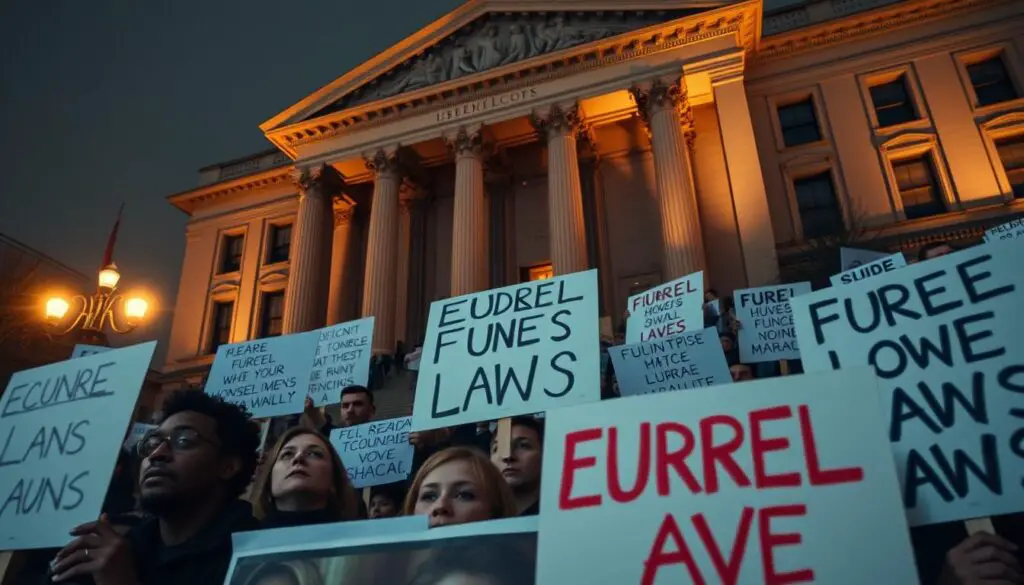
Emerging in the 1950s under Fred Phelps, the group gained notoriety for targeting high-profile events. From military funerals to pride parades, their actions consistently draw strong reactions. Their “Thank God for Dead Soldiers” signs became symbols of their confrontational approach.
This case study examines how such a small group created nationwide conversations. We’ll explore legal challenges surrounding their activities, including landmark Supreme Court cases. Later sections detail key members’ roles and internal group dynamics that fueled their campaigns.
Key Takeaways
Originated in Topeka, Kansas during the civil rights era
Gained attention through shock-value protest tactics
Faced multiple legal challenges protected by First Amendment rulings
Influenced debates about hate speech limitations
Leadership transitions impacted public strategy over time
Introduction
Public outrage followed a family-led group’s provocative demonstrations at sensitive events. Founded in the 1950s, this Topeka-based organization gained attention by staging disruptive protests at military funerals and public gatherings. Their signs declaring “god dead soldiers” became infamous symbols of their confrontational strategy, framed as warnings of divine judgment.
Members justified their actions as religious duty, claiming they highlighted moral decay in society. These tactics sparked nationwide debates about free speech boundaries. One landmark case reached the Supreme Court, which ruled in 2011 that their funeral protests were protected under the First Amendment.
“Speech concerning public issues is shielded from regulation—even when it inflicts severe emotional distress.”
Below is a breakdown of their most contentious demonstrations and outcomes:
Event Type
Key Message
Public Reaction
Legal Outcome
Military Funerals
“Thank God for Dead Soldiers”
Widespread condemnation
Protected speech
Pride Parades
Anti-LGBTQ+ slogans
Counter-protests
No charges filed
Supreme Court Ruling
Free speech defense
Mixed responses
8-1 decision upheld
Understanding their origins helps explain why their methods persist despite backlash. Later sections will explore how their theological roots shaped these actions and the legal precedents they influenced.
Historical Origins of the Westboro Baptist Church
A small congregation took root in Topeka during 1955, led by Fred Phelps. Unlike mainstream Baptist groups, this assembly rejected modern theological trends. Its teachings drew heavily from Primitive Baptist traditions and hyper-Calvinist ideas about predestination.
Early members focused on street preaching, using fiery language to condemn social changes. By the 1960s, their tactics shifted toward organized public demonstrations. These efforts targeted local businesses and community events long before national attention arrived.
Key doctrinal differences fueled their separation from other churches:
Belief
Mainstream Baptists
Topeka Group
Divine Judgment
General warnings
Specific condemnations
Outreach Methods
Community engagement
Confrontational protests
Membership
Open congregations
Family-centric structure
The phrase “god hates” became central to their messaging by the 1980s. This rhetoric escalated their visibility, transforming local critics into national figures. Legal protections for free speech allowed their methods to evolve despite growing opposition.
Founding Principles and Theological Beliefs
At the core of their confrontational approach lies a strict theological framework blending two distinct traditions. This belief system fuels their notorious public actions while justifying them as divine mandates.
The Hyper-Calvinist Doctrine
Members embrace hyper-Calvinism, emphasizing predestination to extremes. They teach that God pre-selects souls for salvation or damnation, rendering human choice irrelevant. This worldview frames their protests as warnings to a “doomed society” rather than conversion attempts.
Primitive Baptist Practices
Their Primitive Baptist roots reject modern religious adaptations. Literal Bible interpretation drives opposition to LGBTQ+ rights, citing verses like Leviticus 20:13. One news release declared: “Same-sex marriage invites national destruction.”
Key differences from mainstream faiths emerge in their tactics:
Public shaming as spiritual duty
Celebration of tragedies as divine judgment
Rejection of interfaith dialogue
Shirley Phelps-Roper, a prominent member, often defended these practices in supreme court filings. Her legal arguments cemented the group’s reputation for weaponizing free speech protections.
Key Figures Shaping the Church
Leadership often defines an organization’s path—this group exemplifies that truth through its influential figures. Two individuals stand out for steering its direction and public image, leaving lasting marks on its strategies and legal defenses.
Fred Phelps’ Legacy
As founder, Fred Phelps crafted the group’s confrontational identity. His sermons blended fiery rhetoric with strict biblical interpretations, framing protests as divine warnings. The infamous “God Hates Fags” slogan originated under his leadership, becoming a rallying cry at demonstrations.
Phelps viewed legal challenges as opportunities to test free speech boundaries. He trained wbc members to exploit First Amendment protections, ensuring their actions stayed within constitutional limits despite public outrage.
Shirley Phelps-Roper’s Role
Shirley Phelps-Roper became the face of modern operations after her father’s death. A skilled attorney, she argued multiple cases defending funeral protests. Her 2006 statement—“Thank God for IEDs” during military funeral pickets—sparked nationwide debates about hate speech protections.
She expanded digital outreach, using social media to amplify messages. This shift helped maintain visibility even as physical protests declined.
Leader
Key Contribution
Legal Impact
Fred Phelps
Established protest framework
First Amendment test cases
Shirley Phelps-Roper
Modernized communication tactics
Defended speech protections
Their combined efforts created a blueprint for using constitutional rights as shields against criticism. This approach continues influencing how groups navigate free speech laws today.
Controversial Rhetoric and Hate Speech
Language became their weapon of choice in shaping public discourse. Members wielded phrases like “God Hates Fags” and “You’re Going to Hell” at protests, framing these messages as divine warnings. The Phelps family defended such statements as scriptural truth, often invoking Lord Jesus to justify targeting LGBTQ+ communities and military families.
One infamous 2006 demonstration outside Marine Lance Cpl. Matthew Snyder’s funeral sparked national outrage. Protesters held signs declaring “Thank God for Dead Soldiers”, claiming military deaths symbolized God’s wrath. Shirley Phelps-Roper later stated: “We’re here to remind you what Lord Jesus said about sin.”
Key elements of their rhetoric include:
Direct condemnation of specific groups
Celebration of tragedies as divine judgment
Use of shock value to guarantee media coverage
Legal battles surrounding these tactics reached historic proportions. The 2011 Supreme Court ruling on the Matthew Snyder case affirmed protections for offensive speech, even when causing emotional harm. This decision cemented the Phelps family’s strategy of operating within constitutional boundaries while maximizing provocation.
“If you’re going to preach Lord Jesus’s words, you can’t sugarcoat them.”
While most Americans rejected their messages, free speech advocates noted the rulings strengthened protections for all viewpoints. The Phelps family’s approach continues influencing debates about where society draws lines between hate speech and religious expression.
Notable Protests and Public Demonstrations
Military memorials became unexpected battlegrounds for one group’s fiery demonstrations. Their strategy focused on high-visibility events to amplify messages about divine judgment, often leaving grieving families caught in the crossfire.
Protesting Military Funerals
Members claimed soldiers’ deaths symbolized God’s wrath against nations accepting LGBTQ+ rights. A 2007 protest outside a service for a Marine killed in Iraq featured signs reading “Burn in Hell” and “America is Doomed.” They argued these tragedies proved divine retribution for moral decay.
Funerals provided maximum media exposure while inflicting emotional distress. One father described confronting demonstrators: “They turned my son’s burial into a circus—it felt like salt in an open wound.” Legal filings revealed members viewed grieving families as “collateral” in their spiritual war.
Key incidents include:
2006 demonstrations for multiple troops killed in Iraq
2012 picketing of a Navy SEAL’s memorial service
“Thank God for IEDs” banners at Afghanistan casualty events
These actions sparked 43 state laws limiting funeral protests. Yet the group continued exploiting free speech protections, knowing courts often sided with their right to provoke. Their signs warning sinners to “burn in hell” became chilling symbols of unrestrained expression.
Impact on Community and Public Perception
Communities nationwide grappled with mixed emotions when faced with polarizing demonstrations. While most residents condemned the group’s tactics, a small minority echoed concerns about moral decline. One Topeka resident told reporters: “Their signs about jews killed made me question how far free speech should go.”
Local Reactions
Neighbors near the group’s headquarters often organized “peace blockades” during protests. Some businesses refused service to members, while others quietly supported their warnings about entering country policies. A 2010 town hall meeting revealed deep divisions—45% favored restricting protests near schools, while 15% defended their right to demonstrate.
Media and Counter-Protests
National outlets amplified the group’s messages through constant coverage. This spotlight sparked creative pushback—hundreds once formed human chains around military cemeteries when dead soldiers’ funerals were targeted. Online campaigns like #HateWontWin trended during pride events, drowning out offensive slogans.
Major networks faced criticism for giving extremists a platform. A CNN anchor later admitted: “Covering their ‘jews killed’ signs felt like spreading poison, but ignoring them wasn’t an option.” Meanwhile, viral videos of silent counter-protesters holding “Love > Hate” banners reshaped public debates about free expression.
“We turned their hate into a catalyst for unity.”
These clashes revealed how communities could transform outrage into action. While the group’s claims about entering country policies drew fleeting attention, lasting change emerged from grassroots resistance to their rhetoric.
Legal Battles and Free Speech Implications
A landmark legal clash reshaped America’s understanding of protest boundaries in 2011. At its center stood a grieving father and demonstrators who picketed funeral services for his son—a marine killed in Iraq during February 2009. This confrontation became the catalyst for defining how far free speech protections extend.
Snyder v. Phelps Supreme Court Case
The case began when protesters appeared outside Lance Cpl. Matthew Snyder’s memorial holding signs like “Thank God for Dead Soldiers.” Albert Snyder sued for emotional distress, winning $5 million initially. However, the Supreme Court overturned this verdict in an 8-1 decision, ruling the protests addressed public issues and occurred on public property.
“Speech is powerful. It can stir people to action, inflict great pain, or provoke unrest—but we don’t punish speakers for discomforting ideas.”
First Amendment Challenges
This ruling clarified that even deeply offensive speech remains protected if tied to societal debates. States responded with laws creating “buffer zones” around memorial services. Key developments include:
43 states passing restrictions on picketed funeral activities by 2015
Federal appeals courts striking down overly broad bans
New guidelines requiring protesters to stay 300+ feet from services
Legal experts note these battles strengthened protections for all demonstrators. While the marine killed in February 2009 became a symbol of free speech limits, the outcomes remind us that unpopular voices often test constitutional principles most fiercely.
Organizational Structure and the Phelps Family Involvement
Family ties bind every aspect of this organization’s operations. Nearly all active members share blood relations or marriage connections to the founding clan. This closed network allows tight control over messaging and protest logistics.
Key leadership roles rotate among three generations of relatives. Legal strategies get crafted during Sunday dinners, blending scripture study with court precedent analysis. Members handle everything from sign-making to social media management through coordinated family efforts.
The financial model relies on internal contributions rather than external donations. Court records show members pool resources for:
Travel expenses to demonstrations
Legal defense funds
Printing materials for events
When they began picketingThe Laramie Project play in 2006, six relatives handled logistics while others managed media relations. This division of labor became standard practice for high-profile events.
Administrative decisions require unanimous family approval. Meetings follow rigid agendas documenting each protest’s intended message and legal risks. This structure creates remarkable consistency in public actions despite external pressures.
Their coordinated approach proved effective during the Laramie Project protests. Multiple family members simultaneously filed lawsuits in different states when local authorities tried restricting demonstrations. These tactics forced jurisdictions into costly legal battles they often abandoned.
This insular model shields the group from internal dissent while maintaining operational secrecy. Though membership numbers fluctuate, the core family unit ensures continuity in their controversial campaigns.
Internal Dynamics and Accounts of Leaving
Personal transformations often reveal hidden cracks in rigid belief systems. Former members’ stories expose complex pressures within tightly controlled groups, showing how ideology and family bonds collide.
From Devotion to Departure
Megan Phelps-Roper grew up holding signs declaring “god dead soldiers” at protests. Her memoir Unfollow details how Twitter conversations with critics began unraveling decades of indoctrination. “I realized people could disagree without being evil,” she wrote about discussing LGBTQ+ rights with a rabbi online.
Internal conflicts intensified when she questioned protesting military funerals. Family members accused her of betraying their mission to warn America about divine judgment. “Loving someone shouldn’t mean endorsing their pain,” she later told a federal judge during custody hearings involving relatives.
Her departure in 2012 sparked debates about free will in high-control groups. While holding an american flag at counter-protests now, she advocates for dialogue over condemnation. This shift highlights how rigid communities struggle when members seek independent thought.
Others who left describe similar turning points—noticing inconsistencies in teachings or recoiling from celebrating tragedies. Many faced isolation tactics, with relatives treating them as “spiritually deceased.” These accounts show how loyalty often trumps compassion in closed belief systems.
Social Media Influence and Parody Culture
Digital platforms transformed how controversial messages spread in the 21st century. The organization embraced Twitter and YouTube early, creating viral content that mixed scripture quotes with inflammatory hashtags. Parody songs set to popular tunes became unexpected tools for spreading their ideology.
Online campaigns amplified their reach beyond physical protests. A 2013 parody of Carly Rae Jepsen’s “Call Me Maybe” gained 2 million views, sparking debates about free expression. Critics responded with creative pushback—#LoveOverHate trends often drowned out offensive posts within hours.
“They weaponized humor to bypass content filters. It was shockingly effective.”
Key platforms shaped their digital strategy:
Platform
Tactic
Outcome
Twitter
Provocative hashtags
Trending topics
YouTube
Parody music videos
Mass sharing
Reddit
AMAs with leaders
Mixed engagement
Legal protections played a crucial role. When platforms tried banning accounts, courts ruled their posts qualified as protected speech. This allowed the group to maintain an online presence despite widespread reporting.
Parody culture cut both ways. While some users mimicked their style for satire, others unintentionally boosted visibility. The dynamic shows how digital spaces both challenge and reinforce extreme messaging.
Government and Legislative Responses
Controversial demonstrations sparked nationwide legal reforms addressing public sensitivities. Lawmakers faced tough choices balancing constitutional rights with community protection needs. Over 40 states enacted restrictions following high-profile incidents involving memorial services.
Funeral Picketing Laws
States like Nebraska and Maryland led the charge with 300-foot buffer zones around services. These “quiet time” laws barred disruptive actions during mourning periods. Key measures included:
Banning signs within 500 feet of cemeteries
Prohibiting loudspeakers near funeral processions
Creating misdemeanor charges for violations
Legal Countermeasures
The 2012 Respect for Memorials Act set federal guidelines while allowing local adjustments. Courts upheld most restrictions if they didn’t target specific messages. As one senator noted:
“We’re safeguarding dignity, not silencing opinions.”
These reforms reshaped protest logistics nationwide. While members still demonstrate legally, many events now occur farther from grieving families. The changes show how societies can protect both free expression and communal peace.
International Reactions and Cross-Border Legal Measures
Global authorities have drawn lines against inflammatory demonstrations crossing borders. Over 15 nations blocked members from entering, citing public order concerns. Canada barred key figures in 2008 under immigration law provisions targeting hate promotion. The UK followed in 2014, denying entry to multiple family members before planned protests.
Legal countermeasures intensified after a 2011 attempt to picket Norwegian terror attack memorials. Officials used existing assembly laws to impose 48-hour detainments. Germany strengthened protest regulations in 2015, requiring advance notice for events near sensitive locations.
South Africa banning demonstrations near LGBTQ+ pride events
France imposing €10,000 fines for unauthorized public disturbances
“Free speech protections vary globally—what’s legal in Kansas can spark arrests overseas.”
These actions highlight tensions between national values and universal rights. While some countries expanded buffer zone laws, others faced criticism for restricting legitimate dissent. The group’s failed 2017 European tour demonstrated how cultural norms shape law enforcement priorities.
Diplomatic cables reveal behind-the-scenes coordination between governments. When members announced plans to protest a London royal wedding, UK and US agencies shared intelligence to fast-track travel bans. Such collaborations raise questions about balancing free expression with collective security concerns.
An Overview of the Westboro Baptist Church’s Impact on Public Discourse
Public debates about free expression reached new intensity through calculated provocations at sensitive moments. Media outlets amplified controversial messages by covering inflammatory demonstrations, creating a cycle of outrage and visibility. This dynamic reshaped how society discusses moral boundaries in public spaces.
High-profile events like military funerals became flashpoints for national conversations. Legal experts note these clashes forced courts to clarify protections for offensive speech. One scholar observed: “Their tactics tested whether liberty includes the right to wound.”
Key impacts on cultural and legal discussions include:
Impact Area
Public Reaction
Legal Outcome
Media Coverage
Increased news focus on protest rights
Strengthened First Amendment precedents
Community Responses
Grassroots counter-protests nationwide
Buffer zone laws in 43 states
Online Discourse
Viral debates about hate speech limits
Platforms adopting nuanced content policies
While many condemned their messages, the group’s actions highlighted tensions between civil liberties and communal harmony. Their legacy persists in ongoing arguments about where society draws lines—and who gets to decide.
“They became unwitting teachers about the price of free speech.”
Comparative Analysis with Other Extremist Groups
Extremist organizations often mirror each other in tactics while diverging in core messaging. The WBC shares strategic similarities with groups like the KKK and neo-Nazi factions, particularly in using public shock tactics to amplify divisive ideologies. However, their legal approach sets them apart—many hate groups operate in shadows, while this group weaponizes constitutional protections openly.
Shared Tactics, Different Frameworks
Like white supremacist organizations, the WBC targets vulnerable communities to provoke emotional reactions. Both use religious or pseudo-historical arguments to justify discrimination. A 2018 Southern Poverty Law Center report noted:
“Groups gain traction by framing hatred as moral duty—whether through twisted scripture or warped patriotism.”
Key parallels emerge in three areas:
Group
Recruitment Tactics
Legal Challenges
Public Response
WBC
Family-based membership
First Amendment lawsuits
Buffer zone laws
KKK
Online radicalization
Hate crime charges
Community watch programs
Neo-Nazis
Youth-focused propaganda
Parade permit denials
Counter-protest networks
While all three face state restrictions, the WBC uniquely leverages court victories to shield activities. Their focus on children as both members and protest participants mirrors how other extremists groom younger generations. However, most groups avoid overt funeral disruptions—a tactic that isolates even potential allies.
Legal responses show patterns too. Forty-three states passed protest buffer laws targeting multiple organizations. Yet the WBC’s ability to operate within these rules demonstrates their distinct understanding of free speech boundaries.
Conclusion
Navigating America’s free speech landscape reveals a paradox: small groups can spark nationwide change through calculated provocation. Rooted in Topeka’s history, this organization’s tactics—from fiery signs to military funeral disruptions—forced society to confront uncomfortable questions. Their actions tested constitutional boundaries while reshaping debates about morality and expression.
Legal battles left lasting marks. Supreme Court rulings upheld protections for offensive speech, even when targeting grieving families burying a son or honoring a flag. These decisions reinforced that free expression often protects voices many find reprehensible. Yet counter-protests and buffer laws showed communities pushing back against harm.
Future discussions will grapple with balancing rights and dignity. While their strategies amplified divisive messages, they also highlighted democracy’s resilience. As society evolves, so too will interpretations of where lines should exist between provocation and protection.
Understanding this complex legacy invites reflection. How do we uphold liberties without normalizing cruelty? The answer lies not in silencing extremes, but in fostering dialogues that elevate compassion over conflict—a challenge as vital today as ever.
FAQ
Why does the WBC protest military funerals?
Members claim these protests highlight God’s punishment for America’s tolerance of LGBTQ+ rights. They argue soldiers’ deaths symbolize divine judgment, often using phrases like “Thank God for dead soldiers” in signs and chants.
How did the Supreme Court rule on their protests?
In Snyder v. Phelps (2011), the Court upheld WBC’s right to protest under the First Amendment. The case involved Marine Matthew Snyder’s family, who sued for emotional distress after WBC picketed his funeral.
What role did Fred Phelps play in the group?
Fred Phelps founded the organization in 1955 and shaped its extreme ideology. His sermons and lawsuits against critics fueled its notoriety until his death in 2014. His daughter, Shirley Phelps-Roper, later became a prominent spokesperson.
Are there laws limiting funeral protests?
Yes. After WBC’s demonstrations, states like Missouri and federal “quiet zones” laws were enacted. These require protesters to stay 300–500 feet from memorials or funerals, balancing free speech with mourners’ privacy.
How do former members describe life inside the group?
Ex-members like Megan Phelps-Roper describe strict isolation from outsiders, daily Bible studies, and fear-driven obedience. Many who left faced shunning and emotional struggles while rebuilding their lives.
Why does the group target LGBTQ+ communities?
Their hyper-Calvinist beliefs claim God hates “sinners,” including LGBTQ+ individuals. They cite Old Testament passages to justify claims that disasters like school shootings are divine retribution.
Has social media affected their reach?
While platforms like Twitter amplified their messages, parody accounts and counter-campaigns (e.g., #LoveIsLouder) often drown out their rhetoric. WBC’s online influence has waned as platforms enforce stricter hate-speech policies.
How do local communities respond to their protests?
Many counter with “human shields” or silent vigils to block WBC’s signs. Groups like Patriot Guard Riders protect mourners at military funerals, while cities sometimes pass ordinances to restrict protests.
Do other extremist groups share WBC’s tactics?
Similar groups, like neo-Nazis, use shock tactics to gain attention. However, WBC’s focus on litigation and scripture-based rhetoric sets them apart. Their avoidance of violence contrasts with groups like the KKK.
Can international laws restrict their activities?
When WBC planned protests abroad, countries like Canada and the UK denied entry to members. Hate-speech laws in Europe also limit their ability to organize demonstrations outside the U.S.
At the heart of its mission, this faith community blends dynamic worship with a deep commitment to serving others. Rooted in tradition yet embracing innovation, it offers a welcoming space where individuals grow spiritually and connect meaningfully.
The focus on excellence spans praise, education, and global ministry. Through uplifting services and practical teachings, members find tools to navigate life’s challenges while contributing to meaningful causes. A digital-forward approach ensures everyone can participate, whether in person or online.
Adapting to modern needs, the community provides flexible access to resources. Live streams, on-demand content, and interactive platforms allow engagement at any time. This adaptability reflects its dedication to meeting people where they are.
Known for its vibrant spirit and outreach efforts, the church fosters connections that extend beyond its walls. From local volunteer initiatives to international partnerships, compassion drives every action. Newcomers are invited to explore a journey of faith grounded in love and purpose.
Key Takeaways
Blends uplifting worship with actionable community service
Prioritizes inclusivity through both in-person and digital experiences
Offers accessible resources for spiritual growth and global impact
Balances tradition with modern technological solutions
Welcomes individuals seeking connection and meaningful engagement
Rich History and Inspiring Legacy
What began as a modest gathering in 1962 grew into a beacon of hope during turbulent times. Thirteen worshippers at Texas Southern University laid the foundation for an institution that would shape social justice and spiritual growth for generations.
Founding and Civil Rights Impact
Under Rev. William A. Lawson’s leadership, the congregation became a hub for civil rights activism. They bailed out arrested TSU students and hosted Dr. Martin Luther King Jr., creating safe spaces for strategy meetings. This courage cemented their role as change-makers during America’s struggle for equality.
Through the 1960s, the community provided both spiritual guidance and practical support. Their doors remained open to organizers working toward voting rights and fair treatment. This dual focus on faith and action became their trademark.
Pandemic Pivot and Digital Transformation
When COVID-19 disrupted traditional gatherings, the congregation launched a YouTube channel reaching global audiences. Electronic giving options funded new projects like their cathedral expansion. Members could attend services safely while maintaining financial support.
This shift proved historic. Online participation tripled, connecting people across time zones. The digital tools didn’t replace in-person community—they expanded it. Live-streamed sermons and virtual Bible studies kept traditions alive during isolation.
Today, Wheeler Avenue Baptist stands as proof that timeless values can thrive in modern formats. From civil rights rallies to virtual prayer chains, their mission adapts without losing its core purpose.
Community Engagement and Worship Experience
Bringing people together through shared spiritual experiences remains central to their mission. Weekly gatherings blend music, scripture, and personal stories to create moments of connection. Members often describe these events as “transformative spaces where hope feels tangible.”
Inspiring Worship and Praise Initiatives
Sunday services feature live bands and choirs that uplift attendees through gospel music and modern hymns. Special events like Praise Nights invite participation through dance, spoken word, and collective singing. One member shared: “Hearing others’ testimonies during these nights strengthened my own faith journey.”
Prayer, Support, and Compassionate Outreach
An online prayer board allows members to submit requests—from health concerns to job searches. Within hours, dozens respond with encouraging messages or commitments to pray. Last month, a family facing eviction received rent assistance after their request went viral in the community.
Digital tools like live-streamed services and a custom app ensure participation from home or abroad. Interactive features let viewers submit prayer emojis or praise comments in real time. Scheduled virtual meetups maintain personal connections between services.
Initiative
Format
Impact
Weekly Prayer Chain
Online & In-Person
150+ monthly participants
Community Care Packages
Local Deliveries
200 families served quarterly
Youth Praise Workshops
Hybrid Sessions
40% attendance growth
Newcomers quickly notice the emphasis on inclusivity. As longtime attendee Maria Reyes notes: “No one judges your past here—they just welcome you into the fold.” This ethos drives ongoing efforts to remove barriers, whether through wheelchair-accessible venues or translated materials for non-English speakers.
Impact of wheeler baptist church on Community and Faith
Transforming lives through education and innovation, this congregation bridges spiritual growth with real-world solutions. Over six decades, membership surged from 13 to 14,000, reflecting its magnetic appeal across generations and cultures.
Diverse Membership and Educational Programs
The community thrives as a mosaic of backgrounds united by purpose. Year-round educational initiatives cater to all ages—toddlers learn through interactive Bible plays, while adults attend financial literacy workshops. A new 75,000-square-foot complex houses classrooms and mentorship spaces, empowering members to uplift their neighborhoods.
One parent shared: “My teen gained confidence in their leadership program—it’s more than homework help.” Outreach extends beyond members, with transitional housing supporting 200+ families since 2020.
Modern Service Innovations and Electronic Giving
Digital tools revolutionized how Wheeler Avenue Baptist connects and serves. A custom app streams services globally and processes 83% of donations electronically. These funds built their landmark cathedral and funded meal drives during recent floods.
Live chat features during sermons let viewers ask questions in real time. Virtual prayer circles now include members from three continents. As one donor noted: “Text-to-give made supporting our food pantry effortless—even from my hospital bed.”
By blending tech with compassion, the congregation proves faith communities can lead in both spirit and practical progress.
Conclusion
From its 1962 beginnings to today’s digital ministry, Wheeler Avenue Baptist proves faith communities can honor history while embracing change. What started with thirteen people fighting for justice now inspires thousands through worship and action.
The congregation’s legacy shines in its civil rights leadership and modern outreach. Live-streamed services and interactive tools keep members connected across time zones, while local programs address urgent needs like housing and education.
This blend of tradition and innovation creates lasting impact. Whether through prayer chains or youth workshops, every initiative reflects a simple truth: spiritual growth thrives when paired with practical care.
Ready to join a community where purpose meets passion? Explore how Wheeler Avenue continues uplifting lives—both online and in person. Your journey toward meaningful connection starts here.
FAQ
What makes Wheeler Avenue Baptist Church’s worship experience unique?
The congregation blends uplifting praise with compassionate outreach, creating a welcoming space for spiritual growth. Services focus on heartfelt connection, community support, and dynamic teachings rooted in faith.
How did the congregation adapt during the COVID-19 pandemic?
Leaders quickly embraced digital tools, offering livestreamed services and virtual prayer groups. This shift allowed members to stay connected while expanding their reach to new audiences globally.
What community programs does the church offer?
Initiatives include food drives, youth mentorship, and educational workshops. Their outreach extends to partnerships with local organizations, addressing needs like housing assistance and mental health support.
Are there opportunities for children and teens to get involved?
Yes! Youth programs include Sunday School, summer camps, and leadership development courses. These activities foster faith-based learning while encouraging creativity and teamwork.
How does electronic giving work for members?
Secure online platforms allow easy tithes and donations. Options include recurring payments or one-time gifts, ensuring flexibility for supporters to contribute anytime, anywhere.
Can visitors attend services without prior membership?
Absolutely! Guests are warmly welcomed at all events. The congregation prioritizes inclusivity, offering visitor orientations to help newcomers feel at home.
Walking into Champion Baptist Church feels like joining a family. From the first handshake to the uplifting hymns, this faith community radiates a spirit of connection. Rooted in traditions similar to those at Mount Calvary Baptist Church, our gatherings prioritize genuine relationships and shared growth.
Located in the heart of Alexandria, our church serves as a cornerstone for neighbors seeking meaningful worship. Whether you’re new to faith or deepening your journey, you’ll find a space where everyone belongs. Weekly services blend timeless teachings with modern relevance, fostering both reflection and action.
What truly sets this congregation apart is its commitment to service. Volunteer initiatives, youth programs, and outreach efforts reflect our belief that faith thrives through giving. Members often describe the environment as “a haven of hope”—a place where laughter echoes in fellowship halls and prayers uplift heavy hearts.
Key Takeaways
A welcoming atmosphere inspired by historic Baptist traditions
Active community involvement in Alexandria and beyond
Diverse programs for spiritual growth and practical service
Blend of traditional values and contemporary worship styles
Strong emphasis on inclusive Christian fellowship
Welcome to a Christ-Centered Community
At the heart of Alexandria lies a place where faith and fellowship intersect. Our gatherings are designed to uplift and unite, creating a space where every voice matters. Whether you’re exploring faith or deepening your walk, you’ll find warmth here.
Join Us in Worship and Growth
We open our doors wide to neighbors seeking connection. Services blend heartfelt teachings with joyful music, fostering both reflection and action. Here’s what you can expect each week:
Sundays: Morning worship at 10:00 AM, followed by Sunday School (all ages welcome)
Wednesdays: Bible Study at 6:30 PM and RED Class for practical life skills
Thursdays: Intercessory Prayer at 7:00 PM—a sacred time to uplift needs together
Your Invitation Awaits
Find us at 123 Grace Street in Alexandria, Virginia. Can’t attend in person? Tune into our live streams—we’ve made sure distance doesn’t hinder participation. Newcomers often remark, “This feels like coming home,” thanks to our welcoming atmosphere.
Have questions? Reach out at (555) 123-4567 or visit our website. We’re here to help you find your place in our growing family. Come as you are, and let’s walk this journey together.
Discover the Mission, Vision, and Values
Every thriving congregation stands on a foundation of purpose and shared beliefs. Our vision—“Building God’s Kingdom Daily Through Relationships, Evangelism, and Discipleship”—fuels everything we do. This commitment shapes weekly gatherings, outreach efforts, and personal growth journeys.
Building Relationships and Embracing Discipleship
Strong connections start with shared learning. Weekly Bible studies create spaces where questions are welcome, and friendships grow naturally. New members join structured classes to explore faith foundations—a formal process that builds understanding while fostering belonging.
Community meals and volunteer events turn teachings into action. These moments help people apply scripture to daily life. As one member shared, “Growing together makes the journey meaningful.”
Commitment to Biblical Teachings and Evangelism
Scripture guides our approach to service and outreach. Regular meetings include prayer circles where needs are lifted collectively. Our ministries extend beyond walls, offering practical support paired with spiritual hope.
Focus Area
Biblical Anchor
Community Impact
Discipleship
Matthew 28:19
Mentorship programs
Evangelism
Mark 16:15
Neighborhood outreach
Fellowship
Acts 2:42
Monthly potlucks
Through these efforts, we live out our mission to worship authentically, serve compassionately, and grow together. Whether through Sunday services or weekday prayer groups, everyone finds ways to contribute.
Embrace Spiritual Growth at mt calvary baptist church
Spiritual growth blossoms when we nurture both mind and heart. Our congregation offers structured programs and organic connections to help every member flourish.
Diverse Ministries and Educational Opportunities
Explore over a dozen ministries designed to meet unique needs. From music teams to outreach groups, there’s space for every passion. Newcomers begin with a simple form to match interests with opportunities.
Program
Focus
Format
Faith Foundations
Bible basics
Weekly classes
Servant Leaders
Skill development
Monthly workshops
Community Care
Local outreach
Biweekly projects
Youth Programs and Lifelong Learning
Teens thrive in our Wednesday youth nights featuring interactive lessons and service projects. One parent shared, “My daughter found her voice here through leadership roles.” Adults enjoy quarterly book studies exploring faith in modern life.
Opportunities for Prayer and Service
Morning prayer circles and evening meditation sessions create daily touchpoints with the divine. Practical service opportunities include:
Food pantry volunteering every second Saturday
Neighborhood clean-up days with fellowship meals
Counseling sessions for those with spiritual questions
Join us this Thursday at 7 PM for our “Growing Together” forum—a safe space to discuss faith journeys. Whether through structured ministry work or casual coffee chats, we believe every interaction plants seeds of growth.
Explore Our Calendar, Events, and Announcements
Our vibrant community thrives through shared moments of worship and celebration. The church calendar serves as your guide to meaningful connections—both in-person and online. Stay informed about everything from weekly services to annual highlights designed to inspire and unite.
Worship Service Times and Special Gatherings
Join us every Sunday at 10:00 AM for uplifting worship, followed by fellowship time. Midweek opportunities include Wednesday Bible Study (6:30 PM) and Thursday Prayer Circles (7:00 PM). Mark these special dates:
95th Anniversary Reunion Concert: June 15, featuring gospel choirs from three states
Annual Baccalaureate Program: May 25, honoring graduating seniors
Thanksgiving Eve Service: November 27, with community potluck
Community Events and Seasonal Celebrations
Our Community Unity Carnival on August 10 transforms the parking lot into a family-friendly festival. Ministries collaborate to create these experiences—the youth group hosts games while the outreach team shares resources.
Check our website’s live updates every morning to see what’s happening today. Virtual participants can join through Zoom links in weekly email announcements. As one regular attender notes, “The calendar isn’t just dates—it’s where faith becomes action.”
Event Type
Frequency
Contact Ministry
Food Drives
Monthly
Outreach Team
Prayer Retreats
Quarterly
Spiritual Growth
Youth Camps
Summer
Teen Leaders
Conclusion
Finding a spiritual home that values both tradition and togetherness makes all the difference. This community thrives through open doors and open hearts, where Sunday services feel like reunions and service projects become bonding experiences.
Guided by timeless values, every activity—from Bible studies to food drives—flows from a shared purpose. The detailed church calendar ensures you never miss worship time or seasonal celebrations. Weekly announcements keep everyone informed about new opportunities.
Curious about joining? Complete our simple form online or ask questions in person. Whether through ministries supporting local families or youth mentoring programs, there’s space for every passion here.
Consider this your invitation to connect. Join neighbors in prayer circles this evening or explore events starting today. Like the historic Mount Calvary Baptist Church, we believe faith grows strongest when shared.
Come experience how warmth and purpose unite under one roof. Your seat at the table awaits.
FAQ
How can I stay updated on upcoming events and gatherings?
Visit our website’s calendar page for real-time updates on worship services, seasonal celebrations, and community outreach initiatives. You can also subscribe to our weekly newsletter for announcements.
What ministries or programs are available for youth and families?
We offer dynamic youth programs, Bible studies, and family-focused activities designed to nurture faith at every age. Check our “Ministries” section for details on youth groups, Sunday School, and mentorship opportunities.
Are there opportunities to serve or volunteer within the community?
Absolutely! From prayer teams to local outreach projects, we encourage members to engage through service. Visit our “Get Involved” page to explore roles that align with your gifts and passions.
What should I expect during a typical worship service?
Services blend uplifting music, biblical teaching, and fellowship. Our Sunday gatherings include prayer, sermon-based lessons, and time for connection. Dress is casual, and all are welcome!
How can I connect with others outside of Sunday services?
Join small groups, midweek prayer meetings, or seasonal events like retreats and community dinners. These settings foster deeper relationships and spiritual growth in a relaxed environment.
Do you offer resources for deepening personal faith or study?
Yes! Explore our library of sermons, online devotionals, and discipleship classes. We also host workshops on topics like prayer, evangelism, and applying Scripture to daily life.
Step into a place where faith meets friendship. For nearly two centuries, this cherished congregation has opened its doors to neighbors seeking connection and spiritual growth. “Return, faithless people; I will cure you of backsliding,” as Jeremiah 3:22 reminds us – a message that echoes through every gathering here.
Founded in 1837, our spiritual home has grown while keeping its warm, neighborly feel. Sunday services blend timeless traditions with modern ways to connect. You’ll find people sharing coffee after worship, kids laughing at family events, and teams working together on community projects.
What makes this congregation special? It’s how everyone works to create belonging. New faces quickly become friends through small groups and volunteer opportunities. Whether you’re exploring faith or deepening your walk, there’s space for your journey.
Through changing seasons and leadership transitions, one thing stays constant: our commitment to serving others. From food drives to mission trips, members put their beliefs into action. This article will show you how to join worship services, special events, and our growing family.
Key Takeaways
Discover a welcoming spiritual home with roots stretching back to 1837
Explore opportunities for personal growth and service-oriented outreach
Learn about recent updates to ministry offerings and leadership roles
Find practical ways to connect with supportive faith-based networks
Welcoming Worship Services and Community Events
Discover vibrant gatherings that blend spiritual nourishment with heartfelt connections. Our congregation thrives on creating moments where worship and service intersect, offering something meaningful for every age and background.
Seasonal Services and Events
Special celebrations breathe new life into faith journeys. Easter sunrise services on the lawn and Advent candlelight gatherings create space for reflection. Summer brings outdoor movie nights, while fall harvest festivals welcome neighbors with pumpkin carving and live music. “These moments help us reset our spiritual compass,” shares the pastoral team.
Event Type
Frequency
Participation
Sunday Worship
Weekly
300+ attendees
Master’s Kitchen
Monthly
150 meals served
Youth Camps
Seasonal
40+ children
A Community of Warm Fellowship
Young families find support through parent workshops and toddler playgroups. Teens connect at Friday night game sessions featuring mentorship from adult members. The monthly community supper sees tables filled with laughter as locals share stories over homemade casseroles.
Leadership ensures every activity aligns with core values. Recent initiatives include:
Bilingual story hours for multicultural families
Homework help programs partnering with local schools
Care packages for military families
Inside woodstock first baptist church: History and Leadership
Walking through the doors of this historic congregation reveals stories etched in time. Generations have gathered here to worship, rebuild, and grow – creating a living tapestry of faith and resilience.
A Rich Legacy Since 1837
Founded as a small meeting house, the congregation weathered storms – literally and figuratively. A devastating fire in 1913 reduced the original sanctuary to ashes. Members rebuilt within a year, doubling seating capacity by 1954. “Our walls hold prayers from every era,” notes a longtime member.
Leadership Transition: Guiding Growth
In 2019, a pivotal shift occurred when Johnny Hunt passed the mantle to Jeremy Morton. The co-pastor transition ensured continuity while embracing fresh vision. Today, as senior pastor, Morton leads with a focus on community impact and intergenerational connection.
Key milestones under current leadership include:
Launching digital worship options during the 2020 pandemic
Expanding youth mentorship programs by 40%
Partnering with six local nonprofits for hunger relief
Through every season, the heartbeat remains unchanged – nurturing faith while serving neighbors. As one visitor shared, “You feel history here, but also tomorrow’s possibilities.”
Engaging Ministries and Community Outreach
Gatherings here spark connections that extend beyond Sunday mornings. Through targeted programs and service initiatives, members find meaningful ways to grow spiritually while supporting neighbors in need.
Nurturing Families Across Generations
Young learners thrive in interactive Bible classes designed for ages 3-12. Tweens enjoy monthly service projects like creating care kits for hospital patients. “Our goal is to plant seeds of compassion early,” shares children’s director Mara Whitcomb.
New this fall: a women’s mentorship program pairing seasoned members with young mothers. Weekly coffee meetups and skill-building workshops help strengthen bonds across age groups.
The Master’s Kitchen serves hot meals every second Monday, welcoming anyone needing nourishment. Last month, volunteers distributed 227 meals alongside pantry staples for families to take home.
Community partnerships make these efforts possible:
• Local farms donate fresh produce
• Dentists provide free checkups twice yearly
• Youth groups organize clothing drives
Pastor Jeremy Morton often rolls up his sleeves alongside volunteers. “Breaking bread together builds trust,” he notes. Whether packing groceries or mentoring teens, everyone’s welcome to join these hands-on expressions of care.
Conclusion
At the heart of every strong community lies a place where tradition and tomorrow walk hand in hand. This cherished congregation embodies that balance, blending nearly two centuries of spiritual heritage with forward-thinking outreach. From Sunday services that uplift diverse generations to neighborhood partnerships addressing real needs, connections here grow deeper roots each year.
Under Senior Pastor Jeremy Morton’s guidance, meaningful change thrives alongside timeless values. Since stepping into leadership in 2019, Morton has championed initiatives like digital worship access and youth mentorship expansion – always keeping the focus on serving others.
Families find support through interactive children’s programs and women’s mentorship circles, while community suppers bridge gaps between neighbors. Whether packing meals for local families or sharing skills in workshops, members live their faith through action.
Newcomers discover more than a spiritual home – they find partners for life’s journey. Explore upcoming events or join volunteer teams shaping tomorrow’s legacy. Here, every handshake starts a friendship, and every shared effort strengthens the bonds that make communities flourish.
FAQ
What time are Sunday services held?
Worship services are held at 9:30 AM and 11:00 AM, with a welcoming atmosphere for all. Midweek gatherings and seasonal events are also available—check the website for updates!
Who is the current senior pastor?
Jeremy Morton serves as senior pastor, leading with a focus on biblical teaching and community connection. He succeeded Johnny Hunt, continuing a legacy of faithful leadership.
Does the church offer programs for children and families?
Yes! Ministries include age-specific groups for kids, student activities, and women’s Bible studies. Programs like AWANA and summer camps help families grow spiritually together.
How can I participate in community outreach initiatives?
Join efforts like Master’s Kitchen, which provides meals to those in need, or volunteer for local service projects. Visit the outreach page to find opportunities that fit your interests.
What is the history of the congregation?
Founded in 1837, the congregation has grown from a small fellowship to a vibrant community rooted in faith. Its legacy includes decades of missions, discipleship, and regional impact.
Are there seasonal events open to the public?
Absolutely! Annual Easter celebrations, Christmas concerts, and fall festivals welcome guests. Follow social media or the events calendar to stay updated on gatherings.
For over a century, this faith community has stood as a beacon of hope, blending deeply rooted traditions with a modern approach to ministry. Visitors often describe the atmosphere as warm and inclusive, where newcomers feel like family from their first visit.
The congregation thrives on creating meaningful experiences through uplifting services and faith-based activities. Whether through soul-stirring music or practical teachings, every gathering aims to foster personal transformation and authentic relationships.
Families appreciate the diverse programs designed for all ages, from interactive youth groups to adult fellowship opportunities. Seasonal events and volunteer initiatives further strengthen bonds within the neighborhood, reflecting the organization’s commitment to service.
Year-round community outreach and volunteer opportunities
Balanced approach honoring tradition while embracing innovation
Welcome to cross roads baptist church
Step into a place where handshakes turn into hugs and strangers become friends. Our doors open wide to those seeking genuine connections and spiritual growth. Everyone matters here—whether you’re exploring faith or deepening your walk.
A Warm Invitation to Our Family
First-time visitors often share how quickly they feel at home. From Sunday services to midweek gatherings, we prioritize creating spaces where relationships flourish. Youth leaders remember names, seasoned members share stories, and kids find mentors who cheer them on.
History and Community Roots
For generations, this congregation has shaped Crockett County’s heartbeat. Founded in 1915, we’ve weathered challenges and celebrated triumphs alongside our neighbors. Our annual Thanksgiving food drive—running since 1948—showcases our commitment to practical care.
Year
Milestone
Community Impact
1915
Original building dedication
Hosted county’s first interfaith picnic
1952
Education wing added
Launched free literacy programs
2021
Outreach center expansion
Distributed 5,000+ meals annually
Located near Main Street’s bustling shops, our campus serves as both spiritual home and community hub. Join us Thursday evenings for potluck dinners where three generations swap recipes and life lessons.
Embracing Worship Through Service and Teaching
Weekly rhythms here blend spiritual nourishment with hands-on care. Members find purpose through structured gatherings that deepen faith while addressing real-life needs. Morning hymns mix with afternoon volunteer projects, creating a seamless flow between devotion and action.
Sunday and Wednesday Schedules
Our weekly calendar balances learning and connection. Adults gather Sundays at 8:30 AM for interactive Bible studies, while kids enjoy age-appropriate lessons. The 9:30 AM worship service features dynamic messages paired with live music that spans gospel classics to modern praise songs.
Day
Time
Focus
Sunday
8:30 AM
Adult spiritual growth classes
Sunday
9:30 AM
Family-friendly worship service
Wednesday
6:00 PM
Shared meal & practical teachings
A Message from Pastor Rob
“Our doors swing wide for seekers and believers alike,” shares the ministry leader. Wednesday dinners aren’t just about food—they’re where single parents find babysitters, retirees mentor college students, and neighbors swap gardening tips.
“Come as you are, but expect to grow. We’re all works in progress learning to love better.”
Midweek gatherings include 45-minute workshops on topics like budgeting or conflict resolution. These sessions equip members with tools for daily challenges while strengthening community bonds.
Growing in Faith and Community
Strength in diversity—age, experience, and passion—drives our collective journey forward. Through intentional programs and shared experiences, members discover how spiritual growth flourishes when generations learn, serve, and celebrate together.
Multi-Generational Engagement
Weekend workshops pair teens with retirees to build playgrounds for local schools. Preschoolers create artwork for homebound seniors, while adults mentor college students navigating career choices. These bridges between generations create lasting bonds and mutual understanding.
Storytelling nights where elders share wisdom with youth
Music sessions blending hymns with modern worship songs
Fellowship Dinner and Community Outreach
Every third Friday, the parking lot transforms into a banquet space. Families bring casseroles, students arrange centerpieces, and volunteers deliver meals to neighbors. Last year, these gatherings helped stock six food pantries and provide 300 backpacks for local schools.
“Serving others deepens my faith more than any sermon,” shares member Linda Carter. Her team coordinates annual coat drives that now clothe 15% of Crockett County’s elementary students.
Outreach initiatives directly connect to spiritual development. Preparing meals for shelters becomes a lesson in gratitude. Building ramps for elderly neighbors teaches practical compassion. Through service, members live their beliefs while strengthening community ties.
Our Mission, Beliefs, and Ministries
At the heart of our community lies a simple yet powerful blueprint for spiritual living. Three words guide every initiative and relationship: GROW, SHOW, GO. This philosophy shapes how we nurture faith and serve others.
GROW, SHOW, GO: Our Core Mission
GROW means deepening faith through weekly Bible studies and mentorship programs. Members access resources like guided prayer journals and small-group discussions. SHOW translates faith into action—volunteers serve meals at shelters and rebuild homes after disasters.
The GO principle pushes boundaries. Teams partner with global ministries to dig wells in drought zones and teach job skills in underserved communities. “We’re called to be hands and feet, not just voices,” explains outreach director Mara Wilkins.
What We Believe as a Church
Our foundation rests on loving God and neighbors without exception. Scripture guides decisions, from selecting service projects to resolving conflicts. Every member participates in disciple-making through practical training sessions.
Belief
Description
Impact
Grace-Centered Living
Acceptance for all people
Free counseling services
Servant Leadership
Leading by example
300+ annual volunteers
Global Responsibility
Caring beyond borders
Disaster relief in 12 nations
The church’s leadership team meets monthly to align ministries with core values. Recent collaborations include a tutoring program for at-risk youth and financial workshops for families. Through these efforts, the church family celebrates growth in both faith and community impact.
Conclusion
In a community where faith transforms lives, we celebrate unity through service and shared growth. Our gatherings blend timeless traditions with meaningful outreach, creating spaces where everyone contributes to something greater. Whether through Sunday teachings or neighborhood projects, each moment strengthens bonds and sparks personal journeys.
New faces quickly become valued members here. Weekly meals, mentorship programs, and outreach events offer countless ways to connect. Seasoned volunteers and first-time guests alike find opportunities to learn, lead, and make lasting impacts.
Stay informed about upcoming initiatives by texting ‘JOIN’ to 555-1234 or visiting our online calendar. Together, we continue building a legacy of compassion—one open heart, helping hand, and renewed spirit at a time.
FAQ
What are your service times?
Join us Sundays at 9:30 AM for Bible study and 10:45 AM for worship. Midweek gatherings happen Wednesdays at 6:30 PM, including youth programs and prayer groups.
How can I connect with others outside of services?
Attend our monthly fellowship dinners or volunteer with outreach initiatives like food drives. Small groups also meet regularly for Bible study and shared interests.
Are there programs for kids and teens?
Yes! We offer Sunday School classes, youth group activities, and seasonal events like Vacation Bible School. All ages are welcome to grow in faith together.
What should I wear to a service?
Come as you are! Attire ranges from casual to business-casual. Our focus is on worship, not clothing choices.
How can I learn about membership?
Visit our “New Here” table after services or join a newcomers’ class. We’ll share our beliefs, mission, and ways to get involved in ministries.
Do you host community events?
Absolutely. From holiday celebrations to free clinics, we partner with local organizations to serve neighbors. Check our calendar for upcoming opportunities.
What if I’m new to faith or have questions?
Pastor Rob and our leaders welcome conversations! Reach out via our contact form or stay after services. No question is too big or small.