Recent Posts

Mormon Creator: Captivating Stories from a Visionary Mind


What does it mean to shape a religious movement that endures for centuries? The term “Mormon Creator” evokes tales of divine visions, unwavering faith, and a legacy woven into the fabric of early America. This title belongs to Joseph Smith, whose spiritual journey began with a profound question: How could he find truth in a world of competing beliefs?

This article explores Smith’s life and the origins of a faith that grew from humble beginnings into a global community. We’ll uncover how his early experiences—marked by personal struggles and transformative revelations—laid the groundwork for a new chapter in religious history. From the First Vision to the establishment of the church, each milestone reflects his determination to build a spiritual home for believers.

You’ll discover how 19th-century America’s social and cultural landscape shaped the church’s development. We’ll also highlight the leadership principles and enduring values that continue to inspire millions today. Whether you’re new to this story or revisiting it, prepare to see history through the lens of visionary storytelling.

Key Takeaways

  • Joseph Smith’s spiritual journey began with a quest for truth during a time of religious revival.
  • The church’s founding was rooted in revelations that addressed both faith and community needs.
  • Early challenges, like persecution and migration, tested the resilience of its followers.
  • Key doctrines and organizational structures emerged from Smith’s leadership and teachings.
  • The church’s growth reflects its ability to adapt while preserving core beliefs.

Introduction to the Life and Legacy of a Visionary Leader

In the heart of 19th-century America, a young farm boy’s quest for truth sparked a religious revolution. Joseph Smith’s life story blends ordinary struggles with extraordinary spiritual experiences, making him a defining figure in American faith traditions. As the founding prophet of the Church of Jesus Christ of Latter-day Saints, his journey began with a simple prayer—and became a catalyst for millions.

Smith’s role transcended typical religious leadership. He wasn’t just a preacher but a community builder, guiding followers through persecution and westward expansion. His early visions, including encounters with divine messengers, shaped doctrines that still resonate today. One follower later recalled:

“He taught us to see heaven as active, not distant—a place that speaks through prophets.”

Three pillars define his enduring influence:

Milestone Impact Year
First Vision Clarified doctrinal uniqueness 1820
Book of Mormon Translation Established scriptural foundation 1827-1830
Church Organization Created institutional structure 1830

This man faced skepticism, violence, and political strife yet maintained a focus on unity and revelation. Later sections will explore how his spiritual callings influenced practices like temple worship and missionary work. For now, consider this: Smith’s legacy isn’t just about the past. It’s a living blueprint for balancing tradition with adaptability in faith communities worldwide.

Early Life and Roots: From New England to New York

Born into a family of struggling farmers, Joseph Smith’s journey began in 1805 Vermont. His parents, Joseph and Lucy, faced relentless crop failures that pushed them westward. By 1816, they settled in Palmyra, New York—a region buzzing with opportunity and religious fervor.

The Smiths’ modest log cabin became a hub of storytelling and shared labor. Family prayers and Bible readings were daily rituals, nurturing young Joseph’s curiosity. One neighbor noted:

“Their home radiated warmth despite scarce resources.”

Western New York during the 1820s was called the “Burned-Over District” due to its intense religious revivals. Preachers from competing denominations crisscrossed the area, creating a spiritual battleground. This environment deeply influenced Smith’s questions about faith.

His parents’ folk practices—like using divining rods—also sparked his interest in the unseen. These experiences didn’t just fill his childhood. They laid the groundwork for the visionary events that would soon redefine his life.

Spiritual Experiences That Shaped His Destiny

At age 14, Joseph Smith stepped into a grove of trees near his home—a moment that would redefine his life and religious history. Two pivotal events marked his spiritual awakening: a divine encounter in 1820 and a celestial message three years later. These experiences became cornerstones for his teachings and the church’s foundation.

The First Vision

In 1820, Smith reported seeing God the Father and Jesus Christ during intense prayer. Confused by competing denominations, he sought clarity. The vision, he claimed, instructed him not to join existing churches. This event fueled his belief in personal revelation and a restored gospel.

Encounter with Angel Moroni

Three years later, an angel named Moroni appeared to Smith. According to accounts, Moroni revealed the location of buried golden plates containing ancient scriptures. This encounter positioned Smith as a modern prophet tasked with translating sacred texts. Followers saw these events as proof of divine guidance.

Event Key Message Outcome
First Vision (1820) Rejection of existing churches Personal spiritual mission
Moroni’s Visit (1823) Discovery of golden plates Scriptural translation work

These revelations shaped Smith’s leadership style. He taught that heaven actively communicates through prophets. Followers embraced this idea, forming a community rooted in ongoing revelation. The events also laid groundwork for the Book of Mormon’s publication—a text still central to the faith today.

The Translation of the Golden Plates and the Birth of the Book of Mormon

In the quiet hills of upstate New York, a young man’s discovery would forever alter religious history. Joseph Smith claimed that in 1827, guided by Angel Moroni, he unearthed ancient metal records buried in a stone box near his family’s farm. These golden plates, inscribed with mysterious characters, became the foundation for a sacred text that reshaped spiritual thought.

Smith described the translation process as miraculous. Using seer stones called the Urim and Thummim, he dictated words to scribes while concealed behind a curtain. Despite limited formal education, he completed the 588-page Book of Mormon in just 65 working days. A follower later wrote:

“The speed and clarity of the work felt divinely inspired—like a curtain lifting between heaven and earth.”

The text claims to preserve stories of ancient American prophets, including Jesus Christ’s visit to the continent. Its 1830 publication gave the fledgling church a unique scriptural identity. Members saw it as proof of Smith’s prophetic calling and a restoration of lost truths.

Year Event Significance
1823 Moroni’s first appearance Plates’ location revealed
1827 Plates retrieved Translation begins
1830 Book published Church gains doctrinal anchor

Early converts viewed the book as both scripture and evidence of God’s ongoing dialogue with humanity. Its narratives of faith and community resonated deeply, fueling the church’s rapid growth. This text didn’t just tell stories—it invited readers to see themselves in a grand, unfolding divine plan.

Establishing a New Faith: The Emergence of Mormonism

In April 1830, a small gathering in upstate New York sparked a spiritual revolution. With the Book of Mormon now published, Joseph Smith and five others formally organized the Church of Christ—a bold declaration to restore what they saw as original Christian teachings. One early member wrote:

“We weren’t just starting a church. We were rebuilding a bridge to heaven itself.”

The new religion blended ancient scripture with modern revelation. Followers believed Smith’s translations provided missing pieces of biblical history, like Christ’s visit to the Americas. This unique mix attracted seekers tired of doctrinal debates between existing denominations.

Growth came swiftly. By 1834, membership surpassed 1,000 as converts flocked from New York to Ohio. Three factors fueled this movement:

  • A tangible new scripture offering answers to theological questions
  • Emphasis on personal spiritual experiences
  • Promises of Christian unity restored

Critics called it heresy, but believers saw divine validation in their rapid expansion. The church’s structure mirrored early Christian communities, with lay leadership and shared resources. This approach created tight-knit groups ready to face coming challenges.

As the Church of Jesus Christ took root, its mix of tradition and innovation set patterns still seen today. Missionaries fanned out across the Eastern U.S., while revelations continued shaping doctrines. The foundation was laid—but storms of opposition loomed on the horizon.

Biographical Timeline: Key Milestones in a Prophet’s Life

Every life has turning points. For Joseph Smith, these moments built a religious legacy still felt today. Born in 1805 Vermont, his early years were marked by poverty and family moves across New England. By age seven, a typhoid fever outbreak left him with a leg infection—a struggle foreshadowing his resilient spirit.
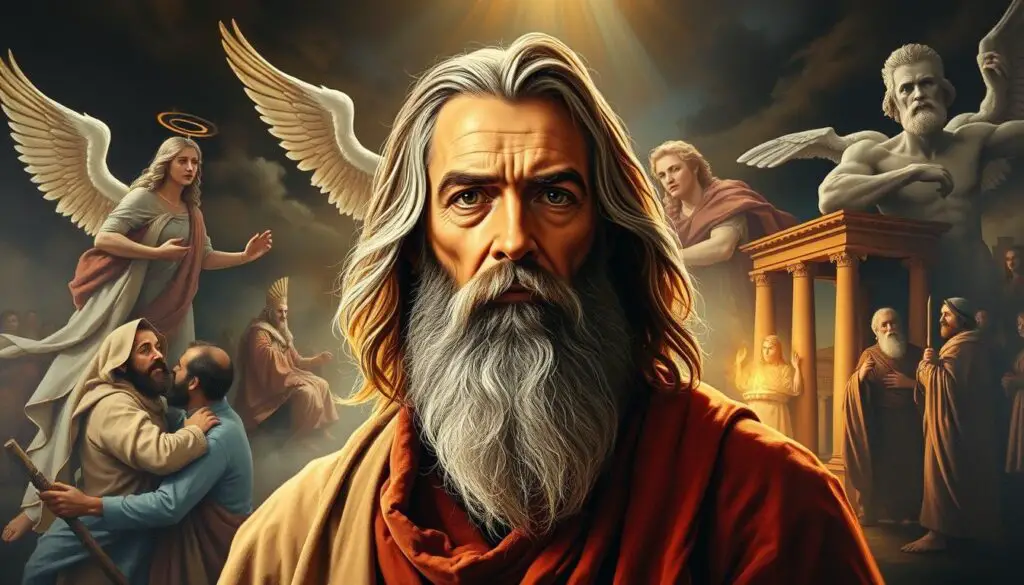
Prophet's life milestones

At fourteen, his First Vision in 1820 changed everything. He claimed divine guidance to restore true Christianity. Three years later, angelic visits led him to ancient golden plates. By 1827, he began translating what became the Book of Mormon—a process completed in just three months.

Personal trials shaped his journey too. He married Emma Hale in 1827, but their first three children died in infancy. Despite grief, he organized the Church of Christ in 1830. Membership grew rapidly, reaching 26,000 by his death in 1844.

Key events reveal his evolving role:

  • 1832: First presidential election vote as church leader
  • 1838: Escaped Missouri arrest during conflicts
  • 1844: Announced U.S. presidential campaign months before martyrdom

Through years of persecution, Smith maintained focus on community-building. His life wasn’t just a series of dates—it was a blueprint for turning faith into action. Each milestone shows how ordinary time can birth extraordinary change.

Life in Ohio: Building a Community of Faith

When early followers arrived in Kirtland, Ohio, in 1831, they found more than a new home—they discovered a proving ground for their faith. This bustling town became the first organized headquarters for the growing movement, where members church efforts shifted from survival to sacred construction.

Kirtland Temple Dedication

The 1836 dedication of the Kirtland Temple marked a turning point. Over 900 believers gathered as Joseph Smith led ceremonies filled with singing and prayer. Witnesses reported visions of angels and flames appearing above the spire. One journal entry captures the moment:

“The air seemed thick with holiness—like heaven itself approved our work.”

Aspect Construction Details Spiritual Significance
Materials Local sandstone & hand-cut wood Symbolized member unity
Design Two assembly halls Enabled teaching & worship
Timeline 3 years (1833-1836) Test of community endurance

Manifestations of Spiritual Gifts

Ohio years saw extraordinary spiritual claims. Members reported healing blessings, prophetic dreams, and speaking in ancient languages. These experiences strengthened their belief in Jesus Christ latter-day revelations.

Dedicated men led construction crews while women organized food and clothing drives. Membership tripled to 2,000 by 1837. This growth created a template for future settlements—blending practical work with mystical experiences.

The Ohio period showed how shared purpose could turn strangers into spiritual family. These events set expectations for greater miracles as the community prepared for its next challenge: westward expansion.

Transition to Missouri: Trials and Community Resettlement

Relocating a faith community often tests both hope and resilience. In 1831, members of the Church of Jesus Christ of Latter-day Saints moved to Missouri, seeking a promised Zion. Their arrival sparked immediate tensions with locals wary of their rapid growth and distinct beliefs.

Joseph Smith declared Independence as the “center place” for their spiritual homeland. This vision energized followers but alarmed neighbors. One settler wrote:

“Their talk of Zion felt like a threat—like they aimed to claim the land as theirs alone.”

Three flashpoints ignited violence:

  • Economic competition over land purchases
  • Political fears about bloc voting
  • Religious distrust of new doctrines

Mobs destroyed homes and printing presses in 1833. Families fled across the Missouri River, carrying belongings in wagons. A father of four later recalled burying family Bibles to protect them from destruction.

Event Date Impact
Independence Riots 1833 Forced evacuation from Jackson County
Extermination Order 1838 State-sanctioned expulsion

The struggles strained relationships. Some brothers disagreed on whether to fight or flee. These fractures tested Smith’s leadership as he balanced revelation with practical survival.

By 1839, the community regrouped in Illinois—wiser, but still clinging to their vision. Missouri’s trials became a crucible, forging tighter bonds among those who stayed faithful.

Navigating Political and Social Turmoil in the Early Church

Building a new faith meant facing storms of opposition. The early church’s rapid growth sparked fear among neighbors and politicians. Mob violence became common, with attackers targeting meetinghouses and leaders. In 1832, a group dragged Joseph Smith from his home, tarring and feathering him in an attempt to silence his message.

Political tensions escalated as the church’s influence grew. Local officials feared its voting power, while rumors about unique doctrines fueled distrust. One newspaper editor wrote:

“Their unity threatened our way of life—we saw them as invaders, not neighbors.”

By 1844, Smith took a bold step: he launched a presidential campaign. His platform promised religious liberty and prison reforms. Supporters saw it as a bid for protection, while critics called it a power grab. The move highlighted the church’s struggle to find safety in a hostile nation.

Key events tested the community:

  • 1838 Missouri Extermination Order forcing mass evacuation
  • 1844 destruction of a critical printing press
  • Smith’s arrest on false charges weeks before his death

Despite chaos, the people adapted. They developed communication networks and fortified settlements. These trials didn’t just test faith—they shaped a resilient culture that still defines the church today.

Church Organization and the Foundations of the Priesthood

Organizing a religious community requires both divine inspiration and practical frameworks. Joseph Smith introduced a priesthood structure in 1831, dividing authority into two orders: the Melchizedek Priesthood for spiritual leadership and the Aaronic Priesthood for temporal duties. This system mirrored biblical models while addressing frontier America’s needs.

Sacred rituals became central to community life. Eternal marriage ceremonies, called sealings, promised families unity beyond death. One member described these rites as “binding heaven to earth through covenant chains.”

The practice of plural marriage emerged quietly in the 1840s. Smith taught that some men were called to take multiple wives as part of restoring ancient traditions. Though controversial, participants saw it as obedience to divine command rather than personal choice.

Priesthood Office Role Biblical Parallel
Apostle Global ministry New Testament disciples
Seventy Missionary work Luke 10:1-20
Bishop Local welfare Pastoral epistles

These innovations reshaped family dynamics and leadership. Some wives found empowerment through shared spiritual missions, while others struggled with jealousy. The system also deepened loyalty among male leaders entrusted with priesthood keys.

Though plural marriage ended publicly in 1890, its theological imprint remains. Modern temples still perform sealings, and lay priesthood service defines community life. What began as frontier experiments became enduring pillars of faith.

Mormon Creator: His Visionary Impact on Religious History

Religious landscapes shift when bold ideas meet unwavering conviction. Joseph Smith’s revelations introduced a fresh perspective on Jesus Christ, portraying Him as an active guide rather than a distant figure. This vision reshaped American spirituality by blending ancient texts with modern revelation—a fusion still felt today.

Central to this legacy are the books he translated. The Book of Mormon, published under his name, offered narratives of divine encounters in ancient America. Unlike traditional Bibles, it framed scripture as a living dialogue between heaven and earth. One historian noted:

“This text didn’t just tell stories—it invited readers to become part of them.”

Three ways Smith’s work transformed religious thought:

Aspect Traditional Christianity Smith’s Contribution
Scripture Sources Closed biblical canon Ongoing revelation
Community Structure Clergy-led hierarchy Lay priesthood model
Divine Communication Historical prophets Modern prophetic guidance

His teachings continue to thrive through global missionary efforts and temple practices. Over 150 million copies of the Book of Mormon circulate worldwide, making it among the most printed books in history. This enduring influence shows how one visionary’s quest can rewrite spiritual playbooks—and leave footprints across centuries.

Controversies and the Challenges of Leadership

Leading a growing religious movement often means facing storms of criticism. For Joseph Smith and his followers, debates over doctrine and governance tested their unity. These conflicts didn’t just challenge their beliefs—they reshaped the church’s identity in unexpected ways.

Polygamy Debate

The practice of plural marriage became a lightning rod for controversy. Introduced quietly in the 1840s, it divided members and outsiders alike. Critics saw it as a moral failing, while supporters viewed it as obedience to divine command. One journal entry from the era captures the tension:

“We knew the world wouldn’t understand—but heaven’s voice felt clearer than their shouts.”

Brigham Young later defended the practice as essential to spiritual growth. Though publicly abandoned in 1890, it left a lasting mark on the church’s identity.

Public Scrutiny and Opposition

External pressures intensified as the church grew. Political leaders feared its voting power, while newspapers mocked its teachings. The 1844 destruction of a critical printing press led to Smith’s arrest and eventual martyrdom.

Challenge Response Outcome
Polygamy criticism Doctrinal reaffirmation Strengthened member loyalty
Political attacks Westward migration Expanded influence

Brigham Young’s leadership after Smith’s death proved pivotal. His decision to lead followers to Utah turned crisis into opportunity, cementing the church’s survival. These controversies remind us that visionary leadership often walks hand-in-hand with conflict—and that legacy is written by those who endure the fire.

Enduring Teachings: Doctrines, Revelations, and Practices

How do ancient rituals meet modern faith? Joseph Smith’s teachings blended divine revelations with structured practices, creating a spiritual framework that thrives today. Central to this legacy are the Doctrine and Covenants—a collection of revelations guiding church governance—and temple ceremonies seen as gateways to eternal promises.

Temple practices like endowment rituals and family sealings remain cornerstones of worship. These ceremonies use symbolic actions to teach core beliefs about humanity’s divine potential. “The ceremonies connect us to heaven’s promises,” one member shared. “They’re not just rituals—they’re journeys.”

Core Doctrine Source Modern Practice
Eternal Families Doctrine & Covenants 132 Temple sealings
Baptism for the Dead 1 Corinthians 15:29 Proxy ordinances
Word of Wisdom 1833 revelation Health code adherence

Smith’s systematic approach to revelation allowed doctrines to evolve while keeping roots firm. Missionary training programs, for example, adapt 19th-century teaching methods to digital age tools. This balance ensures traditions feel alive rather than frozen in time.

Weekly sacramental services and lay leadership roles reinforce community bonds. These practices turn abstract beliefs into daily habits—like service projects mirroring early church welfare systems. Through trial and inspiration, Smith’s vision became a faith that honors its past while stepping boldly forward.

Legacy and Influence on Latter-day Saints and Beyond

How does one man’s spiritual quest ripple across continents and centuries? Joseph Smith’s teachings now guide over 17 million Latter-day Saints worldwide, with temples from Ghana to the Philippines. His emphasis on personal revelation and family bonds resonates in diverse cultures, proving faith can adapt without losing its core.

Modern adherents find identity through practices rooted in his vision. Temple ordinances, missionary service, and lay leadership create shared purpose across generations. A young member in Brazil shared:

“The church feels like a second family—one that connects me to something bigger than my hometown.”

Smith’s legacy sparks both devotion and debate. Scholars praise his community-building innovations while critiquing 19th-century social policies. Yet even critics acknowledge his impact on American spirituality. Three cultural markers trace back to his work:

  • Global humanitarian aid networks mirroring early welfare systems
  • Genealogy research fueled by baptism-for-the-dead doctrines
  • Distinctive choral traditions blending hymns with local musical styles

From Utah’s Capitol Hill to Congo’s meetinghouses, his influence defies borders. Over 100 new temples have opened since 2000, each a testament to enduring belief. As one historian noted: “Smith didn’t just found a church—he ignited a cultural engine that still powers communities today.”

His story reminds us that ideas outlive their creators. Whether through scripture study or service projects, millions keep turning his 19th-century revelations into 21st-century action.

Cultural and Historical Impact on American Religion

Religious movements often leave footprints far beyond their origin. Joseph Smith’s work reshaped the American spiritual world, blending frontier innovation with ancient traditions. His church’s emphasis on revelation and community-building carved a unique place in a nation already teeming with faiths.
cultural impact american religion

The church’s founding challenged 19th-century norms. Unlike established denominations, it claimed modern prophets and new scriptures—ideas that sparked both curiosity and conflict. One historian noted:

“This wasn’t just a new church—it was a reimagining of how faith could shape society.”

Three cultural shifts emerged:

  • A distinct American religious identity rooted in ongoing revelation
  • Communal practices like cooperative economics and temple rituals
  • Global missionary efforts spreading teachings worldwide

These innovations influenced politics too. Church settlements became voting blocs, while doctrines like plural marriage tested legal boundaries. Over time, the movement’s adaptability helped it thrive in the modern world, balancing tradition with social change.

Internationally, Smith’s teachings secured a place in global religious dialogues. Missionaries carried his vision across oceans, creating communities from Samoa to Sweden. Today, temples dot six continents—symbols of a faith that transformed from regional curiosity to worldwide force.

Smith’s legacy redefined religion’s role in culture. By merging spiritual fervor with practical organization, he proved faith could shape nations while touching individual hearts—a dual impact still felt in America and the world at large.

Conclusion

Joseph Smith’s journey—from a curious farm boy to the architect of a global faith—reveals how vision and perseverance can shape history. His early spiritual experiences, translation of ancient texts, and establishment of the LDS Church created a blueprint for modern religious movements. Through persecution, westward migrations, and doctrinal innovations, he built communities anchored in revelation and resilience.

While controversies like plural marriage and political conflicts marked his ministry, they also highlighted the complex interplay between faith and societal norms. Today, over 150 churches and denominations trace their roots to his teachings, each adapting his legacy to contemporary needs. From temple rituals to humanitarian efforts, these groups keep his vision alive through action.

Smith’s story invites us to reflect on how bold ideas can spark enduring change. As churches inspired by his work continue to grow worldwide, they carry forward a message of hope and divine connection. Whether through scripture study or community service, millions honor a legacy that began with one man’s quest for truth—proving that faith, when paired with courage, can build bridges across centuries.

FAQ

What was the significance of Joseph Smith’s First Vision?

Joseph Smith’s First Vision in 1820 marked the beginning of his prophetic calling. He reported seeing God the Father and Jesus Christ, who instructed him not to join existing churches. This experience became foundational for the Church of Jesus Christ of Latter-day Saints.

How did Joseph Smith obtain the golden plates?

According to historical accounts, Joseph Smith received the golden plates from an angel named Moroni in 1827. These plates, buried in a hill near Palmyra, New York, were later translated into the Book of Mormon through divine guidance.

Why did early members face persecution in Missouri?

Early members faced hostility in Missouri due to rapid growth, differing religious views, and political tensions. Their communal practices and opposition to slavery led to conflicts, culminating in forced resettlement and violent clashes like the 1838 Mormon War.

What role did Brigham Young play after Joseph Smith’s death?

Brigham Young became the church’s leader after Joseph Smith’s death in 1844. He organized the westward migration to Utah, established settlements, and solidified the church’s structure, ensuring its survival and expansion.

How did the Kirtland Temple influence early church practices?

The Kirtland Temple, dedicated in 1836, was a hub for spiritual experiences. Members reported visions, healings, and revelations there. It reinforced teachings about priesthood authority and communal worship, shaping early doctrines.

Why did the church practice polygamy during Joseph Smith’s time?

Polygamy was introduced as a doctrinal practice based on revelations Joseph Smith claimed to receive. It aimed to fulfill biblical principles and strengthen communal bonds. The church officially ended the practice in 1890 under U.S. legal pressure.

What lasting impact did the Book of Mormon have on religious history?

The Book of Mormon introduced unique teachings about Jesus Christ’s ministry in the Americas. It became a cornerstone of the faith, inspiring missionary work and shaping the church’s identity as a restoration of early Christianity.

How did Joseph Smith organize the church’s priesthood structure?

Joseph Smith established priesthood authority through revelations, dividing it into Aaronic and Melchizedek orders. This structure empowered lay members to lead congregations, perform ordinances, and spread teachings globally.

What challenges did the early church face in Ohio?

In Ohio, financial crises, internal dissent, and external opposition tested the community. Despite this, members built the Kirtland Temple and experienced spiritual growth, laying groundwork for future expansion.

How does the church honor Joseph Smith’s legacy today?

The Church of Jesus Christ of Latter-day Saints views Joseph Smith as a prophet who restored divine truths. His revelations, scriptures, and organizational efforts continue to guide worship, education, and global outreach programs.


Engage in Thoughtful Mormon Discussions: Understand the Faith


Exploring the beliefs and history of the LDS Church opens doors to meaningful conversations. Whether you’re curious about the Book of Mormon, Joseph Smith’s role in founding the faith, or how modern media portrays these topics, balanced dialogue helps uncover layers of truth.

Today, these conversations blend historical evidence with evolving perspectives. For example, debates about the Book of Mormon often reference early events like Joseph Smith’s interaction with scholar Charles Anthon. Official LDS essays and annotated sources provide a foundation for understanding these moments.

This article invites you to explore controversies and narratives with fairness. The newly created Overview Project, featuring 39 topic pages, offers insights into everything from ancient scripture to social media trends. By examining both faithful and critical viewpoints, we aim to deepen your grasp of the church’s journey.

Whether you’re a lifelong member or new to the topic, this space welcomes respectful inquiry. Let’s look at history, ask questions, and discover how diverse perspectives enrich our understanding of faith.

Key Takeaways

  • Balanced exploration of LDS history fosters deeper understanding.
  • Joseph Smith’s teachings remain central to modern discussions.
  • Official church essays provide critical context for debates.
  • Historical evidence and media insights shape today’s conversations.
  • Respectful dialogue bridges gaps between differing viewpoints.

Foundations of Mormonism and Its Debates

Understanding the roots of the Latter-day Saint tradition requires examining its sacred texts and pivotal moments. Central to these debates is the Book of Mormon, which believers view as a companion to the Bible. Early church documents reveal how events like Joseph Smith’s encounter with scholar Charles Anthon became cornerstones of faith narratives.

Historical Overviews and Foundational Texts

The Book of Mormon’s origins remain a focal point for both devotion and scrutiny. Some scholars highlight inconsistencies in its translation process, while defenders point to parallels with ancient Near Eastern traditions. As one early church leader stated:

“The record’s coming forth was nothing less than miraculous, a testament to divine intervention.”

Documents like the 1830 edition of the text and Joseph Smith’s personal journals offer glimpses into its creation. The so-called Anthon Affair—where Smith shared transcribed characters with linguist Charles Anthon—fuels debates about authenticity. Annotated LDS essays now address these topics openly, blending historical context with modern perspectives.

Key Figures from Joseph Smith to Modern Leaders

Joseph Smith’s role extends beyond founding the Church of Jesus Christ of Latter-day Saints. His teachings on priesthood authority and temple rituals continue to shape doctrine. Later leaders like Brigham Young and Russell M. Nelson have reinterpreted scripture to address social changes while maintaining core principles.

Critics often question how early practices, like treasure-digging folklore, influenced Smith’s revelations. Yet supporters argue his spiritual experiences align with prophetic patterns seen in biblical history. This tension between faith and critique remains central to understanding the church’s evolution.

Tracing the Evolution of Mormon Discussions

The story of the Book of Mormon’s creation has fascinated scholars and believers alike. Over time, debates about its origins have shifted from private journals to global digital platforms, blending historical records with modern analysis.

The Book of Mormon and Its Controversial Origins

Joseph Smith’s translation process remains a key focus. Early accounts describe him using seer stones—a method tied to treasure-digging practices common in his era. Critics argue this context challenges traditional narratives, while supporters see divine purpose in cultural adaptation.

Translation Theory Process Impact on Text
Tight Control Word-for-word divine dictation Emphasizes literal accuracy
Loose Control Smith’s cultural lens shaping language Highlights human-divine collaboration

Modern scholars use tools like textual analysis to explore ancient connections. As one researcher notes:

“Cracking the code requires understanding both 19th-century context and Near Eastern patterns.”

Revelation Shifts and Historical Revisions

The church has revised historical accounts over time. Early editions downplayed seer stones, while recent essays openly discuss them. These changes reflect evolving approaches to preserving faith while acknowledging complex evidence.

Social media amplifies debates about specific episodes. The 1827 Anthon transcript—a document Smith shared with scholars—still sparks questions about translation claims. Digital platforms let users compare original documents with modern interpretations instantly.

This ongoing dialogue shows how communities balance tradition with new discoveries. Through careful study and open conversation, deeper understanding emerges.

Fostering Open mormon discussions in the Faith Community

Modern faith communities thrive when diverse voices engage respectfully with core teachings. Digital platforms now offer spaces where believers and scholars examine LDS history through multiple lenses—from devotional perspectives to academic critique.

faith community dialogue

Engaging with Apologetics and Critical Perspectives

Podcasts like Radio Free Mormon and Mormonism Live dissect general conference talks and historical claims. A recent episode explored the 1827 Charles Anthon episode, comparing early accounts with modern interpretations. As one host noted:

“Truth emerges when we weigh evidence without dismissing sincere faith.”

Organizations like FAIR Mormon address controversial topics through annotated essays. These resources help members reconcile complex issues while strengthening their commitment to the Church of Jesus Christ of Latter-day Saints.

Utilizing Digital Platforms for Insight

Social media channels amplify conversations about the Book of Mormon’s origins and Joseph Smith’s revelations. Blogs analyze everything from seer stones to textual parallels with ancient Near Eastern writings. This table highlights key platforms shaping today’s debates:

Platform Format Key Focus
Podcasts Deep-dive episodes Historical analysis & doctrine
Blogs Essay-style posts Textual criticism
Social Media Threads & reels Current event reactions

YouTube creators blend visuals with document scans to “crack the code” of early church history. Meanwhile, Reddit forums host lively exchanges between lifelong members and curious newcomers. These interactions demonstrate how digital tools foster understanding across belief spectrums.

By balancing faithful perspectives with scholarly inquiry, communities create space for growth. As general conference addresses remind us, seeking truth requires both humility and courage.

Exploring Church Teachings, Apologetics, and Controversies

Navigating the intersection of official narratives and historical analysis reveals fascinating tensions within modern faith discourse. Annotated LDS essays and general conference talks often present differing perspectives when examined alongside sources like the CES Letter or Saints: The Standard of Truth.

Analyzing Annotated LDS Essays and Official Narratives

Church essays addressing topics like Joseph Smith’s plural marriages or the Book of Mormon translation process frequently omit key details found in original documents. Scholars compare these gaps to annotated versions that highlight:

  • Contradictions between early journal entries and modern summaries
  • Omitted cultural context about 19th-century treasure-digging practices
  • Nuanced interpretations of the Charles Anthon transcript episode

As one historian notes:

“Annotations act like X-rays—they show structural weaknesses in historical storytelling.”

Interpreting General Conference Talks and Church Responses

Recent general conference addresses often reinterpret past statements about race or polygamy without directly acknowledging earlier positions. This table contrasts analysis approaches:

Source Focus Historical Engagement
Official Essays Faithful framing Selective document use
Independent Scholars Contextual analysis Cross-referenced sources

Media coverage increasingly cites these discrepancies, challenging the Church of Jesus Christ of Latter-day Saints’ truth claims. Podcasts like Mormonism Live dissect how leaders balance tradition with modern expectations.

What does this mean for believers? Engaging evidence-based critiques fosters deeper understanding while testing assumptions about sacred narratives. The journey requires both courage and compassion.

Deconstructing Evidence: Scholarly Analysis and Artistic Reflections

Art and academia intersect powerfully when examining faith traditions. Visual storytelling offers fresh ways to engage with historical complexities, complementing textual analysis and archival research. Creative works like BYU Professor Anthony Sweat’s CES Letter series invite viewers to reconsider familiar narratives through symbolic imagery.

artistic critique LDS history

When Canvas Meets Controversy

Sweat’s artwork reimagines pivotal moments like Joseph Smith’s use of seer stones during the Book of Mormon translation. One painting overlays golden plates with 19th-century newspaper clippings about treasure digging—a nod to debates explored in the CES Letter. This visual approach mirrors scholarly efforts to “crack the code” of ancient claims through modern lenses.

Another piece depicts the Charles Anthon episode as a fragmented manuscript. The disjointed letters echo critiques about evolving church accounts of this event. As Sweat explains:

“Art allows us to hold multiple truths at once—faith and doubt, past and present.”

Artistic Theme Scholarly Parallel Historical Focus
Seer stone symbolism Translation theories Book of Mormon origins
Fragmented documents Textual analysis Anthon transcript debates
Layered timelines Cross-referenced sources Revelation shifts

Podcasts like Mormonism Live analyze how such art sparks dialogue beyond academic circles. Recent episodes highlight connections between Sweat’s work and annotated LDS essays addressing the same topics. Social media amplifies these conversations, with users sharing side-by-side comparisons of paintings and historical documents.

Honest inquiry—whether through brushstrokes or footnotes—strengthens understanding. The Church of Jesus Christ of Latter-day Saints benefits when members engage both heart and mind in their quest for truth.

A Look at Current Trends and Social Media Narratives

Digital platforms are reshaping how communities engage with religious teachings. Recent analyses of the April 2025 General Conference show how social media amplifies both praise and critique within hours. Podcasts like Radio Free Mormon dissect talks line-by-line, creating a “post-mortem” culture where members reinterpret messages collectively.

General Conference Post-Mortem and Digital Media Coverage

YouTube creators now stream live reactions to conference sessions, offering instant commentary. One viral video compared quotes from President Nelson’s 2025 address to 19th-century journal entries about the Church of Jesus Christ of Latter-day Saints. As a host noted:

“Every phrase gets magnified—like scripture under a microscope.”

Platform Role Example
TikTok Bite-sized critiques #TempleGarmentDebates
Podcasts Deep dives Anthon Transcript analysis
Twitter Real-time reactions General Conference hashtags

Social Media’s Role in Shaping Faith Discussions

Hashtags like #MeetingShapedScripture trended after users linked Brigham Young’s sermons to modern policies. Grassroots movements use Instagram reels to “unravel one curious detail” from historical documents, often challenging official narratives. These platforms give independent voices equal weight to church publications.

While some fear misinformation, others see opportunity. Viral threads about the Book of Mormon’s origins have driven traffic to annotated essays from both faithful and critical sources. This blend of tradition and digital innovation keeps conversations alive—and increasingly nuanced.

Conclusion

Examining layers of history and belief reveals how LDS Church narratives evolve through time. From the Anthon Affair to modern media critiques, debates about the Book of Mormon origins demonstrate tensions between tradition and evidence. Annotated documents and artistic interpretations help unravel curious details hidden in official accounts.

Digital platforms amplify these conversations, allowing fresh analysis of general conference talks and historical revisions. The Church of Jesus Christ of Latter-day Saints now faces questions about how its stories align with 19th-century contexts—like treasure-digging folklore influencing early revelations.

This journey invites reflection: What truths emerge when we balance faith with scholarly rigor? Respectful dialogue remains vital for communities tracing book claims through shifting cultural landscapes. Whether you approach these topics as a believer or skeptic, thoughtful exploration deepens understanding.

Let’s continue seeking clarity with open minds. Every artifact, essay, and social media thread adds pieces to this intricate puzzle—bridging past mysteries with modern inquiry.

FAQ

What sparked debates about the origins of the Book of Mormon?

Discussions often focus on Joseph Smith’s translation process, the Charles Anthon affair, and claims of ancient origins. Scholars analyze linguistic patterns, historical context, and archaeological evidence to explore these questions.

How has the LDS Church addressed historical controversies?

The Church of Jesus Christ of Latter-day Saints released annotated essays on topics like polygamy, race, and translation methods. These aim to provide transparency while reaffirming faith in scripture and prophetic leadership.

What role does social media play in modern faith discussions?

Platforms like podcasts, blogs, and YouTube foster dialogue on topics such as general conference talks, policy changes, and historical issues. They amplify both apologetic and critical perspectives, shaping public understanding.

Why is the CES Letter significant in current debates?

This document compiles questions about LDS history, doctrine, and scripture. It’s widely shared online, prompting responses from apologists and influencing how members engage with challenging topics.

How do artistic portrayals impact views of church history?

Films, books, and art exploring events like the First Vision or westward migration often humanize figures like Brigham Young. They spark conversations about legacy, truth, and cultural memory within the faith community.

What are “revelation shifts” in LDS teachings?

Changes like ending polygamy (1890) or reversing racial priesthood bans (1978) reflect evolving doctrinal interpretations. These shifts are studied to understand how prophecy and policy intersect over time.

How can one respectfully engage in tough faith conversations?

Experts recommend balancing empathy with evidence, using church-approved resources, and acknowledging nuance. Open dialogue often involves exploring apologetic arguments alongside historical-critical analysis.

Uncover the Secrets of Mormon Island in California


Nestled along the banks of the American River, this historic destination blends rich Gold Rush-era roots with modern outdoor adventures. Once a bustling hub for pioneers, the area now thrives as a scenic escape offering hiking trails, water activities, and family-friendly amenities. Its transformation from a 19th-century settlement to a vibrant state recreation area makes it a unique stop for history buffs and nature lovers alike.

Visitors today enjoy well-maintained camping facilities, with easy reservations available for tents and RVs. The location’s proximity to Interstate 80 adds convenience, making it ideal for weekend getaways or spontaneous day trips. Whether casting a line into tranquil waters or exploring shaded picnic spots, the park caters to diverse interests.

Community events and guided tours highlight the region’s heritage, while sunset views over the river create unforgettable memories. With amenities like swimming beaches and interpretive trails, every visit combines relaxation with discovery.

Key Takeaways

  • Discover a historic site turned modern state recreation area with year-round appeal.
  • Enjoy hassle-free camping thanks to streamlined reservation systems.
  • Explore fishing spots, swimming areas, and scenic trails perfect for families.
  • Learn about Gold Rush history through landmarks and educational programs.
  • Experience quick access from major highways for stress-free travel planning.

Discover the Rich History and Legacy of Mormon Island

Gold Rush travelers first recognized this riverside location’s potential in the 1850s. Pioneers escaping harsh winters found shelter here, leaving behind stories etched into the land. Their temporary camp evolved into a cultural crossroads, shaping the region’s identity.

Early Beginnings and the Mormon Emigrant Heritage

Originally a seasonal refuge, the site served exhausted pioneers regrouping before westward journeys. Artifacts like wagon ruts and journals reveal their resilience. One diary entry notes, “This place offered rest when the trail seemed endless.”

Evolution into a Beloved State Recreation Area

The Nebraska Game & Parks Commission reimagined the space starting in the 1960s. They added modern campsites and convenient restrooms while protecting historic landmarks. Today’s visitors enjoy:

Feature Past Present
Shelter Canvas tents RV hookups
Waste Management Open pits Sanitary dump stations
Water Access River only Drinking fountains

This blend of old and new makes the area unique. Rangers lead tours explaining how pioneers’ campfires once flickered where families now roast marshmallows. The Game Parks Commission’s work ensures history stays alive through every modern convenience.

Experience the Attractions and Amenities at Mormon Island SRA

Visitors to this state recreation area discover endless ways to connect with nature. Whether casting a line into calm waters or paddling across sunlit lakes, the park blends adventure with relaxation. Families and solo explorers alike find something to love here.

fishing and boating activities at state recreation area

Recreational Activities: Fishing, Swimming, and Boating

Anglers praise the stocked lakes for fishing opportunities year-round. Lake 1 features handicap-accessible docks, making it easy for everyone to join the fun. Swimmers enjoy clean beaches with lifeguards during peak seasons.

Boaters can choose between kayaks, canoes, or motorized vessels. The Nebraska Game & Parks Commission ensures safe conditions for all water activities. Don’t forget your sunscreen!

Camping Facilities, Dump Stations, and Modern Conveniences

Campers appreciate upgraded amenities like modern restrooms and hot showers. RV users benefit from dump stations and electrical hookups. Spacious sites accommodate tents and large vehicles comfortably.

Picnicking, Wildlife Viewing, and Nature Walks

Shaded picnic tables and shelters make lunches effortless. Spring brings thousands of sandhill cranes—a must-see for wildlife enthusiasts. Trails wind through meadows and along waterways, perfect for spotting deer or herons.

Regular events hosted by the park teach about local ecology and history. After exploring, Grand Island’s restaurants and shops are just minutes away for added convenience.

Plan Your Visit: Essential Tips and Reservation Insights

Planning a trip to this historic riverside destination? A little preparation ensures you’ll maximize your time exploring trails, waterways, and heritage sites. Let’s break down the key details for seamless camping and navigation.

Reservation Processes and Camping Guidelines

Securing your spot is straightforward. The Nebraska Game & Parks Commission allows bookings up to 180 days in advance online or at designated kiosks. Follow these steps:

  • Visit the official website to check availability for tents, RVs, or group areas.
  • Pay fees upfront—rates vary by site type and season.
  • Arrive by 4 p.m. on your check-in day to guarantee your reservation.

Late arrivals risk losing their spot after 4 p.m. All campers must check out by 2 p.m. to accommodate incoming guests. Rangers monitor a central station for assistance with permits or questions.

Access Information, Directional Tips, and Nearby Services

Located just off Interstate 80, the park is easy to reach. Use GPS coordinates for precise navigation to campground entrances. Early arrivals snag prime sites near water access points and showers.

Don’t miss these nearby attractions:

  • Local diners serving hearty post-hike meals
  • Bait shops stocked with fishing gear
  • Scenic overlooks perfect for sunset photos

Modern dump stations and potable water outlets keep RVs running smoothly. Remember: Pack out trash and respect quiet hours to maintain the park’s peaceful vibe for all campers.

Conclusion

From Gold Rush roots to modern-day adventures, this state recreation area masterfully bridges past and present. Its transformation from pioneer campground to a hub of outdoor activities offers something for every season—whether casting lines into the lake or hiking trails lined with historical markers.

Families thrive here thanks to well-planned amenities like shaded picnic tables and clean swimming beaches. The location’s proximity to major highways makes spontaneous day trips effortless, while RV hookups and dump stations cater to extended stays.

Explore thousands of acres teeming with wildlife or unwind by the water during golden sunset hours. Before packing your gear, check the park’s official website for event schedules and reservation tips. Every detail—from its rich heritage to modern comforts—creates a destination where history and nature share the spotlight.

Ready to experience it? Plan your visit today and discover why this state treasure remains a favorite year after year.

FAQ

What historical significance does the area hold?

The site honors its roots as a Gold Rush-era settlement, shaped by Mormon pioneers. Over time, it evolved into a protected space managed by the Nebraska Game and Parks Commission, blending history with outdoor recreation.

Are reservations required for camping?

Reservations are recommended, especially during peak seasons. You can book campsites online through the Nebraska Game and Parks Commission website or contact their office for assistance.

What amenities are available for day visitors?

Day-use areas include picnic tables, restrooms, and access to swimming spots. Wildlife viewing trails and fishing opportunities along the lake make it ideal for family outings or solo adventures.

Is there a dump station for RVs?

Yes! The campground offers a dump station, along with modern restrooms and showers. These conveniences ensure a comfortable stay for campers with RVs or trailers.

Can I bring my pet to the recreation area?

Pets are welcome but must remain leashed. Please clean up after them and respect wildlife habitats to maintain the park’s natural beauty for all visitors.

What activities are popular here?

Fishing, boating, and swimming top the list. The lake attracts anglers year-round, while shaded picnic areas and nature trails appeal to those seeking relaxation or exploration.

Are there entrance fees?

A daily vehicle permit is required, with discounts for annual passes. Fees support park maintenance and conservation efforts, ensuring future generations can enjoy the space.

What’s the best time to visit?

Spring and fall offer mild weather for hiking and wildlife spotting. Summer is perfect for water activities, though mornings and weekdays tend to be less crowded.

Unlock the Secrets to Iconic Mormon Hair


Have you ever noticed how certain looks seem to carry a quiet confidence? Across communities, personal style often reflects deeper values – and modest fashion holds special significance in some traditions. While many groups prioritize simplicity, there’s an art to balancing elegance with cultural identity.

Historical influences shape modern trends more than you might think. From pioneer-era practicality to today’s polished waves, hairstyles often whisper stories of resilience and community. These choices aren’t just about appearance – they’re woven into family life, moments of celebration, and daily routines.

This guide will show you how to create looks that honor tradition while staying fresh. Discover techniques used by stylists from New York to Salt Lake City, learn maintenance tips for busy schedules, and find ways to adapt classic shapes to your unique texture. You’ll even spot subtle nods to these styles in popular TV series and red-carpet events!

Key Takeaways

  • Cultural values often inspire modest yet polished aesthetic choices
  • Historical influences blend with modern trends in meaningful ways
  • Hairstyle maintenance can align with active family lifestyles
  • Celebrity looks sometimes adapt traditional elements subtly
  • Techniques work across various hair types and lengths

Introduction to the Iconic Hair Look

What if your look could reflect both tradition and personal flair? The iconic style celebrated in some communities combines polished yet purposeful aesthetics. It’s not just about appearance—it’s a visual language of values, worn with quiet pride.

Setting the Stage for Your Transformation

This signature look balances modesty with individuality. Members often choose styles that align with their faith while allowing creative expression. Think soft waves that frame the face or neatly trimmed cuts for men—details that say “prepared, not perfect.”

Why does this matter? Your grooming choices can honor heritage and highlight what makes you unique. A New York stylist who works with church members notes: “It’s about feeling confident without compromising beliefs.”

We’ll explore how to adapt these principles whether you’re styling for Sunday services or chasing toddlers. Discover time-saving tricks, products that last through busy days, and ways to refresh your look as life changes—like after having a baby or adjusting to new routines.

Ready to create a style that feels authentically you? Let’s begin.

The Cultural Significance of Hair in the Mormon Community

Style choices often carry deeper stories than what meets the eye. For many, grooming practices reflect a harmony between self-expression and shared values. These traditions aren’t rigid rules—they’re living customs that adapt while keeping core principles intact.

Modesty, Respect, and Personal Expression

Neat, polished looks serve as visual nods to cultural priorities. A Utah-based stylist shares: “Clients want styles that feel uplifted but never flashy—it’s about honoring their beliefs through details.” Soft layers or natural waves often strike this balance, offering versatility for school runs and Sunday services alike.

Parents frequently teach these values early. Simple braids or trimmed cuts become tools for discussing respect with children. As one mother explains: “It’s not just about looking nice—it’s showing care in how we present ourselves.”

Faith and Fashion in Daily Life

Cultural influences shape routines in practical ways. Many choose low-maintenance cuts that withstand busy days filled with work or volunteering. Time-saving tricks like heatless curls or air-dried textures keep things efficient without sacrificing polish.

Historical roots still inform modern choices. Victorian-era hair art, where locks were woven into jewelry, echoes today’s emphasis on meaningful personal keepsakes. While trends evolve, the focus remains on looks that feel intentional yet effortless—a testament to enduring values.

Exploring Historical Mormon Hair Art Traditions

What stories do our keepsakes whisper across generations? In the 1800s, early church members transformed strands into lasting memorials, weaving grief and love into intricate designs. These creations bridged the gap between earthly life and spiritual beliefs, becoming cherished symbols in homes and sacred spaces.

Victorian Hair Jewelry and Mourning Symbols

During Queen Victoria’s reign, lockets containing hair became wearable memories. Pioneers adapted this practice, crafting brooches and rings to honor loved ones lost on harsh trails. A curator at the Church History Museum notes: “Each twist of wire held unspoken stories—a mother’s braid, a child’s first curl.”

Mourning pieces often featured symbolic shapes:

Design Meaning Material
Willow branches Eternal life Human hair + gold
Anchor motifs Steadfast faith Horsehair + silver
Flower wreaths Community bonds Multiple donors’ hair

Relics, Hair Wreaths, and Their Cultural Narratives

Families displayed hair wreaths like woven family trees, often near hearths or temple garments. One relic at Brigham Young’s Winter Home contains hair from 12 handcart company survivors—their resilience preserved in coiled patterns.

Modern artists now revive these techniques for new reasons. Salt Lake City’s annual Art Through Time series recently featured contemporary hair art, sparking fresh conversations about body, memory, and legacy. As one creator shared: “We’re still finding ways to carry the past forward.”

Modern Expressions: Utah Curls and Pop Culture Trends

When television meets real-life style, magic happens. A recent Hulu series spotlighted Utah-based stylist Jessi Ngatikaura, whose signature “soft bounce” waves became an overnight sensation. Viewers flooded social media with comments like “How do I get my hair to look like that?”, sparking tutorials with millions of views.

Popularization Through TV and Social Media

The show’s relatable family-focused scenes made styling accessible. Ngatikaura’s technique—using 1.25-inch curling irons and flexible hold spray—works for school pickups or date nights. One fan posted: “My husband said it’s the first time my curls lasted through choir practice AND grocery shopping!”

Design Inspiration Tools
Victorian braids Historical modesty Hairpins + beeswax
Modern beach waves Social media trends Curling wand + texturizer
Utah curl TV influencers Heat protectant + finishing spray

Celebrity-Inspired Hairdos and Influencer Insights

Red carpet looks now borrow from these polished-yet-practical styles. Stylists recommend men try textured crops with matte paste for a fresh update. Ngatikaura shares: “The key is finding what makes you feel confident—whether that’s a bold wave or a simple set.”

From pioneer-era braids to TikTok tutorials, the thread remains: intentionality. As one wife commented online: “It’s not just a hairstyle—it’s how I show up for my people.”

How to Achieve the Perfect Utah Curl

Mastering the Utah curl starts with understanding its signature bounce and polish. This look combines effortless volume with structured waves that hold through long days. Let’s break down the process so you can recreate it at home, even if you’re new to styling tools.

Step-by-Step Curling Techniques

Begin with clean, dry locks. Stylist Jessi Ngatikaura recommends 1.25-inch iron barrels for natural-looking waves. Section your hair into four parts, clipping the top layers away. Hold the iron vertically, clamping mid-length strands.

Twist the iron away from your face as you glide it downward. Count to eight—this timing prevents frizz while sealing the wave pattern. Release gently, letting the curl cool before touching it. Repeat this method, working from the nape upward.

Finishing Touches for a Long-Lasting Wave

Once all sections are curled, rake your fingers through the waves. This softens the shape while maintaining volume. Apply a light-hold spray in a “X” pattern across your head—this technique locks styles without stiffness.

For extra staying power, wrap sections around a velcro roller while cooling. Ngatikaura notes: “The secret isn’t product quantity—it’s strategic application.” Those with longer lengths can secure ends with discreet pins for added lift.

Tool Purpose Pro Tip
Curling Iron Creates wave base Use 375°F max heat
Heat Protectant Shields strands Apply to damp hair
Wide-Tooth Comb Separates curls Comb downward only
Flexible Hairspray Sets style Hold 10″ from head

Practice makes progress—don’t stress if your first attempt isn’t salon-perfect. One comment on Ngatikaura’s tutorial said: “By my third try, I finally got that effortless Utah bounce!” With patience, you’ll find a rhythm that works with your texture and schedule.

Essential Tools for Your Iconic Hair Look

The right tools transform good styles into lasting statements. Whether preparing for Sunday services or family photos, professional-grade results begin with intentional choices. Let’s explore the essentials that balance tradition with modern performance.

essential hair tools

Recommended Curling Irons and Styling Products

Salt Lake City stylist Emma Ricks emphasizes: “Quality tools save time and protect your strands.” Her clients—including busy parents and members church volunteers—rely on these picks:

Tool Best For Expert Pick
1.25″ Curling Iron Utah curl definition Bio Ionic Smart-X
Heat Protectant Shielding delicate strands T3 Turn Up The Heat
Flexible Hold Spray All-day bounce Drybar Southern Belle

Lightweight irons like the Bio Ionic Smart-X reduce arm fatigue—a game-changer for moms styling during a child’s nap. Ricks notes: “Its ceramic barrel creates shine without frying lengths.”

Social media posts often highlight the Drybar spray’s dual action. One wife commented: “It holds my waves through school drop-offs but brushes out easily.” For natural body, try texturizing powders that add grip without sticky residue.

Invest in tools that grow with your routine. The T3 protectant works on damp hair before blowouts or dry strands before curling—perfect for evolving needs. As trends shift (remember the viral series on heatless waves?), these staples remain relevant.

Caring for mormon hair: Tips and Techniques

Healthy locks begin with mindful habits that blend practicality with care. For many, maintaining polished styles isn’t just about aesthetics—it’s a way to honor personal values while managing busy schedules. Let’s explore routines that keep strands strong and styled.

Daily Maintenance and Protective Strategies

Start with gentle cleansing. Utah stylist Mara Jensen advises: “Wash roots first, then let shampoo rinse through ends—this prevents over-drying.” Use lukewarm water to maintain natural oils, and always follow with conditioner focused on mid-lengths.

Protective styling matters. Try these methods:

  • Braids or loose buns for sleep
  • Silk scrunchies to reduce breakage
  • Heat tools only on dry strands

Many members choose products that multitask. A lightweight oil can smooth flyaways while adding shine—perfect for quick touch-ups before church services. One mother shared in a social media comment: “I keep a travel spray in my diaper bag—it’s my secret for post-playdate polish.”

Product Type Purpose Culture-Friendly Pick
Leave-in Conditioner Detangles + protects Pureology Colour Fanatic
Dry Shampoo Extends style life Batiste Hint of Color
Scalp Serum Promotes growth Briogeo Ginseng Blend

Balance is key. Schedule weekly deep-conditioning sessions during family movie nights. As one wife noted: “It’s my way to rest while caring for myself—the kids think I’m just doing fancy ‘head stuff’!” These small acts reinforce both beauty routines and home life harmony.

Balancing Tradition and Modernity in Hair Styling

How do we honor the past while embracing the future? This delicate dance shapes style choices in communities valuing both heritage and individuality. The answer often lies in creative adaptation—preserving core principles while welcoming fresh interpretations.

Victorian-era hair jewelry, once crafted to memorialize loved ones after death, inspires modern keepsakes. Today’s artists weave locks into art pieces celebrating relationships rather than loss. A recent church event displayed contemporary hair wreaths alongside historical relics, highlighting this evolving love for meaningful craftsmanship.

Modern members navigate tradition through subtle updates. Softened braid patterns or textured crops maintain modesty while nodding to current trends. As one stylist commented: “It’s about carrying the weight of history without feeling dated.” Social media buzzes with tutorials merging pioneer-era techniques with heat tools—like silk-ribbon accents on beach waves.

  • Reimagined historical updos using flexible hold sprays
  • Men’s styles blending 19th-century neatness with modern matte finishes
  • Intergenerational workshops teaching hair art as family bonding

The church community often shares this perspective online. A viral TikTok video showing great-grandmother-granddaughter styling sessions received comments like: “This is how traditions stay alive—by making them part of our story.” Whether through heirloom combs or trending products, the relationship between past and present remains beautifully intertwined.

Tips for Long and Stylish Hair for Both Men and Women

Stylish locks require strategy, not just scissors. Whether you’re chasing kids or leading meetings, your look should work as hard as you do. Let’s explore how to keep lengths polished without sacrificing time or personal values.

Men’s Grooming: Sharp Yet Simple

For longer styles, texture is key. Salt Lake barber Tyler Cole suggests: “Use matte paste to add grit—it keeps strands neat without looking stiff.” Trim every 6-8 weeks to maintain shape around ears and collars.

Busy dads love dry shampoo for quick refreshes. One father commented online: “It’s my secret between work and soccer practice.” Try lightweight oils to tame flyaways during humid summers.

Women’s Styling: Effortless Elegance

Layered cuts add movement to thick locks. Stylist Jenna Lee from the Hulu series advises: “Twist small sections while blow-drying—it creates natural volume that lasts.” Silk scrunchies prevent breakage during workouts or chores.

Tool Purpose Best For
Wide-tooth comb Detangle wet hair Curly textures
Travel steamer Refresh styles Business trips
Velcro rollers Add lift Flat roots

At home, air-dry with a loose braid for beachy waves. A Utah mother shared: “This sets while I pack lunches—two tasks done!” Modern trends meet practicality when you focus on versatile techniques over fleeting fads.

Expert Advice: Simple Steps for a Stylish Finish

What separates a good style from a great one? Professional stylists agree: small adjustments often make the biggest difference. Whether prepping for Sunday services or casual gatherings, these tips help avoid common mishaps while boosting confidence.

stylish hair finish

Common Pitfalls and How to Avoid Them

Over-styling tops the list of mistakes. Utah stylist Leah Carter notes: “Less product creates more natural movement—start with a dime-sized amount and build.” For curls that hold without stiffness, apply heat protectant to damp strands before blow-drying.

Many struggle with product buildup near the crown. A quick fix? Use dry shampoo at the roots before bed. This absorbs oils overnight, giving volume that lasts through morning errands. One member church volunteer shared: “This trick saved my updo during back-to-back meetings!”

Mistake Quick Fix Tool
Flat ends Twist sections while curling 1.25″ iron
Frizzy layers Cold air blast post-styling Hair dryer
Over-spraying Hold can 10″ away Flexible hold spray

Social media posts often highlight time-saving wins. A popular series on faith-friendly fashion recommends pre-styling rituals like scalp massages to boost shine. As one wife commented: “Taking two minutes to detangle properly changed my relationship with morning routines.”

Remember—great style celebrates life’s moments without overshadowing them. Focus on techniques that enhance your natural beauty while honoring personal values. After all, confidence always outshines perfection.

Conclusion

Every strand tells a story of heritage and personal flair. From Victorian-era keepsakes to modern Utah curls, styling choices weave cultural values with fresh creativity. The balance of tradition and innovation shines through time-saving techniques and adaptable tools that work for busy days.

Whether you’re a parent mastering heatless waves or refining a polished look for church events, these methods honor identity while fitting real-life rhythms. Remember: great style isn’t about perfection—it’s expressing care in how you present yourself to the world.

Try one tip this week, like using silk scrunchies or strategic hairspray. Share your results in the comments—we’d love to hear how these ideas fit into your routine. After all, the way you style isn’t just about appearance. It’s a quiet celebration of who you are and where you’ve come from.

Ready to make every moment count? Grab your favorite tools, embrace the journey, and let your look speak volumes—without saying a word.

FAQ

Why does hair hold cultural importance in certain faith-based communities?

Hair often symbolizes values like modesty, respect, and identity. In some traditions, it reflects spiritual commitment or serves as a quiet expression of personal beliefs alongside cultural norms.

What historical practices influenced styling traditions in religious groups?

Victorian-era customs, such as creating jewelry from locks of loved ones’ strands, shaped sentimental and symbolic approaches. These art forms often honored relationships or memorialized life events within communities.

How did Utah-based waves become a trending style?

Social media and TV shows highlighted voluminous, bouncy curls tied to regional aesthetics. Influencers and celebrities further popularized the look, blending classic techniques with modern flair.

What tools are essential for achieving defined, lasting curls?

A high-quality curling iron with adjustable heat settings, lightweight mousse, and a flexible-hold hairspray work best. Thermal protectants and texturizing sprays also help maintain vibrancy.

How can individuals balance traditional grooming with contemporary trends?

Many opt for timeless cuts that align with cultural expectations while experimenting with subtle layers or accessories. The key is honoring heritage without sacrificing personal creativity.

Are there specific care routines for maintaining healthy, long locks?

Regular trims, sulfate-free shampoos, and overnight protective styles (like loose braids) prevent breakage. Satin pillowcases and minimal heat styling also preserve strength and shine over time.

What common mistakes should beginners avoid when styling waves?

Overloading products can weigh strands down, while uneven sectioning leads to inconsistent results. Always start with clean, dry hair and test iron temperatures to prevent damage.

Explore the Mormon Population Across the U.S. States


How does religious affiliation vary across America? This article dives into the demographics of one of the country’s most well-known faith communities. With over 16 million global members, The Church of Jesus Christ of Latter-Day Saints has a strong presence in the United States. Let’s uncover where its followers live and what makes these regions unique.

You’ll discover how areas like Utah, California, and Idaho compare in membership numbers. Historical roots and modern migration patterns both play a role in today’s distribution. We’ll also explore how cultural hubs and economic opportunities shape where people settle.

By blending statistics with regional insights, this guide offers a clear picture of current trends. Whether you’re curious about community growth or cultural influences, you’ll find answers here. Let’s begin our journey through the data!

Key Takeaways

  • Utah remains the epicenter of this faith community, with the highest membership per capita.
  • States like Idaho and Arizona show steady growth due to historical ties and economic factors.
  • California hosts one of the largest total numbers of members despite lower density.
  • Regional migration trends continue to shape demographic shifts nationwide.
  • Understanding these patterns helps explain cultural and social dynamics in key areas.

Understanding the Roots of Mormonism

What sparked the growth of a faith that now spans continents? It began with a young farmer’s spiritual quest in 1820s New York. Joseph Smith, the founding prophet of The Church of Jesus Christ of Latter-day Saints, reported divine visions that led to translating ancient records—later published as the Book of Mormon.

Origins and the Role of Joseph Smith

At age 24, Smith formally organized the Church of Jesus Christ in 1830. Followers believed he restored Christianity’s original teachings through revelations. His work included translating gold plates into scripture, which members view as complementary to the Bible.

Persecution forced early believers westward. After Smith’s death in 1844, Brigham Young led thousands to Utah. This journey—called the Mormon Exodus—shaped the faith’s identity and geographic focus.

The Book of Mormon and Early Revelations

Central to the faith is the Book of Mormon, which details ancient American civilizations and Christ’s teachings there. Unlike mainstream Christian branches, the church emphasizes modern prophets and ongoing revelation.

Early practices like communal living set the group apart. Today, these roots influence temple ceremonies and missionary work. The blend of ancient scripture and adaptive leadership keeps the Church of Jesus Christ thriving globally.

Mormon Population by State: Current Statistics and Trends

Recent demographic shifts highlight fascinating patterns in religious communities across America. Let’s explore where members of The Church of Jesus Christ of Latter-day Saints are concentrated today and what drives these distributions.

mormon population by state

States with the Largest Mormon Populations

Utah remains the undeniable heartland, with over 2 million members comprising 67.7% of its residents. But other regions also show significant numbers:

  • California: 734,377 members (1.9% of the state)
  • Idaho: 464,487 members (26.4%)
  • Arizona: 424,582 members (6.1%)

These figures reflect both historical roots and modern relocation trends. For example, Idaho’s high percentage stems from 19th-century settlements, while Arizona’s growth aligns with affordable housing and job markets.

Regional Statistical Analysis and Demographic Insights

Beyond raw numbers, density tells its own story. Nevada’s 182,729 members (6.2%) cluster near Las Vegas, influenced by economic opportunities. Meanwhile, Texas and Washington see steady increases due to missionary efforts and diverse economies.

“Cultural hubs often emerge where members establish schools, businesses, and community networks.”

Young families increasingly move to states like Idaho for lower living costs, while retirees favor Arizona’s warmer climate. These migrations reshape local cultures, from volunteerism rates to dietary preferences.

Analyzing the Distribution of Mormons Across U.S. Regions

The geographic spread of religious communities often tells a story of history and resilience. For The Church of Jesus Christ of Latter-day Saints, this narrative unfolds along a stretch of western states known as the “Mormon Corridor.” This region, shaped by 19th-century pioneers, continues to influence modern demographics and community dynamics.

The Western Corridor’s Historical Foundations

Brigham Young’s 1847 exodus to Utah laid the groundwork for concentrated settlements across neighboring territories. Today, Utah hosts over 620 congregations, while Idaho supports 130—reflecting deep-rooted ties.

States like Arizona and Nevada now see growth due to modern factors:

  • Affordable housing attracting young families
  • Retirees drawn to warmer climates
  • Tech job markets boosting relocation rates

These areas blend pioneer heritage with 21st-century opportunities.

Modern Communities and Their Influence

Local congregations act as social anchors. In Utah’s Cache Valley, 82% of residents participate in faith-based volunteer programs. Idaho’s Rexburg thrives with church-affiliated schools and businesses, creating a self-sustaining economy.

“Our wards [congregations] aren’t just places of worship—they’re networks that shape daily life.”

From food banks to youth initiatives, these groups drive civic engagement. Their presence impacts voting patterns, education systems, and even local agriculture. Historical migration routes still guide where new temples are built, connecting past and present.

Conclusion

From humble beginnings to modern-day communities, the story of The Church of Jesus Christ of Latter-day Saints reveals deep connections between faith and geography. Joseph Smith’s early revelations and pioneer migrations established cultural anchors across western states, creating what’s now known as the Mormon Corridor.

Today, Utah leads in membership density, while Idaho and Arizona see growth fueled by affordability and family networks. California hosts vibrant hubs despite lower percentages, proving diverse regions can become home to this global branch of Christianity.

These patterns shape local economies, education, and civic life. Temples and congregations serve as community pillars, blending tradition with modern needs. As migration trends evolve, so will the cultural footprint of this faith.

Understanding these dynamics offers insight into America’s religious landscape. Whether you’re tracing history or studying demographics, the journey of Latter-day Saints reminds us how beliefs and belonging shape our world. What changes might the next decade bring?

FAQ

How did Joseph Smith influence the growth of Mormonism?

Joseph Smith founded The Church of Jesus Christ of Latter-day Saints in 1830 after reporting visions and translating the Book of Mormon. His leadership established core beliefs and organized early communities, shaping the faith’s expansion.

Which states have the highest membership in The Church of Jesus Christ of Latter-day Saints?

Utah, Idaho, and Arizona lead in membership due to historical settlement patterns. Over 60% of Utah’s residents identify with the faith, making it the central hub for Latter-day Saints.

What is the Mormon Corridor?

The Mormon Corridor refers to areas in the western U.S., including parts of Utah, Idaho, Nevada, and Arizona, where early members settled. These regions still have strong cultural and religious ties to the Church today.

How does The Book of Mormon differ from the Bible?

The Book of Mormon is viewed as a companion scripture to the Bible by Latter-day Saints. It details ancient American civilizations and their interactions with God, complementing biblical teachings.

Are Latter-day Saint communities growing outside the western U.S.?

Yes! States like Texas, Florida, and Virginia have seen growth due to missionary work, migration, and outreach efforts. Smaller branches are also thriving in diverse urban areas nationwide.

What role do temples play in local communities?

Temples serve as sacred spaces for ceremonies like marriages and baptisms. They often become community landmarks, fostering unity and spiritual focus among members.

Discover the LDS Garden of Eden in Mormon History


Have you ever wondered how ancient scripture intersects with modern faith? For members of the Latter-day Saints, a unique connection exists between biblical narratives and tangible locations in America. One such place holds deep significance—the site believed to be the Garden of Eden, as revealed through early teachings.

According to historical records, Joseph Smith identified a location near Independence, Missouri (39.0997° N, 94.5786° W), as the original home of Adam and Eve. This revelation, documented in the 1830s, became a cornerstone of LDS heritage. The area symbolizes both spiritual beginnings and the faith’s pioneering efforts, later shaping communities like Salt Lake City.

Why does this matter today? The story isn’t just about theology—it’s about people. Early members faced challenges while establishing settlements tied to these sacred beliefs. Their journeys reflect a blend of divine guidance and human perseverance.

In this article, we’ll explore how scripture, history, and geography intertwine. From Joseph Smith’s visions to the practical realities of building a community, you’ll gain insights into a fascinating chapter of religious history.

Key Takeaways

  • The LDS Church connects the Garden of Eden to a specific site in Missouri, per Joseph Smith’s teachings.
  • This location (near Independence, MO) is tied to early 19th-century revelations and migrations.
  • Adam and Eve’s narrative is central to the theological significance of the area.
  • Historical efforts in the 1830s influenced later settlements, including Salt Lake City.
  • The story blends ancient scripture with modern LDS beliefs and community-building.

Introduction to the LDS Garden of Eden Story

Stories of beginnings often shape how communities view their purpose. For members of the Church of Jesus Christ, the account of humanity’s origins isn’t confined to ancient scripture—it’s tied to a physical place with spiritual weight.

Overview of the Garden Narrative

Early teachings describe a lush setting where Adam and Eve made pivotal choices. According to Joseph Smith, this story unfolded not in the Middle East but near modern-day Missouri. His 1830s revelation, later included in the Doctrine and Covenants, framed the area as a sacred starting point.

Leaders emphasized both literal and symbolic meanings. While some saw the location as a historical marker, others focused on its lessons about growth and redemption. This duality allowed believers to connect personally with the narrative.

Why the Story Remains Relevant Today

For many, the tale isn’t just about the past—it’s a reminder of divine guidance. As one member shared, “Understanding our roots helps us navigate modern challenges.” The account also underscores themes like family bonds and spiritual resilience.

Scriptural references, combined with Joseph Smith’s visionary leadership, keep the story alive. It bridges ancient teachings with contemporary faith, offering hope and direction in uncertain times.

Historical Context of the Garden Narrative in Early Mormonism

How do historical events shape spiritual beliefs? For early Latter-day Saints, their journey to Missouri in the 1830s wasn’t just about finding new land—it became a defining chapter in their faith’s story. Settlements in Daviess County and Jackson County anchored their vision of a sacred homeland, though tensions soon arose.

Early Church Migration and Settlement in Missouri

By 1831, members began relocating to Missouri, drawn by revelations about its spiritual significance. Joseph Smith described the area as a “center place” for believers. Jackson County initially served as a gathering spot, but conflicts over land and cultural differences led to forced evacuations by 1833. Many regrouped in northern counties like Daviess, where they established farms and communities.

Impact of the 1838 Mormon War

Hostilities peaked in 1838 when Missouri officials ordered Latter-day Saints to leave the state. The conflict, later called the Mormon War, saw skirmishes, property destruction, and arrests. Over 10,000 people were displaced during winter months. One settler wrote, “We trusted divine guidance, even when hope felt scarce.”

These events deepened the community’s connection to their beliefs. The trials in Missouri reinforced ideas of perseverance tied to sacred history. While physical settlements faded, their legacy shaped later teachings about faith amid adversity.

Origins and Significance of the Garden Narrative in LDS Theology

How do scriptural narratives shape a community’s understanding of its purpose? For Latter-day Saints, the story of humanity’s origins is deeply rooted in both ancient texts and modern revelation. This blend creates a unique theological framework that continues to guide believers today.

Scriptural Foundations and Early Revelations

The Doctrine and Covenants provides key insights into this narrative. Section 107:53-56 describes Adam gathering his posterity at Adam-ondi-Ahman, a location later identified by Joseph Smith. These passages connect ancient events to specific geographic sites in America.

Early teachings emphasized that Adam and Eve’s choices were part of a divine plan. As Prophet Joseph taught, their actions enabled spiritual growth through mortal experience. This perspective reframed the fall not as failure but as a necessary step toward redemption.

The Symbolism of Choices and Growth

LDS theology views Adam and Eve’s story through a lens of intentional design. Their decision to partake of the forbidden fruit is often called a “fortunate transgression” – a choice that allowed humanity to progress. This interpretation appears in teachings from Brigham Young to modern leaders.

Traditional View LDS Perspective
Fall as disobedience Fall as divine necessity
Focus on punishment Emphasis on agency
Static creation story Evolving spiritual journey

Historical records show how early members applied these ideas. Journals from the 1830s describe settlers reflecting on Adam’s legacy while building communities. One wrote, “We are heirs to the same promises – to labor and become.”

Exploring the mormon garden of eden: Beliefs and Location

Sacred spaces often anchor spiritual identity, blending physical landscapes with divine purpose. For early Latter-day Saints, locating the Garden of Eden wasn’t just symbolic—it became a tangible expression of their faith’s roots. This connection between doctrine and dirt shaped how communities viewed their role in a broader narrative.

garden eden location

Defining the Sacred Geography

LDS tradition pinpoints the site near Independence, Missouri (39.0997° N, 94.5786° W), as humanity’s first home. Early records describe it as a lush valley where Adam and Eve began their mortal journey. Joseph Smith taught that this land held dual significance: a historical marker and a future gathering place for believers.

Joseph Smith’s Teachings on the Site

In 1838, Smith identified Spring Hill—later renamed Adam-ondi-Ahman—as central to this sacred geography. He linked the area to prophecies in the Book of Mormon, stating it would host pivotal events before Christ’s return. Settlers documented his emphasis on its spiritual and practical value, calling it “a refuge and a revelation.”

The site’s coordinates weren’t arbitrary. Smith connected them to visions of Adam blessing his posterity there. This blend of revelation and real-world mapping gave members a concrete link to scriptural promises. Today, these teachings continue to shape how Latter-day Saints view their relationship to both earth and eternity.

Revelation and the Sacred Designation of Spring Hill

How do sacred spaces gain their meaning? For Latter-day Saints, Spring Hill’s significance stems from divine guidance. In April 1838, Joseph Smith announced a revelation renaming the area Adam-ondi-Ahman. This “name given of the Lord” (Doctrine and Covenants 116:1) transformed it into a spiritual landmark.

The Role of Divine Revelation in Site Designation

Smith’s teachings tied the site to ancient prophecies. He described visions of Adam returning before the second coming, fulfilling the phrase “days shall sit in council” (D&C 107:53). These revelations framed the location as both historical and prophetic.

Insights from Doctrine and Covenants

The Doctrine and Covenants anchors Spring Hill’s sacred status. Its verses connect the land to Adam’s final blessings and Christ’s future reign. Early members saw this as proof that God actively guided their community-building efforts.

When settlers dedicated the area in 1838, they viewed it through this dual lens—a place of past beginnings and future promise. Today, these teachings remind believers that revelation remains central to understanding sacred spaces. As one historian noted, “It’s not just about where we’ve been, but where faith can lead.”

The Historical Role of Adam-ondi-Ahman in Mormon History

Gathering places often become the heartbeat of a community’s story. For early Latter-day Saints, Adam-ondi-Ahman wasn’t just a location—it was a living symbol of unity and divine purpose. Nestled in a quiet valley, this site bridged past promises with future hopes.

Its significance as a meeting place for patriarchs

Joseph Smith taught that this was the place where Adam gathered his family before his death. Early records describe it as a sacred space for blessings and counsel. One settler wrote, “Here, we felt connected to those who walked before us.”

The area’s importance extended beyond history. Leaders linked it to prophecies where the faithful would come visit people in preparation for Christ’s return. Scriptural phrases like “ancient days shall sit in council” (D&C 107:53) fueled this vision, blending tradition with anticipation.

Communal gatherings here strengthened bonds during turbulent times. Families held meetings, shared resources, and reaffirmed their commitment to building a righteous society. These efforts turned a Missouri hillside into a touchstone of faith—a reminder that sacred spaces shape both identity and destiny.

Debates over the Garden’s Location among Church Leaders

When sacred stories meet geography, debates often follow. Early Latter-day Saint leaders held diverse views about where humanity’s first home truly lay. These discussions reveal how faith and interpretation shaped their understanding of divine landscapes.

Perspectives From Brigham Young and Heber C. Kimball

Brigham Young strongly supported Joseph Smith’s Missouri designation, calling it “a revelation beyond dispute.” Yet others, like Heber C. Kimball, suggested symbolic meanings. He once mused, “Do we seek dirt or doctrine? The lesson matters more than the land.”

The Evolution of the Narrative

By the 1840s, some members questioned if Jackson County’s exact coordinates were essential. Journals show debates about whether the Garden Eden Jackson connection was literal or a metaphor for spiritual beginnings. One settler wrote, “The fall teaches us to grow—where it happened is secondary.”

These discussions mirrored broader tensions in LDS historiography. Were sacred sites fixed locations or evolving symbols? The book of Doctrine and Covenants fueled these conversations, with its blend of specific dates and open-ended prophecies. As one historian notes, “The question wasn’t about maps—it was about how revelation unfolds through time.”

Theological Interpretations of the Fall and Redemption

What if a mistake became a stepping stone? Latter-day Saint teachings reframe Adam and Eve’s story as essential to humanity’s growth. Unlike traditional views of the fall as tragic failure, LDS theology celebrates it as a divine catalyst.

The Fortunate Transgression: A Door to Progress

Early LDS leaders called this event a “fortunate transgression” – a choice that allowed children of God to gain mortal experience. As Elder Dallin H. Oaks taught, “Without that choice, we could never learn or become.” This perspective shifts focus from punishment to purpose.

Genesis Through an LDS Lens

While Genesis emphasizes consequences, LDS writings highlight agency. The Book of Moses adds context: Eve declares, “Were it not for our transgression, we never would have had seed” (Moses 5:11). This revelation transforms the narrative into one of deliberate design.

Traditional Genesis Focus LDS Emphasis
Disobedience Necessary choice
Loss of paradise Path to wisdom
Original sin Personal responsibility

This framework invites believers to see their part in God’s plan. As Adam and Eve embraced growth through challenges, members today view life’s trials as opportunities. The story becomes less about ancient guilt and more about modern hope – a reminder that Jesus Christ’s redemption makes all progress possible.

Comparing Mormon Perspectives with Mainstream Christian Views

Interpreting sacred texts often reveals deeper truths about a faith’s worldview. For Latter-day Saints, stories like the Garden of Eden carry layered meanings that differ from mainstream Christian teachings. These distinctions highlight how scripture shapes identity and practice.

Literal Narratives Versus Symbolic Lessons

Traditional Christianity often treats Genesis as allegorical, focusing on themes like sin and redemption. In contrast, the Church of Jesus Christ of Latter-day Saints emphasizes historical events. Joseph Smith taught that Adam and Eve’s choices occurred in a real place and time, shaping doctrines about human purpose.

Consider these key contrasts:

Mainstream Christian View LDS Perspective
Symbolic fall Literal event enabling growth
Redemption through grace alone Grace plus personal effort
No modern revelation Ongoing guidance via prophets

For example, the Book of Moses expands Genesis with details about Eve’s reasoning. This text, unique to LDS scripture, frames the fall as intentional rather than accidental. As one scholar notes, “It’s less about punishment and more about progression.”

Debates also surround Jesus Christ’s role in Latter-day Saint theology. While both traditions affirm His divinity, teachings about His latter-day ministry through modern prophets set the faith apart. These nuances show how interpretation bridges ancient texts and living belief.

Analyzing Historical Scripture and Revelation in Context

Understanding religious doctrine often requires balancing dusty archives with living faith. For Latter-day Saints, teachings emerge from both ancient texts and modern spiritual insights. This dynamic shapes how believers interpret sacred stories today.

scripture revelation context

Interpretations Drawn From Historical Documents

Early journals and letters reveal how leaders like Joseph Smith approached scripture. A diary entry from 1838 notes, “The book of Doctrine and Covenants clarifies truths hidden for ages.” These records show evolving views on topics like the day of judgment and human agency.

For example, early editions of the Doctrine and Covenants included revelations later refined through prayer. This process highlights how context shapes understanding. As one historian observed, “Scripture isn’t static—it breathes through time.”

The Interplay Between Modern Revelation and Ancient Texts

LDS teachings often blend biblical narratives with new insights. Consider these contrasts:

Traditional Approach LDS Method
Fixed interpretations Evolving understanding
Closed canon Ongoing revelation
Historical analysis alone Divine guidance + history

Smith’s translation of the Book of Abraham exemplifies this. By merging ancient papyri with spiritual impressions, he created a text that bridges eras. This approach encourages believers to seek personal meaning while honoring tradition.

Today, this balance remains vital. As doctrines develop, members weigh ancient wisdom against modern needs—a dance between old pages and new light.

Insights from Michael Austin and Contemporary Scholarship

Literary analysis often unveils hidden layers in sacred texts. Scholar Michael Austin explores how Lehi’s dream in the Book of Mormon reimagines Genesis themes. His work reveals fresh connections between ancient stories and LDS theology.

Lehi’s Dream as a Narrative Counterpoint

Austin notes that Lehi’s vision inverts traditional Eden motifs. While Genesis focuses on Adam and Eve leaving paradise, Lehi’s journey emphasizes seeking divine truth.

“The tree of life becomes a symbol of active pursuit, not passive obedience,”

he writes. This shift reflectsJoseph Smith’s emphasis on personal revelation.

Key contrasts include:

  • Forbidden fruit vs. freely offered nourishment
  • Exile from Eden vs. invitation to eternal life
  • Serpent’s deception vs. Christ’s clarity

Modern Scholarship Meets Traditional Teachings

Historical criticism examines how cultural contexts shaped these texts. Austin argues that Lehi’s story responds to 19th-century questions about agency and redemption. This aligns with Joseph Smith’s revelations in the Doctrine and Covenants, which frame the fall as purposeful.

Traditional Genesis Focus Lehi’s Dream Emphasis
Loss of innocence Gained understanding
Divine judgment Merciful guidance
Static paradise Progressive journey

Such insights don’t negate LDS teachings—they deepen them. As Austin observes, “Stories evolve because truth speaks to every generation.” This balance between scholarship and faith keeps ancient narratives alive today.

Sacred Geography and Modern Mormon Identity

Physical spaces often become bridges between generations. For Latter-day Saints, historic sites like Salt Lake City aren’t just landmarks—they’re living connections to shared beliefs. These places anchor identity, blending ancient stories with present-day faith.

Pilgrimage to Historic LDS Sites

Every year, thousands come visit people at locations tied to their heritage. Salt Lake City’s Temple Square remains a top destination, drawing families seeking spiritual renewal. One visitor shared, “Walking where early members sacrificed reminds us what matters.”

These journeys strengthen community bonds. Parents teach children about pioneers who shaped the land, turning history into personal legacy. Sites like Adam-ondi-Ahman in Missouri also attract reflection, though fewer visit due to distance.

How Modern Members Relate to Ancient Narratives

Sacred geography evolves with time. While early settlers focused on literal sites, many today see symbolic value. As one leader noted, “Our home isn’t just dirt—it’s how we live the teachings.”

Families often reinterpret stories like Eden’s location through daily choices. Service projects or temple visits become modern acts of faith, mirroring ancestors’ dedication. This approach keeps ancient narratives relevant without losing their power.

Rituals and gatherings honor these ties. Annual events in Utah’s state parks celebrate pioneer resilience, blending history with hope. Through such practices, sacred spaces remain vibrant parts of a living tradition.

Conclusion

Sacred stories shape communities, blending past lessons with future hopes. The Garden narrative anchors LDS identity, tying ancient scripture to real-world journeys. Through debates over Jackson County’s role and modern scholarship, believers see both history and symbolism in their faith’s roots.

Leaders like Joseph Smith emphasized divine revelation, as seen in the Doctrine and Covenants. These teachings framed sites like Adam-ondi-Ahman as bridges between time and eternity. While early settlers sought literal connections, many today find deeper meaning in the fall’s spiritual lessons.

Prophecies about the second coming and gatherings in Missouri remind members that sacred geography evolves. Jesus Christ’s teachings, paired with modern insights, show how scripture adapts to each generation’s needs.

From Salt Lake City to quiet valleys, these stories inspire action. As families reflect on their part in this legacy, they carry forward a truth: faith thrives where history and hope meet.

FAQ

Where do Latter-day Saints believe the Garden of Eden was located?

According to teachings by Joseph Smith, the prophet founder of the Church of Jesus Christ of Latter-day Saints, the original site is linked to Jackson County, Missouri. A later revelation identified Spring Hill in Daviess County, Missouri, as Adam-ondi-Ahman—a gathering place for ancient patriarchs.

How did early Church leaders connect Adam-ondi-Ahman to the Garden narrative?

Joseph Smith taught that Adam-ondi-Ahman held prophetic significance as a sacred meeting place before the Second Coming. This belief stems from revelations in the Doctrine and Covenants, which describe the valley as a site where Adam blessed his posterity.

Why is the concept of the “Fall” viewed differently in LDS theology?

The Church emphasizes Adam and Eve’s choice as a necessary step for humanity’s growth, often calling it a “fortunate fall.” This contrasts with some Christian interpretations of the Fall as purely tragic, highlighting LDS teachings on redemption through Jesus Christ.

How do modern scholars analyze the Garden narrative in LDS history?

Scholars like Michael Austin explore parallels between Lehi’s vision in the Book of Mormon and Genesis. Their work examines how early revelations and frontier experiences shaped the Church’s unique perspective on sacred geography.

What role does Adam-ondi-Ahman play in LDS beliefs about the Second Coming?

Members believe Adam-ondi-Ahman will host a grand council before Jesus Christ’s return, as prophesied in Daniel 7:13–14. This ties into Joseph Smith’s teachings about the site’s role in uniting past and future dispensations.

How did the 1838 Mormon War impact early Church settlements in Missouri?

Conflicts with Missouri settlers forced members to abandon lands like Jackson and Daviess counties. These events deepened the spiritual significance of Missouri as a “New Jerusalem” and a place of promised gathering.

Do all Latter-day Saints interpret the Garden story literally?

While many embrace a literal reading, others focus on symbolic lessons about agency and progression. Official teachings affirm Adam and Eve as historical figures, but individual perspectives vary on details like the site’s modern location.

Why is Spring Hill in Missouri considered sacred?

Joseph Smith designated Spring Hill as Adam-ondi-Ahman through revelation in 1838. The area is tied to prophecies of Adam’s return and Christ’s millennial reign, making it a key part of LDS eschatology.

How do modern members engage with historic sites like Adam-ondi-Ahman?

Some visit Missouri as part of religious heritage tours, reflecting on early Church history. These pilgrimages reinforce connections to scriptural narratives and the sacrifices of early Saints.

What’s the difference between LDS and mainstream Christian views on Adam and Eve?

The Church teaches that Adam and Eve’s choices were intentional and essential, leading to mortal experience and redemption. This contrasts with some traditions that emphasize sin’s consequences over its role in God’s plan.