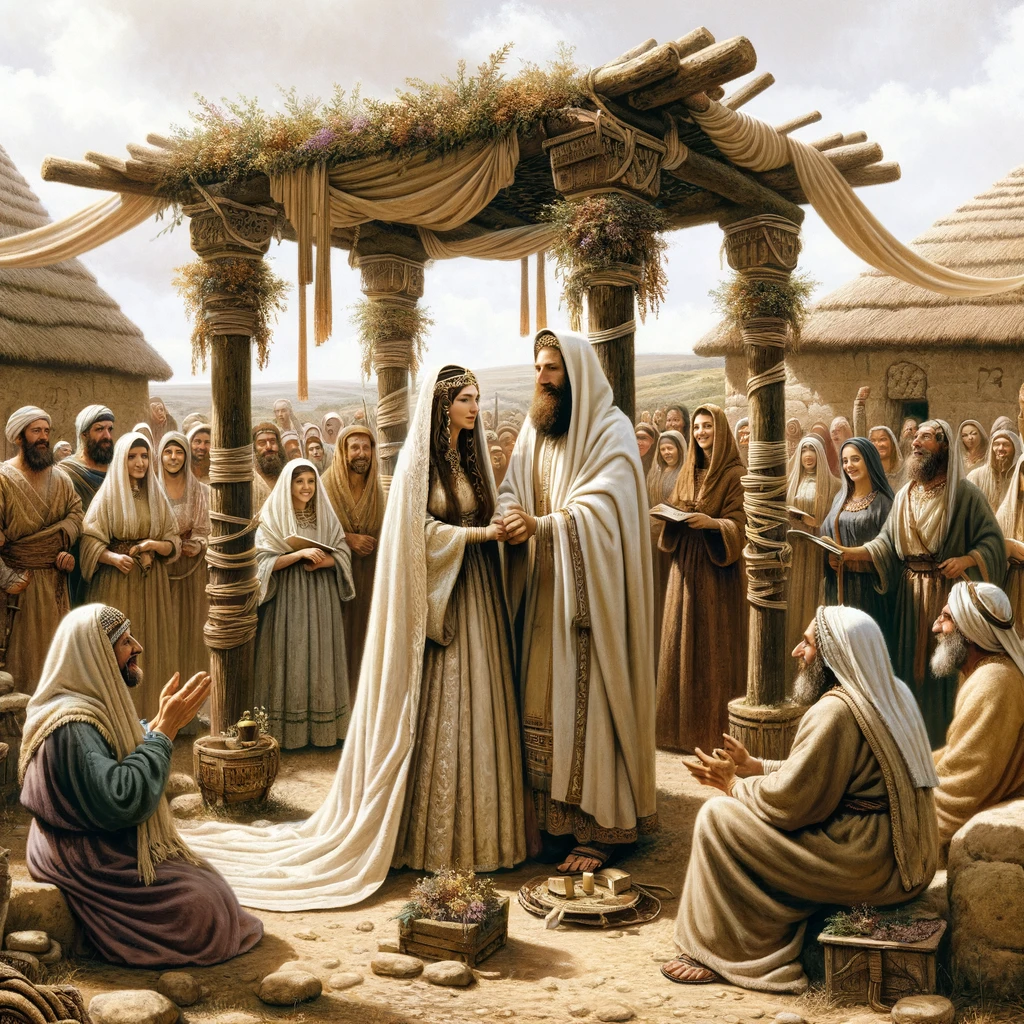
Marriage, a union celebrated across the globe, has been underpinned by various traditions and legal frameworks throughout history. Among these, marriage contracts and dowries stand out for their widespread influence on societal norms and family dynamics.
Originating in ancient times, these practices have played pivotal roles in defining the economic, social, and legal aspects of marital alliances. By exploring the historical context, purposes, and implications of marriage contracts and dowries, we gain insight into their profound impact on societies past and present.
The Essence of Marriage Contracts in the Old Testament: A Deeper Dive
The concept of marriage contracts in the Old Testament, known as “ketubah” in Hebrew, is a testament to the ancient world’s sophisticated understanding of matrimonial bonds. These contracts were not mere formalities but foundational elements that defined the social, legal, and moral contours of marriage. This deeper exploration into the essence of Old Testament marriage contracts reveals their significance, complexity, and the values they espoused, reflecting a nuanced approach to matrimonial alliances.
Legal Framework and Social Fabric
In the Old Testament context, marriage contracts served as the legal backbone of matrimonial alliances, establishing clear rights and duties for both parties, especially focusing on the husband’s obligations to his wife.
This legal framework was revolutionary in its recognition and protection of women’s rights within the marriage, a concept that was far from universal in the ancient world. By stipulating provisions for maintenance, protection, and respect, these contracts underscored the value of women in society, challenging prevailing patriarchal norms.
The social aspect of these contracts was equally significant. They were not private agreements but public declarations, involving families and communities in their formulation and execution. This communal involvement served to strengthen social bonds and ensured that the obligations were publicly acknowledged and more likely to be fulfilled. The marriage contract thus functioned as a social covenant, weaving individual unions into the broader fabric of society.
Religious and Ethical Dimensions
Beyond their legal and social implications, marriage contracts in the Old Testament were imbued with profound religious and ethical significance. Marriage was perceived not merely as a civil agreement but as a sacred covenant, mirroring the covenantal relationship between God and His people. This sacralization of marriage elevated the ethical standards expected within the matrimonial bond, emphasizing mutual respect, fidelity, and care.
The ethical dimension of these contracts is further highlighted in the provisions that safeguard the welfare of the wife. By mandating the husband’s responsibility for his wife’s well-being, the contracts encapsulated a vision of marriage as a partnership based on equity and compassion. This ethical framework reflected a broader moral vision of society, where the vulnerable were protected, and relationships were grounded in principles of justice and kindness.
Economic Considerations and Protections
The ketubah also addressed the economic aspects of marriage, ensuring that the wife would be provided for in case of her husband’s death or divorce. This provision not only offered financial security to the wife but also served as a deterrent against frivolous divorce, underscoring the seriousness with which marriage was regarded.
The economic clauses of the marriage contract reflect an understanding of marriage as an institution that transcends the individual, bearing implications for the wider family and community’s economic stability.
Dowries: A Symbol of Economic and Social Stability in the Old Testament Context
In the ancient world of the Old Testament, dowries were not just customary gifts or financial transactions accompanying marriage; they were deeply symbolic and played a crucial role in ensuring economic and social stability. This exploration into the significance of dowries reveals the multifaceted layers of meaning they held and the essential functions they served within the societal fabric of the time.
Economic Security and Provision
At the heart of the dowry system was the provision of economic security for the bride. The dowry, consisting of money, property, or valuable goods, was a tangible expression of the bride’s family’s commitment to her well-being.
It ensured that she would have a measure of financial independence and security within her new household. In a society where women’s opportunities for economic self-sufficiency were limited, the dowry represented a significant form of financial protection and empowerment.
Moreover, the dowry served as a safeguard for the wife in the event of her husband’s death or divorce, acting as a financial safety net that guaranteed her a standard of living and prevented her from falling into destitution. This aspect of the dowry system underscores the ancient society’s recognition of the economic vulnerabilities faced by women and their efforts to mitigate these risks through marital agreements.
Social Significance and Family Alliances
Beyond its economic implications, the dowry was laden with social significance. It was a symbol of the bride’s family’s status and wealth, and the size and value of the dowry often reflected the family’s position within the social hierarchy.
By offering a substantial dowry, a family could secure a desirable match for their daughter, forging alliances with other families of equal or higher social standing. These alliances were not merely social contracts but strategic partnerships that could enhance the families’ collective social capital, influence, and security.
The dowry also served as a gesture of goodwill and commitment from the bride’s family, symbolizing their support for the marriage and their intention to maintain a positive relationship with the groom’s family. This aspect of the dowry system highlights the role of marriage in ancient societies as a means of cementing social bonds and fostering community cohesion.
Legal Implications and Women’s Rights
The legal framework surrounding dowries in the Old Testament also reflects the society’s efforts to protect women’s rights and ensure fair treatment within marriage. Laws and customs governing dowries sought to prevent the exploitation of the bride and her family, stipulating that the dowry should remain the wife’s property, albeit managed by her husband.
These legal protections ensured that the dowry could not be squandered or appropriated by the husband without consideration for the wife’s welfare, thereby safeguarding her economic interests.
Conclusion
The practice of providing dowries in the Old Testament era was a complex institution that served multiple functions: it provided economic security for the bride, symbolized social alliances and status, and embodied the societal commitment to protecting women’s rights within marriage. As a symbol of economic and social stability, the dowry system reflects the ancient society’s nuanced understanding of marriage as an institution that transcended the personal to encompass broader familial, economic, and social dimensions.
Polygamy and concubinage are two practices that were prevalent in ancient societies, including those depicted in the Old Testament of the Bible. This article explores how these practices were viewed and regulated within the context of the Old Testament, offering insights into the historical and cultural backdrop that shaped these views.
Polygamy in the Old Testament: A Closer Look
Polygamy, the practice of having more than one spouse at a time, is a subject that appears with notable frequency in the Old Testament, providing a window into the social, familial, and legal norms of ancient Near Eastern societies. This practice, particularly polygyny (one man having multiple wives), was common among the patriarchs, kings, and other figures in the biblical narratives. This expanded exploration delves into the nuances of polygamy in the Old Testament, examining its implications, regulations, and the theological reflections it prompts.
Societal Context and Implications
Polygamy in the Old Testament era was often tied to social and economic considerations. It was a practice that could enhance alliances between families or tribes, increase labor forces within a household, and ensure progeny for inheritance and legacy purposes. The narratives of Jacob, who married Leah and Rachel, and King David, who had several wives, illustrate how polygamy was woven into the fabric of societal leadership and covenantal promises.
However, the Old Testament also candidly portrays the challenges and conflicts arising from polygamous relationships. The story of Hannah and Peninnah (1 Samuel 1) demonstrates the emotional strife and rivalry that could occur within these family structures. Similarly, the discord between Sarah and Hagar (Genesis 16) highlights the complexities and personal pain that could emerge from polygamous arrangements.
Biblical Regulations and Protections
While the Old Testament does not explicitly prohibit polygamy, it introduces laws and guidelines aimed at mitigating its potential harms and ensuring justice for those within polygamous households. For example, Exodus 21:10-11 mandates that a man must not diminish a wife’s food, clothing, or marital rights if he takes another wife. Deuteronomy 21:15-17 addresses the rights of the firstborn son in polygamous marriages, ensuring he receives a double portion of the inheritance, regardless of his mother’s status.
These regulations reflect a concern for ethical conduct and the protection of vulnerable individuals within the family structure, indicating an awareness of the potential for injustice and conflict inherent in polygamous arrangements.
Theological Reflections and Ethical Considerations
Theologically, the Old Testament’s treatment of polygamy opens up discussions about God’s intentions for human relationships and the ethical standards that govern them. While polygamy is depicted as a part of the cultural context, the Genesis creation narratives (Genesis 2:24) emphasize the ideal of a monogamous union, suggesting a foundational preference for exclusive, committed partnerships.
Prophetic literature and wisdom books, such as Hosea and Proverbs, further develop these themes, using the metaphor of marriage to describe God’s relationship with Israel and highlighting the virtues of fidelity and love. These texts suggest a movement toward understanding God’s ideal for human relationships as based on mutual respect, love, and commitment, transcending the practical and social considerations that drove polygamous practices.
Evolution of Perspectives
The portrayal of polygamy in the Old Testament also reflects the evolving understanding of moral and spiritual ideals over time. As the biblical narrative progresses, there’s a discernible shift towards emphasizing the importance of ethical conduct, justice, and the sanctity of individual relationships. This evolution is part of the broader trajectory of biblical revelation, which culminates in the New Testament’s reaffirmation of monogamous marriage as a symbol of Christ’s relationship with the Church (Ephesians 5:22-33).
Delving Deeper into Concubinage in the Old Testament
Concubinage, a practice wherein a man had a sexual and domestic relationship with a woman without granting her the full status or rights of a wife, is a topic of significant interest and complexity within the Old Testament context. This institution, deeply embedded in the social fabric of ancient Near Eastern societies, offers a window into the gender dynamics, legal structures, and cultural norms of the times. This expanded analysis seeks to provide a more nuanced understanding of concubinage in the Old Testament, its implications, and its portrayal.
The Nature of Concubinage
In the Old Testament, concubinage was a recognized and regulated practice, distinct from marriage and prostitution. Concubines were considered secondary to wives, lacking the full legal and social status of a wife but still maintaining a recognized position within the household. Their primary role often included bearing children, especially in cases where a wife was barren, as seen with Abraham’s concubine, Hagar (Genesis 16).
Legal and Social Status
The legal texts of the Old Testament, such as those found in Exodus, Leviticus, and Deuteronomy, provide insights into the rights and protections afforded to concubines. While these protections were less than those afforded to wives, concubines were not regarded as mere property. For instance, the rights of children born to concubines were acknowledged, albeit with certain limitations compared to children born to wives.
The story of Abraham, Sarah, and Hagar illustrates the complex dynamics of concubinage. Sarah, Abraham’s wife, gives Hagar to Abraham as a concubine to bear a child. The subsequent tensions and conflicts within the household underscore the emotional and social complexities of concubinage (Genesis 16 & 21).
Cultural and Religious Implications
Concubinage in the Old Testament cannot be fully understood without considering its cultural and religious implications. The practice was intertwined with the patriarchal structures and polygamous tendencies of ancient societies. Concubines could be taken from among captives of war, as part of treaties, or from servant classes, reflecting the hierarchical nature of these societies.
Theologically, the narratives involving concubinage in the Old Testament serve multiple purposes. They highlight the human flaws and moral dilemmas faced by biblical figures, offering lessons on faith, responsibility, and the consequences of actions. Additionally, these narratives often lead to the unfolding of God’s covenant and the lineage of Israel, demonstrating how divine purposes can work through complex human situations.
Ethical and Moral Considerations
The depiction of concubinage in the Old Testament has been subject to various interpretations and ethical considerations. While some view it as a reflection of God’s tolerance and accommodation to human societal norms, others see it as indicative of the fallen state of humanity and the need for divine redemption. The emotional and social ramifications of concubinage, as depicted in the narratives, also invite reflections on justice, compassion, and the value of individuals within society.
Exploring Theological and Moral Perspectives on Polygamy and Concubinage in the Old Testament
The Old Testament’s portrayal of polygamy and concubinage provides a rich field for theological and moral exploration. These practices, deeply embedded in the cultural and social fabric of ancient Near Eastern societies, are depicted in biblical narratives in ways that reflect the complexity of human relationships and divine intentions. This deeper dive into the theological and moral perspectives surrounding these practices offers insights into how they were understood within the broader context of Old Testament theology and ethics.
Theological Reflections on Divine Tolerance and Human Frailty
One significant theological perspective is the notion of divine tolerance or accommodation. The Old Testament depicts God as working within the context of human society, guiding and shaping it toward moral and spiritual ideals without completely overturning existing social structures. This gradualist approach can be seen in how God interacts with figures like Abraham, Jacob, David, and Solomon, who were involved in polygamous and concubinary relationships. Despite their flawed actions, these individuals remain central to God’s covenantal promises, suggesting divine patience and a redemptive purpose that works through and beyond human imperfections.
The presence of polygamy and concubinage also highlights themes of human frailty and moral complexity. These narratives often reveal the consequences of actions driven by desire, jealousy, and social ambition, pointing to a deeper need for divine guidance and moral integrity. The stories of Sarah and Hagar, Rachel and Leah, and David’s numerous wives illustrate the interpersonal strife and familial discord that can arise from these practices, serving as cautionary tales about the dangers of deviating from God’s ideal for human relationships.
Moral Perspectives on Justice, Rights, and the Value of Individuals
From a moral standpoint, the Old Testament’s treatment of polygamy and concubinage raises questions about justice, rights, and the intrinsic value of individuals within society. The laws and narratives that address these practices often include provisions aimed at protecting the vulnerable, such as ensuring the rights of the firstborn in a polygamous marriage (Deuteronomy 21:15-17) or the welfare of a concubine and her children (Exodus 21:7-11). These legal protections reflect a concern for equity and the well-being of all members of the community, even within the confines of existing social norms.
The stories of Tamar, Bathsheba, and the Levite’s concubine, among others, serve as poignant reminders of the potential for exploitation and injustice within these relationships. They call attention to the need for societal structures and laws that uphold the dignity and rights of every individual, challenging readers to consider the implications of their actions on the well-being of others.
The Evolution of Moral and Theological Understanding
The Old Testament’s depiction of polygamy and concubinage also speaks to the dynamic nature of moral and theological understanding. Over time, the prophetic and wisdom literature of the Old Testament increasingly emphasizes themes of fidelity, compassion, and ethical conduct, pointing toward a more monogamous ideal in relationships. This evolution reflects a growing awareness of the inherent value of committed, loving relationships as a reflection of God’s covenantal love for humanity.
Moreover, the New Testament further develops these themes, with Jesus and the apostles advocating for the sanctity of marriage between one man and one woman, highlighting the spiritual and moral ideals that would come to define Christian ethics.
Conclusion
The theological and moral perspectives on polygamy and concubinage in the Old Testament reveal a complex interplay between divine purposes, human society, and moral evolution. These narratives and laws invite readers to reflect on the nature of God’s guidance, the importance of justice and compassion in human relationships, and the ongoing development of moral understanding in the light of divine revelation. By engaging with these themes, believers and scholars alike can gain deeper insights into the ethical foundations of the Judeo-Christian tradition and the enduring relevance of its teachings on love, justice, and community.
The Old Testament, a foundational text for several religions, including Judaism and Christianity, offers a rich tapestry of laws, narratives, and teachings. Among these, the laws governing marriage stand out for their historical, cultural, and religious significance.
These laws, primarily found in books like Genesis, Exodus, Leviticus, Deuteronomy, and others, provide insight into the societal norms and values of ancient times. This blog post explores the key laws and principles surrounding marriage in the Old Testament, shedding light on their implications and the context in which they were applied.
The Foundation of Marriage
Marriage in the Old Testament is established as a sacred institution, designed for companionship, procreation, and the establishment of a stable society. The book of Genesis (2:24) sets the tone by stating, “Therefore a man shall leave his father and his mother and hold fast to his wife, and they shall become one flesh.” This verse underscores the importance of the marital bond and its foundational role in human relationships.
Expanding on Laws on Eligibility and Prohibitions in the Old Testament
The Old Testament’s approach to marriage eligibility and prohibitions is multifaceted, reflecting a society deeply rooted in religious observance, social structure, and moral values. To fully appreciate the depth and complexity of these regulations, it’s essential to delve into the specifics and the underlying reasons behind them. Here’s an expanded look at the key aspects of marriage eligibility and prohibitions as outlined in the Old Testament.
Close Relatives
The prohibitions against marrying close relatives, detailed in Leviticus 18, are among the most comprehensive of the Old Testament’s regulations on marriage. These laws are believed to serve multiple purposes, including maintaining genetic diversity, protecting family integrity, and upholding social morality.
By explicitly listing forbidden relationships, such as those with one’s parents, children, siblings, and certain in-laws, the Old Testament aimed to prevent incestuous relationships that could undermine familial relationships and societal order.
Foreigners and Idolaters
The admonition against marrying foreigners, particularly those who worship other gods, is a recurring theme, notably in books like Deuteronomy (7:3-4) and Ezra (9-10). This prohibition was not based on ethnicity or nationality per se but was fundamentally concerned with religious purity and the avoidance of idolatry.
The Israelites were often reminded of the risks of being led away from their faith by spouses who did not share their religious commitments. This concern reflects the broader biblical theme of covenant faithfulness to God, where marriage serves as a metaphor for the relationship between God and His people.
Levirate Marriage
The levirate marriage law, as outlined in Deuteronomy 25:5-10, serves as an early form of social security and inheritance law. It was designed to protect widows and ensure the continuation of a deceased man’s lineage. If a man died without a male heir, his brother was obligated to marry the widow.
The firstborn son of this union would then be considered the heir of the deceased brother, thus preserving the family line and the widow’s place within the family structure. This law highlights the Old Testament’s emphasis on family continuity and the welfare of widows, who might otherwise face destitution.
Implications and Context
These laws on eligibility and prohibitions must be understood within their historical and cultural context. They were not merely arbitrary rules but were deeply embedded in the social fabric and religious life of the time. They aimed to preserve the integrity of the family unit, ensure the continuity of the Israelite identity, and uphold the covenant relationship between the Israelites and God.
Furthermore, these regulations reflect a broader biblical narrative that values faithfulness, social responsibility, and the protection of vulnerable community members. While the direct application of these laws has evolved, their underlying principles continue to inform contemporary discussions on marriage, family, and social ethics.
Exploring the Rights and Duties of Marriage in the Old Testament
The Old Testament outlines a set of rights and duties for spouses that underscore the mutual respect, care, and responsibility expected within marriage. These guidelines not only aimed to establish a harmonious domestic life but also reflected the broader values and priorities of the society. Let’s delve deeper into the specific rights and duties of spouses as detailed in the Old Testament, highlighting their significance and implications.
Provision and Protection
The expectation for husbands to provide for their wives is explicitly stated in Exodus 21:10-11, which mandates that a husband must ensure his wife’s needs for food, clothing, and marital rights are met. This provision is not merely about physical sustenance but symbolizes the husband’s commitment to his wife’s overall well-being and dignity.
The inclusion of “marital rights” underscores the importance of emotional and sexual intimacy in the marital relationship, recognizing the wife’s needs in these areas as legitimate and essential.
Rights to Divorce and Protection against Unjust Treatment
Deuteronomy 24:1-4 addresses the conditions under which a man might divorce his wife, specifying that a divorce could only occur if the husband found “some indecency” in his wife. This law aimed to regulate the process of divorce, ensuring it was not done capriciously or without cause.
The requirement for a written certificate of divorce provided the woman with legal proof of her status, allowing her to remarry without social or religious stigma. This protection highlights the Old Testament’s concern for women’s social and economic security in a patriarchal society where divorce could leave them vulnerable.
Punishments for Adultery and Sexual Crimes
The Old Testament is stringent about maintaining the sanctity of marriage, with severe punishments prescribed for adultery (Leviticus 20:10) and sexual crimes (Deuteronomy 22:22-29). These laws served multiple purposes: protecting the marital bond, upholding social morality, and safeguarding individual rights against sexual violation. The emphasis on consent and protection against sexual misconduct reflects a broader concern for justice and the well-being of community members.
Levirate Marriage and Protection of Widows
The levirate marriage law (Deuteronomy 25:5-10) further illustrates the Old Testament’s concern for the rights and welfare of widows. By providing a mechanism for a widow to have children and maintain her deceased husband’s lineage, this law ensured her economic security and social standing. It highlights the communal responsibility to support those who might otherwise be marginalized or face hardship.
Implications for Contemporary Understanding
These rights and duties within marriage reflect the Old Testament’s holistic view of marriage as a covenant not only between individuals but also between the community and God. They emphasize the importance of mutual respect, care, and responsibility, values that remain relevant in contemporary discussions on marriage and family life.
Moreover, the protections afforded to women, while reflective of the patriarchal context of the time, can be seen as progressive in their acknowledgment of women’s rights and needs within marriage. The Old Testament’s approach to marriage underscores the importance of legal and moral structures in safeguarding the dignity and well-being of individuals within the family unit.
Polygamy and Concubinage in the Old Testament: An In-depth Analysis
Polygamy and concubinage are practices evident in the Old Testament, reflecting the social, economic, and cultural contexts of ancient Near Eastern societies. These practices, while not explicitly prescribed, are depicted among various figures in the biblical narrative, providing insights into the complex familial structures of the time. This section delves deeper into the nuances of polygamy and concubinage in the Old Testament, exploring their significance and the implications they had on society.
Polygamy in the Old Testament
Polygamy, the practice of having more than one wife simultaneously, is seen in the lives of several prominent biblical figures, including Abraham, Jacob, David, and Solomon. This practice was often linked to social and economic considerations, such as forming alliances, expanding family lineage, and ensuring heirs. Polygamy was also a means of providing for women who might otherwise be left without protection or support in a society where marriage was crucial for a woman’s social standing and economic security.
While polygamy is depicted in the Old Testament, it’s important to note that its portrayal is not uniformly positive. The narratives often reveal the interpersonal conflicts and tensions that arose within polygamous families, such as the rivalry between Sarah and Hagar (Genesis 16), Leah and Rachel (Genesis 29-30), and the discord within King David’s and Solomon’s households. These stories may serve as implicit critiques of polygamy, highlighting the emotional and social complexities it introduced.
Concubinage in the Old Testament
Concubinage, a practice where a man had a sexual relationship with a woman who was not his wife but held a status above that of a slave, is also present in the Old Testament. Concubines are mentioned in several accounts, including those of Abraham (Genesis 16:1-4) and King David (2 Samuel 5:13). Concubines could bear children, and these children often had legal rights, although they typically did not inherit on an equal basis with children born to wives.
This practice was partly rooted in the desire to produce heirs, especially in cases where a wife was barren. Concubinage, like polygamy, reflects the patriarchal nature of Old Testament societies, where male heads of households held considerable power over family structure and lineage.
Societal Implications and Ethical Considerations
The practices of polygamy and concubinage in the Old Testament reflect broader societal norms and economic strategies of ancient Near Eastern cultures. They underscore the importance of lineage and inheritance, the social vulnerabilities of women, and how family structures were constructed to address these realities.
From a modern perspective, these practices raise important ethical and social questions. The biblical narrative itself presents a nuanced view, acknowledging the realities of polygamy and concubinage while also portraying the human costs and moral complexities associated with them. This complexity invites readers to reflect on the nature of relationships, the value of monogamy, and the evolution of social norms regarding marriage and family.
Social Justice and Protection in the Old Testament: A Closer Look
The Old Testament is not only a religious text but also a document reflecting the social values and legal principles of ancient Israelite society, emphasizing justice, care for the vulnerable, and equitable treatment of community members.
This commitment to social justice and protection is evident in various laws and teachings that seek to ensure the welfare of all individuals, especially those who might be marginalized or at risk. This section explores the depth and breadth of these principles, highlighting their significance in the broader context of Old Testament ethics.
Protection of Widows and Orphans
The Old Testament frequently emphasizes the importance of protecting widows and orphans, two groups particularly vulnerable to economic hardship and social injustice in ancient societies. Passages in Exodus (22:22-24), Deuteronomy (10:18; 14:29; 24:17-22), and Psalms (68:5) articulate God’s concern for these individuals and command the Israelite community to care for them.
Laws mandated provisions for widows and orphans to partake in the agricultural bounty and receive justice without partiality. This focus reflects a societal model where communal responsibility for the less fortunate is a key aspect of righteousness and faithfulness to God’s covenant.
Fair Treatment of Workers
The Old Testament also addresses the rights and fair treatment of workers, reflecting an early concern for labor justice. Leviticus (19:13) and Deuteronomy (24:14-15) instruct employers not to withhold the wages of a laborer, emphasizing the importance of timely and fair compensation for work. This principle underscores the value of human dignity and the necessity of ensuring that economic practices do not exploit or oppress the vulnerable.
Provisions for the Poor and the Stranger
The laws concerning gleaning (Leviticus 19:9-10; 23:22) and the Year of Jubilee (Leviticus 25) illustrate the Old Testament’s approach to economic justice and care for the poor. Landowners were commanded to leave the edges of their fields unharvested and not to pick their vineyards clean, allowing the poor and the stranger to glean.
The Year of Jubilee, a time of economic reset every 50 years, included the release of debts, the liberation of slaves, and the return of land to its original owners. These practices aimed to prevent the perpetuation of poverty and ensure a more equitable distribution of wealth.
Justice and Fair Trials
The Old Testament legal codes emphasize the importance of justice in legal proceedings and the protection of individuals from false accusations. Deuteronomy (19:15-21) outlines the requirement for two or three witnesses in legal cases to prevent false testimony. The principle of “an eye for an eye” (Exodus 21:23-25), often misunderstood, was intended to limit retribution and ensure that punishments were proportional to the offense, thus upholding the principle of fairness in justice.
Conclusion
The Old Testament’s teachings on social justice and protection reveal a profound concern for the well-being of all members of society, particularly those who might be overlooked or marginalized. These principles reflect a vision of community life grounded in equity, compassion, and mutual responsibility.
While the specific applications of these laws were shaped by the cultural and historical context of ancient Israel, the underlying values continue to inspire contemporary discussions on social ethics, justice, and the common good. The Old Testament’s emphasis on caring for the vulnerable, ensuring fair treatment for all, and promoting economic justice offers timeless insights into how societies can reflect divine principles of righteousness and love in their communal practices.
Ancient Israel, with its rich history and cultural heritage, presents a fascinating study of societal norms and traditions, particularly in the realm of marriage customs. The Old Testament marriage customs provide a window into the social, religious, and legal aspects of matrimonial practices in ancient times. This article explores the ancient Israelite wedding practices, shedding light on the intricate processes and rituals that characterized marriage in the biblical era.
Engagement and Betrothal
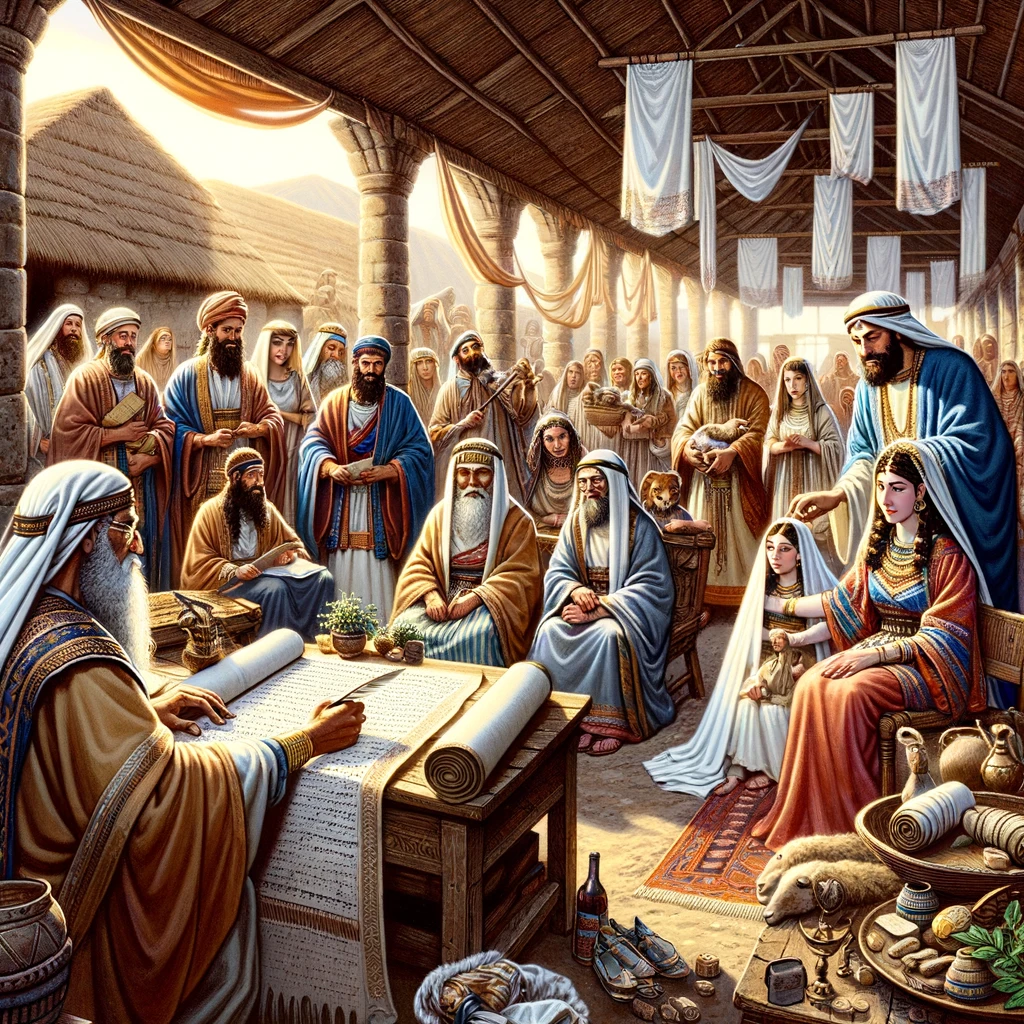
The journey towards marriage in ancient Israel began with the engagement, a formal agreement between families. This stage, often arranged by the parents, involved a contract or covenant that legally bound the couple together. The betrothal was a significant and binding agreement, marking the couple as intended for each other, yet without cohabitation. During this period, the bride would remain at her father’s house, and breaking a betrothal required a formal process akin to divorce.
Bride Price and Dowry
A pivotal aspect of the betrothal process was the exchange of the bride price (mohar) and the dowry. The bride price was a payment made by the groom’s family to the bride’s family, serving both as compensation for the loss of a family member and as a gesture of goodwill. The dowry, on the other hand, was provided by the bride’s family to the bride herself or to the couple, ensuring her economic security in the new household.
Wedding Ceremony
The ancient Israelite wedding was a vibrant and elaborate affair, marked by festivities that could last up to a week. The ceremony was characterized by a procession, where the groom, accompanied by his friends, would lead the bride from her home to his. This procession was often accompanied by music, dancing, and joyful celebration, symbolizing the public recognition of their union.
Upon arrival at the groom’s home, the couple would enter the bridal chamber (chuppah), where the marriage was consummated. This private act was followed by a public celebration, with feasts and entertainment provided for the guests.
Religious and Social Significance
Marriage in ancient Israel was not just a personal or family affair but held profound religious and social significance. It was considered a sacred covenant, reflective of God’s relationship with His people. The union of a man and woman in marriage was a metaphor for the covenant between God and Israel, underscoring the sanctity and permanence of the marriage bond.
Socially, marriage was a means of securing one’s lineage and ensuring the continuation of family heritage. It was also a vital component in the economic and social stability of the community, with marriages often strengthening alliances between families.
Marriage as a Reflection of Social Values
The intricate customs surrounding marriage in ancient Israel were not merely ceremonial but reflected the prevailing social values and norms. For instance, the emphasis on the bride price and dowry illustrates the importance of economic considerations in marriage, ensuring that both parties had a stake in the union’s success. Additionally, the involvement of families in arranging marriages underscores the collectivist nature of ancient Israeli society, where individual choices were often secondary to community and familial interests.
Role of Women in Marriage
The role of women in ancient Israelite marriages was significantly influenced by the societal norms of the time. Women were often seen as key to the continuation of the family line, and their value in marriage was closely tied to their ability to bear children. Despite this, women in ancient Israel had certain rights within the marriage, including protections against unjust treatment by their husbands. The laws and customs of the time, as recorded in the Old Testament, reveal a complex picture of women’s roles, balancing their status as daughters, wives, and mothers within the patriarchal structure of society.
Variations and Evolutions in Marriage Practices
While there were standard practices in ancient Israelite weddings, variations existed across different periods and regions. As Israel’s contact with neighboring cultures grew through trade, conquest, and exile, these interactions inevitably influenced matrimonial customs. For example, the influence of Assyrian, Babylonian, and later Hellenistic cultures is evident in archaeological and textual evidence, showing how marriage practices evolved in response to broader socio-political changes.
Marriage Contracts and Legal Provisions
The legal aspects of marriage in ancient Israel were detailed in various Old Testament books, outlining provisions for betrothal, marriage, divorce, and the protection of widows. Marriage contracts, though not as formalized as in later periods, were crucial for specifying the obligations of each party. These contracts often included clauses on the bride price, dowry, and provisions for the wife in the event of divorce or the husband’s death, ensuring her economic protection.
Festivities and Cultural Expressions
The celebratory aspect of ancient Israelite weddings was a vital component, with music, poetry, and dancing playing central roles. Songs of Songs, a book in the Old Testament, exemplifies the romantic and erotic expressions associated with weddings, celebrating the love and desire between the bride and groom. These festivities not only marked the joy of the occasion but also reinforced community bonds, as weddings were communal events attended by a wide segment of society.
Religious Rituals and Symbolism
In the tapestry of ancient Israelite marriage customs, religious rituals and symbolism played a pivotal role, intertwining the spiritual with the social. Marriages were not only legal agreements but also sacred covenants, imbued with religious significance. Rituals such as the circling of the groom by the bride, the covering of the bride with a veil, and the blessings recited over wine emphasized the sanctity of the union. These acts were symbolic, representing themes of protection, purity, and the joy of covenantal commitment, mirroring the relationship between God and His people.
The Community’s Role in Marriage
The community’s involvement in marriage ceremonies underscores the collective identity of ancient Israel. Marriages were community affairs, with neighbors and extended family members participating in the week-long celebrations. This collective participation was not merely for festivity but also served as a communal endorsement of the marriage, reinforcing the couple’s integration into the social fabric. The presence of witnesses during key moments of the wedding, such as the signing of the marriage contract or the consummation, highlights the importance of community validation.
Education and Preparation for Marriage
Preparation for marriage in ancient Israel involved more than just the arrangement between families. It encompassed a period of education and preparation, particularly for the bride. This education often included learning household skills, religious laws, and moral values essential for managing a household and raising a family. The emphasis on moral and religious instruction reflects the societal expectation for the bride and groom to uphold the covenantal values central to Israelite identity.
Integration of Foreign Customs
As ancient Israel evolved and interacted with surrounding cultures, its marriage customs also reflected an integration of foreign practices. Despite the core elements of marriage remaining consistent with biblical injunctions, the influence of neighboring civilizations introduced variations in dress, jewelry, and wedding rituals. These adaptations demonstrate the dynamic nature of cultural exchange in the ancient Near East, with Israelite society absorbing and reinterpreting elements from its neighbors while maintaining its distinctive identity.
Legacy and Influence on Modern Practices
The legacy of ancient Israelite marriage customs extends far beyond their historical context, influencing Jewish wedding practices to this day. Elements such as the chuppah (wedding canopy), the breaking of a glass, and the seven blessings (Sheva Brachot) have their roots in ancient traditions, adapted over centuries to fit contemporary religious and cultural contexts. These enduring practices serve as a bridge between past and present, allowing modern adherents to connect with their heritage through the act of marriage.
Conclusion
The exploration of marriage customs in ancient Israel reveals a complex interplay of social, religious, and legal factors, each contributing to the rich tapestry of Israelite culture. From engagement to wedding celebrations, these practices were deeply embedded in the societal fabric, reflecting the values, beliefs, and traditions of the time. As we examine these ancient customs, we gain not only insights into the past but also a deeper understanding of the enduring nature of marriage as a fundamental human institution. The legacy of ancient Israelite marriage customs continues to resonate, offering a window into the collective soul of a people and their unbroken link to the present.
Marriage, a revered institution across various cultures and religions, holds a significant place in the Old Testament of the Bible. This blog post explores the concept of marriage in the Old Testament, shedding light on its norms, purposes, and evolution. By delving into ancient texts, we aim to understand the foundational views of marriage that have influenced Jewish and Christian matrimonies to this day.
Macro of two wedding rings on a cork table background with shallow DOF
The Purpose of Marriage in the Old Testament
The Old Testament portrays marriage not just as a societal norm, but as a divinely instituted covenant that serves multiple intertwined purposes. These purposes reflect the multifaceted nature of marriage, encompassing procreation, partnership, and the provision of a stable social structure. Below, we delve deeper into each of these aspects to understand the comprehensive role of marriage in ancient Hebrew society as depicted in the Old Testament.
1. Procreation: A Divine Mandate
The emphasis on procreation in the Old Testament is deeply rooted in the creation narratives of Genesis. The command to “be fruitful and multiply” (Genesis 1:28) is given to Adam and Eve in the Garden of Eden, establishing procreation as a fundamental aspect of marriage. This directive was not merely about population growth; it was also about stewardship of the Earth and participation in God’s creation. In a world where mortality rates were high and labor was essential for survival, having children was crucial for the continuation of the family line and for maintaining economic stability.
2. Partnership: Completing the Divine Image
The Old Testament concept of partnership in marriage goes beyond mere companionship; it is about completing the divine image in humanity. Genesis 2:18-24 describes how Eve was created from Adam’s rib, symbolizing that man and woman are inherently connected and that their union completes the human experience. This narrative underscores the idea that marriage is a partnership of equals, intended for mutual support, love, and spiritual growth. Through this partnership, both individuals are called to reflect God’s love and to work together in fulfilling their divine purpose.
3. Protection and Provision: A Social Imperative
In the patriarchal context of the Old Testament, marriage provided essential protection and provision for women and children. This was crucial in a society where inheritance, lineage, and social welfare were predominantly transmitted through male lines. Marriage established legal and moral responsibilities for husbands to care for their wives and children, ensuring their well-being and security. This aspect of marriage reflects the Old Testament’s broader concern for justice, as seen in laws that protect the rights of widows, orphans, and the vulnerable.
Beyond these practical purposes, marriage in the Old Testament is portrayed as a covenantal relationship, mirroring God’s covenant with Israel. This covenant is not merely a contract or agreement but a sacred bond that reflects commitment, loyalty, and divine faithfulness. The prophets often used marriage as a metaphor to describe God’s relationship with Israel, emphasizing themes of love, betrayal, and reconciliation. Thus, marriage becomes a divine institution that teaches and exemplifies the steadfast love and faithfulness that God expects from His people.
Marriage Practices in the Old Testament
The Old Testament provides a vivid tapestry of marriage customs and practices, offering a window into the social, legal, and religious fabric of ancient Hebrew life. These practices were not only reflective of the cultural norms of the time but were also deeply intertwined with the religious beliefs and laws that governed the Israelite community. Here, we delve deeper into the key marriage practices mentioned in the Old Testament, exploring their implications and significance.
1. Polygamy: Social Status and Economic Strategy
Polygamy, particularly in the form of polygyny (where a man has multiple wives), was a prevalent practice among the patriarchs and kings of the Old Testament. This practice was often tied to social and economic strategies, allowing wealthy and powerful men to forge alliances, expand their households, and ensure a large progeny for labor and defense. Notable figures like King Solomon, with his 700 wives and 300 concubines (1 Kings 11:3), exemplify the extent to which polygamy could be intertwined with political power and wealth.
However, the Old Testament also presents the challenges and conflicts inherent in polygamous relationships, such as jealousy and rivalry among wives and their children. These narratives are not prescriptive but descriptive, offering insights into the complexities of family life in ancient times.
2. Levirate Marriage: Ensuring Lineage and Legacy
Levirate marriage, a practice mandated in Deuteronomy 25:5-10, highlights the importance of lineage and legacy in Old Testament societies. This law required a man to marry his deceased brother’s widow if the brother died without male heirs, ensuring the continuation of the brother’s lineage and providing for the widow. This practice underscores the collective responsibility within families to support one another and maintain the family’s continuity through generations.
Levirate marriage also reflects the communal aspect of marriage, where unions have implications beyond the individual couple, affecting the broader family and community’s welfare and social structure.
3. Dowries and Betrothal: Legal and Economic Dimensions
Marriage in the Old Testament involved significant legal and economic dimensions, particularly through the practices of dowries and betrothal. Dowries, often in the form of money, land, or other valuable assets, were provided by the bride’s family to the groom or groom’s family. This served not only as a gift to ensure the bride’s well-being but also as a form of alliance between families.
Betrothal, a formal period of engagement, was legally binding and required a written document. Breaking a betrothal required a formal divorce, underscoring the seriousness with which these commitments were taken. This period allowed families to finalize the legal and financial arrangements of the marriage, reinforcing the marriage’s communal and covenantal nature.
4. Marriage Festivities: Celebrating Union and Community
The celebration of marriage in the Old Testament was a communal affair, marked by extensive festivities. The wedding feast, which could last several days, was a time of joyous celebration that brought together families and communities. Such celebrations underscored the importance of marriage as a communal covenant, reinforcing social bonds and communal identity.
One notable example is the wedding at Cana in the New Testament (John 2:1-11), where Jesus performs his first miracle, turning water into wine. While this event occurs outside the Old Testament timeframe, it reflects the continued significance of marriage celebrations in the broader biblical context.
Conclusion
The marriage practices of the Old Testament reflect a complex interplay of social, economic, and religious factors. These practices, from polygamy to levirate marriage and from dowries to communal celebrations, provide a nuanced understanding of the role of marriage in ancient Hebrew society. While some aspects of these practices are specific to their historical and cultural context, the underlying principles of family, community, and covenant continue to resonate, offering valuable insights into the foundational aspects of marriage as a divine and human institution.
In the 1st century CE, the Roman Empire’s vast and diverse cultural landscape provided a backdrop for a range of social norms and religious practices. Within this setting, Judea stood out, marked by its own traditions and the Jewish faith’s deep historical roots. It was into this world that Jesus of Nazareth was born, bringing teachings that would profoundly challenge the status quo.
Jesus’ ministry, as depicted in the Christian Gospels, introduced ideas that were revolutionary for their time. His teachings focused on love, compassion, forgiveness, and a radical redefinition of who was considered ‘neighbor.’ These concepts were not just spiritual abstractions but had concrete implications for social behavior and community relations.
By advocating for a society where love and mercy overcame legalism and hierarchy, Jesus set into motion a series of changes that would impact not only his followers but also the broader society around them.
Challenging Traditional Hierarchies
In the intricate tapestry of 1st-century Judean society, social hierarchies were deeply ingrained, governed by religious, gender, and class distinctions. Into this structured world, Jesus introduced teachings that directly confronted and sought to invert these established hierarchies. His approach was not one of overt political rebellion but rather a radical reimagining of interpersonal relationships and community values.
1. Servant Leadership: One of Jesus’ most profound challenges to social norms was his concept of leadership and greatness. In a society where power and status were often measured by one’s ability to command and control others, Jesus presented an alternative vision. He taught that “the greatest among you shall be your servant” (Matthew 23:11). This idea of servant leadership was exemplified in his own actions, most notably when he washed the feet of his disciples, a task traditionally performed by servants. This act and the teaching that accompanied it (John 13:1-17) upended conventional notions of authority and greatness, suggesting that true leadership lies in humility and service to others.
2. Inclusivity and Compassion: Jesus consistently reached out to those on the fringes of society—groups that were often marginalized and excluded by the social norms of the time. His interactions with Samaritans, who were viewed with suspicion and disdain by many Jews, challenged deep-seated prejudices and social barriers. The parable of the Good Samaritan (Luke 10:25-37) not only served as a critique of these prejudices but also as a call to universal love and compassion, extending beyond the boundaries of ethnicity and religion.
3. Valuing the Marginalized: Jesus’ ministry was marked by his attention to those often overlooked by society, including women, children, tax collectors, and sinners. By engaging with these groups openly and respectfully, he challenged the prevailing social norms that deemed them unworthy of attention or respect. For example, his conversation with the Samaritan woman at the well (John 4:1-42) broke multiple social taboos, including those around gender, morality, and ethnic identity. Similarly, his defense of a woman accused of adultery (John 8:1-11) highlighted his challenge to legalistic judgment and his emphasis on compassion and forgiveness.
4. Rejection of Retributive Justice: In a society where honor and retribution held significant sway, Jesus’ teachings on forgiveness and love for one’s enemies were radical. He urged his followers to “turn the other cheek” (Matthew 5:39) and to love their enemies (Matthew 5:44), principles that undercut the prevailing ‘eye for an eye’ mentality. These teachings not only challenged individuals to act contrary to instinct and societal expectations but also laid the groundwork for a community based on forgiveness and reconciliation rather than revenge.
Deepening the Understanding of Universal Love and Forgiveness
Jesus’ teachings on love and forgiveness not only proposed a radical shift in behavior towards friends and enemies alike but also offered a new foundation for understanding community, justice, and personal conduct. This deepening exploration will highlight the practical implications of these teachings and their transformative potential for individual lives and societal structures.
1. Beyond Reciprocity: A New Ethical Standard: Traditional social norms often operated on the principle of reciprocity—offering kindness to those who could return the favor. Jesus’ command to love unconditionally, including those who cannot repay or might even intend harm, introduced a new ethical standard that prioritized moral integrity and compassion over social gain. This approach challenged individuals to evaluate their actions not by societal approval but by the intrinsic value of love and kindness.
2. The Prodigal Son and the Nature of Forgiveness: The parable of the Prodigal Son (Luke 15:11-32) offers profound insights into forgiveness’s nature and its power to restore broken relationships. By depicting a father’s unconditional love and willingness to forgive his wayward son, Jesus illustrated forgiveness as an act of grace that transcends human failings. This story challenged the common notions of justice and retribution, suggesting that true forgiveness is not conditional on repentance but is a voluntary act of love that can lead to reconciliation and healing.
3. The Radical Inclusivity of God’s Love: Jesus’ teachings and actions emphasized that God’s love was available to all, regardless of social status, sin, or societal judgment. This inclusivity was demonstrated through his interactions with individuals deemed sinners or outcasts by the religious elite. By dining with tax collectors (Matthew 9:10-13) and speaking to a Samaritan woman (John 4:1-42), Jesus broke social conventions and illustrated that divine love transcends human barriers. This message of inclusivity was a direct challenge to the exclusionary practices of the time, advocating for a community built on the unconditional acceptance of all individuals.
4. Turning the Other Cheek: Challenging Retributive Justice: The instruction to “turn the other cheek” (Matthew 5:39) was more than a call to pacifism; it was a challenge to the very foundation of retributive justice. By advocating for non-retaliation, Jesus encouraged his followers to break the cycle of violence and retribution that characterized many interpersonal and societal conflicts. This teaching not only promoted peace but also dignity in the face of aggression, empowering individuals to choose a response that preserves their integrity and witnesses to a higher moral ground.
5. The Cost of Discipleship: Living Out Universal Love and Forgiveness: Embracing Jesus’ teachings on love and forgiveness demanded significant personal and societal transformation. Followers were called to a life of radical discipleship, marked by acts of mercy, peacemaking, and unconditional love, even at great personal cost. This lifestyle was a testament to the credibility of Jesus’ message, demonstrating that a community grounded in universal love and forgiveness was not only idealistic but achievable.
Advocacy for the Poor and Marginalized
Jesus’ teachings and actions consistently emphasized care and concern for the poor, marginalized, and oppressed segments of society. This focus represented a significant shift from prevailing attitudes of the time, where wealth and social status often determined an individual’s value and respectability. By advocating for the downtrodden, Jesus challenged deeply entrenched social norms and presented a vision of a community grounded in equality, compassion, and justice.
1. The Beatitudes: A Vision for the Marginalized: In the Beatitudes (Matthew 5:3-12), Jesus pronounces blessings on groups typically seen as unfortunate or undesirable by society—such as the poor, meek, and those who mourn. This reversal of societal values placed the highest spiritual worth not on power or wealth but on humility, righteousness, and empathy for others. The Beatitudes offered hope and dignity to the marginalized, suggesting that God’s kingdom is inclusive and accessible to all, especially those overlooked or undervalued by earthly standards.
2. The Priority of Economic Justice: Jesus’ ministry included a strong emphasis on economic justice, challenging the accumulation of wealth at the expense of others’ well-being. His statement that it is easier for a camel to go through the eye of a needle than for a rich man to enter the kingdom of God (Matthew 19:24) was a stark warning against the spiritual dangers of wealth. By advocating for the redistribution of resources to aid the poor (e.g., the instruction to sell possessions and give to the poor in Luke 12:33), Jesus promoted a vision of community where economic practices are aligned with principles of equity and compassion.
3. Solidarity with the Outcasts: Jesus frequently demonstrated solidarity with societal outcasts—lepers, tax collectors, sinners, and women of ill repute. By healing the sick, dining with sinners, and engaging with those considered unclean or unworthy, he broke down social barriers and challenged the purity laws that marginalized these groups. These actions were not merely symbolic; they were practical demonstrations of a belief system that valued individuals’ worth beyond their social status or adherence to ritualistic laws.
4. Parables and Teachings on Compassion: Jesus employed parables to teach about compassion and the importance of acting on behalf of the needy. The Parable of the Good Samaritan (Luke 10:25-37) and the Parable of the Sheep and the Goats (Matthew 25:31-46) underscore the necessity of compassionate action as a manifestation of one’s faith. These stories illustrated that true righteousness is measured by one’s willingness to help those in need, emphasizing that acts of kindness and mercy are fundamental expressions of God’s will.
5. Challenging Wealth and Power: Jesus’ cleansing of the Temple (Mark 11:15-18) symbolized his challenge to the economic exploitation and religious complicity of the powerful. By driving out those who bought and sold in the Temple, he critiqued the ways religious practices had been co-opted by economic interests, neglecting the needs of the poor and turning worship into a marketplace. This act, along with his frequent warnings about the corrupting influence of wealth, underscored his message that spiritual integrity and justice for the poor should take precedence over material gain and institutional power.
Confrontation with Religious Authorities
Jesus’ interactions with the religious authorities of his time, primarily the Pharisees and Sadducees, were marked by significant tension and conflict. These confrontations were not merely personal disputes but reflected deeper challenges to the religious, social, and moral norms governing 1st-century Judean society. Through these encounters, Jesus critiqued the leadership’s hypocrisy, legalism, and neglect of justice and mercy, proposing a radical reorientation of religious life centered on the heart rather than mere outward observance.
1. Critique of Hypocrisy and Legalism: Jesus frequently criticized the religious leaders for their hypocrisy and legalistic approach to religion. He accused them of focusing on minor ritualistic details while neglecting the more important matters of the law: justice, mercy, and faithfulness (Matthew 23:23). This critique highlighted a fundamental disconnect between the leaders’ outward show of piety and their internal moral and ethical state. By emphasizing the importance of inner purity over external compliance with ritual laws, Jesus challenged the religious establishment’s authority and questioned the basis of their moral and spiritual leadership.
2. The Call to Authentic Worship: In his teachings, Jesus emphasized the importance of sincere and heartfelt worship over ritualistic practices that had become empty of meaning. He highlighted this in discussions about Sabbath laws (Mark 2:27-28), dietary restrictions, and purity rituals, suggesting that these practices, while not inherently wrong, should not overshadow the core principles of love, compassion, and justice. This reorientation towards authentic worship challenged the religious authorities’ control over religious life and opened the way for a more personal and direct relationship with God.
3. Parables as Tools of Critique: Jesus often used parables to subtly critique the religious leaders and their understanding of the kingdom of God. Parables such as the Wicked Tenants (Mark 12:1-12) and the Pharisee and the Tax Collector (Luke 18:9-14) served as veiled criticisms of the religious establishment’s exclusivity, corruption, and self-righteousness. Through these stories, Jesus conveyed complex theological and moral truths, challenging his listeners to reflect on their attitudes and behaviors in light of God’s expectations.
4. Defense of the Marginalized: In several instances, Jesus defended individuals who were marginalized or criticized by religious authorities, such as the woman caught in adultery (John 8:1-11) and individuals healed on the Sabbath (Luke 13:10-17). These actions not only demonstrated his compassion but also directly challenged the interpretations and applications of the law advocated by the religious leaders. By prioritizing mercy and healing over strict Sabbath observance, Jesus questioned the leaders’ understanding of God’s law and its purpose.
5. The Cleansing of the Temple: Perhaps one of the most dramatic confrontations was Jesus’ cleansing of the Temple (Mark 11:15-18), where he expelled the money changers and animal sellers, accusing them of turning a house of prayer into a den of robbers. This act was a direct challenge to the Temple authorities and their complicity in a system that exploited the faithful under the guise of religious observance. It highlighted Jesus’ critique of institutional corruption and his call for a return to genuine worship centered on prayer and connection with God.