What does it mean to dedicate your life to faith in a modern world? For women in Protestant religious communities, this commitment blends ancient spiritual practices with fresh perspectives. Unlike their Catholic counterparts, these groups often operate without strict cloisters, focusing instead on serving others while nurturing personal relationships with God.
These remarkable women create tight-knit communities rooted in prayer, simplicity, and shared purpose. Their days follow rhythms of worship, work, and study—a balance designed to deepen spiritual growth. Many adopt plain clothing or symbols of devotion, though practices vary across denominations.
The origins of Protestant monasticism trace back to reformers who sought to reclaim early Christian values. Today’s communities attract diverse seekers—from recent college graduates to retired professionals—all drawn to intentional living. They maintain gardens, host retreats, and support local charities, proving faith in action remains central to their calling.
Key Takeaways
- Protestant religious communities blend ancient traditions with modern service
- Daily routines balance prayer, work, and study for spiritual growth
- Historical roots connect to early Christian practices and Reformation ideals
- Members face unique challenges balancing faith with contemporary life
- Communities often focus on outreach through charity and education
Introduction to the Ultimate Guide on Protestant Nuns
How do spiritual seekers blend ancient practices with modern service? Across America, women in faith-based communities live out answers to this question daily. Their rhythm of prayer and purpose offers a fresh take on sacred commitments, merging timeless values with today’s needs.
These groups maintain core elements of monastic life while adapting to Protestant beliefs. Shared worship anchors their days, but you’ll also find them running food banks or teaching in urban centers. Unlike cloistered Catholic sisters, many live in neighborhoods where they can directly support local families.
Research highlights their impact: over 60% of such communities operate outreach programs. From tutoring kids to providing elder care, their work bridges spiritual and practical care. “We’re called to be hands of hope,” explains one member from a Methodist sisterhood.
This guide explores how different denominations shape their traditions. Anglican groups might follow structured prayer hours, while Lutheran sisters focus on environmental stewardship. What unites them? A shared desire to deepen faith through action and fellowship.
Young professionals and retirees alike are drawn to this path. They find meaning in simple living and collective service—proof that ancient models still resonate. Their lives challenge assumptions about religious commitment in our fast-paced world.
Historical Roots and Evolution of Protestant Nuns
Where did the seeds of spiritual community first take root? Ancient desert dwellers shaped monasticism centuries before modern religious orders existed. Their radical commitment to prayer and simplicity still inspires faith communities today.
Early Monastic Inspirations
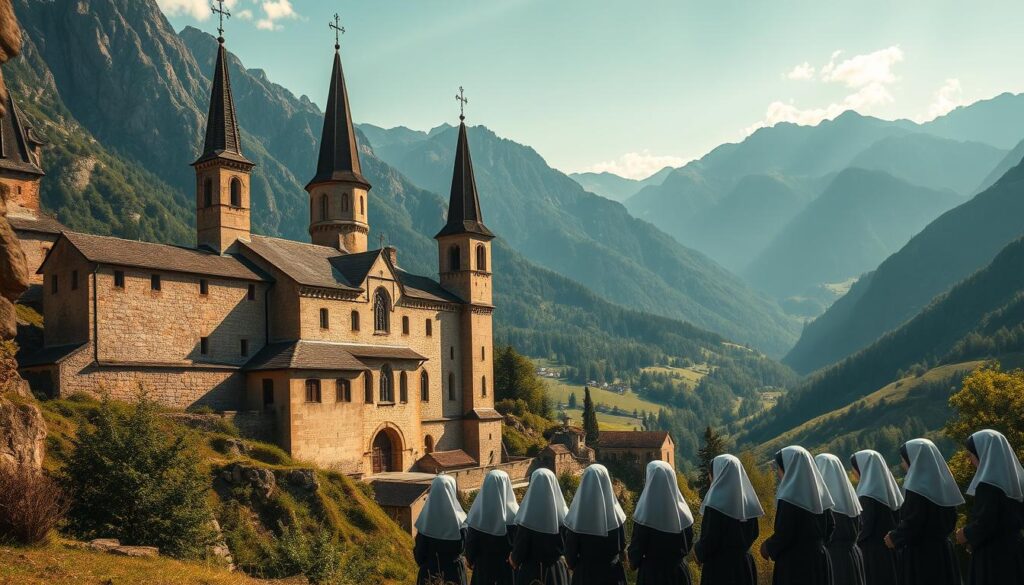
Third-century seekers like Saint Anthony pioneered solitary devotion in Egypt’s wilderness. By the 4th century, Saint Pachomius organized the first communal monasteries—blueprints for future monks and spiritual communities. These early believers traded worldly comforts for prayer and manual labor.
Their example spread across Europe, evolving into diverse traditions within the Catholic Church. Medieval monasteries became centers of learning and charity. Yet some reformers later questioned if these institutions truly reflected Christ’s teachings.
Reformation and Change
Martin Luther’s 16th-century critiques reshaped religious life. He argued vows of poverty and celibacy weren’t required for holiness. This sparked debates about the role of monasticism in Protestant faith.
Over time, new communities emerged blending reformed theology with communal living. They kept prayer rhythms and service focus but rejected strict separation from society. Today’s groups honor this legacy while addressing modern needs—proof that ancient practices can adapt across centuries.
The Emergence of Protestant Nuns in the United States
America’s melting pot of ideas birthed fresh approaches to spiritual commitment. Religious freedom and cultural diversity allowed faith groups to reimagine communal living. Women became architects of this movement, blending European traditions with New World values.
Cultural Influences
The Second Great Awakening (1790-1840) sparked a wildfire of spiritual passion. Revival meetings inspired many to form communities focused on prayer and social reform. These groups often ran schools and hospitals while maintaining daily worship rhythms.
| Movement | Focus | Impact |
|---|---|---|
| Second Great Awakening | Personal conversion | New religious orders |
| Social Gospel | Poverty relief | Urban outreach programs |
| Women’s Rights | Leadership roles | Female-led communities |
Pioneers like Antoinette Brown Blackwell broke barriers as the first ordained female minister in 1853. Her work inspired others to create sisterhoods across the United States. “We build altars not just in churches, but in hearts,” she famously declared.
New York became a hub for early experiments. The Deaconess Movement started in Brooklyn in 1884, training women for medical missions. These communities adapted European monastic rules to American needs—using streetcars instead of cloisters to reach the working class.
Today, their legacy lives in modern retreat centers and neighborhood ministries. From the Hudson Valley to California, these groups prove ancient practices can thrive in contemporary United States culture.
Daily Life: Spiritual Practices and Routines
How do sacred rhythms shape modern devotion? Members of faith communities follow structured schedules that weave prayer, work, and fellowship into a seamless tapestry. These patterns create stability in uncertain times while nurturing personal and collective growth.
Contemplative Prayer Practices
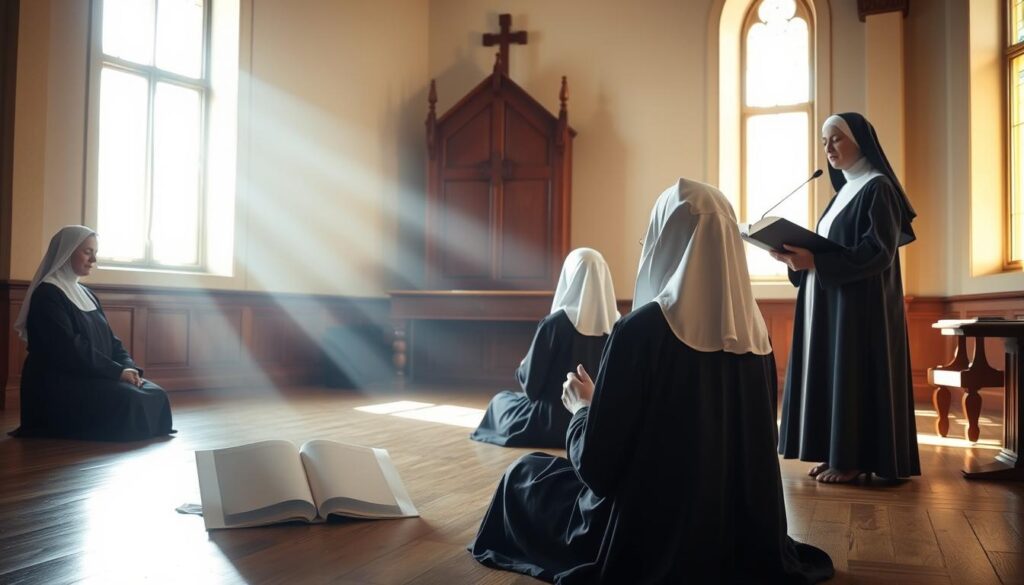
Morning light often finds women in quiet reflection. Lectio divina—slow scripture reading—anchors many days. Silent meditation and intercessory petitions follow, creating space for divine connection. “Prayer isn’t just words,” shares a community member. “It’s breathing with intention.”
These practices vary by tradition. Some groups chant psalms, while others journal reflections. All prioritize moments of stillness, proving ancient wisdom fits modern daily life.
Structured Daily Rhythms
Bells or chimes mark transitions through the day. Mornings focus on worship, afternoons on service projects. Evenings bring shared meals and study. This balance prevents burnout while sustaining spiritual momentum.
Work becomes sacred through intention. Gardening or baking transforms into acts of devotion. Communities adapt monastic hours to fit local needs—urban groups might shorten prayer times to serve food banks.
Such rhythms foster resilience. Regular prayer routines build trust in divine timing. Shared labor strengthens bonds between members. Together, they craft a contemplative life that feels both timeless and urgently relevant.
Living in Community: Structure and Fellowship
How does shared living shape spiritual bonds? Women in faith-based groups create vibrant community life through intentional design. Their homes become laboratories for practicing love, patience, and mutual support—ancient ideals made fresh through daily choices.
Monastic Living Arrangements
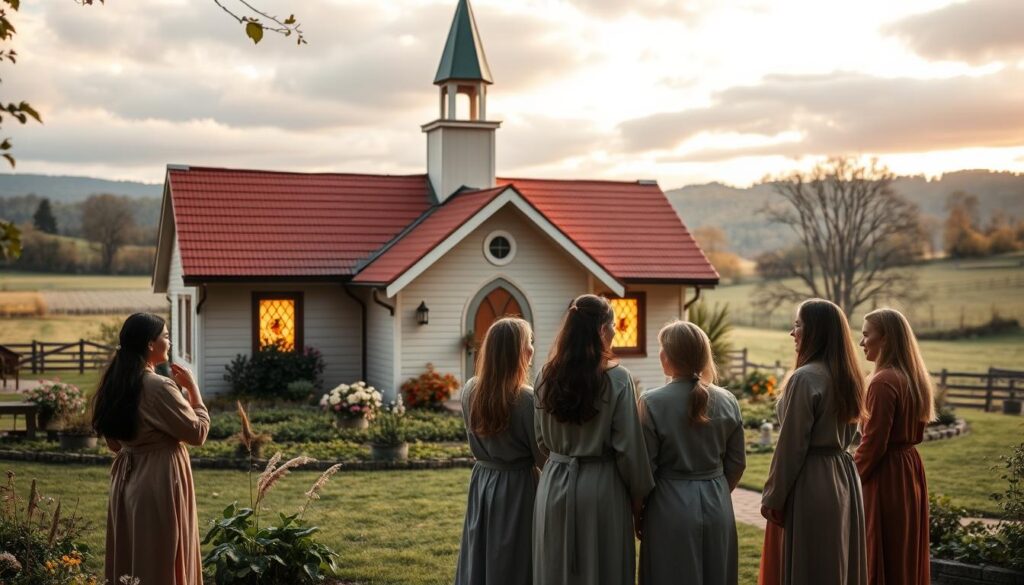
Shared spaces follow patterns established centuries ago. Members rotate cooking duties and maintain common areas together. Weekly meetings help distribute tasks fairly—gardening, administration, or hosting guests. “We’re not just roommates,” explains one sister. “We’re stewards of sacred space.”
| Community Role | Responsibilities | Spiritual Impact |
|---|---|---|
| Work Coordinator | Assigns daily tasks | Teaches humility |
| Prayer Leader | Guides worship times | Deepens unity |
| Hospitality Manager | Welcomes visitors | Models generosity |
Fostering Sisterhood
Morning coffee chats and evening walks nurture deep connections. Older members mentor newcomers through life’s challenges. Conflict resolution practices turn disagreements into growth opportunities. These living communities prove that diversity strengthens when anchored in shared purpose.
Decision-making often uses consensus models. Everyone’s voice matters, but final choices serve the group’s mission. This balance between individuality and collective good keeps the community thriving through seasons of change.
The Role of the Holy Spirit in Their Spiritual Journey
Divine whispers shape every step for women in spiritual communities. The Holy Spirit acts as both compass and companion, guiding decisions from daily tasks to lifelong commitments. This unseen force fuels their work in neighborhoods and prayer rooms alike.
Communities discern together through shared practices. Morning prayer circles often begin with silence, creating space for spiritual nudges. “We listen first, then act,” explains a leader from an ecumenical sisterhood. This approach blends individual reflection with group consensus.
| Tradition | Spirit Focus | Common Practices |
|---|---|---|
| Liturgical | Sacramental guidance | Structured intercessions |
| Charismatic | Spiritual gifts | Spontaneous worship |
| Contemplative | Inner stillness | Silent meditation |
Some members report vivid spiritual encounters—dreams or sudden clarity during service projects. Others find guidance through gradual faith development, like understanding scripture in new ways during group study. All emphasize cultivating sensitivity through regular disciplines.
Key practices include:
- Journaling spiritual impressions after prayer
- Testing insights against community wisdom
- Balancing action with receptive listening
These rhythms help sustain their life of service while remaining anchored in divine connection. As seasons change, the Spirit’s role adapts—comforting in loss, energizing new missions, and deepening bonds within their faith family.
Contemplative Traditions and Mystical Practices
What hidden rhythms nourish spiritual depth in modern communities? Members of faith-based groups inherit centuries-old practices while shaping new paths to divine connection. Their contemplative life blends silent reflection with active service—a dance between ancient wisdom and present-day needs.
Meditative Techniques
Morning light often reveals women practicing lectio divina—slowly absorbing scripture like water soaking into soil. Others use breath prayers or walking meditation in garden paths. These methods anchor busy minds, creating space for sacred whispers.
Centering prayer remains popular across traditions. A Lutheran community leader shares: “We repeat a sacred word to quiet internal noise.” Such techniques adapt medieval practices for contemporary seekers, proving monasticism evolves while keeping its core.
Influences of Mystical Theology
Writings from Meister Eckhart and Teresa of Ávila fill library shelves, their words filtered through reformed theology. Communities discuss how God’s presence permeates daily tasks—not just mystical visions. This balance honors historical roots while affirming ordinary holiness.
Silence plays a crucial role in their prayer life. Many set aside “desert hours” weekly—solitary time for spiritual renewal. These pauses fuel their service, reminding members that divine love flows inward before spilling outward.
Unique Challenges Faced by Protestant Nuns
Balancing ancient vows with modern realities presents unique tests for spiritual communities. Women committed to sacred living navigate a world that often questions their choices while striving to maintain their mission. Their journey requires constant adaptation without losing core values.
Navigating Secular Expectations
Financial pressures top the list of hurdles. Without large denominational backing, many groups fund ministries through handmade crafts, retreat hosting, and online donations. A 2022 study found 78% of these communities rely on at least three income streams.
| Challenge | Protestant Approach | Catholic Counterpart |
|---|---|---|
| Funding Sources | Crowdfunding & small businesses | Diocesan support systems |
| Vocations | Educational workshops | Established seminary pipelines |
| Public Perception | Social media outreach | Familiar cultural recognition |
Explaining monastic callings in Protestant circles requires constant education. Leaders host “vocational weekends” to demystify their lifestyle. Potential members often struggle to reconcile traditional family expectations with community commitments.
Digital distractions test contemplative practices. Some sisters limit screen time using shared device policies. Others repurpose technology—streaming prayer sessions to connect with isolated members.
Media portrayals frequently confuse their practices with Catholic traditions. Sisters counter this by offering public workshops on Protestant monastic history. “We’re not hiding from the world,” notes a community elder. “We’re engaging it through service and dialogue.”
Vocation and Life Commitment in Protestant Tradition
What sparks a lifelong spiritual commitment? For many women, the journey begins as a quiet whisper—a persistent sense of purpose that grows through prayer and self-reflection. This calling often unfolds over years, with seekers testing their resolve through service and study before making formal vows.
Personal Calling and Vows
Discernment processes vary, but most involve three phases: exploration, candidacy, and novitiate training. During this time, aspirants live alongside community members while maintaining secular jobs. “It’s like dating before marriage,” shares a sister from an ecumenical order. “You learn if this life truly fits your soul.”
Traditional vows of poverty, chastity, and obedience take new forms here. Many communities frame them as covenants rather than contracts—promises made to God through community relationships. Some groups replace “obedience” with “listening,” emphasizing collaborative decision-making.
Spiritual Growth Journeys
Formation never truly ends in consecrated life. After initial vows, members pursue ongoing education through:
- Theological seminars
- Mentorship programs
- Cross-cultural service projects
Commitment levels differ across traditions. Lutheran communities might renew promises annually, while Anglican orders often practice lifelong profession. Yet all share a common thread—women continually rediscovering their purpose through prayer and action.
One leader summarizes this path: “Our life isn’t about escaping the world, but loving it more deeply through sacred focus.” Through evolving practices, these communities prove ancient vocations remain vibrant in modern times.
Integrating Modern Community Service with Ancient Traditions
Bridging centuries-old wisdom with today’s urgent needs requires creative vision. Faith-based communities now craft service models that honor sacred roots while addressing modern challenges. Their approach reshapes what spiritual commitment looks like in action.
Community Outreach Programs
Urban gardens bloom beside prayer chapels, symbolizing this dual focus. Members run after-school tutoring programs and mobile food pantries—practical work grounded in contemplative rhythms. Partnerships with local schools and hospitals extend their impact beyond traditional roles.
Studies show 82% of these groups blend meditation practices with hands-on service. A Lutheran community in Chicago trains volunteers in conflict resolution while maintaining daily prayer hours. This fusion creates sustainable models for social change.
Balancing Tradition and Innovation
Ancient prayer beads meet smartphone apps in surprising ways. Some groups stream evening vespers for homebound participants while preserving silent retreats. Others use solar panels to power their monastic community centers, merging environmental stewardship with spiritual values.
Adaptation keeps tradition alive. “We’re not museum keepers,” explains a community leader. “We’re gardeners tending living traditions.” Their work proves timeless practices can thrive when watered with fresh perspectives—and rooted in love for neighbors.
FAQ
How did monastic traditions influence Protestant spiritual communities?
Early monastic practices, like those from St. Benedict’s Rule, inspired rhythms of prayer, work, and community living. After the Reformation, groups adapted these ideas without strict hierarchies, focusing on shared faith and service.
What cultural factors shaped these communities in the U.S.?
Immigration, religious revival movements, and a desire for intentional fellowship fueled growth. Many groups blended European traditions with American ideals of simplicity and grassroots ministry.
How do structured routines support spiritual growth?
Daily rhythms—like fixed prayer times, communal meals, and silent reflection—create space for mindfulness. This balance of activity and stillness helps members deepen their connection to faith.
What role does sisterhood play in communal living?
Shared responsibilities, mutual support, and collective worship build trust and accountability. Living closely fosters relationships rooted in shared values, creating a family-like bond.
How does the Holy Spirit guide their practices?
Many emphasize listening through prayer and Scripture. They seek the Spirit’s direction in decisions, service, and personal transformation, blending spontaneity with tradition.
Are mystical practices part of their spirituality?
Yes! Some incorporate meditation, lectio divina, or contemplative silence—drawing from mystics like Teresa of Ávila. These practices nurture inner awareness and divine connection.
What challenges do they face in modern society?
Balancing ancient vows with contemporary life—like technology use or fundraising—can be tricky. Others navigate misunderstandings about their purpose outside traditional monastic frameworks.
How do vows shape lifelong commitments?
Vows of simplicity, service, and celibacy reflect a dedication to spiritual priorities. They’re seen as dynamic promises, evolving through seasons of personal and communal growth.
Do these groups engage in community outreach?
Absolutely! Many run food banks, shelters, or educational programs. Their service blends timeless values—like hospitality—with modern needs, proving tradition can meet innovation.