Sacred music has long been a cornerstone of worship services, providing a means for congregations to express their faith and connect with the divine. In the Presbyterian tradition, hymns play a vital role in enhancing the spiritual experience of worshipers.
Classic hymns like “A Mighty Fortress Is Our God” and “Amazing Grace, How Sweet the Sound” have become integral to the Presbyterian worship heritage, offering a rich and timeless expression of devotion. These Christian worship songs continue to inspire and uplift congregations, fostering a sense of community and spiritual connection.
Key Takeaways
- The significance of hymns in Presbyterian worship services
- The role of sacred music in enhancing the spiritual experience
- Classic hymns that are integral to the Presbyterian tradition
- The importance of hymnody in fostering community and spiritual connection
- The timeless expression of devotion through hymns
The Rich Tradition of Presbyterian Hymns
The tradition of hymn singing in the Presbyterian Church is deep and varied, influenced by its historical and theological heritage. This rich musical legacy has been shaped by numerous factors, including the Reformation, cultural exchange, and the contributions of key figures in Presbyterian worship.
Historical Overview of Hymnody
Presbyterian hymnody has its roots in the Reformation, drawing from the rich liturgical and musical traditions of the time. The use of psalm singing, for instance, was a significant aspect of early Reformed worship. Over time, this evolved to include hymns that were not strictly based on psalms, reflecting a broader theological and cultural context.
The publication of hymnals has played a crucial role in shaping Presbyterian worship. Hymnals such as “The Book of Praise” (BP) and “Sing the Circle Wide: Songs of Faith from Around the World” (SCW) have compiled a wide range of hymns, reflecting both traditional and contemporary expressions of faith.
Key Figures in Presbyterian Worship
Several individuals have made significant contributions to Presbyterian hymnody. Figures like Isaac Watts, known for his hymns that reflected the theological concerns of his time, have had a lasting impact. More contemporary figures, such as Matt Redman, have also contributed to the richness of Presbyterian worship music.
Evolution of Hymns in the Presbyterian Church
The evolution of hymns in the Presbyterian Church reflects broader theological, cultural, and social changes. From traditional hymns that have been part of the church’s heritage for centuries to contemporary songs that reflect modern worship styles, the diversity of hymnody is a testament to the church’s adaptability and commitment to worshiping in a way that is meaningful to its community.
| Hymnal | Publication Year | Notable Features |
|---|---|---|
| The Book of Praise | Various editions | Includes traditional and contemporary hymns |
| Sing the Circle Wide | 2000 | Features songs from around the world, promoting global worship |
By embracing both traditional hymns and contemporary worship songs, the Presbyterian Church continues to preserve its heritage while adapting to the needs of its community. This balance is crucial for maintaining a vibrant and meaningful worship experience.
Top Contemporary Presbyterian Hymns
Contemporary hymns have revolutionized the way Presbyterian churches worship, bringing fresh voices and perspectives to traditional practices. These modern hymns not only resonate with younger generations but also enrich the overall worship experience.
The Presbyterian Church has a rich tradition of hymnody, and contemporary hymns are a significant part of its evolution. Hymns like “10,000 Reasons (Bless the Lord)” by Matt Redman have become staples in many worship services.
“10,000 Reasons (Bless the Lord)” by Matt Redman
“10,000 Reasons (Bless the Lord)” is a powerful contemporary hymn that has gained widespread acceptance in Presbyterian churches. Its message of gratitude and worship is universally relatable.
“The song’s simple yet profound lyrics make it accessible to congregations of all ages, fostering a deeper connection with the divine.”
“Who You Say I Am” by Hillsong Worship
“Who You Say I Am” is another contemporary hymn that has made a significant impact on Presbyterian worship. Its themes of identity and faith are particularly relevant to modern audiences.
This hymn encourages believers to find their identity in Christ, promoting a message of hope and affirmation.
“Way Maker” by Sinach and Leeland
“Way Maker” is a contemporary hymn that has gained international recognition and is increasingly being adopted in Presbyterian worship services. Its powerful declaration of faith is inspiring congregations worldwide.
The song’s universal message and catchy melody make it a favorite among worship leaders and congregants alike.
A comparative analysis of these contemporary hymns reveals their impact on Presbyterian worship:
| Hymn Title | Artist | Key Themes |
|---|---|---|
| “10,000 Reasons (Bless the Lord)” | Matt Redman | Gratitude, Worship |
| “Who You Say I Am” | Hillsong Worship | Identity, Faith |
| “Way Maker” | Sinach and Leeland | Faith, Declaration |
These contemporary hymns are not only enriching Presbyterian worship but are also playing a crucial role in shaping the future of church music.
Classic Presbyterian Hymns Everyone Should Know
Classic hymns are a cornerstone of Presbyterian worship, providing a connection to the past while inspiring faith in the present. These timeless songs have been a staple in Presbyterian churches for generations, offering a rich theological foundation and a sense of continuity with the broader Christian tradition.
“A Mighty Fortress Is Our God”
“A Mighty Fortress Is Our God” is one of the most iconic hymns in the Presbyterian tradition. Written by Martin Luther in the 16th century, this hymn has been a powerful expression of faith and trust in God. Its lyrics, drawn from Psalm 46, emphasize God’s protection and strength in the face of adversity. The hymn’s enduring popularity is a testament to its ability to inspire and comfort believers across centuries.
“How Great Thou Art”
“How Great Thou Art” is another beloved hymn that has become a staple in Presbyterian worship. This hymn, based on a Swedish poem by Carl Boberg, was translated into English by Stuart Hine. Its majestic lyrics praise God’s greatness and glory, evoking a sense of awe and reverence. The hymn’s message of worship and adoration continues to resonate with congregations today.
“Blessed Assurance”
“Blessed Assurance” is a cherished hymn that speaks to the heart of Christian faith. Written by Fanny J. Crosby, the hymn expresses a deep sense of trust and confidence in God’s salvation. Its lyrics are a powerful reminder of the believer’s secure position in Christ, offering comfort and assurance in times of uncertainty.
These classic hymns, among others, continue to play a vital role in Presbyterian worship, enriching the spiritual lives of believers and connecting them to the broader heritage of Christian hymnody.
The Role of Music in Worship
In Presbyterian worship, music is not merely an accompaniment but a fundamental element that enhances the spiritual experience of the congregation. Sacred music for worship has been a cornerstone of Presbyterian tradition, providing a means to express deep-seated beliefs and emotions.
Spiritual Significance of Hymns
Hymns hold a special place in Presbyterian worship, serving as more than just songs; they are expressions of faith, vehicles for prayer, and declarations of doctrine. The spiritual significance of hymns lies in their ability to convey complex theological concepts in a manner that is both accessible and engaging for the congregation.
The lyrics of hymns often reflect biblical teachings and Christian traditions, making them a valuable resource for teaching and reinforcing faith principles.
Enhancing Congregational Participation
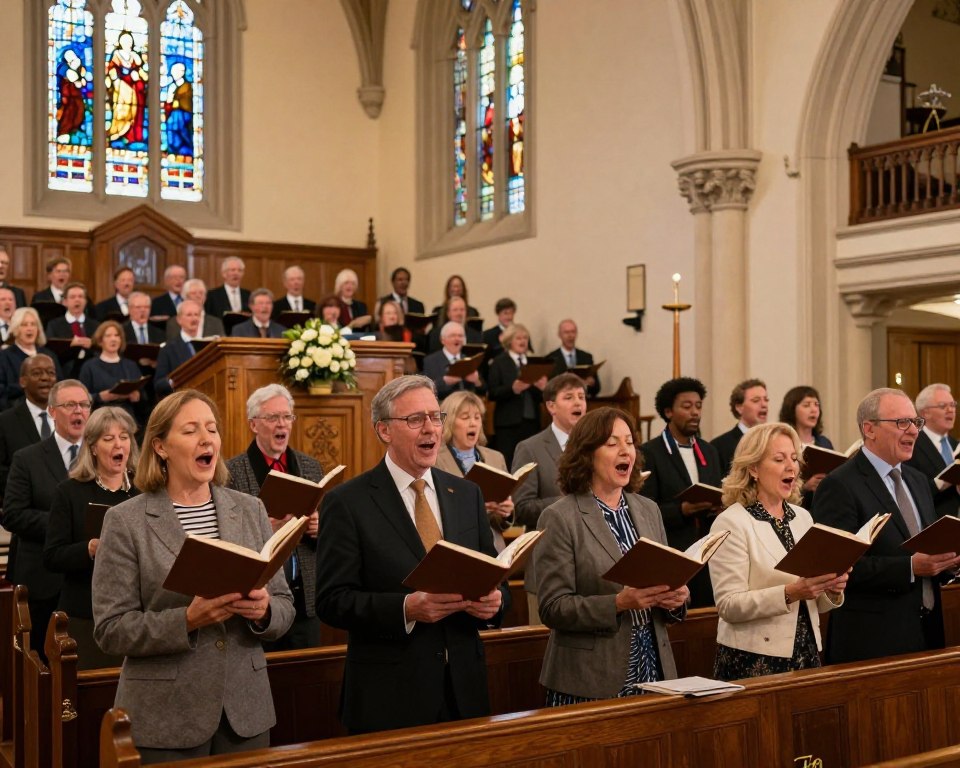
Congregational singing is a vital aspect of Presbyterian worship, fostering a sense of community and unity among church members. When the congregation sings together, it creates a powerful expression of collective faith and worship.
To enhance congregational participation, many Presbyterian churches incorporate hymns that are familiar to the congregation, ensuring that everyone can participate fully in the worship service.
Music as a Tool for Teaching
Music serves as an effective tool for teaching biblical truths and Christian values. Hymns often contain doctrinal statements and theological insights that can educate and edify the congregation.
By incorporating hymns into the worship service, Presbyterian churches can reinforce their theological teachings and provide a rich, multisensory experience for worshipers.
Seasonal Hymns for the Church Calendar
As the church year unfolds, Presbyterian congregations sing a variety of seasonal hymns that deepen their faith and communal worship. These hymns are carefully chosen to reflect the themes and moods of the different seasons, creating a rich tapestry of worship experiences throughout the year.
Advent and Christmas Hymns
The season of Advent is a time of preparation and anticipation, marked by hymns such as “O Come, O Come, Emmanuel,” which has been a cornerstone of Advent worship for centuries. This hymn, with its roots in the 12th century, beautifully captures the longing for the coming of Christ. Christmas hymns like “Joy to the World” and “Hark! The Herald Angels Sing” celebrate the joy and wonder of the Incarnation.
“The Advent season is a time of expectant waiting, and hymns like ‘O Come, O Come, Emmanuel’ help us to prepare our hearts for the coming of Christ.”
Lent and Easter Selections
During Lent, hymns often focus on themes of repentance, reflection, and preparation for Easter. Hymns like “Near to the Heart of God” and “Jesus, Remember Me” guide congregations through the Lenten journey. Easter hymns such as “Christ the Lord is Risen Today” and “Because He Lives” celebrate the resurrection of Jesus Christ, filling the worship service with joy and triumph.
Easter hymns are particularly significant as they proclaim the central message of Christianity: the resurrection of Jesus Christ. As one hymn writer notes, “The resurrection is the cornerstone of our faith, and hymns like ‘Christ the Lord is Risen Today’ remind us of the power and significance of this event.“
Pentecost and Ordinary Time
Pentecost, marking the descent of the Holy Spirit, is celebrated with hymns that emphasize the Spirit’s work in the church and in individual believers. Hymns like “Come, Holy Spirit, Heavenly Dove” and “Spirit of the Living God” invoke the presence and power of the Holy Spirit. During Ordinary Time, hymns cover a wide range of themes, from the call to discipleship to the celebration of the saints.
- O Come, O Come, Emmanuel (Advent)
- Christ the Lord is Risen Today (Easter)
- Come, Holy Spirit, Heavenly Dove (Pentecost)
In conclusion, the use of seasonal hymns in the Presbyterian Church enriches the worship experience, guiding congregations through the church year with meaningful and relevant songs. By incorporating these hymns into worship services, congregations can deepen their understanding of the Christian faith and enhance their communal worship.
Hymn Resources for Congregations
In today’s digital age, congregations have access to a wide range of hymn resources, from traditional hymnals to online databases. This diversity enables Presbyterian churches to enrich their worship services with a variety of hymns that cater to different tastes and preferences.
Printed Hymnals and Guides
Printed hymnals remain a cornerstone of worship in many Presbyterian congregations. Resources like “The Book of Praise” and the Presbyterian Hymnal provide a rich collection of traditional and contemporary hymns. These hymnals not only offer a comprehensive selection of hymns but also include guidance on worship planning and liturgical practices.
“The use of a good hymnal is like having a little library of theology at your fingertips,” notes a worship leader. This highlights the importance of having a reliable and theologically sound hymnal in Presbyterian worship.
Online Hymn Databases
The digital age has brought about a significant shift in how congregations access hymns. Online hymn databases such as Hymnary.org have become invaluable resources. These platforms offer vast collections of hymns, often with searchable databases, making it easier for congregations to find specific hymns or plan worship services around particular themes or seasons.
- Hymnary.org
- Other online hymn databases
Mobile Apps for Worship Music
Mobile apps have further expanded the accessibility of hymn resources. Apps designed for worship music allow congregations to access hymns, lyrics, and chord charts on their smartphones or tablets. This technology supports a more flexible and dynamic approach to worship planning.
As one worship leader puts it, “Technology has opened up new avenues for us to engage our congregation in worship.” This reflects the growing trend of leveraging mobile technology to enhance the worship experience.
The Craft of Writing Presbyterian Hymns
The art of writing Presbyterian hymns is a nuanced blend of theological insight, musical talent, and sensitivity to the worshiping community. Aspiring hymn writers must navigate the rich tradition of Presbyterian hymnody while contributing fresh expressions of faith.
Tips for Aspiring Hymn Writers
Aspiring hymn writers should start by deeply engaging with scripture and the theological themes that are central to Presbyterian worship. Understanding the liturgical calendar and how hymns are used throughout the year can help writers craft hymns that are relevant and timely.
It’s also crucial to consider the musical aspects of hymn writing. Melodies should be memorable and accessible to the congregation, while lyrics should be poetic and theologically sound. Collaboration is key; working with musicians and worship leaders can help refine both the musical and lyrical elements of a hymn.
“The hymns we sing are a vital part of our worship, expressing our beliefs, hopes, and prayers. They connect us to our heritage and to each other.”
Collaborating with Worship Leaders
Collaborating with worship leaders is essential for hymn writers. Worship leaders can provide insights into the needs of the congregation and the flow of the worship service, helping writers to create hymns that fit seamlessly into the liturgy.
| Aspect | Description | Benefit |
|---|---|---|
| Theological Accuracy | Ensuring hymns align with Presbyterian doctrine | Maintains integrity of worship |
| Musical Accessibility | Crafting melodies that are easy to sing | Enhances congregational participation |
| Liturgical Relevance | Aligning hymns with the worship calendar | Supports the flow of worship services |
Focusing on Theology and Scripture
Presbyterian hymns are deeply rooted in scripture and theology. Writers should focus on crafting hymns that reflect the core beliefs and values of the Presbyterian tradition, using biblical imagery and themes to convey their message.
By grounding their work in scripture and theology, hymn writers can create hymns that are not only beautiful and meaningful but also deeply resonant with the Presbyterian community.
Hymn Singing Practices in Churches
Hymn singing is a cornerstone of Presbyterian worship, fostering a sense of community and spiritual connection among congregants. It is through the collective voice of the congregation that the true power of hymn singing is realized.
Congregational Singing: The Heart of Worship
Congregational singing is vital in Presbyterian churches, as it encourages active participation from the congregation. This collective participation strengthens the sense of community and enhances the worship experience.
Benefits of Congregational Singing
- Enhances community bonding
- Encourages active worship participation
- Fosters a sense of unity among congregants
The Role of Choirs in Worship
While congregational singing is central, choirs also play a significant role in enhancing the worship experience. Choirs can lead the congregation in song, provide special musical presentations, and add depth to the worship service.
The balance between choir participation and congregational singing is crucial for a harmonious worship experience.
| Aspect | Congregational Singing | Choir Participation |
|---|---|---|
| Leadership | Congregation leads itself | Choir leads the congregation |
| Participation | Active participation from all | Specialized participation by choir members |
| Impact | Fosters unity and community | Enhances worship with specialized music |
The Role of Accompaniment in Worship
Accompaniment, whether through organ, piano, or other instruments, supports and enhances hymn singing. It provides a musical foundation that can elevate the emotional and spiritual impact of the hymns.

The accompaniment should complement the singing, providing a harmonious and supportive background that encourages congregational participation.
Famous Presbyterian Hymn Writers
The legacy of Presbyterian hymns is deeply rooted in the contributions of renowned hymn writers such as Isaac Watts, Fanny J. Crosby, and Charles Wesley. These individuals have left an indelible mark on the Presbyterian Church’s worship practices through their compositions.
Isaac Watts and His Contributions
Isaac Watts is often regarded as the “Father of English Hymnody.” His hymns, characterized by their theological depth and poetic beauty, have been widely used in Presbyterian worship. Watts’ contributions include hymns that are still sung today, such as “When I Survey the Wondrous Cross” and “Joy to the World.” His work laid the foundation for future generations of hymn writers.
Fanny J. Crosby’s Legacy
Fanny J. Crosby, despite being blind, became one of the most prolific hymn writers in history. Her hymns, known for their evangelistic fervor and personal touch, have been embraced by the Presbyterian Church. Crosby’s hymns like “Blessed Assurance” and “To God Be the Glory” continue to inspire worshippers. Her legacy is a testament to the power of faith and creativity.
The Influence of Charles Wesley
Charles Wesley, a key figure in the Methodist movement, also significantly influenced Presbyterian hymnody. His hymns, marked by their rich theological content and emotional depth, have been incorporated into Presbyterian worship. Wesley’s compositions, such as “O for a Thousand Tongues to Sing” and “And Can It Be That I Should Gain,” are still cherished today. His work demonstrates the ecumenical nature of hymnody, transcending denominational boundaries.
The contributions of these famous Presbyterian hymn writers have enriched the worship life of the church. Their hymns continue to be a vital part of Presbyterian worship practices, inspiring faith and fostering a sense of community among worshippers.
Using Hymns for Devotional Practices
The use of hymns in devotional practices is a timeless tradition that enriches personal and family worship experiences. Hymns have a unique ability to convey deep emotions and spiritual truths, making them an invaluable part of one’s devotional life.
Personal Devotions with Hymns
Incorporating hymns into personal devotions can be a powerful way to enhance one’s spiritual journey. By reflecting on the lyrics of hymns, individuals can gain a deeper understanding of their faith and connect with God on a more intimate level. Some ways to use hymns in personal devotion include:
- Singing or reading hymns as a form of prayer or meditation
- Reflecting on the theological truths and biblical references within hymns
- Using hymns as a guide for journaling or personal reflection
Incorporating Hymns into Family Worship
Family worship is an essential aspect of many Christian households, and hymns can play a vital role in these gatherings. Singing hymns together as a family can foster a sense of unity and shared faith. Some tips for incorporating hymns into family worship include:
- Choosing hymns that are relevant to the current season or theme
- Encouraging all family members to participate in singing
- Using hymns as a springboard for discussions about faith and scripture
Meditation and Reflection through Music
Hymns can also be used as a tool for meditation and reflection. The rich imagery and theological depth found in many hymns provide a wealth of material for contemplation. By slowing down and focusing on the lyrics of a hymn, individuals can enter into a deeper state of meditation and connection with God.
In conclusion, hymns offer a wealth of opportunities for enriching devotional practices, both personally and within families. By incorporating hymns into daily devotion and family worship, individuals can deepen their faith and foster a more meaningful connection with their spirituality.
The Future of Hymnody in the Presbyterian Church
The Presbyterian Church’s rich hymnody tradition is poised for continued evolution, driven by innovations in worship music, efforts to engage younger generations, and the increasing role of technology in worship.
New Directions in Worship
Innovations in worship music are likely to shape the future of hymnody, incorporating diverse styles and genres while maintaining the theological depth that characterizes Presbyterian hymns.
Reaching Younger Generations
Engaging younger generations will be crucial, potentially involving the integration of contemporary music styles and the use of digital platforms to enhance worship experiences.
Technology’s Role in Hymn Singing
Technology will continue to impact hymn singing, with online resources, mobile apps, and digital hymnals offering new ways to access and participate in worship.
As the Presbyterian Church moves forward, embracing these changes while preserving its heritage will be key to a vibrant future for hymnody.
FAQ
What is the significance of hymns in Presbyterian worship?
Hymns play a vital role in enhancing the spiritual experience of congregations in Presbyterian worship, fostering a sense of community and connection with the divine.
What are some classic Presbyterian hymns that are still widely sung today?
Classic hymns such as “A Mighty Fortress Is Our God,” “How Great Thou Art,” and “Blessed Assurance” continue to be an integral part of Presbyterian worship, cherished for their timeless theology and beautiful melodies.
How have contemporary hymns impacted Presbyterian worship?
Contemporary hymns like “10,000 Reasons (Bless the Lord)” by Matt Redman, “Who You Say I Am” by Hillsong Worship, and “Way Maker” by Sinach and Leeland have brought a fresh wave of creativity and enthusiasm to Presbyterian worship, appealing to diverse age groups and musical tastes.
What resources are available to congregations for accessing and utilizing hymns in worship?
Congregations can draw upon a range of resources, including printed hymnals, online hymn databases, and mobile apps, to discover and incorporate new hymns into their worship services, enriching their musical heritage.
How can aspiring hymn writers contribute to the Presbyterian hymnody tradition?
Aspiring hymn writers can make a meaningful contribution by collaborating with worship leaders, grounding their hymns in theology and scripture, and crafting melodies that are both memorable and theologically rich.
What is the role of congregational singing in Presbyterian worship?
Congregational singing is a vital aspect of Presbyterian worship, fostering a sense of unity and participation among worshipers, and is often accompanied by choirs and instrumental accompaniment to enhance the overall musical experience.
How can hymns be used in devotional practices, both personally and within families?
Hymns can be a powerful tool for personal devotion and family worship, providing a rich source of meditation and reflection, and can be used to explore the depths of faith and spirituality.
What is the future of hymnody in the Presbyterian Church, and how can it continue to evolve?
The future of hymnody in the Presbyterian Church is likely to be shaped by innovations in worship music, efforts to engage younger generations, and the impact of technology on hymn singing, all of which will contribute to the ongoing evolution of this rich musical tradition.
Who are some famous Presbyterian hymn writers, and what are their contributions?
Renowned Presbyterian hymn writers, such as Isaac Watts, Fanny J. Crosby, and Charles Wesley, have made significant contributions to the Presbyterian hymnody tradition, crafting hymns that continue to inspire and uplift congregations to this day.