The roots of the Presbyterian denomination can be traced back to the 16th-century Protestant Reformation, significantly influenced by theologians like John Calvin.
John Calvin, a French theologian and pastor, played a crucial role in shaping the reformed theology that the Presbyterian Church is known for. His contributions to Protestantism have had a lasting impact.
The Presbyterian Church’s governance and theological beliefs were further developed by other key figures during the Reformation.
Key Takeaways
- The Presbyterian Church originated from the 16th-century Protestant Reformation.
- John Calvin was a pivotal figure in the development of Presbyterianism.
- The church is characterized by its presbyterian form of government.
- Reformed theology is a core aspect of Presbyterian beliefs.
- The church’s history is deeply intertwined with the Protestant Reformation.
The Origins of the Presbyterian Church
The origins of the Presbyterian Church are closely tied to the Protestant Reformation of the 16th century. This period was marked by significant religious, social, and political upheaval across Europe, creating a fertile ground for the emergence of new Christian denominations.
Historical Context of the Reformation
The Protestant Reformation was a complex movement driven by various factors, including theological disputes, corruption within the Catholic Church, and the invention of the printing press, which allowed for the widespread dissemination of ideas. The Reformation’s impact was profound, leading to a reevaluation of church practices and doctrines.
Key factors contributing to the Reformation included:
- The rise of humanism and its emphasis on individual interpretation of religious texts
- Criticism of Catholic Church practices, such as the sale of indulgences
- The role of emerging nation-states in challenging papal authority
Key Figures in the Reformation
Several individuals played crucial roles in shaping the Reformation and, by extension, the Presbyterian Church. Martin Luther is often credited with initiating the Reformation, while John Calvin and John Knox were instrumental in developing the theological and governance structures that would characterize Presbyterianism.
The Role of John Calvin
John Calvin’s contributions to the Presbyterian Church cannot be overstated. His theological writings, particularly his Institutes of the Christian Religion, provided a comprehensive framework for Reformed theology. Calvin’s emphasis on the sovereignty of God, the authority of Scripture, and the importance of church governance by elders resonated with many and helped shape Presbyterian polity.
The influence of Calvin’s ideas can be seen in the:
- Development of Reformed churches across Europe and beyond
- Establishment of a governance system based on elders and assemblies
- Emphasis on education and the training of ministers
Life and Contributions of John Calvin
The life and work of John Calvin, a French theologian and pastor, played a crucial role in shaping the Presbyterian Church’s doctrine and practices. As a key figure in the Protestant Reformation, Calvin’s influence extended beyond his writings to the very fabric of Presbyterianism.
Early Life and Education
John Calvin was born on July 10, 1509, in Noyon, France. His early education was focused on theology, with the intention of becoming a priest. However, Calvin’s exposure to humanist ideas and the Protestant Reformation led him to shift his focus towards law, studying at the University of Orléans and later at the University of Bourges. Calvin’s conversion to Protestantism occurred during this period, significantly influencing his future contributions to the Presbyterian Church.
Calvin’s educational background in law and theology equipped him with the skills necessary to articulate his theological insights clearly and persuasively. His studies and subsequent writings laid the groundwork for the Presbyterian denomination’s governance and doctrine.
Major Writings and Theological Insights
Calvin’s most famous work, Institutes of the Christian Religion, first published in 1536, is considered a foundational text for Reformed theology. This comprehensive guide to Christian theology addressed various aspects of church doctrine, governance, and practice, shaping the theological landscape of the Reformation. Calvin’s emphasis on the sovereignty of God, the authority of Scripture, and the importance of church governance by elders resonated with many, contributing to the spread of Presbyterianism.
Through his writings, Calvin provided a systematic approach to Protestant theology, influencing not only the Presbyterian Church but also other Reformed denominations. His theological insights continue to be studied and revered today, underscoring his role as a pivotal figure in the history of Presbyterianism.
Calvin’s legacy as the Presbyterian Church founder and Presbyterianism creator is evident in the enduring impact of his theological works and the global presence of Presbyterian denominations. As a Presbyterian denomination founder, Calvin’s contributions to church governance, doctrine, and practice remain fundamental to Presbyterian identity.
The Spread of Presbyterianism in Europe
Presbyterianism’s roots in the Reformation soon led to its expansion into various European countries, including Scotland, France, and the Netherlands. This expansion was largely influenced by the writings and teachings of John Calvin and other Reformed theologians.
The movement gained significant traction in Scotland, where John Knox played a pivotal role in establishing the Presbyterian Church. Knox’s interactions with Calvin in Geneva had a profound impact on his theological perspectives, which he later implemented in Scotland.
Growth in Scotland
The growth of Presbyterianism in Scotland was marked by several key events and figures. John Knox’s leadership was instrumental in shaping the church’s governance and theology.
- The establishment of the Kirk Session, which became the fundamental unit of church governance.
- The adoption of the Confession of Faith and the Book of Discipline, which outlined the theological and practical aspects of the Presbyterian Church.
The influence of Presbyterianism in Scotland was not limited to religious practices; it also had significant social and political implications.
| Year | Event | Significance |
|---|---|---|
| 1560 | Reformation Parliament | Adopted the Confession of Faith, marking a significant step towards establishing Presbyterianism in Scotland. |
| 1561 | Return of John Knox | Knox returned to Scotland and began to organize the Presbyterian Church. |
Influence in France and the Netherlands
Presbyterianism also had a notable influence in France and the Netherlands. In France, the movement was closely associated with the Huguenots, who were influenced by Calvin’s teachings.
In the Netherlands, the Reformed Church, which shared many theological similarities with Presbyterianism, became a major religious force. The Synod of Dort (1618-1619) was a significant event that highlighted the theological debates within the Reformed Church.
The spread of Presbyterianism across Europe during the Reformation period not only shaped the religious landscape but also had lasting impacts on the social and political structures of the countries involved.
Key Beliefs of the Presbyterian Church
At the heart of the Presbyterian Church’s doctrine are its views on God’s sovereignty and the authority of Scripture. These foundational beliefs shape the church’s theology, governance, and worship practices.
Sovereignty of God
The Presbyterian Church places a strong emphasis on the sovereignty of God, believing that God is actively involved in all aspects of life and salvation. This belief is rooted in the teachings of John Calvin, a key figure in the Reformation.
Key aspects of God’s sovereignty include:
- The belief that God is all-powerful and all-knowing.
- The understanding that God’s will is supreme in all things.
- The conviction that salvation is a work of God, from initiation to completion.
The Importance of Scripture
The authority of Scripture is another cornerstone of Presbyterian belief. Presbyterians hold that the Bible is the inspired word of God and is authoritative in matters of faith and practice.
The role of Scripture in Presbyterianism includes:
- Guiding the church’s teachings and preaching.
- Informing the church’s governance and decision-making processes.
- Shaping the personal faith and practices of believers.
The Presbyterian Church’s commitment to the sovereignty of God and the authority of Scripture has significant implications for its theology, worship, and community life. These beliefs are central to understanding the Presbyterian Church’s identity and practices.
Establishment of Presbyterian Churches in the U.S.
Presbyterianism in the United States was significantly shaped by the early European settlers, particularly those from Scotland and Ireland. These settlers brought with them their religious beliefs, practices, and governance structure, which would eventually form the backbone of the Presbyterian Church in America.
Early Settlers and Their Influence
The early settlers played a crucial role in establishing the first Presbyterian churches. Many of these settlers were Presbyterian ministers and laypeople who fled persecution in Europe. They were instrumental in setting up congregations and organizing the church’s initial governance structure.
Key figures among these early settlers included:
- Ministers who had been educated in the Reformed tradition
- Lay leaders who had experience in church governance
- Immigrants who brought with them the theological insights of John Calvin and other Reformation leaders
The Role of Immigration in Growth
Immigration played a significant role in the growth and spread of Presbyterianism in the United States. As more Presbyterians arrived from Scotland, Ireland, and other parts of Europe, the church expanded its reach across the American colonies.
The table below illustrates the growth of Presbyterian churches in different regions of the United States during the 18th and 19th centuries:
| Region | Number of Churches (1700s) | Number of Churches (1800s) |
|---|---|---|
| Northeast | 50 | 200 |
| Mid-Atlantic | 100 | 500 |
| Southern Colonies | 20 | 300 |
The growth of the Presbyterian Church was not limited to the number of churches. It also experienced an increase in membership and influence within the communities where it was established.
The church’s emphasis on education, moral integrity, and community service helped to foster a positive reputation and attract new members.
The Formation of the Presbyterian Church in America
As the United States began to take shape, the Presbyterian Church in America started to formalize. The late 18th century was a period of significant growth and development for the church, influenced by the writings and teachings of John Calvin and other Reformed theologians.
The process of formalization involved several key events and the leadership of influential figures. One of the pivotal moments was the adoption of the Westminster Confession of Faith, which became a foundational document for Presbyterian theology and governance.
Key Events Leading to Formalization
The Presbyterian Church in America’s formal establishment was preceded by several crucial events. These included:
- The Synod of New York and Philadelphia’s adoption of the Westminster Confession of Faith.
- The establishment of the first Presbyterian churches in the American colonies.
- The role of the Great Awakening in revitalizing Presbyterianism.
These events laid the groundwork for the church’s structure and theological identity. As noted by historian Mark Noll, “The Presbyterian Church in America was shaped by its Reformed heritage and the challenges of the New World.”
“The Presbyterian Church in America was a product of the Reformation and the colonial experience, blending European theology with American practicality.”
Key Leaders in American Presbyterianism
Several leaders played a significant role in shaping the Presbyterian Church in America. One of the most notable was John Witherspoon, a Scottish-American Presbyterian minister and the only clergyman to sign the Declaration of Independence.
| Leader | Contribution |
|---|---|
| John Witherspoon | Signed the Declaration of Independence, influenced American Presbyterianism |
| Francis Makemie | Organized the first Presbyterian presbytery in America |
| Jonathan Dickinson | First moderator of the Synod of New York and Philadelphia |
These leaders, along with others, contributed to the development of the Presbyterian Church in America, shaping its theology, governance, and mission.
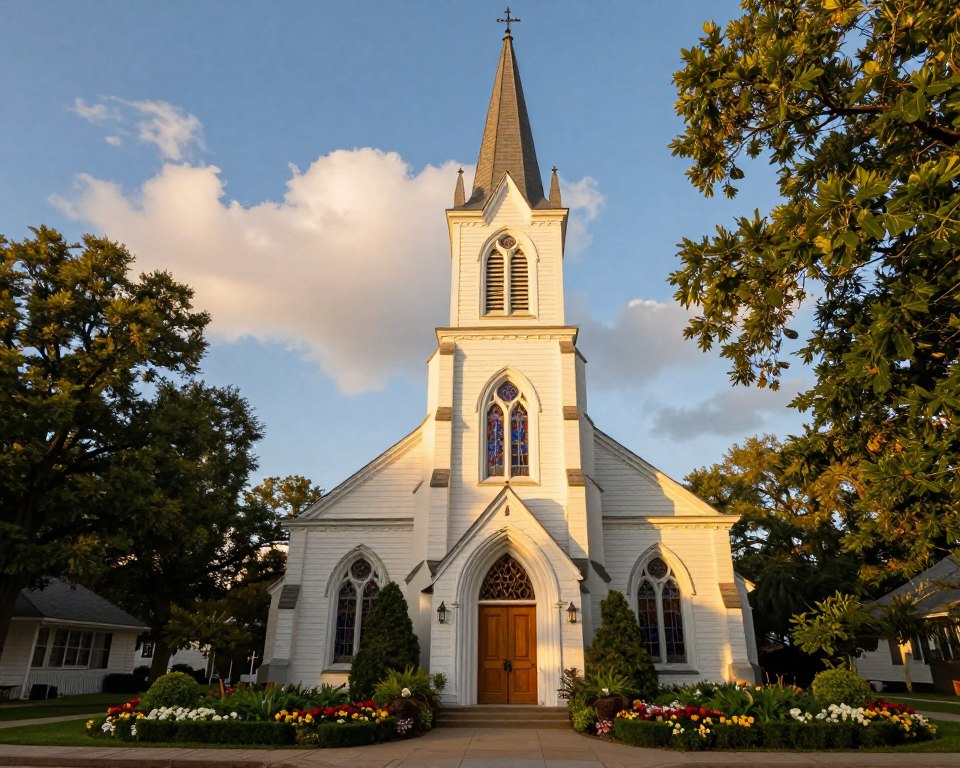
The formation of the Presbyterian Church in America was a complex process influenced by historical events, theological traditions, and the leadership of key figures. Understanding this history provides valuable insights into the church’s identity and mission today.
Differences Between Presbyterian Denominations
The diversity within Presbyterianism is evident in the numerous denominations that have emerged over time, each with its distinct theology and governance. This diversity is a result of historical, theological, and social factors that have shaped the Presbyterian Church over the centuries.
As noted by historian Mark Noll, “The Presbyterian Church has been shaped by its history, and its history has been shaped by its theology.”
“The Presbyterian Church has been a major player in American religious life, with its emphasis on education, governance, and social justice.”
Presbyterian Church (USA) vs. PCA
The Presbyterian Church (USA) and the Presbyterian Church in America (PCA) are two of the largest Presbyterian denominations in the United States. While both share a common Presbyterian heritage, they have distinct differences in their theology and practice.
The Presbyterian Church (USA) is known for its more progressive stance on social issues and its emphasis on inclusivity. In contrast, the PCA is generally considered more conservative, adhering to a more traditional interpretation of Presbyterian theology.
A key difference between the two denominations lies in their views on scripture and gender roles. The PCA tends to hold a more conservative view on these issues, while the Presbyterian Church (USA) has taken a more progressive stance, ordaining women and embracing LGBTQ+ inclusion.
Other Notable Presbyterian Groups
Beyond the Presbyterian Church (USA) and PCA, there are other notable Presbyterian denominations. These include the Orthodox Presbyterian Church (OPC), known for its conservative theology and adherence to Reformed traditions, and the Evangelical Presbyterian Church (EPC), which takes a more moderate stance on theological and social issues.
Each of these denominations contributes to the rich tapestry of Presbyterianism in America, offering a range of theological perspectives and practices. Understanding these differences is crucial for appreciating the complexity and diversity of the Presbyterian tradition.
The Role of the Presbyterian Church Today
Today, the Presbyterian Church continues to play a significant role in community service and advocacy. With a strong foundation in its history and theology, the church is actively engaged in addressing various social issues.
Community Engagement and Service
The Presbyterian Church is committed to serving communities through various programs and initiatives. Community engagement is a core aspect of its mission, focusing on issues such as poverty, education, and social justice.
- Food banks and hunger relief programs
- Education and literacy initiatives
- Community development projects
The church’s commitment to service is reflected in its local congregations, which often partner with other organizations to provide comprehensive support to those in need.
The Church’s Position on Social Issues
The Presbyterian Church takes a proactive stance on various social issues, advocating for policies and practices that promote justice and equality.
| Issue | Position |
|---|---|
| Climate Change | Advocates for environmental stewardship and reduction of carbon footprint |
| Social Justice | Promotes equality and justice for all, particularly for marginalized communities |
| Human Rights | Supports the protection of human rights globally |
The church’s positions on these issues are guided by its theological principles and commitment to serving the broader community.
In summary, the Presbyterian Church today is a vibrant institution dedicated to community service, social justice, and advocacy. Its efforts reflect a deep commitment to the well-being of society and the promotion of human dignity.
Notable Presbyterian Leaders Through History
The Presbyterian Church’s rich history is attributed to the tireless efforts of its notable leaders. These individuals have not only shaped the church’s theology and practices but have also made significant contributions to society and culture.
Influential Pastors and Theologians
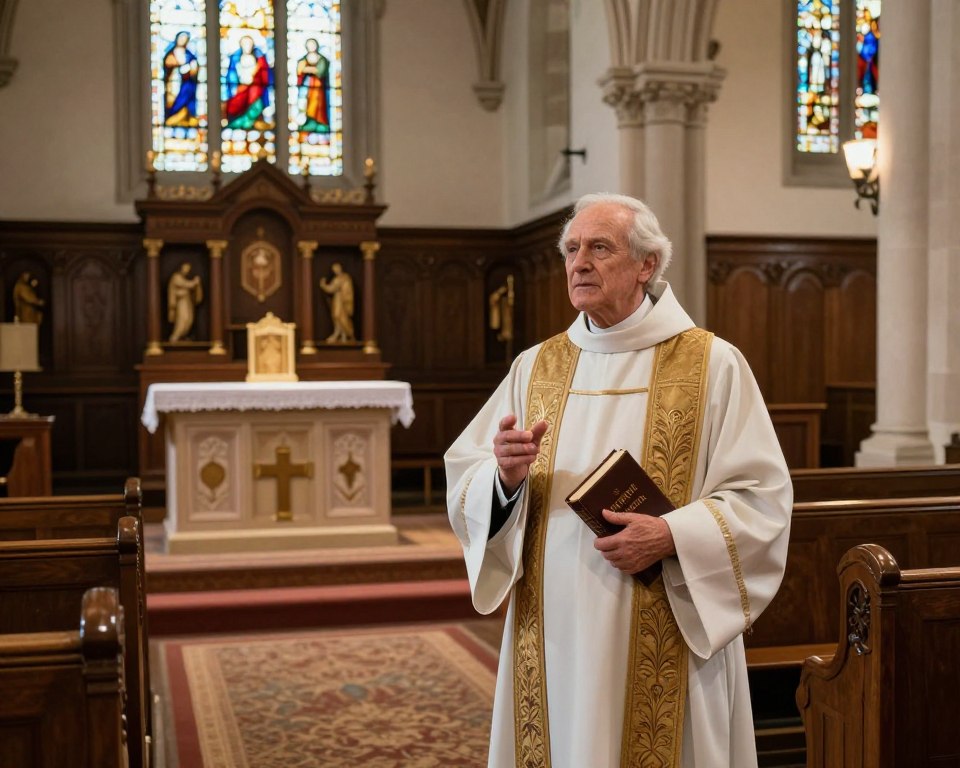
Figures such as John Calvin and John Knox have been instrumental in the development of Presbyterianism. John Calvin, known as the presbyterianism creator, laid the theological foundations that would influence the church’s doctrine and governance. John Knox, on the other hand, played a crucial role in establishing Presbyterianism in Scotland.
Other notable Presbyterian leaders include Charles Hodge, who was a prominent theologian in the 19th century, and Jonathan Edwards, whose writings on theology and philosophy continue to be studied today.
Contributions to Society and Culture
Presbyterian leaders have made lasting impacts on society and culture. For instance, the emphasis on education and personal responsibility has led to the establishment of numerous schools and universities. The Presbyterian Church (USA) has also been at the forefront of social justice movements, advocating for the rights of marginalized communities.
The influence of Presbyterian leaders can be seen in the areas of literature, politics, and social reform. Their commitment to the principles of the Reformation has shaped not only the church but also the broader cultural landscape.
In conclusion, the contributions of notable Presbyterian leaders have been profound, shaping both the church and society at large. Their legacy continues to influence contemporary Presbyterianism and beyond.
The Future of the Presbyterian Church
With its rich history and diverse congregations, the Presbyterian Church is poised to address the challenges and opportunities of the 21st century. As the church moves forward, it must balance its commitment to traditional values with the need to adapt to changing social and cultural contexts.
Trends in Membership and Participation
The Presbyterian Church has experienced fluctuations in membership over the years. Recent trends indicate a decline in traditional membership, but there are also signs of growth in certain areas, particularly among diverse and younger populations.
Key trends include:
- Increasing diversity within congregations
- Growing interest in social justice and community engagement
- A shift towards more contemporary forms of worship
Challenges and Opportunities Ahead
The Presbyterian Church faces several challenges as it looks to the future, including declining membership in some denominations and the need to address social issues such as inequality and environmental sustainability.
Opportunities for growth and renewal include:
- Embracing technological advancements to enhance worship and community engagement
- Developing new programs and initiatives to attract younger members
- Strengthening partnerships with other faith communities and organizations
By addressing these challenges and seizing opportunities, the Presbyterian Church can continue to play a vital role in the lives of its members and the broader community.
Understanding Presbyterian Governance
At the heart of the Presbyterian Church is a governance system that emphasizes the role of elders and deacons. This system is rooted in the church’s history and theology, reflecting the principles of the Reformation.
Church Leadership Structure
The Presbyterian Church is governed by a system of representative assemblies, which includes local churches, presbyteries, synods, and the General Assembly. This structure allows for a balance between local autonomy and denominational unity.
Key Components of Presbyterian Governance
- Local Church Session: Led by elders, responsible for the spiritual guidance of the congregation.
- Presbytery: A regional assembly that oversees several local churches.
- Synod: A higher assembly that coordinates the work of presbyteries within a larger geographic area.
- General Assembly: The highest governing body of the Presbyterian Church, meeting annually to make decisions for the denomination.
Role of Elders and Deacons
Elders and deacons play crucial roles in the governance and ministry of the Presbyterian Church. Elders are responsible for spiritual leadership, while deacons focus on service and care for the congregation and community.
| Position | Responsibilities |
|---|---|
| Elders | Spiritual leadership, governance, teaching, and pastoral care. |
| Deacons | Service, care for the congregation and community, managing church benevolence. |
The unique governance structure of the Presbyterian Church allows it to maintain a balance between tradition and contemporary needs, ensuring that it remains relevant and effective in its mission.
Resources for Learning More
For those interested in delving deeper into the history and theology of Presbyterianism, various resources are available. Exploring the presbyterianism history can provide a richer understanding of the church’s development and its core beliefs.
Exploring Presbyterian Literature
Numerous books and articles offer insights into the presbyterian church origins and the evolution of Presbyterian thought. Readers can discover influential works by theologians such as John Calvin, whose writings have significantly shaped Presbyterian theology.
Online Educational Opportunities
Online courses and educational platforms provide an accessible way to learn about presbyterianism beginnings and its ongoing practices. These resources cater to a range of interests, from the historical context of the Reformation to contemporary issues within the Presbyterian Church.
By engaging with these resources, individuals can gain a deeper understanding of Presbyterianism and its role in modern society.
FAQ
Who is considered the founder of the Presbyterian Church?
John Calvin, a French theologian and pastor, is often attributed as the founder of the Presbyterian Church due to his significant influence on the Protestant Reformation and the development of Presbyterian theology and governance.
What is the historical context of the Presbyterian Church?
The Presbyterian Church originated in the 16th century Protestant Reformation, a time of significant social and religious upheaval in Europe, influenced by key figures such as John Calvin and John Knox.
What are the key beliefs of the Presbyterian Church?
The Presbyterian Church is characterized by its emphasis on the sovereignty of God and the authority of Scripture, reflected in its theology, governance, and worship practices.
How did Presbyterianism spread throughout Europe?
Presbyterianism spread throughout Europe during the 16th and 17th centuries, influenced by the writings and teachings of John Calvin and other Reformed theologians, taking root in countries such as Scotland, France, and the Netherlands.
What role did John Knox play in the development of the Presbyterian Church?
John Knox played a significant role in establishing the Presbyterian Church in Scotland, shaping its theology and governance, and contributing to the growth of Presbyterianism in the region.
What is the significance of the Westminster Confession of Faith?
The Westminster Confession of Faith is a key document in Presbyterian theology, adopted by the Presbyterian Church in America, outlining the church’s understanding of God’s sovereignty and the authority of Scripture.
What are the differences between Presbyterian denominations?
Presbyterian denominations, such as the Presbyterian Church (USA) and the Presbyterian Church in America (PCA), have distinct differences in their theology, governance, and practices, reflecting varying interpretations of Presbyterian principles.
How is the Presbyterian Church governed?
The Presbyterian Church is governed by a unique structure of church leadership, featuring a system of representative assemblies, with elders and deacons playing key roles in the decision-making process.
What is the role of the Presbyterian Church in community engagement and service?
The Presbyterian Church is actively engaged in community service and advocacy on social issues, such as poverty, education, and social justice, reflecting its commitment to serving others and promoting social change.
Who are some notable Presbyterian leaders throughout history?
Notable Presbyterian leaders, including John Calvin, John Knox, and John Witherspoon, have made significant contributions to the development of Presbyterian theology and governance, shaping society and culture.
What are the challenges and opportunities facing the Presbyterian Church today?
The Presbyterian Church faces various challenges and opportunities in the 21st century, including trends in membership and participation, changing social and cultural contexts, and the need to remain true to its theology and mission.
Where can I learn more about Presbyterianism?
Resources for learning more about Presbyterianism include books, articles, and online courses on the history, theology, and practices of the Presbyterian Church, providing a wealth of information for those seeking to understand the denomination.