When communities face devastation, hope often feels out of reach. One faith-based group steps in to bridge that gap, offering practical aid and emotional support when it’s needed most. Their efforts extend far beyond initial emergencies, staying long after others have moved on.
This organization focuses on both physical rebuilding and spiritual renewal. They work across the U.S. and globally, partnering with local groups to ensure help reaches those overlooked. From flooded neighborhoods to wildfire-stricken towns, their teams provide supplies, rebuild homes, and restore dignity.
What sets them apart? A commitment to long-term recovery. While many groups leave once headlines fade, they remain for years—rebooting schools, counseling families, and planting seeds of resilience. Their approach blends hands-on work with compassionate listening, addressing trauma while reconstructing infrastructure.
Preparedness is also key. They train communities to handle future challenges, turning vulnerability into strength. Follow their journey through social media channels like Facebook or Instagram for real-time updates on how faith fuels action.
Key Takeaways
- Provides immediate relief and multi-year recovery plans for affected areas
- Operates through local partnerships to maximize cultural sensitivity
- Prioritizes emotional healing alongside infrastructure rebuilding
- Offers disaster preparedness training to reduce future risks
- Maintains active social media presence for transparency and engagement
Our Mission & Core Services
In the aftermath of crisis, healing begins where immediate aid ends. Our work focuses on restoring both tangible resources and inner strength, ensuring no one walks through recovery alone.
Spiritual and Emotional Care for Affected Communities
Trauma lingers long after floodwaters recede. Teams provide one-on-one counseling and group sessions to help process grief. Local volunteers trained in crisis intervention become steady companions during uncertain times.
Faith-based methods blend with practical guidance. This dual approach helps families rebuild routines while finding meaning in loss. Partnerships with regional groups ensure cultural sensitivity in every conversation.
Long-Term Recovery & Ongoing Relief Initiatives
Rebuilding homes takes years, not months. Specialists assist with insurance paperwork, contractor referrals, and financial planning. Over 80% of families still receive check-ins three years post-crisis.
Economic revival programs help restart businesses and farms. Seed grants and job training create sustainable futures. This commitment to follow-through transforms temporary shelters into thriving neighborhoods.
| Focus Area | Timeframe | Key Actions |
|---|---|---|
| Emotional Support | 0-6 Months | Counseling, support groups |
| Infrastructure | 6-24 Months | Home repairs, school rebuilding |
| Economic Recovery | 12+ Months | Job training, small business grants |
Volunteers remain onsite through every phase, adapting to evolving needs. This enduring presence turns crisis survivors into community leaders.
lutheran disaster response: Timely Assistance & Community Support
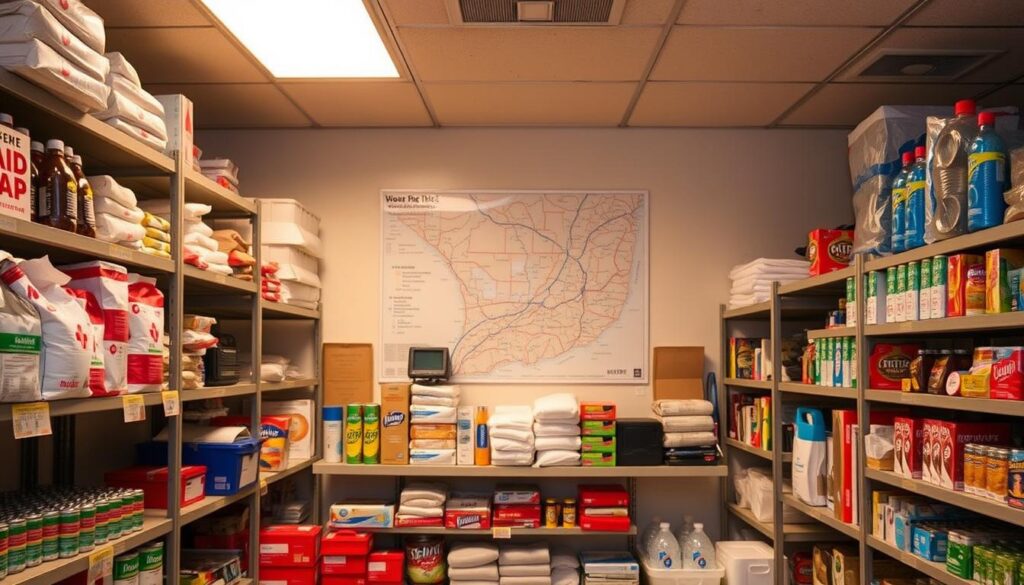
When emergencies strike, every minute counts. Faith-based networks activate quickly, delivering essentials like bottled water, blankets, and medical supplies within hours. Their secret? Strong local partnerships and pre-staged resource hubs across high-risk regions.
Emergency Relief and Preparedness Resources
Preparation saves lives. That’s why teams distribute free wildfire safety checklists and winter storm guides to families. These materials simplify complex plans into actionable steps—like creating evacuation routes or building emergency kits.
Local congregations become the first line of defense. Volunteers train neighbors to shut off gas lines, administer first aid, and document property damage. “We practice drills quarterly,” says a North Carolina church leader. “When floods hit last year, everyone knew their role.”
Strategic alliances amplify impact. By working with groups like FEMA and the Red Cross, relief efforts avoid overlaps. Shared databases track real-time needs, ensuring help reaches the most vulnerable first.
| Resource Type | Timeframe | Key Partners |
|---|---|---|
| Wildfire Safety | Pre-Event | State VOADs, Local Synods |
| Winter Storm Prep | Year-Round | American Red Cross |
| Emergency Planning | Ongoing | FEMA, Lutheran Social Services |
Recovery starts long before headlines fade. Teams stay for years, transitioning from crisis relief to rebuilding schools. This seamless approach turns temporary shelters into thriving towns.
Volunteer Engagement and Community Resources
Strong communities grow when people unite around shared goals. Our network turns compassion into action through structured programs that match skills with urgent needs. Whether rebuilding a neighbor’s home or mentoring youth, every contribution sparks lasting change.
Connecting Local Congregations and Volunteers
Churches serve as hubs for meaningful action. Members can “fan” their district through an interactive platform, receiving real-time updates about nearby projects. This system highlights training sessions, supply drives, and rebuilding efforts within 50 miles of their church.
Young volunteers gain hands-on experience through LERT programs. These workshops teach emergency skills while nurturing spiritual resilience. One teen participant shared: “I learned to install flood barriers and comfort survivors—all in one weekend.”
Collaborative Partnerships with Community Stakeholders
Regional alliances multiply impact. The Carolinas coalition combines universities, retreat centers, and men’s groups into a powerful relief network. Together, they provide preparedness workshops and long-term recovery plans tailored to local cultures.
| Role | Training Focus | Key Partners |
|---|---|---|
| First Responders | Crisis Management | Local Synods, DDRCs |
| Youth Volunteers | LERT Certification | LCMS Youth, Novus Way |
| Community Leaders | Resource Coordination | Lenoir-Rhyne University, SC Retreat Centers |
District Disaster Response Coordinators offer ongoing support, helping congregations adapt to evolving challenges. This teamwork ensures no community faces crises alone—before, during, or after emergencies strike.
Conclusion
True compassion shows its strength when the world stops watching. Organizations that continue their work long after cameras leave prove their dedication to healing broken communities. Through coordinated efforts and spiritual care, affected families rebuild not just homes but renewed purpose.
This faith-based network combines practical resources with emotional support, addressing both visible damage and hidden scars. Their mission—“Empowered by Christ, we prepare for and respond to challenges through collaboration”—fuels lasting partnerships with local groups. Together, they create recovery plans that respect cultural values while restoring stability.
Training programs and volunteer networks help neighborhoods build resilience. Over 80% of assisted communities report stronger social connections years later. This approach transforms temporary shelters into thriving towns where hope outlasts hardship.
Want to join these efforts? Contact Lutheran Services Carolinas at 1-800-HELPING or the Carolinas coalition at 919-861-2886. Every contribution fuels holistic healing that honors human dignity—one rebuilt life at a time.
FAQ
What types of assistance do you provide during emergencies?
We offer immediate relief like food, shelter, and supplies, alongside emotional and spiritual guidance. Our teams also focus on rebuilding efforts and preparedness training to help communities stay resilient.
How can I get involved as a volunteer?
Volunteers can join local projects through congregations or regional hubs. Opportunities range from hands-on rebuilding to organizing donations. Training is provided to ensure safe and effective support.
Do you only help Lutheran church members?
No—our aid is available to everyone, regardless of background or beliefs. We prioritize collaboration with diverse groups to address needs equitably and inclusively.
What resources are available for disaster preparedness?
We share guides, workshops, and toolkits to help households and congregations plan for crises. Topics include evacuation strategies, emergency kits, and community communication networks.
How do you partner with other organizations?
We work with nonprofits, government agencies, and faith groups to pool resources and expertise. These partnerships amplify our impact, ensuring faster and more coordinated recovery efforts.
How long do recovery initiatives typically last?
Recovery can take years, depending on the crisis. We stay committed until communities regain stability, offering everything from temporary housing to mental health support.
Can I donate supplies instead of money?
Yes! Check our website for current needs, like hygiene kits or building materials. Local congregations often serve as drop-off points for donated items.