For over 70 years, a trusted organization has delivered hope to communities across the American West. Originally founded in 1948, this faith-based group helps people navigate life’s challenges through practical resources and emotional guidance. Their mission focuses on building stronger communities by addressing needs like housing, mental health, and family stability.
What makes this organization stand out is its commitment to inclusive care. Everyone receives assistance regardless of beliefs, identity, or background. Offices stretch from Colorado’s Front Range to New Mexico, Utah, and Montana, ensuring help reaches even rural areas.
Teams blend professional expertise with heartfelt compassion, creating safe spaces for growth. Partnerships with local agencies and donors allow programs to adapt to changing needs while maintaining financial transparency. This approach has earned trust from both clients and supporters.
Key Takeaways
- Seven decades of community service rooted in faith-based values
- Assistance provided without discrimination across four states
- Strategic locations ensure accessibility in urban and rural areas
- Combines professional skills with personalized compassion
- Collaborative model maximizes community impact
- Recognized for financial accountability and transparent operations
Overview of Lutheran Family Services Rocky Mountains and Their Mission
Rooted in post-war compassion, this Colorado-born agency has grown into a multi-state support network. Starting as a local initiative in 1948, it now helps diverse populations across four states. Guided by spiritual values, the group welcomes all people while maintaining professional standards.
Values-Driven Assistance for All
The organization’s approach blends spiritual foundations with modern social work practices. Staff members receive training in cultural awareness to better serve different backgrounds. This ensures everyone gets respectful help, whether they’re seeking housing aid or emotional support.
Growth Through Decades of Service
From its original Denver office, operations expanded to meet regional needs. Strategic partnerships helped create programs addressing specific community challenges. Check key milestones in the organization’s development:
| Year | Milestone | Impact |
|---|---|---|
| 1948 | Colorado founding | Local family support programs |
| 1982 | Multi-state expansion | Utah/NM offices opened |
| 2005 | Disaster response training | Regional crisis readiness |
| 2020 | Virtual services launch | Increased rural access |
This growth reflects ongoing adaptation to community needs. Teams prioritize measurable outcomes while maintaining personal connections with those they assist.
Services and Programs Offered by Lutheran Family Services
Meeting critical needs through tailored assistance defines this organization’s approach. Their diverse offerings address challenges at every life stage, blending practical resources with emotional guidance.
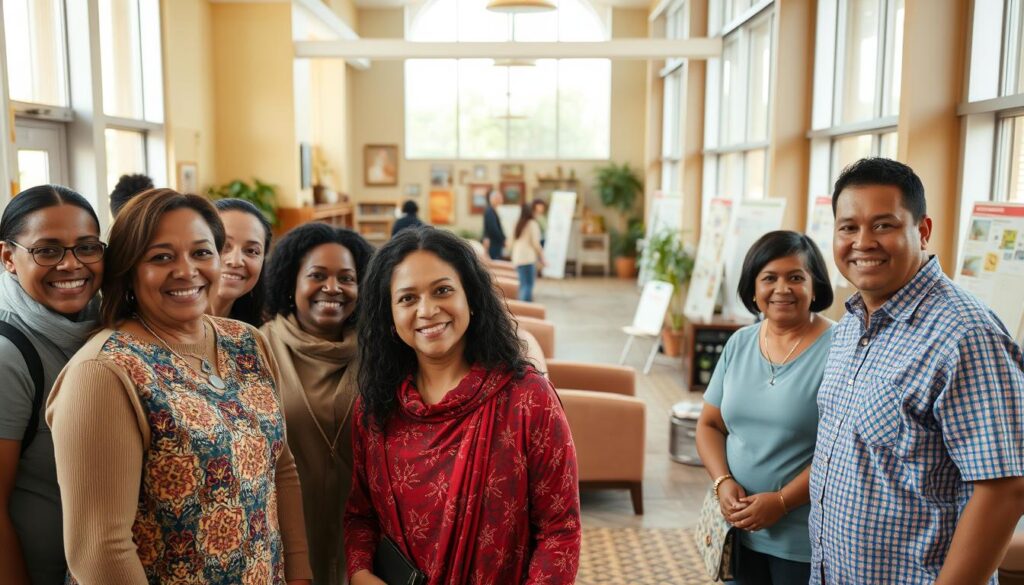
Refugee and Asylee Support Programs
In 2023, 6,312 individuals found stability through specialized resettlement initiatives. These programs help newcomers secure housing, learn English, and connect with employers. “We focus on dignity first,” explains a caseworker. “Every family deserves tools to rebuild confidently.”
Services extend beyond initial relocation. Long-term support includes mental health counseling and citizenship preparation. Cultural orientation workshops help refugees adapt while preserving their heritage.
Foster Care, Family Support, and Disaster Relief
Last year’s efforts united 6,146 children with nurturing homes through foster care partnerships. Ongoing training helps caregivers address complex emotional needs. For biological families, parenting classes and crisis counseling strengthen bonds.
When disasters strike, rapid response teams deliver essentials to affected households. In 2023, 1,375 families received emergency supplies and recovery guidance. Additional programs protect seniors through guardianship services and connect adoptive parents with children needing permanent homes.
“Their holistic model doesn’t just fix problems – it builds resilience.”
Financial Highlights and Operational Accountability
Transparent financial practices fuel meaningful community impact. In 2023, over $28.6 million supported critical assistance programs, with 91 cents of every dollar directly funding help for those in need.
Where Resources Make Impact
The organization directs funds where they matter most. Refugee and asylee support received $19.75 million last year – the largest investment. This helps newcomers build lives in the United States through housing, job training, and language classes.
| Program | 2023 Expenses | Key Focus |
|---|---|---|
| Refugee Assistance | $19,750,436 | Resettlement & integration |
| Foster Care | $6,257,721 | Child & family support |
| Disaster Response | $674,437 | Emergency relief |
| Senior Care | $379,522 | Older adult services |
Funding comes from diverse sources to ensure stability. Government partnerships provide 88% of resources, while private grants and donations add flexibility. This mix allows quick responses to emerging needs.
Operational efficiency shines through the numbers. Only 8% goes to administration – far below the 15% charity benchmark. One donor notes: “They turn dollars into doorways – every contribution opens opportunities.”
Governance and Board Leadership in Action
Strong governance forms the backbone of effective community support systems. A dedicated 15-member board guides strategic decisions while maintaining rigorous accountability standards. This diverse group includes professionals like Chair Lori Knutson, whose role as Denver Metro Colorado First Assistant Attorney General brings legal expertise to organizational oversight.

Building Trust Through Ethical Practices
The board demonstrates commitment to transparency through concrete actions. Every new member completes formal orientation and signs agreements outlining their responsibilities. Annual conflict-of-interest reviews ensure decisions always prioritize community needs over personal gain.
Key governance features include:
- Mandatory ethics training for all board directors
- Diverse recruitment processes that value different perspectives
- Annual CEO evaluations aligning leadership with program goals
Continuous Improvement Culture
Regular self-assessments help the board refine its approach. Teams analyze performance metrics every three years to identify growth opportunities. “Our governance isn’t static,” notes a board member. “We evolve alongside the communities we serve.”
This proactive approach extends to staff management. With 272 team members across multiple offices, clear communication channels ensure smooth operations. President James Horan leads this network, coordinating efforts that help thousands annually while maintaining responsible compensation practices.
“Good governance doesn’t just watch over programs – it actively strengthens them.”
Client Impact and Community Engagement Initiatives
Communities across the Rocky Mountain region see real change through hands-on partnerships. From Colorado Springs to Salt Lake City, teams work side-by-side with neighbors to create lasting solutions. Listening drives action – over 87% of program improvements last year came directly from client suggestions.
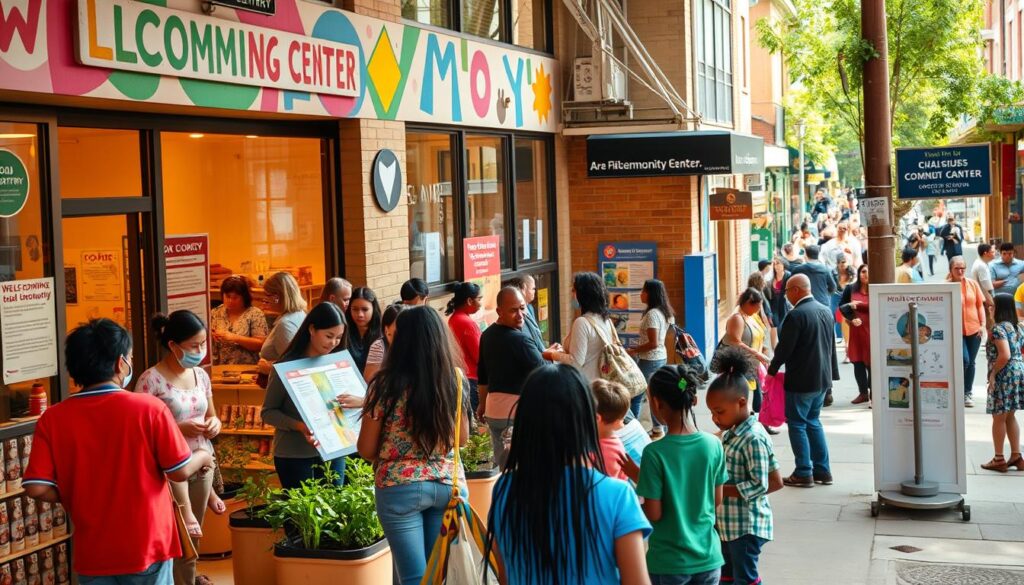
Voices Shape Better Support
Regular surveys and town halls help understand what works – and what doesn’t. One parent in Colorado Springs shared: “They actually used my feedback to shorten wait times for childcare help.” This responsive approach ensures resources match local needs in every office location.
Teams track satisfaction across different groups to spot gaps. Special attention goes to ensuring equal access regardless race or gender identity. When data showed transportation challenges in rural areas, mobile units began visiting remote communities weekly.
Balancing feedback collection with service delivery takes creativity. Staff use quick digital surveys and community liaisons to reduce response burdens. These efforts help strengthen family support education programs while maintaining personal connections.
“Our partnership grows stronger because they value our lived experiences.”
Through nine regional offices, from Albuquerque to Billings, teams adapt services while keeping quality consistent. This localized strategy helps address unique challenges in each area while sharing successful approaches across the Rocky Mountain network.
Conclusion
Delivering hope through action, this faith-based organization sets the gold standard in community support. Their work transforms lives across multiple states, blending compassionate care with proven strategies. By meeting all 20 Standards for Charity Accountability, they prove trustworthiness isn’t just promised – it’s practiced daily.
From refugee resettlement to foster care programs, every initiative focuses on sustainable solutions. Tax-deductible donations under IRS 501(c)(3) status fuel these efforts, ensuring resources reach those who need them most. Financial transparency remains central, with independent audits confirming ethical operations.
What truly stands out? Their ability to adapt while keeping care personal. Whether helping newcomers build lives in the United States or supporting families through crises, programs evolve based on real community needs. This approach creates ripples of positive change that strengthen entire regions.
Through seven decades of service, one truth endures: meaningful help starts with listening. By valuing every voice and maintaining open doors, they turn challenges into opportunities for growth. That’s how lasting impact gets built – one life at a time.
FAQ
What communities does the organization serve?
Support is available across Colorado and parts of the Rocky Mountain region, including urban and rural areas. Assistance extends to individuals and families regardless of background, with specialized programs for refugees, foster youth, and older adults.
How are refugee resettlement programs structured?
Refugee and asylee initiatives include housing assistance, cultural orientation, job training, and language access. Caseworkers provide personalized guidance through legal processes, employment searches, and community integration over 12–24 months.
Are donations used responsibly?
Yes. Over 85% of funding directly supports programs like foster care and disaster relief. Annual audits and public financial reports ensure transparency. Grants, private contributions, and partnerships with groups like Mile High United Way supplement operations.
Can LGBTQ+ individuals access services safely?
Absolutely. The organization adheres to strict non-discrimination policies. Staff receive training on gender identity and cultural sensitivity to create inclusive environments for all clients.
What volunteer roles are available?
Opportunities range from mentoring foster youth to assisting refugee families with household setup. Corporate groups often organize donation drives or skill-based workshops. Background checks are required for roles involving direct client interaction.
How does the board ensure ethical leadership?
A diverse 15-member board oversees governance through committees focused on finance, programs, and equity. Members participate in annual training on fiduciary duties, conflict resolution, and trauma-informed care standards.