Nestled in Charlotte’s heart lies a green space that grows more than vegetables. Since 2018, this volunteer-driven project has become a lifeline for neighbors facing food insecurity. Over 5,700 pounds of fresh produce have left its soil—enough to fill 7 pickup trucks.
What makes this initiative unique? Every participant promises to share at least half of their harvest. This simple rule turns backyard gardening into a powerful act of care. Families from McClintock Middle School and local food banks receive tomatoes, kale, and squash throughout the growing season.
The space does double duty as a gathering spot. Visitors often find volunteers swapping recipes alongside gardening tips. Children learn where food comes from while digging in the compost pile. Birdsong mixes with laughter under the shade of sunflowers.
At its core, this effort shows what happens when people unite around a shared purpose. It’s not just about planting seeds—it’s about nurturing connections. The mission stays clear: grow food, feed neighbors, and strengthen community bonds one row at a time.
Key Takeaways
- Transformed urban space into a food source since 2018
- Over 5,700 pounds of vegetables donated locally
- Gardeners commit 50% of harvest to neighbors in need
- Partners with schools and Charlotte-area food programs
- Combines sustainable agriculture with community building
- Creates hands-on learning opportunities for all ages
Overview of the Case Study
A grassroots effort to combat hunger took root five years ago in Charlotte. What started with a handful of volunteers and raised beds has become a blueprint for community-driven change. Every seed planted here carries dual purpose—nourishing bodies while cultivating connections.
Background of the Garden Initiative
In 2018, local organizers noticed a troubling pattern: fresh produce often didn’t reach kitchen tables in their neighborhood. Their solution? Create growing spaces where participation requires sharing. Volunteers agreed to donate half their harvests, ensuring tomatoes and kale reached food pantries first.
The church played a key role from the start. By offering land and logistical support, they helped transform empty lots into fertile ground. This partnership proved vital during the 2021 expansion to Christ South Land and Christ Concord locations.
Timeline and Growth Since Inception
Growth came steadily through smart planning:
- 2019: Added 12 new beds and trained 15 gardeners
- 2020: Partnered with 3 schools for educational programs
- 2021: Doubled capacity through strategic relocation
Today, over 40 regular volunteers tend the soil each season. Their work proves that when communities grow together, everyone harvests the benefits.
Inside the Lutheran Garden: Community and Design Impact
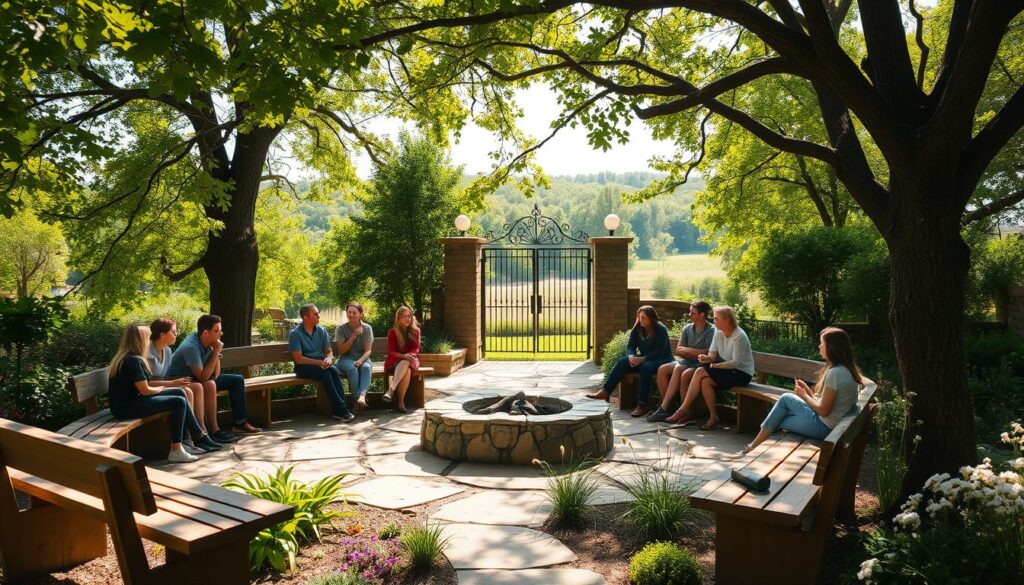
Morning sunlight filters through sunflowers as children’s laughter mixes with the clang of wind chimes. This vibrant space transforms ordinary afternoons into adventures, blending play with purpose. Every corner serves dual roles—learning stations double as art studios, while vegetable beds become science labs.
Thoughtful Landscape and Design Features
Colorful chalk stations line pathways where kids sketch plant life cycles. Nearby, paintbrushes dip into rainwater collected from repurposed gutters. Sand tables sit beside raised beds, letting little hands compare soil textures and seed shapes.
Musical instruments made from recycled materials hang between fruit trees. Their melodies guide visitors to shaded reading nooks under mature oaks. Tricycle paths wind past pollinator gardens, teaching motion and ecology in one joyful loop.
Church Partnerships and Community Support
Local congregations provide more than land—they fuel a culture of shared stewardship. Volunteers from multiple faith groups team up for planting days, while retired members lead storytelling sessions under the pergola.
This collaboration extends beyond physical upkeep. Churches host recipe swaps using harvest surplus and organize donation drives for gardening tools. Together, they’ve created a model where diverse skills strengthen the organization’s impact—from master gardeners to mural painters.
Harvesting Success: Produce, Partnerships, and Neighborhood Benefits
Fresh vegetables create ripples of change far beyond their planting beds. This initiative’s structured approach ensures every tomato and zucchini reaches tables through strategic collaborations and smart growing systems.
Abundant Harvests and Donation Impact
Last season’s yield filled 1,200+ grocery bags for Charlotte families. The McPIE ministry partnership with McClintock Middle School delivers boxes of peppers and herbs directly to students’ homes. “Our kids now recognize kale as food, not just a decoration,” notes a school nutrition coordinator.
| Bed Size | Annual Rent | Yield Potential |
|---|---|---|
| 4′ x 8′ Half Bed | $30 | 50-75 lbs |
| 4′ x 16′ Full Bed | $50 | 100-150 lbs |
Drip irrigation keeps water use 40% lower than traditional methods. Gardeners keep half their harvest while neighbors receive the rest through six local food pantries. This split creates a double harvest—fresh meals for participants and recipients alike.
Seasonal Expansion and Community Engagement
Spring brings seedling workshops where new growers learn composting basics. Fall festivals feature “veggie tastings” that turn skeptics into spinach fans. The $30-$50 bed fees make participation accessible while funding tools and soil amendments.
Donations of any size keep the program thriving. A $15 gift buys seeds for three families, while $100 sponsors a school field trip. These contributions ensure everyone can dig in—literally and financially—to grow a healthier community.
Conclusion
Five years of growth have shown what’s possible when hands join in purpose. This community-driven mission has delivered over 5,700 pounds of fresh food to Charlotte tables since 2018, proving small plots can yield big change. From its original site to expanded locations, the initiative thrives through church leadership and neighborly teamwork.
Newcomers find open arms here—no gardening experience required. Volunteers share skills while digging alongside first-time growers. Together, they’ve turned empty spaces into life-giving gardens that feed families and friendships alike.
Your time or $15 donation plants seeds for tomorrow’s harvest. Every contribution strengthens this organization’s ability to fight hunger while building connections. As other groups seek solutions, this model shines—a blueprint where compassion takes root in fertile soil.
Come taste the joy of shared work. Whether you’re spreading mulch or sharing recipes, you’ll help neighbors thrive. That’s the true harvest—a community nourished in body and spirit.
FAQ
How can I get involved with the community space?
Volunteers are always welcome! Reach out to local organizers to join planting days, workshops, or seasonal events. No prior experience is needed—just bring enthusiasm and a willingness to learn.
Is the fresh produce available to everyone?
Yes! A portion of the harvest is donated to food banks, shelters, and neighbors in need. The rest supports volunteers and partners who help maintain the space. Everyone is encouraged to take part.
What makes this initiative unique compared to other urban projects?
Its focus on collaboration sets it apart. Churches, schools, and local businesses work together to create a welcoming environment. The design also prioritizes sustainability, with rainwater collection and native plants.
Are there educational opportunities for kids or families?
Absolutely! Seasonal workshops teach composting, gardening basics, and healthy cooking. Families can also participate in harvest festivals or adopt planting beds to nurture together.
How does the space handle challenges like extreme weather?
Raised beds, mulch layers, and drought-resistant plants help protect crops. Volunteers adjust planting schedules based on forecasts, and greenhouses extend growing seasons during colder months.
Can local groups host events here?
Yes—the area is open for gatherings, wellness classes, or community meetings. Contact the team to discuss availability and guidelines for hosting activities that align with the mission.