In Cleveland’s St. Clair-Superior neighborhood, a non-profit organization has become a lifeline for thousands. Since opening its modern headquarters in 2013, this group has helped over 10,000 individuals annually tackle challenges like homelessness, disabilities, and long-term care needs. Their approach goes beyond short-term fixes, focusing on creating lasting stability through tailored programs.
The Richard Sering Center at 4515 Superior Avenue serves as the heart of their operations. Here, personalized support meets innovative solutions designed to address both urgent needs and future goals. From housing assistance to job training, every service aims to build independence while respecting each person’s unique journey.
What makes this effort stand out? It’s the holistic strategy that connects healthcare, income-building opportunities, and community resources. Partnerships with local businesses and government agencies ensure services reach those who need them most. This collaborative model helps families and individuals find not just help, but hope.
By prioritizing dignity and long-term success, the organization empowers people to rewrite their stories. Their work proves that with the right tools and support, anyone can move toward a brighter tomorrow.
Key Takeaways
- Serves 10,000+ individuals annually through comprehensive support programs
- Focuses on sustainable solutions for homelessness, disabilities, and care needs
- Operates from the Richard Sering Center, established in 2013
- Combines housing, healthcare, and income-building services
- Partners with local groups to maximize community impact
- Prioritizes dignity and long-term stability for all participants
About Lutheran Metropolitan Ministry
A beacon of hope emerged in 2013 for Cleveland’s struggling neighborhoods. The organization moved into its current headquarters, tripling service capacity to support over 10,000 people yearly. This expansion allowed new programs addressing income barriers and long-term stability.
Our Mission and Vision
The group focuses on creating a comprehensive safety net for vulnerable residents. Their mission prioritizes housing, healthcare access, and job training while preserving individual dignity. Visionary strategies aim to break poverty cycles through sustainable support systems.
Evolution and Community Growth Since 2013
Strategic partnerships with local government and financial institutions fueled remarkable growth. The Richard Sering Center now serves an area where 41.5% face poverty and 23.6% lack jobs. Collaborative efforts have developed innovative solutions tailored to shifting community needs.
| Indicator | Statistic | Year |
|---|---|---|
| Poverty Rate | 41.5% | 2013 |
| Median Income | $45,700 | 2013 |
| Unemployment Rate | 23.6% | 2013 |
Programs and Services that Empower Lives
Empowerment begins with access to essential resources and skills. The organization’s network of support combines immediate aid with life-changing opportunities, creating pathways out of poverty through strategic partnerships and community-driven solutions.
Social Service Programs and Housing Development
Stable housing forms the foundation for personal growth and security. Emergency shelters transition into permanent homes through tailored support systems, helping people rebuild their lives with dignity. Affordable housing developments in high-need areas prioritize accessibility while fostering neighborhood connections.
Job training programs work hand-in-hand with housing services to address income barriers. “You can’t fix homelessness without fixing employment,” notes a program director. This dual approach helps participants develop marketable skills while securing safe living spaces.
Innovative Culinary School and Job Re-entry Initiatives
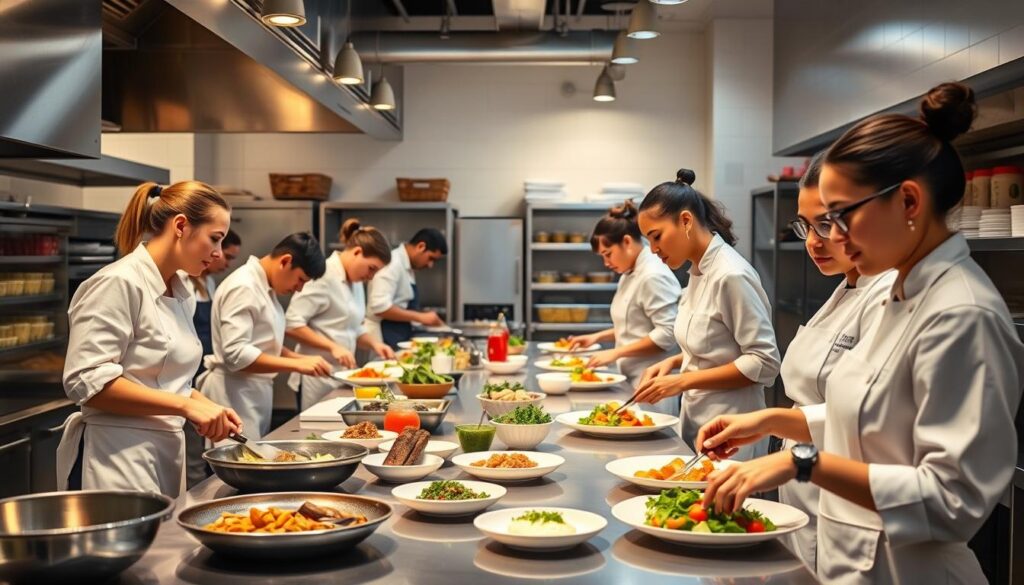
The commercial kitchen serves multiple purposes – classroom, community hub, and social enterprise. Students learn restaurant skills while preparing 3,000+ meals weekly for shelters, gaining hands-on experience that leads to living-wage jobs. Over 80% of culinary graduates secure full-time positions within six months.
Re-entry programs remove obstacles for formerly incarcerated individuals through:
- Expungement clinics clearing criminal records
- Transportation assistance to job interviews
- Mentorship from industry professionals
Youth initiatives in the 46,774-square-foot facility blend education with practical life skills. Teens learn financial literacy alongside cooking classes, breaking cycles of poverty through early intervention. These interconnected services create lasting change by addressing root causes rather than symptoms.
Financial Transparency and Community Investment
Trust forms the foundation of effective community support. The nonprofit maintains open financial records to show how every dollar creates change. Detailed reports reveal strategic investments in programs that break poverty cycles while keeping operations efficient.
Fiscal Highlights and Funding Overview
The $8 million Richard Sering Center project showcases smart money management. Funding came from:
- $2.3 million in CDP II grants
- $8 million New Markets Tax Credits
- $2.5 million Ohio NMTC funds
Leadership compensation reflects market standards for similar-sized organizations. In 2023, the CEO earned $175,000 – below national averages for comparable roles. This balance ensures skilled management while directing resources to services.
Partnerships and Sponsor Contributions
Collaborations multiply the community impact. PNC Bank and Cuyahoga County provide both funds and expertise. These alliances helped increase program capacity by 40% over five years.
Multi-year tracking shows consistent growth in service delivery. Funding diversity protects against economic shifts, ensuring stability even in challenging years. As one donor notes: “We trust them to turn investments into life-changing results.”
Community Services by lutheran metropolitan ministry
Building stronger neighborhoods starts with opportunity and access. This organization strengthens local residents through practical solutions that connect employment, transportation, and environmental care.
Job Creation and Workforce Development
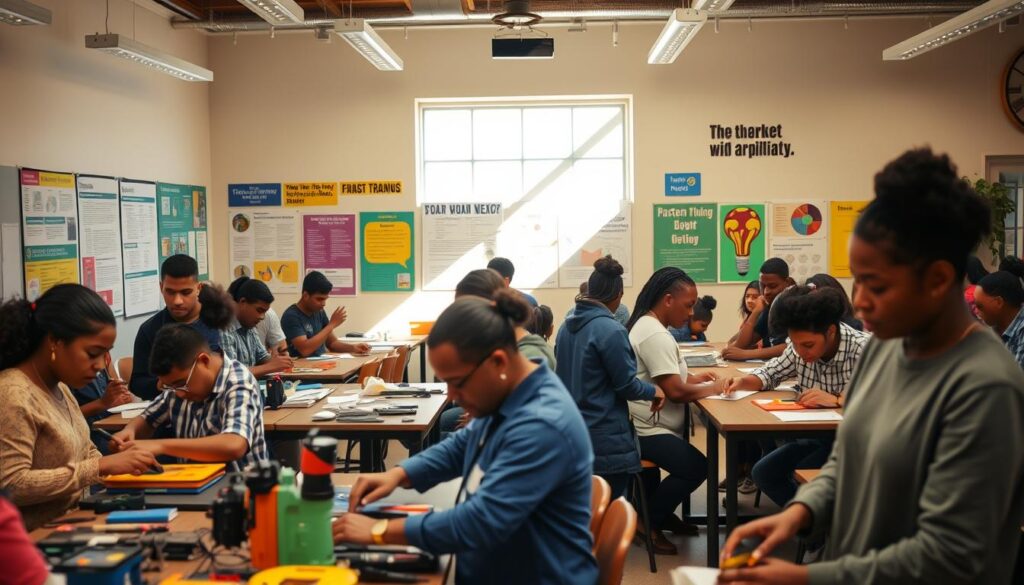
The group is adding 20 new positions this year while keeping all 60 current roles. These jobs range from social workers to culinary instructors, creating career paths that uplift both employees and those they serve.
Training programs focus on skills that lead to living-wage income opportunities. One staff member shares: “We help people rebuild confidence as they learn trades that employers need.” Specialized tracks support individuals overcoming employment barriers like criminal records or disabilities.
Accessible Transit and Environmentally Sustainable Outcomes
Located near major bus lines, the center removes transportation hurdles for 85% of participants. Easy access helps people attend job interviews, training sessions, and medical appointments consistently.
The building’s LEED Silver certification reflects eco-friendly practices that cut energy costs by 30%. Solar panels and water-saving systems create healthier spaces while teaching sustainable habits. This dual focus on jobs and green design shows how communities can thrive economically and environmentally.
Conclusion
Year after year, this Cleveland-based organization proves that lasting change grows from addressing root causes. Their model combines urgent aid with life-changing solutions, helping thousands rebuild stability through housing, job training, and healthcare access.
The Richard Sering Center stands as proof that smart partnerships create ripple effects. By focusing on income-building programs, they help participants develop skills that boost earning potential. Over 80% of culinary graduates secure jobs each year, breaking cycles of poverty.
What makes their approach work? A holistic strategy that removes barriers to success. From expungement clinics to solar-powered facilities, every service aims to empower while respecting individual dignity. Their transparent financial practices ensure resources directly support community needs.
As needs evolve, the group continues adapting its services. Recent expansions add 20 new positions yearly while maintaining year-round support for vulnerable populations. This commitment to innovation sets a national standard for tackling income inequality and housing challenges.
Through collaboration and creativity, they show how communities can thrive. Their story inspires others to invest in sustainable solutions that create brighter futures—one person, one family, one neighborhood at a time.
FAQ
What core values guide this organization’s work?
The group prioritizes dignity, equity, and empowerment. Their mission focuses on creating pathways out of poverty through housing, employment, and supportive services, while their vision champions a community where everyone thrives.
How has the organization expanded its impact since 2013?
Over the past decade, they’ve grown from offering basic shelter to developing holistic programs. Initiatives now include affordable housing projects, job training academies, and re-entry support, directly addressing systemic barriers faced by underserved populations.
What makes their culinary training program unique?
The culinary school combines hands-on kitchen experience with life-skills coaching. Graduates earn certifications while preparing meals for local shelters, blending education with immediate community service—a model that boosts employability and addresses food insecurity.
How are donations allocated to ensure fiscal responsibility?
Nearly 85% of funds go directly to programs. Annual reports detail expenses, such as housing development costs and workforce training budgets. Independent audits and partnerships with local businesses further ensure resources are used effectively.
Can businesses collaborate with their job-placement efforts?
Yes! Corporate sponsors hire graduates, donate equipment, or fund scholarships. Partnerships have placed over 1,200 individuals in jobs last year alone, with many employers benefiting from tax incentives and a skilled, diverse workforce.
Do they address environmental issues through their services?
Absolutely. Affordable housing projects include energy-efficient designs, reducing utility costs for residents. Job training also covers green industries, aligning economic growth with sustainable practices for long-term community health.