Step into a world where ancient traditions meet modern purpose. Across America, women of faith live out their spiritual calling through service, prayer, and communal bonds. While many associate religious sisterhoods solely with Catholicism, Protestant monastic communities quietly thrive—offering a unique expression of devotion rooted in Reformation principles.
These dedicated women balance traditional practices like daily prayer with active outreach. Their work spans hospitals, schools, and neighborhood programs, proving spirituality and practicality can coexist. Far from relics of the past, these communities adapt to contemporary needs while preserving core values of humility and service.
What makes their way of life distinctive? It’s the fusion of Luther’s teachings about personal vocation with monastic discipline. Members commit to shared spiritual growth without abandoning engagement with society. This approach creates meaningful connections between sacred rituals and everyday acts of care.
Key Takeaways
- Protestant monastic communities actively serve modern society through healthcare, education, and outreach
- Lutheran theology and monastic traditions blend to create unique expressions of faith
- Religious sisterhoods adapt historical practices to address current community needs
- Daily life balances prayer, communal living, and vocational service
- Members view their work as an extension of personal spiritual calling
- These groups maintain lower visibility than Catholic orders but share similar dedication
Exploring the World of Lutheran Nuns
In quiet corners of America, groups of women unite under a shared mission—transforming spiritual commitment into tangible care. These communities, rooted in the Evangelical Lutheran Church, prove sacred living thrives beyond monastery walls. Their days blend ancient rhythms with fresh solutions for today’s struggles.
Understanding Devotion, Faith, and Community Spirit
Morning prayers echo through simple chapels as members prepare for outreach. Shared meals and decision-making strengthen bonds. “We grow together through both worship and work,” explains one sister. This spirit fuels initiatives like:
- After-school tutoring for at-risk youth
- Mobile food pantries serving rural areas
- Counseling services for military families
Bridging Tradition and Modern Life
Historical practices meet innovation through adaptive approaches. Many wear simple tunics during worship but switch to practical clothes for neighborhood work. The table below shows how timeless values shape current efforts:
| Aspect | Traditional Practice | Modern Adaptation |
|---|---|---|
| Prayer Schedule | Seven daily offices | Streamlined sessions + meditation apps |
| Community Outreach | Local parish support | Social media crisis response teams |
| Education Roles | Church school teaching | Online spiritual mentorship programs |
| Vows | Lifelong commitment | Short-term service options available |
This flexible model allows members to address urgent needs while nurturing personal spiritual growth. Their work touches people across generations, proving ancient wisdom remains vital in contemporary society.
Historical Roots and Reformation Perspectives
The story of Protestant religious communities begins with a fiery debate about spiritual freedom. During the 1500s, Martin Luther challenged systems that trapped people in rigid structures rather than nurturing authentic faith. His critiques reshaped how believers viewed sacred commitments.
Monastic Life in the Early Church and Reformation Critiques
Sixteenth-century monasteries often prioritized rules over relationships. Luther witnessed young boys pressured into lifelong vows and adults believing monastic life guaranteed salvation. “The monastery became a carefully planned prison,” he argued, rejecting the idea that isolation earned divine favor.
Reformers highlighted dangerous practices:
– Children taking binding oaths before understanding their choice
– Leaders equating monastic vows with baptismal promises
– Communities claiming moral superiority over ordinary believers
Lessons from the Book of Concord
This foundational text clarifies Lutheran views on monasticism. While rejecting forced vows and works-based salvation, it leaves room for voluntary communities focused on service. The distinction matters: faith groups thrive when they uplift others rather than seek personal perfection.
Modern Lutheran Church communities apply these lessons by:
– Prioritizing grace over ritual obligations
– Encouraging members to serve beyond monastery walls
– Rejecting hierarchy that isolates people from daily life
“No one needs monastic vows to be saved—Christ alone is sufficient.”
Modern Monasticism in the United States
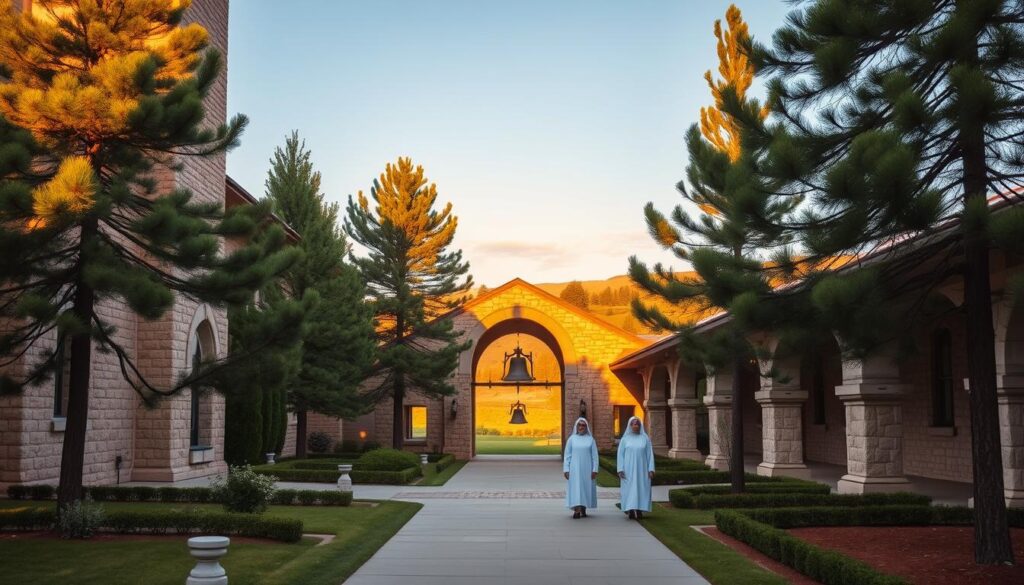
Tucked away in Michigan’s forests, Saint Augustine’s House stands as North America’s only Lutheran monastery. This quiet retreat welcomes believers from all denominational backgrounds, offering a space to live by St. Benedict’s ancient rules. Unlike medieval institutions, participation here is voluntary and age-appropriate—a direct response to Reformation-era concerns about forced commitments.
Evolution from Medieval Abuses to Contemporary Clarity
Modern communities learned from history’s mistakes. Gone are childhood vows and claims of spiritual superiority. Today’s monastic life focuses on:
- Service rooted in free choice rather than obligation
- Collaboration with local churches instead of isolation
- Practical outreach programs addressing modern needs
Insights from Saint Augustine’s House and Urban Monasteries
While Augustine House maintains rural solitude, Chicago’s Monastery of the Holy Cross thrives in an urban setting. Both share core values but adapt differently:
| Location | Focus | Community Impact |
|---|---|---|
| Rural Michigan | Silent retreats | Personal spiritual renewal |
| Chicago | Street ministry | Neighborhood support networks |
Global examples like Sweden’s Östanbäcks Kloster (founded 1960) show this movement’s reach. These communities prove monastic traditions can evolve while keeping faith alive through action.
Monastic Life: Community, Vows, and Contemplative Practices
Sacred promises shape every aspect of monastic existence, creating rhythms that sustain both personal faith and collective purpose. These commitments form invisible threads weaving individuals into intentional communities focused on spiritual growth.
The Role of Vows in Defining Community Living
Three timeless promises anchor monastic life across traditions:
- Poverty: Sharing resources to eliminate materialism
- Obedience: Aligning personal will with communal discernment
- Chastity: Channeling energy into spiritual relationships
| Tradition | Core Vows | Modern Adaptation |
|---|---|---|
| Traditional Monasticism | Poverty, Obedience, Chastity | Simplified interpretations |
| Benedictine Communities | Obedience, Stability, Conversion of Life | Flexible service periods |
Reformers clarified that “vows become holy only when chosen freely”. Today’s communities require a 3-10 year discernment process before final commitments. This extended timeline prevents rushed decisions and deepens understanding.
Unlike marriage vows creating family bonds, monastic promises forge spiritual kinship. Members find freedom in shared simplicity—their choices protected from societal pressures. Modern monasticism thrives through this balance of structure and voluntary dedication.
“We don’t take vows to earn grace—we live them to express gratitude for grace already given.”
Diverse Lutheran Monastic Traditions and Orders
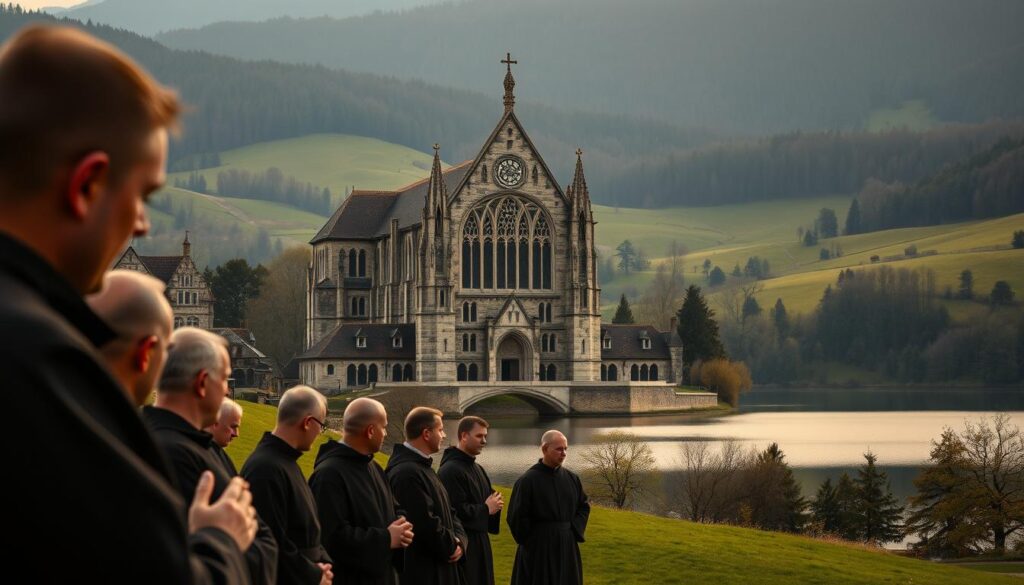
Imagine a spiritual framework so adaptable it thrives across centuries and denominations. The Order of St. Benedict offers precisely this—a 1,500-year-old tradition that empowers modern faith communities through flexible structure. Unlike rigid systems, its decentralized approach lets each monastery craft solutions for its unique context.
Exploring the Influence of the Order of St. Benedict
Benedictine monasteries operate like spiritual franchises—each location follows core principles while tailoring practices. This independence explains why you’ll find these communities in Lutheran churches, Anglican cathedrals, and even Methodist chapels. Their secret? St. Benedict’s Rule prioritizes spiritual essentials over denominational differences.
Consider how this works in practice:
- A Minnesota monastery blends Lutheran theology with ancient prayer rhythms
- An ecumenical convent in Texas hosts retreats for multiple Christian traditions
- Urban centers use Benedictine principles to address homelessness and addiction
| Feature | Centralized Orders | Benedictine Approach |
|---|---|---|
| Leadership | Single headquarters | Local self-governance |
| Adaptability | Standardized practices | Context-specific solutions |
| Denominational Reach | Mostly Roman Catholic | Multi-traditional |
This flexibility fuels surprising partnerships. A Lutheran monastery in Wisconsin recently collaborated with Roman Catholic sisters to launch a food distribution network. “Our shared Benedictine roots make teamwork natural,” notes their abbess. Such cooperation shows how ancient wisdom builds bridges in divided times.
While most Benedictine houses remain Roman Catholic, over 40 Lutheran-affiliated monasteries now operate globally. Their growth proves structured spirituality can flourish without rigid hierarchies—a lesson for modern faith seekers.
Lutheran Deaconesses: Pioneering Service in History and Today
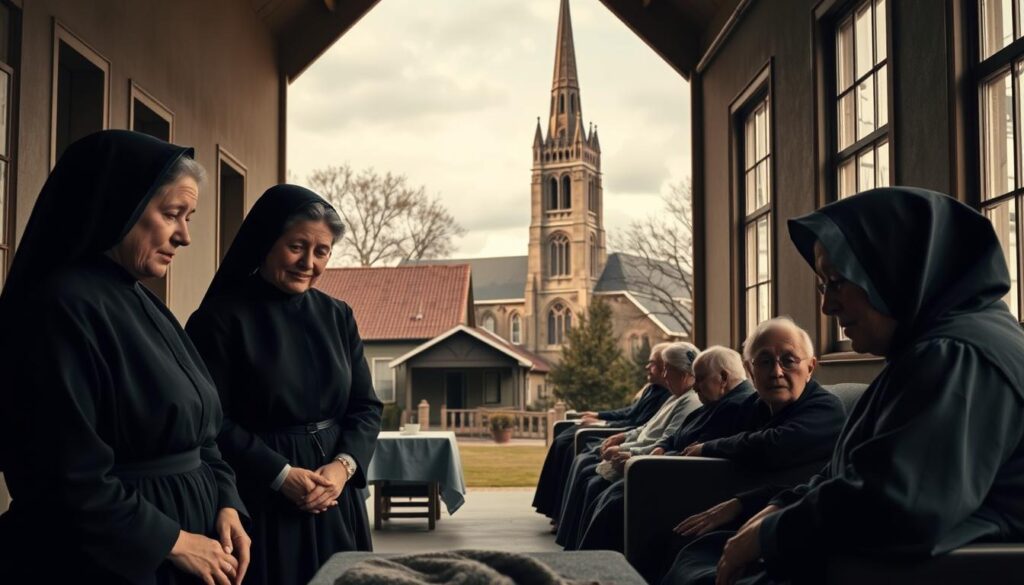
Hospitals became classrooms for compassion when deaconesses revolutionized faith-based care. These trailblazers created a new model of religious service—one that merged spiritual calling with practical skills to heal bodies and souls.
Origins and Historical Impact in Healthcare and Education
In 1836 Germany, Theodor Fliedner and Friederike Münster founded a groundbreaking motherhouse. Their vision? Train women to serve marginalized communities through nursing and education. “We carry hope in both prayer books and medicine kits,” wrote an early member.
William Passavant brought this movement to the United States in 1849. The first four deaconesses transformed a Pittsburgh infirmary into Passavant Hospital—now part of a major healthcare network. By 1884, seven more German-trained women arrived in Philadelphia, blending medical expertise with spiritual care.
Continuing the Legacy through Modern Service
When the Evangelical Lutheran Church in America formed, scattered communities united under one mission. Today’s deaconesses work as:
- School counselors addressing youth mental health
- Hospice nurses providing end-of-life comfort
- Nonprofit directors tackling urban poverty
Their tools have changed—electronic health records replace handwritten charts—but the core commitment remains. Lutheran Church America leaders note: “Modern deaconesses prove ancient callings adapt beautifully to new challenges.”
From Pittsburgh hospital wards to online spiritual direction sessions, these women keep rewriting what sacred service looks like. Their story shows how faith communities can honor history while embracing innovation.
Order of Lutheran Franciscans: A Modern Take
A fresh chapter in spiritual service began in 2011 with the Order of Lutheran Franciscans. As the first official religious order within the Evangelical Lutheran Church in America, it reimagines ancient traditions for contemporary seekers. This community welcomes all members—married or single, clergy or laypeople—proving sacred commitments adapt to modern lives.
Foundations of Sacred Service
Members embrace three timeless vows: simplicity, purity of heart, and communal discernment. These promises shape daily rhythms without isolating people from society. “Our habit isn’t about separation,” explains one member. “It’s a reminder to serve openly.”
Symbols That Speak
The order’s visual identity centers on two cross designs. The San Damiano version features intricate icons, while the Tau shape echoes St. Francis’ personal seal. Many wear these symbols over regular clothes, though traditional brown tunics remain optional.
Pathways to Commitment
Joining requires patience—a seven-year formation process ensures readiness. This extended journey allows members to test their calling through neighborhood projects and global partnerships. From urban gardens to prison ministries, their work bridges contemplation and action.
FAQ
How do Lutheran views on monasticism differ from Roman Catholic traditions?
While valuing prayer and service, Lutherans emphasize faith over works-based practices. Monastic communities focus on communal living without requiring vows for salvation, aligning with Reformation critiques of medieval abuses.
Are there active Lutheran monastic communities in the U.S. today?
Yes! Groups like the Order of Lutheran Franciscans and Saint Augustine’s House blend prayer, simplicity, and outreach. These communities adapt ancient traditions to modern contexts, often engaging in urban ministry.
What roles did Lutheran deaconesses play historically?
Deaconesses pioneered healthcare and education in the 19th century, serving as nurses, teachers, and social workers. Their legacy continues through organizations like the Lutheran Deaconess Community, which prioritizes spiritual growth and service.
Do Lutheran nuns wear habits or take lifelong vows?
Practices vary. Some orders, like the Franciscans, adopt simple habits as symbols of devotion. While vows may be taken, they’re seen as commitments to community life rather than mandatory pathways to grace.
How does the Book of Concord shape Lutheran perspectives on monastic life?
It clarifies that monastic vows aren’t superior to other Christian callings. Instead, it encourages faithful living in all vocations—whether through marriage, work, or communal service—as acts of worship.
Can laypeople join Lutheran monastic communities temporarily?
Many communities welcome short-term volunteers or retreat participants. For example, Saint Augustine’s House offers retreats for individuals seeking contemplative experiences without long-term commitments.
What makes the Order of Lutheran Franciscans unique?
Inspired by St. Francis, they emphasize poverty, humility, and peacemaking. Members serve marginalized groups while living in small, intentional households—a fresh approach to ancient Franciscan ideals.