For over eight decades, a faith-based organization has stood as a beacon of hope for those fleeing hardship. What began as a small effort to help displaced families has grown into a nationwide network of care, offering safety and opportunity to newcomers rebuilding their lives. This work isn’t just about meeting urgent needs—it’s about creating lasting bonds that uplift entire communities.
Every individual who walks through the doors carries a story of resilience. Some arrive with little more than courage and the dream of a fresh start. Through partnerships with local groups and volunteers, the organization provides resources like housing assistance, language classes, and job training. These tools help people regain control of their futures while preserving their dignity.
The approach here goes beyond temporary aid. By focusing on long-term relationships, teams ensure families don’t just survive—they thrive. Volunteers often become mentors, celebrating milestones like first paychecks or citizenship ceremonies. This blend of practical support and heartfelt connection reflects an 85-year legacy of compassion.
Key Takeaways
- A faith-based network has supported displaced individuals for over 85 years
- Programs prioritize both immediate needs and sustainable community integration
- Local partnerships amplify efforts to provide housing, education, and employment aid
- Personalized care helps newcomers maintain dignity during transitions
- Success stories highlight the power of collaborative, long-term support systems
Our Mission and Legacy: Empowering Refugees in the United States
Beginning in 1939, a national network emerged to support families rebuilding their lives in America. What started as a response to wartime displacement has grown into an enduring 85-year commitment to human dignity. Over 800,000 individuals from 50+ countries have found guidance through this evolving partnership of communities and volunteers.
Historical Overview and 85-Year Legacy
Our story spans generations. In the 1940s, we helped Europeans displaced by conflict. By the 1980s, our network expanded to support Southeast Asian families. Today, we address modern displacement challenges while preserving core values that withstand time.
| Decade | Focus | Impact |
|---|---|---|
| 1940s | Post-WWII Resettlement | 3,000+ families housed |
| 1990s | Balkan Crisis Response | Job training programs launched |
| 2020s | Global Partnerships | 15,000 annual placements |
Commitment to Compassion and Care
Every interaction reflects our belief in lasting potential. When Maria arrived from Venezuela last year, our team secured housing while helping her practice English. Six months later, she mentors other newcomers. This cycle of support creates ripples through neighborhoods.
Success isn’t measured in numbers alone. It’s seen in college graduations, small businesses opened, and children who grow up knowing safety. Our approach adapts, but the goal remains: equip people to thrive, not just survive.
How Lutheran Refugee Services Deliver Hope and Support
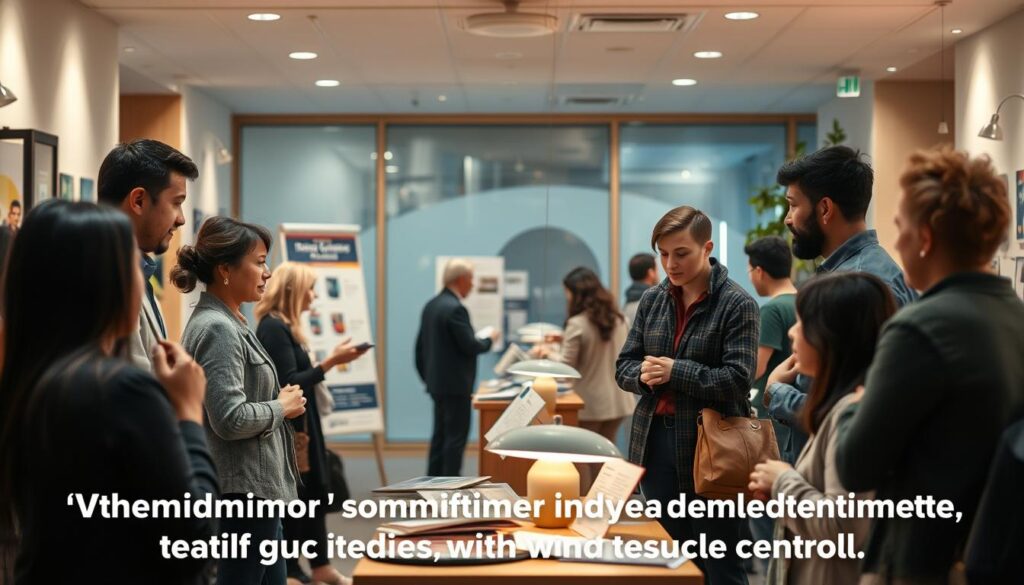
Every journey to a new homeland begins with a welcoming hand. Our approach combines immediate assistance with strategies for lasting connection, helping people plant roots in unfamiliar soil. Personalized guidance bridges cultural gaps while honoring each person’s background and aspirations.
Building Foundations Through Shared Experiences
New arrivals often face language barriers and cultural adjustments. Local mentors partner with families to navigate grocery stores, schools, and public transit. These shared moments build trust and practical knowledge simultaneously.
| Support Type | Description | Impact |
|---|---|---|
| Housing Assistance | 90-day furnished apartments | 97% stability rate |
| Cultural Orientation | Local customs workshops | 83% faster adaptation |
| Social Connections | Neighborhood buddy system | 200+ friendships formed monthly |
Unlocking Potential Through Skills Matching
Employment specialists focus on transferable talents rather than just resumes. A former teacher from Syria might train as a cultural liaison. An Afghan engineer could enter construction management. This strengths-based method helps people:
- Regain professional confidence
- Earn living wages within 6 months
- Fill local workforce gaps
Partnerships with trade schools and businesses create custom pathways to economic stability. Last year, 89% of participants secured jobs matching their skill levels.
A Long Legacy of Welcome: From 1939 to Today
In 1975, a Vietnamese family’s journey reshaped what community support could achieve. Hoa and Trinh arrived in San Diego with their daughters after fleeing conflict, carrying hopes for stability. Through collaboration with St. Andrews Lutheran Church, they secured more than shelter—they found tools to rebuild their home and careers.
Stories of Resilience and New Beginnings
Over 48 years, this family’s experience became a blueprint for success. Their story shows how targeted aid creates ripple effects:
| Year | Milestone | Community Impact |
|---|---|---|
| 1975 | Housing secured | 4 generations thrived |
| 1992 | Small business launched | 23 local jobs created |
| 2023 | Granddaughter graduates med school | Inspires 100+ youth |
Such journeys prove that families flourish when supported holistically. Language classes and mentorship helped Hoa transition from seamstress to boutique owner. Today, her enterprise employs newcomers.
This network of care extends beyond individual lives. Neighborhoods gain cultural richness, and local economies strengthen. Every success story adds threads to America’s diverse social fabric.
Comprehensive Services for Immigrants and Refugees
Starting fresh in a new country requires more than paperwork—it demands holistic care that addresses both practical needs and human potential. Our approach connects people with resources tailored to their unique journeys, creating pathways from uncertainty to stability.
Reuniting Loved Ones, Strengthening Communities
When families stay together, healing begins faster. Last year, 92% of separated relatives in our program reunited within six months. This success comes from:
- Legal guidance navigating complex immigration systems
- Counseling for trauma recovery
- Temporary housing that keeps relatives connected
“The moment I hugged my sister again, I knew we could rebuild our lives,” shares Ahmed, who fled Sudan with his nephews. Stories like his remind us why family bonds form the bedrock of successful integration.
Whole-Person Wellness Strategies
True safety means more than locked doors. Our initiatives protect both bodies and spirits:
| Focus Area | Program Features |
|---|---|
| Mental Health | Multilingual therapy sessions |
| Physical Safety | Secure transitional housing |
| Cultural Pride | Heritage celebration events |
By honoring personal histories while teaching new skills, we help people maintain their dignity during life’s toughest transitions. This balance empowers individuals to contribute their talents to neighborhoods welcoming fresh perspectives.
Meeting the Needs of Children and Families
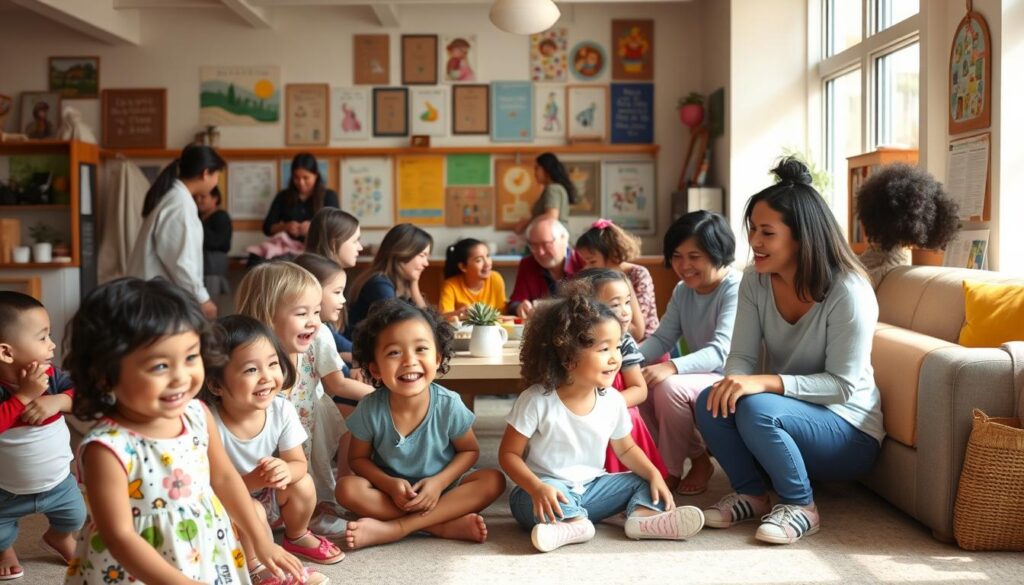
Young hearts carry big dreams, even through life’s hardest transitions. Our specialized approach helps kids and parents navigate new beginnings with tools that honor their resilience. Whether reuniting separated relatives or helping teens adapt, we prioritize emotional safety alongside practical support.
Special Programs for Youth and Unaccompanied Minors
Children process change differently than adults. That’s why our team designs activities that blend learning with play—like art therapy sessions that let kids express fears without words. For teens, after-school clubs build friendships while teaching local slang through sports and music.
Unaccompanied minors receive extra layers of care. Trained advocates become steady presences in their lives, helping navigate legal systems and school enrollments. “We’re not replacing families,” explains one mentor. “We’re building bridges until they can reconnect with loved ones.”
| Program Feature | Benefit |
|---|---|
| Bilingual Tutoring | 83% grade improvement |
| Cultural Exchange Events | 60+ friendships monthly |
| Trauma-Informed Counseling | 40% anxiety reduction |
Parents find strength through our family network, too. Parenting workshops address cross-cultural challenges, while job training helps adults provide stability. When caregivers thrive, children naturally flourish—proving that whole-family support creates lasting change.
Building Community and Strategic Partnerships
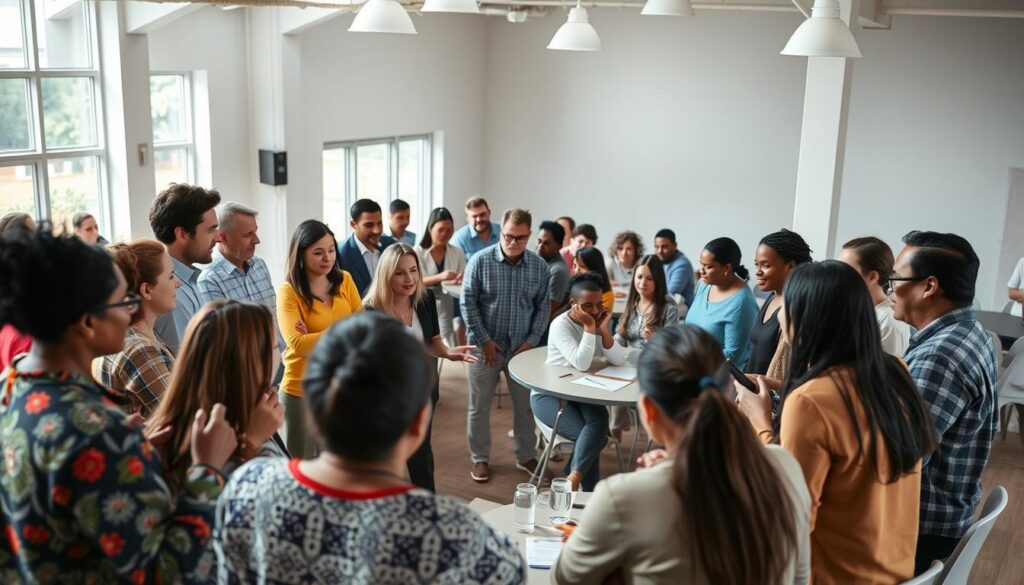
True belonging grows from shared effort. Our work thrives when neighbors roll up their sleeves alongside newcomers, creating bridges between cultures. This collaborative spirit transforms strangers into allies, weaving stronger social fabrics block by block.
Collaborating with Neighbors and Local Organizations
Last year, a bakery owner in Minneapolis taught us the power of informal alliances. When she hired two Congolese teens as apprentices, her shop became a cultural exchange hub. Customers learned French phrases while enjoying new pastries—proof that everyday spaces can foster connection.
| Partner Type | Contribution | Outcome |
|---|---|---|
| Faith Groups | Host cultural dinners | 300+ cross-cultural connections |
| Schools | Language buddy programs | 78% faster English acquisition |
| Employers | Skills-based hiring | 240 living-wage jobs created |
“We’re not just service providers—we’re matchmakers,” explains a partnership coordinator. “Our role is to identify how a chess club’s need for members aligns with a Syrian teen’s passion for strategy games.”
This network approach creates safety nets with multiple entry points. Libraries host resume workshops. Gym owners offer free memberships. Artists lead mural projects that blend heritage symbols with local landmarks. Each collaboration addresses practical needs while nurturing mutual understanding.
“When we view integration as a team sport, everyone scores.”
Success stories emerge from these intersections. A Vietnamese grandmother’s herbal remedies now stock pharmacy shelves. A Ukrainian mechanic’s repair tips save neighbors thousands. By valuing diverse strengths, communities unlock hidden potential.
Getting Involved: Ways to Support and Advocate
Communities grow stronger when neighbors unite in purpose. Whether you’re passionate about mentorship or skilled at organizing, your contributions create ripple effects that help families flourish. Let’s explore how every action counts—from sharing time to pooling resources.
Volunteer Opportunities and Community Engagement
Flexible roles match varied schedules and talents. A retired teacher might tutor kids twice a week, while a busy professional could translate documents remotely. See how efforts add up:
| Role | Time Commitment | Impact |
|---|---|---|
| Cultural Mentor | 4 hrs/month | Helps 1 family navigate local systems |
| Event Planner | 6 hrs/quarter | Connects 50+ people at gatherings |
| Skill-Sharer | 2 hrs/session | Teaches resume writing to 15 adults |
“I started driving families to appointments,” shares volunteer Mark. “Now I’m learning Ukrainian recipes from my new friends.” These exchanges prove relationships fuel real change.
Donation and Partnership Programs
Financial gifts multiply through strategic use. $50 covers school supplies for three kids. $500 funds job training for one adult. Corporate allies amplify impact through:
- Matching employee donations
- Sponsoring housing setups
- Offering paid internship opportunities
Local businesses often become surprise champions. A Phoenix bike shop donated 100 cycles last year, helping newcomers reach jobs. Whether you contribute time, funds, or expertise, you join a network building bridges between hope and reality.
Transforming Lives Through Integrated Service Delivery
Building a future in unfamiliar territory requires interconnected solutions. Our model combines housing help, career coaching, and community connections into one streamlined process. This way, learning English reinforces job searches, while childcare access enables parents to attend training.
Programs Enhancing Immigrant Empowerment
We focus on unlocking what people already carry within them. A nurse from Honduras might need credential help before practicing here. A Somali entrepreneur could use microloans to launch a catering business. Our tools adapt to individual goals.
Key program elements include:
- Career counseling that maps global experience to local jobs
- Leadership workshops teaching advocacy skills
- Peer support groups sharing neighborhood resources
| Focus Area | Support Offered | Outcome |
|---|---|---|
| Economic Growth | Small business grants | 45+ startups last year |
| Civic Engagement | Voter education sessions | 78% participation rate |
| Social Bonds | Cultural exchange events | 500+ monthly attendees |
By linking these efforts, we create a multiplier effect. Job training leads to stable incomes. Financial literacy courses prevent exploitation. Mentorship programs build confidence to lead community projects. This network approach helps people transform their own lives while uplifting others.
Lutheran Refugee Services: Dedicated Support for Newcomers
Stepping into a new country feels like reading a book where someone tore out the maps. Our team becomes the compass, helping individuals chart paths through unfamiliar systems. We blend practical tools with heartfelt encouragement, recognizing that lasting success requires both resources and relationships.
Every person’s journey starts with orientation sessions that simplify complex processes. From visa paperwork to school enrollments, our staff breaks down barriers with patience. “We don’t just explain rules,” says a program coordinator. “We show how systems work so people can advocate for themselves.”
From First Steps to Firm Footing
Assistance evolves as needs change. Initial housing help grows into financial literacy workshops. Early language classes lead to career coaching. This layered approach builds confidence while addressing:
| Phase | Support Offered | Long-Term Goal |
|---|---|---|
| Arrival | Cultural orientation packs | Reduce initial stress |
| Settlement | Job skill assessments | Economic independence |
| Integration | Community mentorship | Social belonging |
True home isn’t just four walls—it’s knowing your neighbors and contributing your talents. Last year, 68% of participants joined local clubs or volunteer groups within six months. These connections turn streets into communities and strangers into friends.
Our network partners with healthcare providers and educators to smooth transitions. A recent collaboration with Phoenix libraries created bilingual story hours, helping kids learn English while parents practice job interviews nearby. By weaving support into daily life, we help newcomers write their next chapters with hope.
Conclusion
Every act of welcome strengthens the fabric of our communities. For those rebuilding lives in the United States, hope grows through practical support and genuine connection. Our shared commitment to dignity transforms challenges into stepping stones for success.
Local partnerships remain vital in this work. When neighbors share skills and resources, newcomers gain tools to thrive. Schools, employers, and volunteers all play roles in creating opportunities that ripple across generations.
“True safety comes when people feel seen and valued,” notes Global Refuge President Krish O’Mara Vignarajah. This philosophy guides programs addressing health, education, and economic stability. By focusing on long-term care, we help families write new chapters filled with promise.
The road ahead demands creativity and compassion. Through collaborative efforts, communities become spaces where every voice contributes to collective strength. Together, we build bridges that turn strangers into allies—and survival stories into legacies of resilience.
FAQ
What types of assistance do you provide to newcomers?
We offer resettlement support, job training, housing guidance, and access to healthcare. Our teams help families reunite, navigate asylum processes, and build stable lives in their new communities.
How can local organizations partner with your programs?
Partnerships include resource sharing, volunteer coordination, and advocacy efforts. Collaborations strengthen community networks and expand opportunities for immigrants to thrive.
Do you assist unaccompanied minors or separated children?
Yes. Specialized programs ensure safety, legal aid, and trauma-informed care for youth. We prioritize reuniting families and providing long-term stability for vulnerable children.
What volunteer roles are available to support your mission?
Opportunities include mentorship, language tutoring, and donation drives. Volunteers also help with cultural orientation, transportation, and welcoming new neighbors.
How do donations directly impact families in need?
Contributions fund housing, education, legal services, and emergency aid. Every dollar helps create pathways to stability, dignity, and self-sufficiency for displaced individuals.
Are your services limited to specific regions in the U.S.?
No. We work nationwide through local offices and partners, ensuring support reaches diverse communities. Our network adapts to meet regional needs and challenges.
How do you ensure cultural sensitivity in your programs?
Staff and volunteers receive training to respect traditions, languages, and unique backgrounds. Services are tailored to honor each individual’s journey and foster inclusion.
Can asylum-seekers access your legal resources?
Absolutely. We connect asylum-seekers with accredited representatives and provide guidance through complex immigration processes. Safety and fairness are central to our approach.
What makes your approach to economic empowerment unique?
Beyond job placement, we focus on skill-building, financial literacy, and career advancement. Partnerships with employers create sustainable opportunities for long-term success.
How do you measure the success of your initiatives?
Success is tracked through family reunifications, employment rates, and community feedback. Stories of resilience and independence highlight the tangible impact of our work.