For nearly two centuries, one institution has stood as a beacon of spiritual learning in the American South. Rooted in tradition yet focused on modern ministry needs, this faith-centered school prepares individuals for lives of purpose and service.
Since joining forces with Lenoir-Rhyne University in 2012, the seminary has strengthened its academic foundation. This partnership allows students to access expanded resources while maintaining a close-knit learning environment. Three specialized degree programs help learners tailor their education to specific vocational goals.
The institution’s dual accreditation ensures rigorous standards across all courses. Faculty members combine scholarly expertise with real-world experience, mentoring future leaders who value both intellectual growth and compassionate action.
Key Takeaways
- Nearly 200-year legacy of faith-based education
- Affiliated with the Evangelical Lutheran Church in America
- Offers three specialized graduate degree programs
- Enhanced learning through university partnership
- Dually accredited by respected educational organizations
- Focuses on developing community-focused leaders
Historical Legacy and Milestones of LTSS
John Bachman’s 1830 initiative laid the groundwork for a resilient educational institution focused on ministry. Originally established in Pomaria, South Carolina, this school answered the Carolina Synod‘s call to train church leaders. Early graduates like Fredrick F. Harris set a precedent—though not receiving formal degrees initially, they became ordained ministers who shaped communities.
Founding and Early Beginnings
The first official degrees went to William Berly, Elijah Hawkins, and P.A. Strobel in 1836. These pioneers demonstrated the institution’s growing influence. By 1834, classes had already moved to Lexington, marking the start of an extraordinary journey across six states.
Adapting Through Challenges
During the Civil War, all three students enlisted in the Confederate Army. Only Jefferson A. Sligh returned alive—a sobering moment that tested the school’s survival. Yet faculty and supporters rebuilt, relocating eight times before settling permanently in Columbia by 1911.
| Location | Years Active | Key Significance |
|---|---|---|
| Pomaria, SC | 1830-1834 | Original founding site |
| Lexington, SC | 1834-1856 | First relocation |
| Columbia, SC | 1911-present | Beam Hall construction |
Each move strengthened the institution’s mission. The 1911 establishment of Beam Hall on Seminary Ridge symbolized stability after decades of change. Today, this legacy informs modern programs while honoring its enduring purpose.
Evolution of lutheran theological southern seminary: Campus Relocation & Future Vision
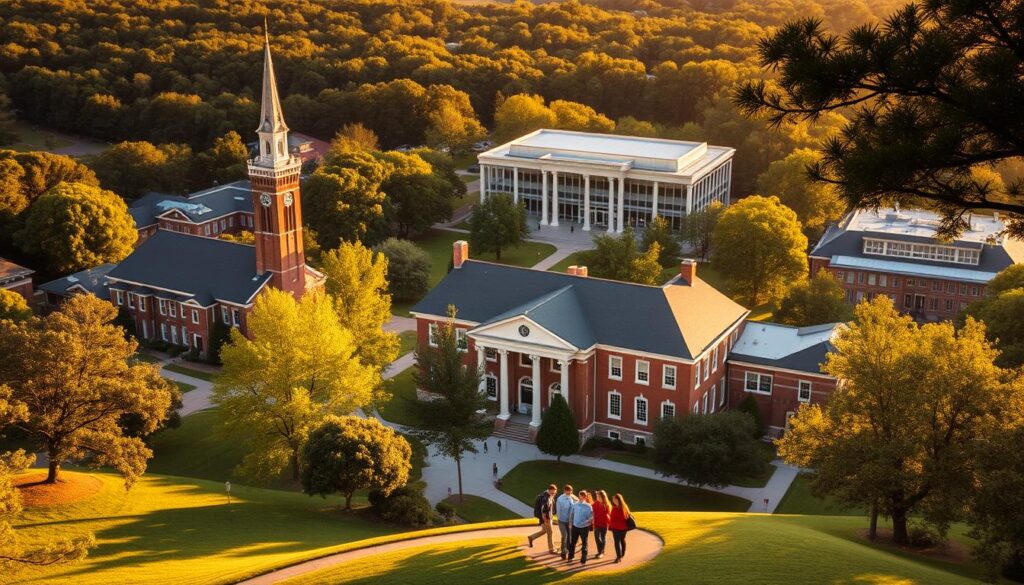
A new chapter unfolds as faith-based education takes a bold step forward. In March 2024, leaders revealed plans to relocate operations to Lenoir-Rhyne University in Hickory, North Carolina by January 2025. This strategic shift strengthens partnerships while honoring nearly two centuries of tradition.
Announcement and Transition Milestones
The decision followed months of collaborative planning. Regular video updates and virtual Q&A sessions helped community members understand the move’s benefits. Key dates outline this transformative journey:
| Milestone | Date | Significance |
|---|---|---|
| Relocation Announcement | March 1, 2024 | Official public reveal |
| Columbia Campus Closure | December 2024 | Final services held |
| Hickory Operations Start | January 2025 | New facilities open |
Impacts on Academic Programs and Student Life
Learners gain access to modern libraries and cross-disciplinary programs at the North Carolina campus. Housing assistance and tech upgrades ensure continuity for current students. Faculty will lead hybrid courses during the transition year.
Community events bridge past and future. A farewell ceremony in Columbia celebrated memories, while Hickory’s welcome service highlighted fresh opportunities. This view of growth ensures theological education remains vibrant for coming generations.
Theological Vision, Leadership, and Community Impact
At the heart of faith-based leadership development lies a commitment to bridging traditions while nurturing tomorrow’s change-makers. This institution thrives as a meeting ground where diverse perspectives strengthen shared spiritual goals.
Commitment to Faith-Based Education and Service
Nearly half of learners come from non-Lutheran backgrounds, creating vibrant classroom exchanges. Specialized programs in Baptist and Methodist studies equip students to serve multiple denominations effectively. “Our strength comes from honoring differences while building common purpose,” notes Rev. Dr. Chad Rimmer, the institution’s rector dean.
| Student Denominations | Program Focus Areas | Career Outcomes |
|---|---|---|
| ELCA (52%) | Pastoral Ministry | Church Leadership |
| United Methodist (28%) | Community Service | Nonprofit Management |
| Baptist (15%) | Interfaith Studies | Ecumenical Advocacy |
Leadership Insights from Rev. Dr. Chad Rimmer
Dr. Rimmer’s guidance during the Lenoir-Rhyne University partnership showcases adaptive leadership. His team redesigned hybrid learning formats while preserving hands-on service requirements. “Great ministers balance ancient wisdom with modern realities,” he emphasizes.
Faculty mentorship remains central to student success. Weekly small-group sessions help learners apply classroom theory to real congregational challenges. This practical focus prepares graduates to lead diverse communities with confidence and compassion.
Conclusion
As doors prepare to open in a new state, this historic institution carries forward its mission of shaping compassionate leaders. Through eight relocations and societal shifts, it has maintained an unbroken commitment to forming community-focused ministers. Graduates across two centuries testify to its enduring impact on congregations and service organizations.
The upcoming move to North Carolina marks a strategic evolution, not just a change of campus. By January 2025, learners will access expanded resources while preserving the close mentorship that defines their experience. Partnerships with regional universities create fresh pathways for interdenominational collaboration.
Challenges like Civil War disruptions and funding crises only strengthened its resolve. Today’s leaders inherit this legacy of adaptability – ready to address modern needs while rooted in timeless values. This next chapter promises to deepen its role as a crucible for faith-driven service and ethical leadership.
FAQ
When was the seminary originally founded?
The institution traces its roots back to 1830, making it one of the oldest faith-based graduate schools in the Southeastern U.S.
Why is the campus moving to Hickory, North Carolina?
Relocating to Hickory in January 2025 strengthens partnerships with Lenoir-Rhyne University and expands access to interdisciplinary resources while maintaining its core mission.
How will academic programs change after the relocation?
Students can expect enhanced hybrid learning options, new community engagement opportunities, and continued emphasis on theological education tailored to modern ministry needs.
What role does Rev. Dr. Chad Rimmer play in this transition?
As rector and dean, Dr. Rimmer guides the seminary’s vision, ensuring its commitment to service, leadership development, and ecumenical collaboration remains central during this transformative period.
Are current students required to move to the new campus?
No—the institution will support both in-person and remote learners through flexible formats, allowing students to continue their studies regardless of location.
How does the seminary engage with local communities?
Through partnerships with organizations like the North Carolina Synod, students gain hands-on experience in outreach, social justice initiatives, and interfaith dialogue.
What makes this institution unique among theological schools?
Its blend of historic Lutheran traditions, adaptive learning models, and focus on real-world service prepares graduates to address contemporary spiritual and societal challenges.