Nestled in rural Georgia, this cherished place of worship has served its community since the 19th century. Its name, rooted in Aramaic, translates to “Lord, come!”—a hopeful call reflecting its founders’ vision. Originally established by families seeking unity, it became a sanctuary for shared faith and fellowship.
The congregation gained national attention through its connection to a Nobel Peace Prize-winning former U.S. president. For decades, he taught Sunday school here, drawing visitors eager to learn from his insights. This unique legacy transformed the site into both a spiritual hub and cultural destination.
Today, the building stands as a testament to quiet resilience. Visitors often remark on its warm atmosphere, where newcomers are greeted like old friends. Weekly gatherings blend traditional hymns with thoughtful discussions, creating space for personal growth and connection.
Key Takeaways
- Historic congregation with roots stretching back over a century
- Name meaning reflects spiritual anticipation and hope
- Founded to promote inclusivity and peaceful worship
- Hosted influential public figures’ educational initiatives
- Maintains approachable charm despite national recognition
- Continues to foster meaningful community relationships
- Upcoming sections explore architectural details and modern updates
History and Community Roots of maranatha baptist church plains ga
In the late 1970s, a group of 29 individuals made a courageous choice. They left their former place of worship due to disagreements over integration policies, determined to create a space where everyone felt welcome. This decision planted the seeds for what would become a beacon of unity in Georgia.
Founding and Early History
The congregation’s name, derived from an ancient Aramaic phrase meaning “Our Lord, come,” symbolized their hope for a more compassionate future. Early members faced skepticism but remained steadfast. Within months, they established weekly gatherings that prioritized dialogue over division.
By 1978, the community had doubled in size. Stories from this era highlight potluck dinners where farmers, teachers, and tradespeople shared stories alongside scripture. One attendee recalled: “We didn’t just break bread—we mended fences.”
A Legacy of Welcoming All
From its inception, the group adopted an open-door philosophy. This meant actively inviting neighbors of different backgrounds to join services and leadership roles. Their first choir director, for instance, came from a traditionally marginalized community.
Today, this commitment lives on through outreach programs and interfaith collaborations. Visitors often note how the warm, unpretentious atmosphere mirrors the founders’ original vision. As one longtime member puts it: “We’re not perfect, but we keep trying to do better—together.”
Jimmy Carter’s Legacy and Sunday School Impact
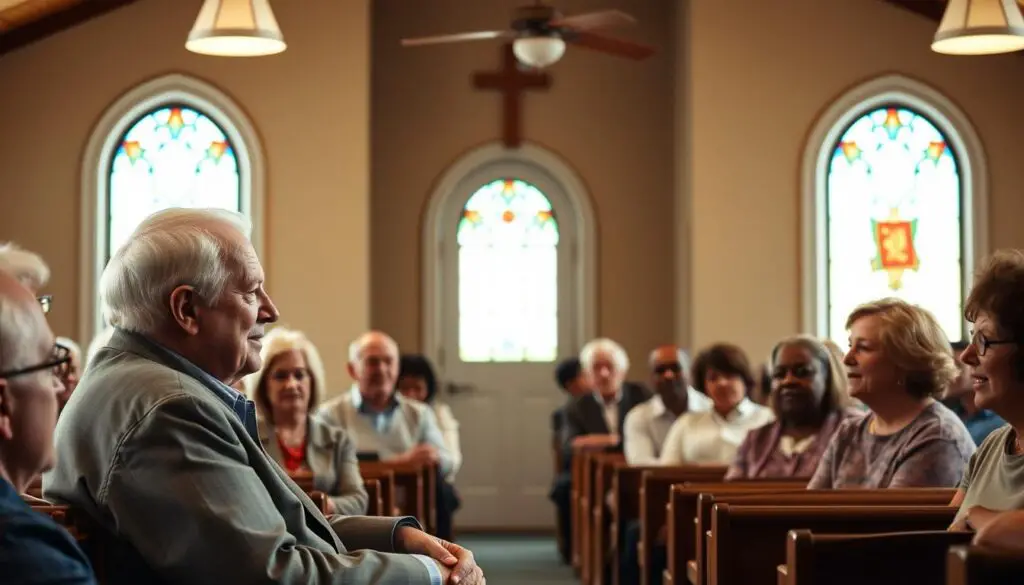
Few leaders have blended public service with personal faith as seamlessly as the 39th U.S. president. For over four decades, he led weekly discussions that became legendary for their warmth and wisdom. Locals and travelers alike gathered in humble pews, drawn by the rare chance to learn from a Nobel laureate who prioritized humility over prestige.
Teaching and Community Outreach
Weekly sessions often began with a simple question: “How can we serve others today?” The former president’s lessons focused on practical kindness—urging attendees to volunteer at food banks or help neighbors in need. His classes frequently partnered with local charities, turning Sunday insights into Monday actions.
Memorable Moments from Sunday School
One regular participant recalls a lesson where everyone received $5 bills with instructions to “multiply kindness” through creative generosity. Stories emerged of recipients paying forward the gesture, sparking a chain reaction across multiple states. Another session made headlines when a visitor from China translated Carter’s message about reconciliation to share back home.
Legacy of Kindness and Faith
Though his Sunday school tenure spanned 40 years, the emphasis never wavered: small deeds create big change. This philosophy shaped food drives, scholarship funds, and global peace initiatives. As one longtime member noted: “He didn’t just talk about faith—he showed us how to wear it like a work shirt.”
Today, visitors still find handwritten notes from the former leader in the classroom—reminders that true influence grows from grounded compassion.
Recent Leadership Changes and Future Direction
A fresh chapter unfolds as the congregation embraces transformative leadership.
This shift honors its legacy while charting a course for modern relevance.
Appointment of the First Female Pastor
Rev. Ashley Guthas made history in 2023 as the first woman to lead this faith community. Her selection reflects a historic milestone for an institution once guided by the teachings of a Nobel-winning former president. “We’re building bridges, not walls,” she shared during her inaugural sermon, echoing the inclusive spirit that shaped the congregation decades earlier.
Vision for Growth and Community Engagement
New initiatives blend tradition with innovation. Weekly workshops now address mental health and food insecurity, while Sunday school classes maintain their focus on compassionate action. Recent reports show a 22% increase in first-time visitors since Guthas’s appointment.
The leadership team plans to launch a youth mentorship program this fall. Local partnerships with schools and businesses aim to strengthen neighborhood ties. As one deacon noted: “Our doors stay open to all—just like they did when President Jimmy Carter taught here.”
Through these changes, the community preserves its core values. Hymn-filled services still foster connection, proving growth and tradition can walk hand in hand.
Conclusion
Standing at the crossroads of history and hope, this Georgia landmark continues to inspire. For over four decades, its doors have welcomed seekers of wisdom and warmth alike. Jimmy Carter’s Sunday school lessons left an indelible mark, proving that leadership thrives through humility and hands-on service.
The congregation’s story mirrors America’s journey—rooted in unity, tested by change, and renewed through inclusive vision. Recent leadership shifts honor this legacy while embracing fresh perspectives. New programs address modern challenges without losing sight of timeless values like compassion and community.
What makes this place unique? It’s not just the famous names or historic walls. It’s the living tradition of turning faith into action. Visitors still feel the echoes of “multiplied kindness” from those legendary classes, now carried forward through youth initiatives and neighborhood partnerships.
As seasons change, one truth remains: small acts build lasting legacies. Whether you’re drawn by history, spirituality, or curiosity, you’ll find more than a building—you’ll discover people writing tomorrow’s story together. Stay tuned as this chapter unfolds.
FAQ
How long has the congregation in Plains been active?
The community’s roots trace back to the mid-20th century, with a focus on fostering unity and faith. Over decades, it’s grown into a welcoming space for locals and visitors alike.
Did President Jimmy Carter teach Sunday School regularly?
Yes! The former president taught Sunday School for over four decades, sharing insights on faith, kindness, and global issues. His lessons drew visitors from around the world.
What makes the Sunday School experience unique here?
Beyond its historic ties to President Carter, the classes emphasize open dialogue, humility, and connecting faith to everyday life. Visitors often describe it as heartfelt and thought-provoking.
How has leadership evolved in recent years?
In 2023, the congregation welcomed its first female pastor, Rev. Tonya Lowery, marking a new chapter. Her vision prioritizes community outreach, youth programs, and preserving the church’s inclusive legacy.
Can anyone attend services or Sunday School?
Absolutely! The congregation warmly welcomes all visitors. Whether you’re exploring faith or curious about its history, you’ll find an open seat and friendly faces.
How does the church engage with the Plains community today?
From food drives to youth mentorship, the congregation actively supports local needs. Partnerships with charities and schools reflect its commitment to service and unity.