-

Discover the Meaning of the Protestant Church Symbol
Visual markers in religious spaces often hold layers of meaning that go beyond decoration. For many believers, these emblems act as silent teachers, conveying spiritual truths through simple yet profound designs. They bridge the gap between abstract ideas and physical reality, making complex concepts accessible to everyone. During the Reformation, leaders sought to create clear…
-
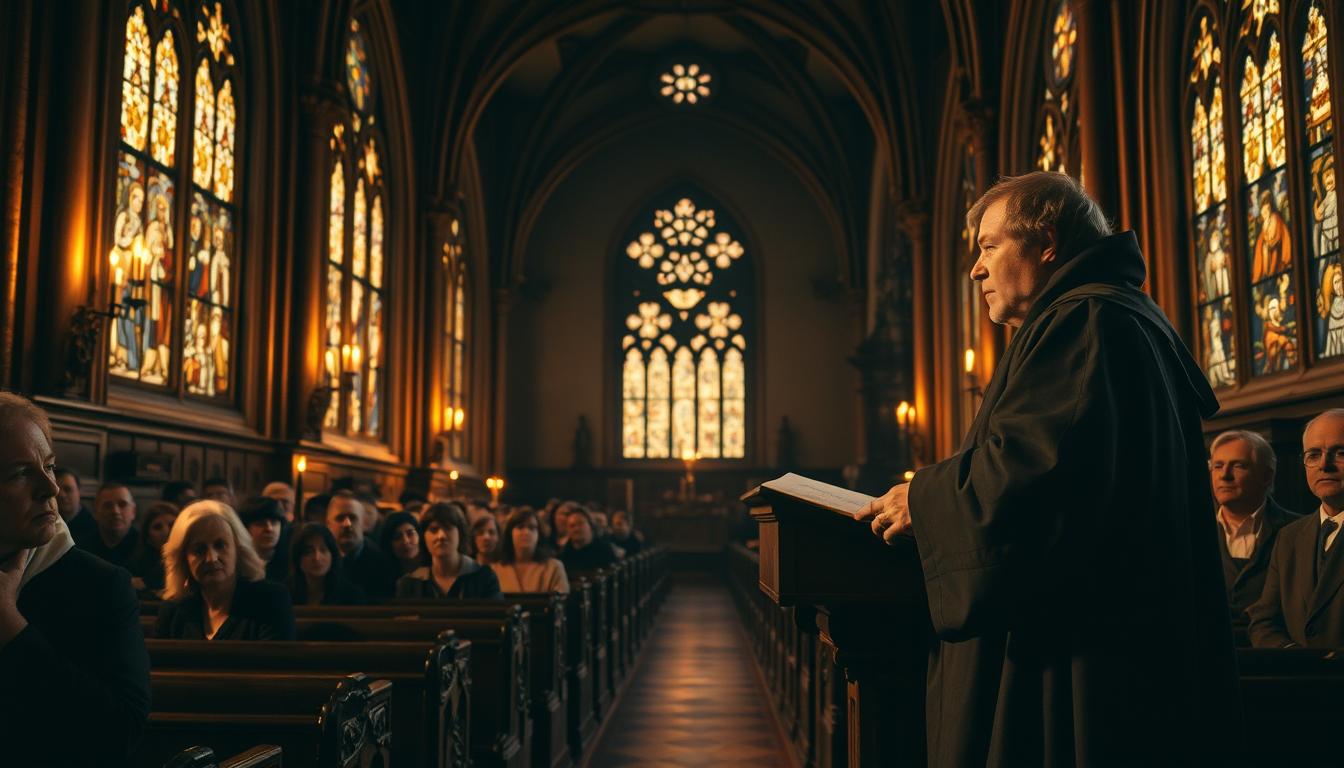
Martin Luther and the Protestant Reformation: A Pivotal Era
In the heart of 16th-century Europe, a single document sparked a spiritual revolution. A German monk’s bold critique of church practices would ripple across continents, challenging centuries-old traditions. This movement didn’t just reshape faith—it rewrote the rules of power, education, and personal belief. At the center stood a scholar who questioned what others accepted. His…
-

The Protestant Reformation: Key Events and Impact
Imagine living in a time when questioning religious authority could change the world. In 16th-century Europe, a wave of religious reform reshaped Christianity forever. This era challenged long-held traditions and sparked debates about faith, power, and personal connection to spirituality. At its core, this transformation centered on individual interpretation of sacred texts. Leaders emerged who…
-

Protestant Church: Definition, Beliefs, and Key Characteristics
In the 16th century, a transformative shift reshaped Christianity. This branch of faith emerged as a response to theological debates, prioritizing personal connection with scripture over institutional intermediaries. Central to its identity is the conviction that salvation comes through faith rather than human effort—a principle that continues to unite millions globally. This religious tradition emphasizes…
-
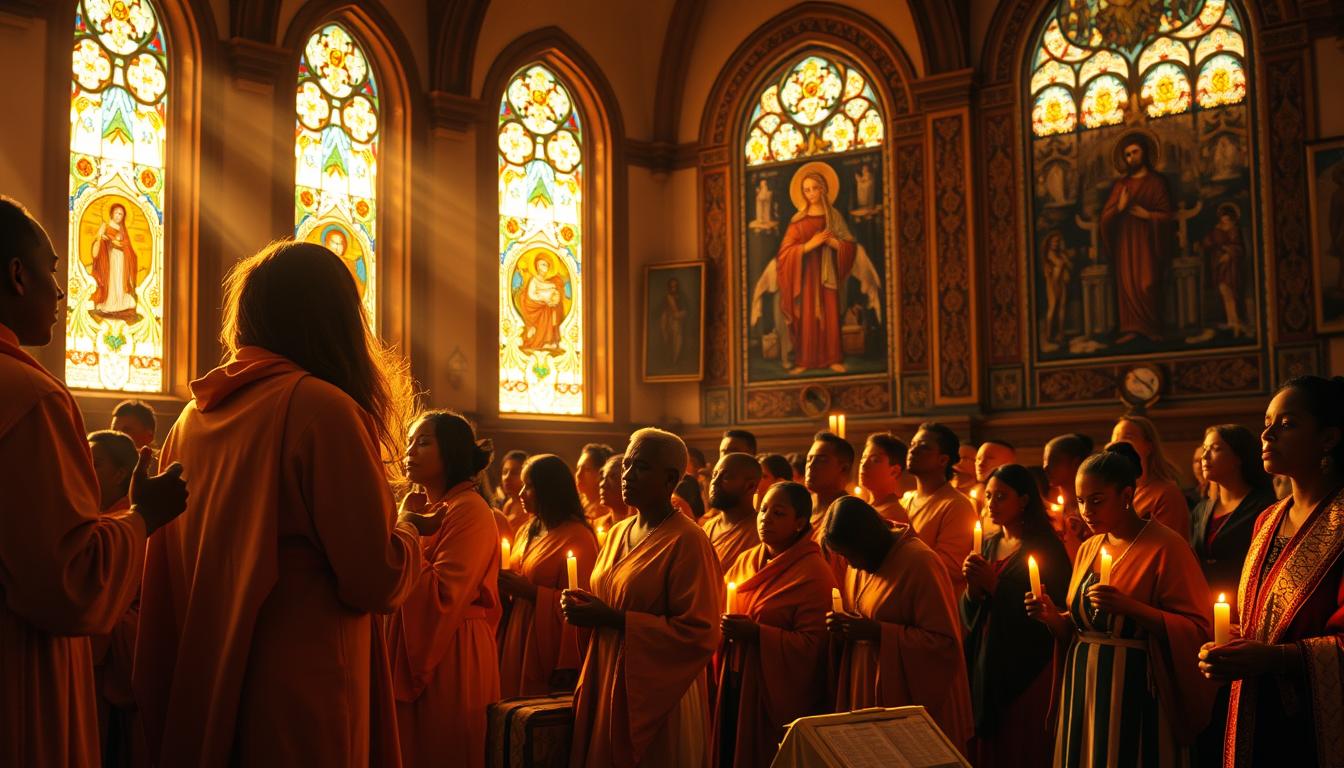
Protestant Old Mezmur: Connecting Traditions
In Ethiopian Christian worship, sacred music serves as a bridge between faith and cultural identity. One tradition stands out for its ability to unite believers across generations: spiritual songs rooted in devotion and community. These melodies, deeply tied to Pentecostal practices, reflect a unique blend of reverence and artistic freedom. Originally shaped by foreign hymns,…
-

Unraveling the Protestant Old Testament: A Comprehensive Guide
What makes the Protestant Bible different from other Christian traditions? The answer lies in its unique collection of sacred texts. While many recognize the Bible as Christianity’s foundational text, fewer understand how its contents vary between denominations. The Protestant version contains 39 books in its first half, aligning closely with Jewish scriptures but excluding seven…
-
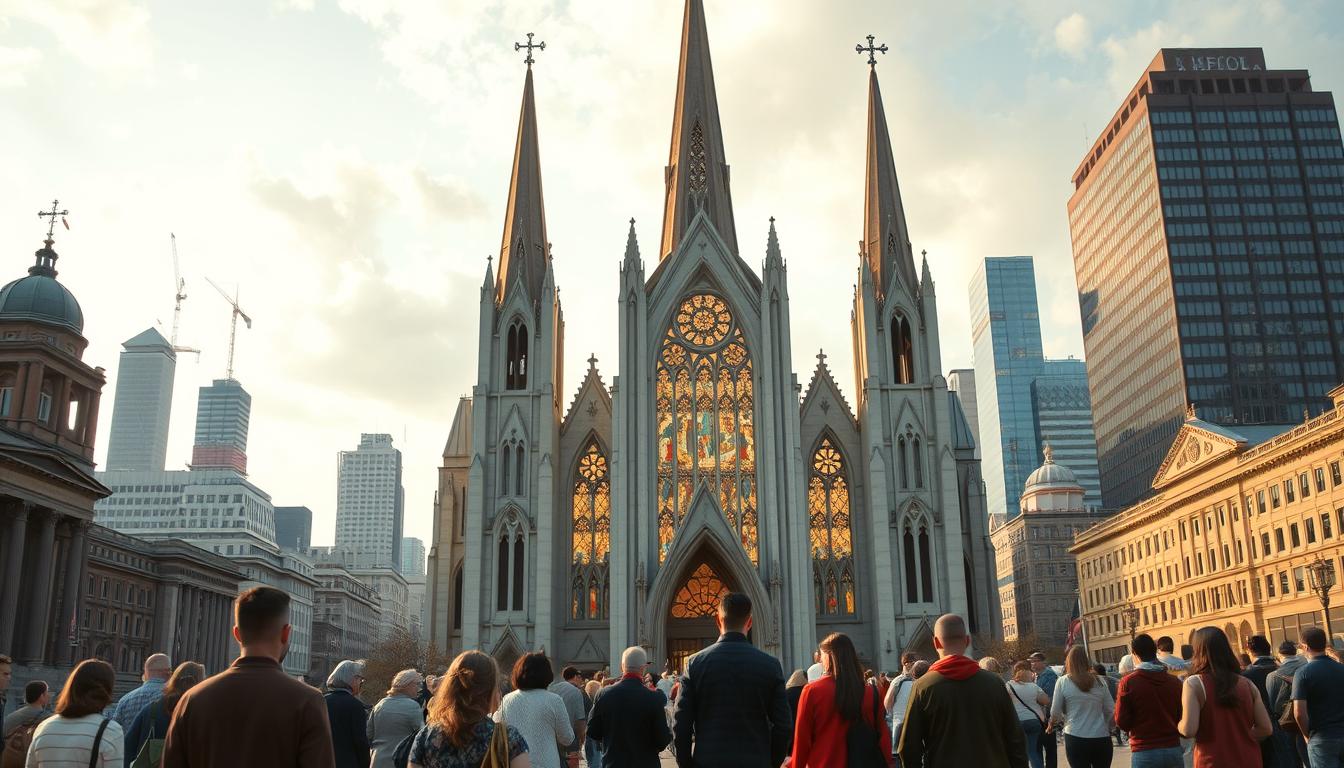
Understanding the Rise of Neo Protestantism
In 1517, Martin Luther sparked a religious revolution by posting his Ninety-Five Theses. This bold critique of Catholic practices birthed Protestantism, reshaping Christianity forever. Centuries later, a fresh wave of theological innovation emerged, challenging traditional beliefs. The 19th century brought rapid social changes that demanded new approaches to faith. Thinkers began reexamining Scripture through modern…
-

The Growth of Protestantism in Brazil: A Fascinating Story
Imagine a nation where nearly everyone shared the same faith for generations. Now picture that same place experiencing one of history’s fastest religious shifts. This isn’t fiction—it’s Brazil’s reality over the past 40 years. While Catholicism dominated the country for centuries, dynamic new faith communities have reshaped spiritual life. Vibrant worship styles and community-focused ministries…
-

Discover the Protestant Union: A Comprehensive Guide
Welcome to your gateway into early 17th-century European history! This guide explores a pivotal alliance formed during a time of intense religious and political tension. On May 14, 1608, Frederick IV of the Palatinate united a group of German territories under a shared mission: to protect their lands, rights, and beliefs. The coalition brought together…
-
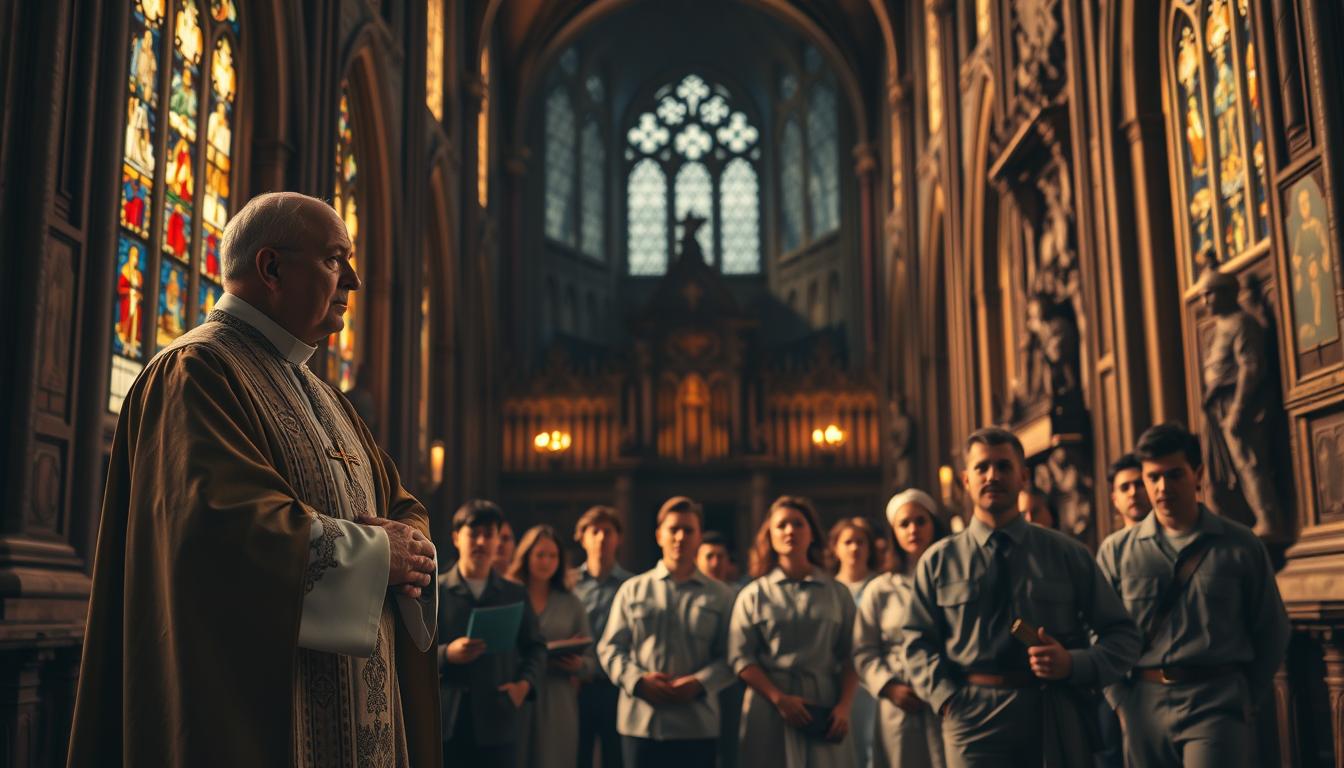
Protestant vs Catholic Work Ethic: What’s the Difference?
For over a century, scholars have debated how religious values shape attitudes toward labor and success. At the heart of this discussion lies a fascinating question: do different faith traditions foster distinct approaches to productivity and economic life? German sociologist Max Weber sparked this conversation in 1905 with his groundbreaking theory linking certain religious beliefs…
