-
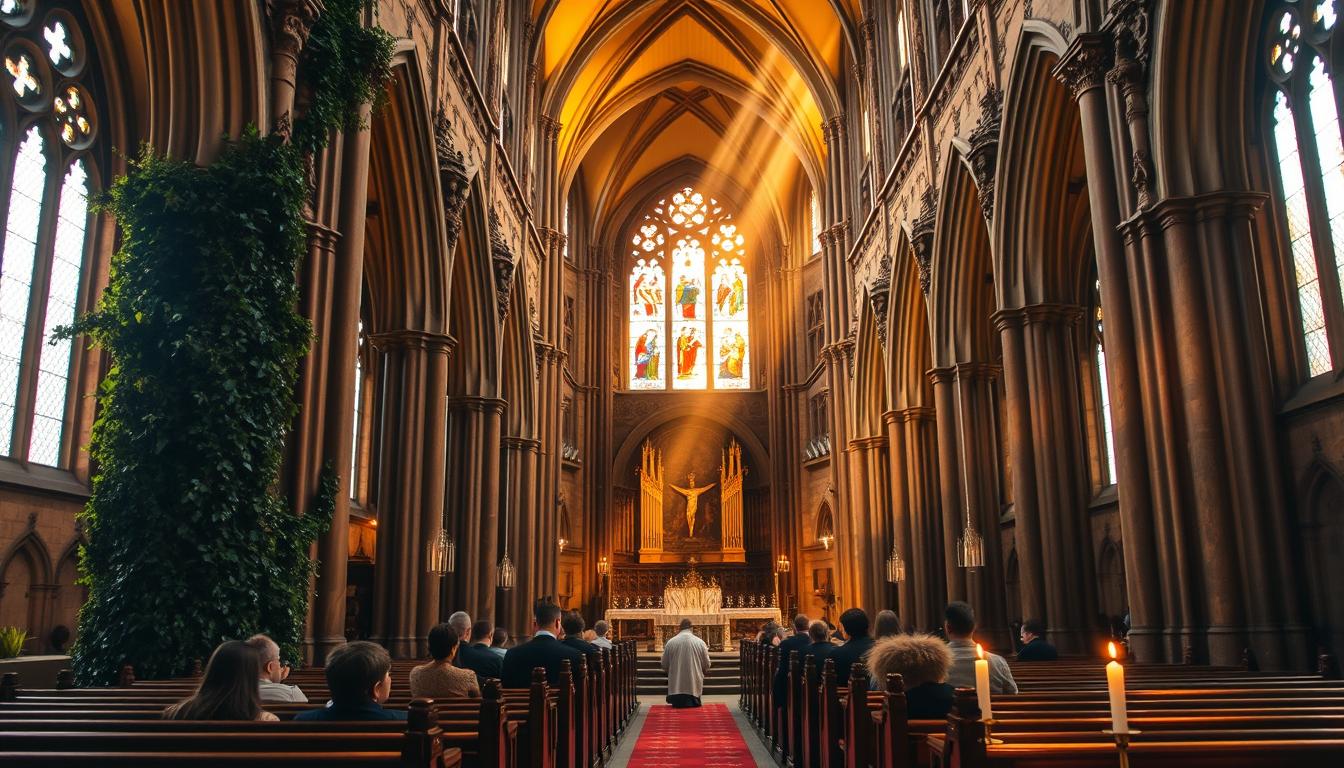
What Do Anglicans Believe?
Exploring the foundations of Anglican Christianity reveals a tradition that balances ancient wisdom with modern relevance. Rooted in Scripture and shaped by centuries of thoughtful practice, this global faith community offers a unique perspective on Christian living. At its core, Anglican beliefs draw from three key sources: biblical authority, historical creeds, and reason. This blend…
-
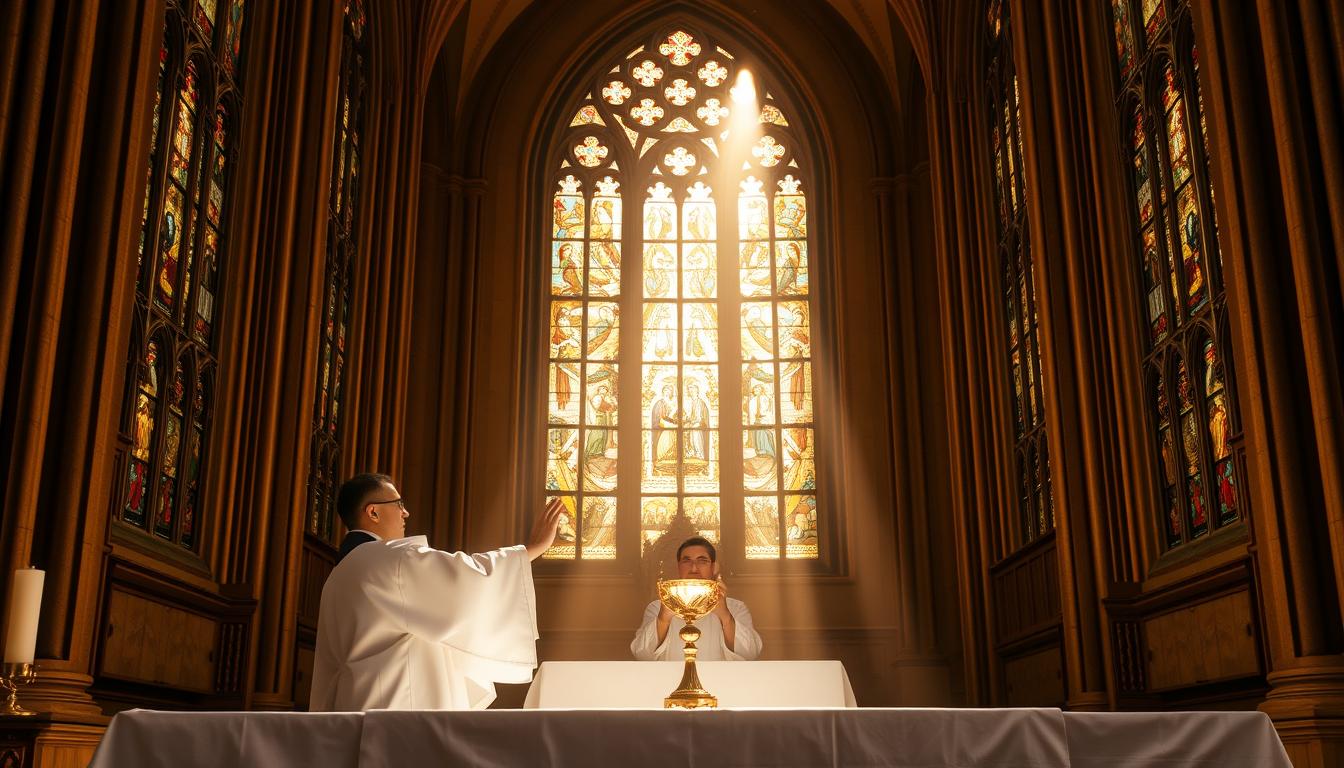
Anglican Beliefs on the Eucharist: A Friendly Explanation
The Eucharist is a central aspect of Anglican worship, representing a profound expression of faith and community. Within the Anglican Communion, there exists a rich diversity of theological perspectives on the Eucharist, reflecting the tradition’s broad and inclusive nature. At its core, the Eucharist is a celebration of the life, death, and resurrection of Jesus…
-
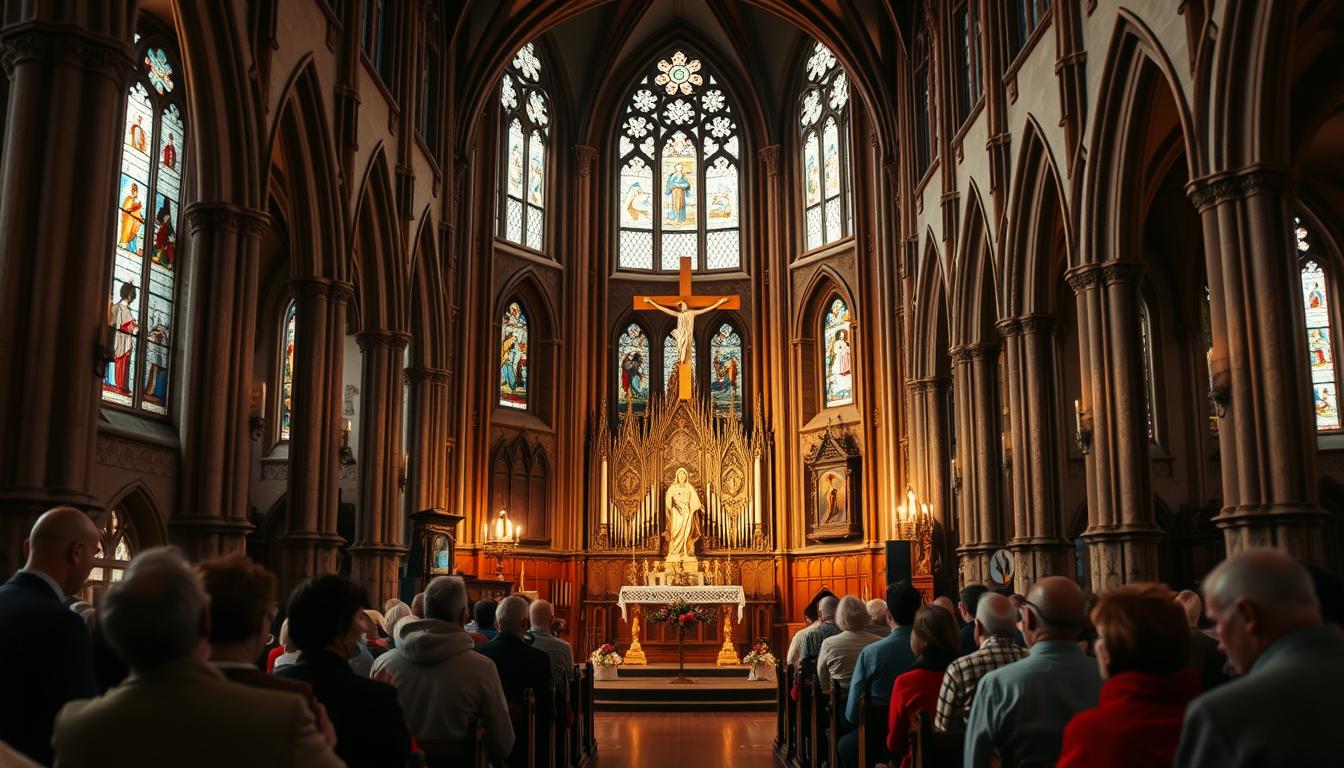
Do Anglicans Believe Jesus is the Son of God?
The Anglican faith is rooted in the belief that Jesus Christ is both fully God and fully human. This fundamental principle is central to their faith, as highlighted by theologians like Thomas McKenzie and James Atkinson, who emphasize the Trinitarian nature of God. The belief in Jesus as the Son of God is a cornerstone…
-

What Do Episcopalians Believe About Gays?
The Episcopal Church is known for its progressive stance on various social issues, including LGBTQ+ rights. At its core, the church’s belief is centered around the love of God and the acceptance of all individuals. As stated in their doctrine, “In Jesus, we find that the nature of God is love, and through baptism, we…
-
What Do Episcopalians Believe? Explore the Faith on Reddit
The Episcopal faith is a rich and diverse spiritual tradition that has been a source of comfort, guidance, and inspiration for millions of people around the world. As a community, Episcopalians are known for their commitment to social justice, inclusivity, and compassion. For those curious about Episcopal beliefs, Reddit provides a unique platform to explore…
-

What Do Anglicans Believe? Insights from Sam Wells
Understanding the core beliefs of Anglicanism is essential in today’s diverse religious landscape. Sam Wells’ book “What Anglicans Believe: An Introduction” provides a comprehensive overview of the faith, rooted in Scripture, reason, and tradition. Anglican beliefs are shaped by a rich history and a commitment to theological inquiry. At its core, Anglicanism is characterized by…
-
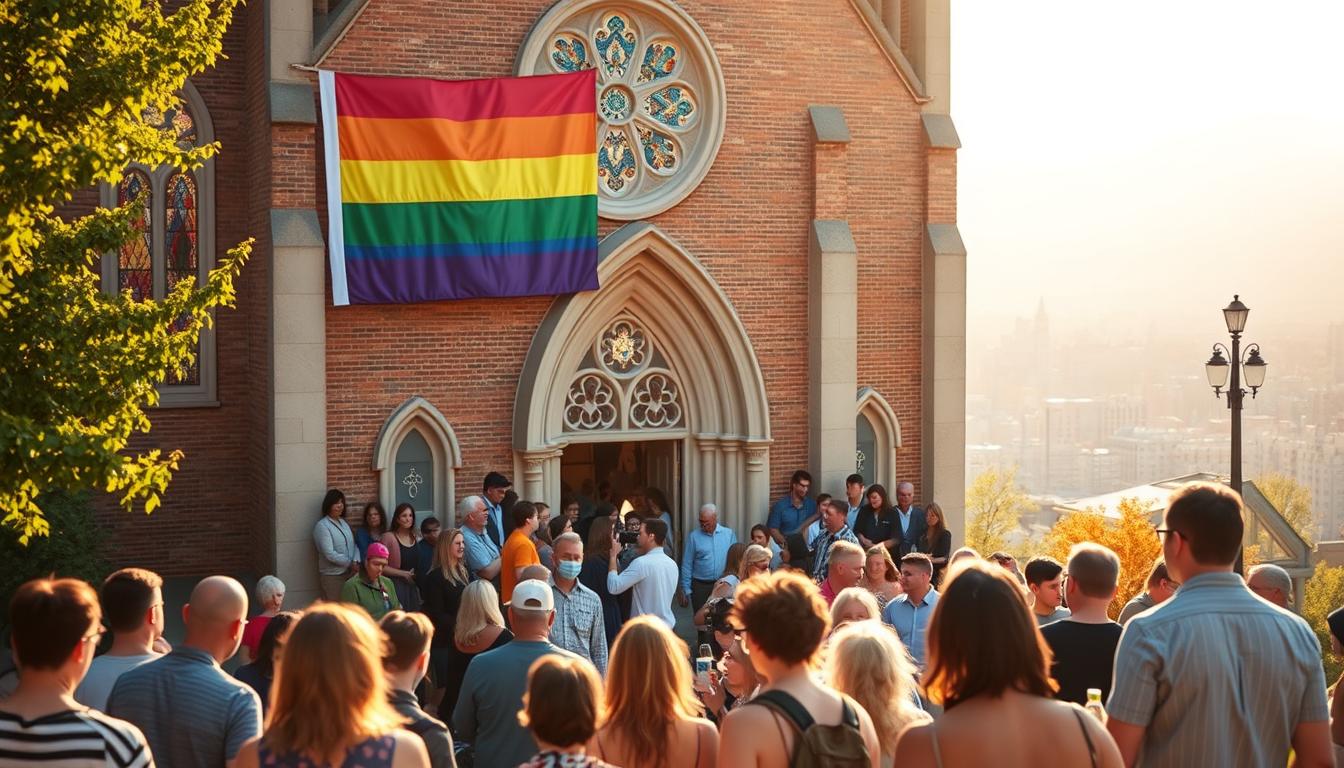
What Do Episcopalians Believe About LGBTQ+ People?
The Episcopal Church is known for its inclusive and welcoming stance towards LGBTQ+ individuals. At its core, the church’s beliefs are centered around love, respect, and dignity for all people. The church’s teachings emphasize that “In Jesus, we find that the nature of God is love, and through baptism, we share in his victory over…
-

What Do Anglicans Believe About Marriage?
The Anglican Church’s views on marriage are rooted in its understanding of Christian teachings. According to the Anglican Church in North America, marriage is a sacrament and a lifelong union between a man and a woman. The significance of understanding Anglican marriage beliefs lies in its importance as a cornerstone of Christian life. Exploring these…
-
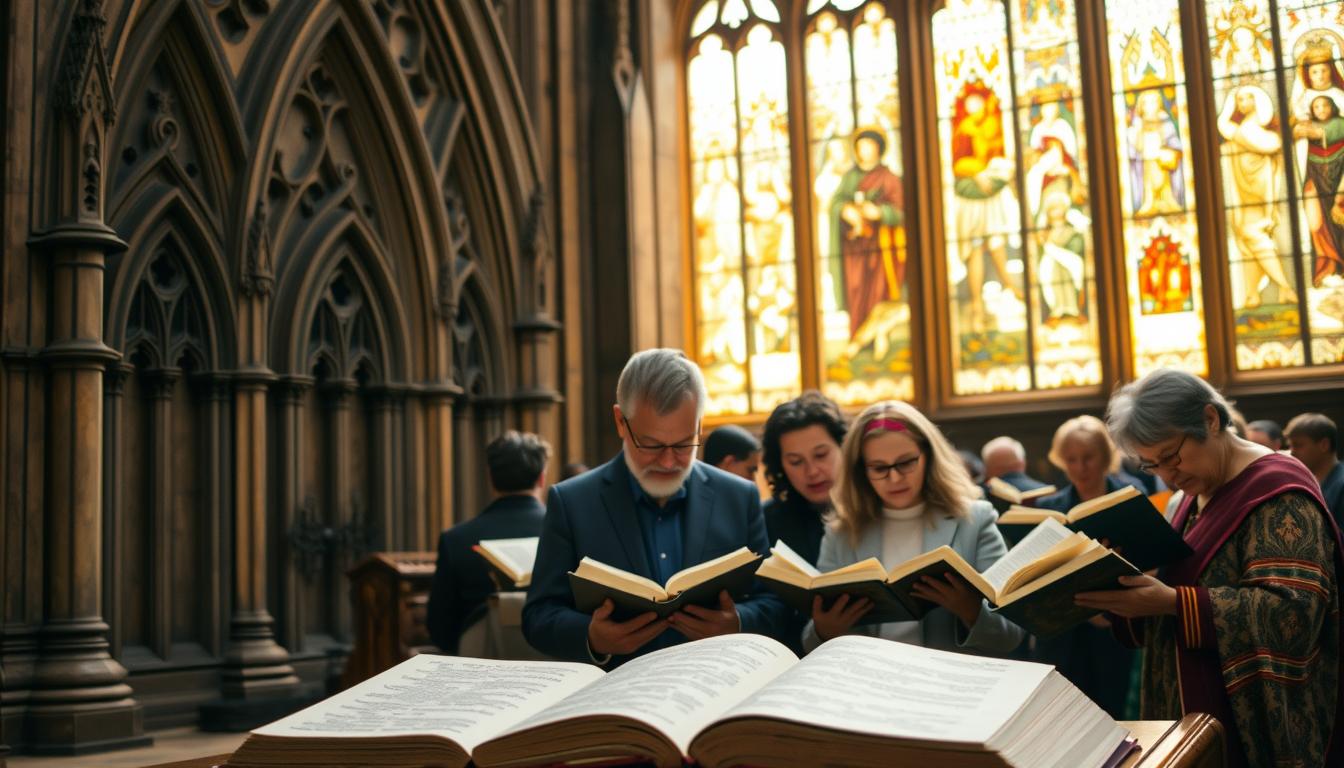
Anglicans and the Bible: Beliefs Explained
The Anglican tradition, stemming from the Church of England, places significant emphasis on the role of the Bible in Christian faith. At its core, Anglican beliefs about the Bible are rooted in the scripture’s authority and its interpretation within the context of tradition and reason. Anglicans base their Christian faith on the Bible, alongside the…
-

What Do Episcopalians Believe About Marriage?
The Episcopal Church views marriage as a sacred institution, emphasizing lifelong commitment, mutual support, and the nurturing of the relationship between two individuals, as well as their faith community and God. According to the Book of Common Prayer (BCP), marriage is a sacramental rite where two persons “enter into a life-long union, make their vows…
