Creating a meaningful and inclusive worship experience is crucial for engaging the congregation. In the United Methodist tradition, worship is a vital aspect of the faith community.
Effective service planning ensures a smooth flow of the worship service, facilitating a deeper connection with God. This involves coordinating various elements such as music, scripture readings, and rituals.
By using tools like flowcharts and rehearsing transitions, planners can avoid awkward moments and enhance the overall worship experience.
Key Takeaways
- Understand the purpose and significance of worship in the United Methodist tradition.
- Coordinate different aspects of the worship service for a smooth flow.
- Use planning tools like flowcharts to enhance the worship experience.
- Rehearse transitions to avoid awkward moments.
- Create a meaningful and inclusive worship experience for the congregation.
Understanding the Purpose of Worship Services
At the heart of every worship service is a profound purpose that connects individuals to their faith and community. Effective worship service organization and religious service coordination are crucial in creating an environment where this connection can flourish.
Worship services are not just religious rituals; they are a means of deepening one’s relationship with God and fostering a sense of community among the congregation. The United Methodist Church emphasizes the importance of both aspects in its worship services.
How Worship Connects Us to God
Worship is a powerful way to connect with God, providing a framework for prayer, reflection, and spiritual growth. Through hymns, scripture readings, and messages, worship services offer a multifaceted approach to deepening one’s faith.
The act of worship helps individuals feel a sense of closeness to God, fostering a personal relationship that is at the core of Christian faith. This connection is nurtured through the elements of the worship service, which are carefully planned to facilitate spiritual growth.
The Role of Community in Worship
The communal aspect of worship is equally important, as it brings together individuals who share a common faith. The United Methodist Church places a strong emphasis on the community aspect of worship, encouraging participation and inclusivity.
By coming together in worship, members of the congregation support one another, creating a sense of belonging and unity. This communal bond is a vital part of the worship experience, enhancing the overall sense of connection to both God and the community.
| Aspect of Worship | Role in Worship Service | Benefit to Congregation |
|---|---|---|
| Music and Hymns | Provides a means of expressing faith and praise | Unites the congregation in worship |
| Scripture Readings | Offers guidance and insight into Christian teachings | Deepens understanding of faith |
| Community Participation | Fosters a sense of unity and belonging | Enhances the worship experience |
Enhancing Spiritual Growth through Worship
Worship services play a crucial role in enhancing spiritual growth by providing a structured environment for prayer, reflection, and communal bonding. The elements of a worship service are designed to nurture the spiritual journey of the congregation.
Through effective worship service organization and religious service coordination, worship planners can create services that are not only meaningful but also engaging, fostering a deeper connection among the congregation.
Key Elements of Worship Planning
Worship planning is a multifaceted process that requires attention to detail and a deep understanding of the congregation’s needs. Effective worship services are built on several foundational elements that work together to create a meaningful and engaging experience for participants.
Music: Choosing the Right Hymns
Music plays a vital role in worship, with the selection of hymns and songs being crucial. The chosen music should be not only theologically sound but also engaging for the congregation. Congregational music selection is key to creating an inclusive atmosphere where everyone can participate.
When choosing hymns, consideration should be given to the theological message, the musical style, and how well the hymns align with the overall theme of the service. This careful selection process enhances the worship experience.
Scripture Readings and Messages
Scripture readings and messages are central to the worship service, providing a foundation for reflection and spiritual growth. The readings should be relevant, clearly communicated, and aligned with the service’s theme. The message delivered should be inspiring, informative, and applicable to the daily lives of the congregation.
A well-prepared message can significantly impact the congregation, encouraging spiritual growth and a deeper connection with their faith.
Prayers and Rituals
Prayers and rituals add depth and meaning to the worship service, offering a way for the congregation to participate actively. Prayers should be sincere, relevant, and inclusive, reflecting the needs and concerns of the congregation. Rituals, when incorporated thoughtfully, can enhance the sense of community and shared experience.
By carefully planning these elements, worship planners can create a rich and engaging experience that resonates with the congregation and fosters a deeper connection with their faith.
Involving the Congregation in Worship
Congregational participation is key to a dynamic and engaging worship experience, fostering a sense of community and shared ownership. When the congregation is actively involved, the worship service becomes more meaningful and inclusive.
Effective worship planning involves creating opportunities for the congregation to participate in various aspects of the service. This can include participating in prayers, rituals, and music, which helps to create a sense of unity and shared purpose.
Opportunities for Participation
There are several ways to involve the congregation in worship. One approach is to include them in the liturgical elements of the service, such as responsive readings and communal prayers. Additionally, providing opportunities for members to serve in various roles, such as readers, ushers, or musicians, can enhance their sense of involvement.
- Participating in communal prayers and rituals
- Serving as readers or ushers during the service
- Engaging in musical elements, such as singing in the choir
As Rev. Dr. Lillian Daniel notes in her book, “When the Church Was Young,” “The church is not a spectator sport; it’s a participatory event.” This emphasizes the importance of active participation in worship.
“The church is not a spectator sport; it’s a participatory event.” –
Feedback and Suggestions from Members
Encouraging feedback and suggestions from congregation members is crucial for understanding their needs and preferences. This can be achieved through various means, such as surveys, focus groups, or informal discussions after the service.
| Method | Description | Benefits |
|---|---|---|
| Surveys | Structured questionnaires to gather feedback | Provides quantitative data, easy to analyze |
| Focus Groups | Small, diverse groups discussing specific topics | Offers qualitative insights, encourages discussion |
| Informal Discussions | Casual conversations after the service | Provides immediate, personal feedback, builds relationships |
By incorporating feedback and suggestions, worship planners can tailor the service to better meet the congregation’s needs, enhancing the overall worship experience.
Creative Ideas for Worship Services
To keep worship services fresh and meaningful, churches can adopt various creative strategies and ideas. Effective ministry event coordination and church service planning are crucial in this endeavor, ensuring that the congregation remains engaged and inspired.
One approach to enhancing worship services is through themed services and special events. These can be centered around significant dates or themes in the church calendar, providing a unique experience for the congregation.
Themed Services and Special Events
Themed services offer an opportunity to delve deeper into specific themes or occasions, making the worship experience more focused and impactful. For example, a service themed around Easter can include special music, readings, and rituals that highlight the significance of the day.
Special events, such as Christmas Eve services or services commemorating significant life events, can also be planned to create memorable experiences. These events can be tailored to include elements that resonate with the congregation, making the worship more personal and engaging.

Incorporating Art and Multimedia
Incorporating art and multimedia into worship services can significantly enhance the experience, making it more dynamic and engaging. This can include the use of visual displays, videos, or live art during the service.
For instance, using projection technology to display images or videos that complement the sermon or theme of the service can add depth and context. Similarly, incorporating live music or dance can enrich the worship experience, providing a multisensory engagement for the congregation.
Seasonal Worship Planning
Seasonal worship planning allows churches to align their services with the church calendar, incorporating elements relevant to the current season. This can help maintain a sense of continuity and anticipation among the congregation.
For example, during Lent, services can include reflective elements and rituals that prepare the congregation for Easter. Similarly, services during Advent can be planned to build anticipation for Christmas, incorporating themes of hope, love, and redemption.
By embracing creativity in worship planning, churches can create a more engaging and meaningful experience for their congregation. Whether through themed services, the incorporation of art and multimedia, or seasonal planning, there are numerous ways to enhance church service planning and ministry event coordination.
Technology’s Role in Modern Worship
Modern worship services are increasingly leveraging technology to enhance the spiritual experience, improve outreach, and foster a sense of community. The effective integration of technology can significantly impact the organization and coordination of religious services.
Utilizing Audio-Visual Tools
Audio-visual tools play a crucial role in creating an engaging worship environment. They can be used to display lyrics, project images or videos, and enhance the overall atmosphere of the service. By incorporating high-quality sound and visual systems, churches can ensure that their message is conveyed clearly and effectively to the congregation.
Benefits of Audio-Visual Tools:
- Enhanced engagement through visual elements
- Improved clarity in communication
- Creation of a more immersive worship experience
Live Streaming Services Effectively
Live streaming has become an essential tool for churches looking to expand their reach beyond the physical congregation. It allows members who cannot attend in person to participate in the service remotely. To live stream effectively, churches must invest in quality equipment and have a reliable internet connection.
| Aspect | Consideration | Best Practice |
|---|---|---|
| Equipment | Camera and microphone quality | Invest in high-definition cameras and microphones |
| Internet Connection | Speed and reliability | Ensure a stable and fast internet connection |
| Production Quality | Visual and audio quality | Use professional editing software and consider hiring a technician |
Social Media Engagement Before and After Services
Social media can be a powerful tool for engaging with the congregation before, during, and after worship services. It provides a platform for sharing announcements, promoting events, and encouraging feedback. By leveraging social media effectively, churches can build a stronger sense of community and keep their members informed and involved.
By embracing technology, churches can enhance their worship services, making them more engaging, inclusive, and accessible to a wider audience. Effective use of audio-visual tools, live streaming, and social media can significantly improve the coordination and organization of religious services.
Choosing the Right Worship Space
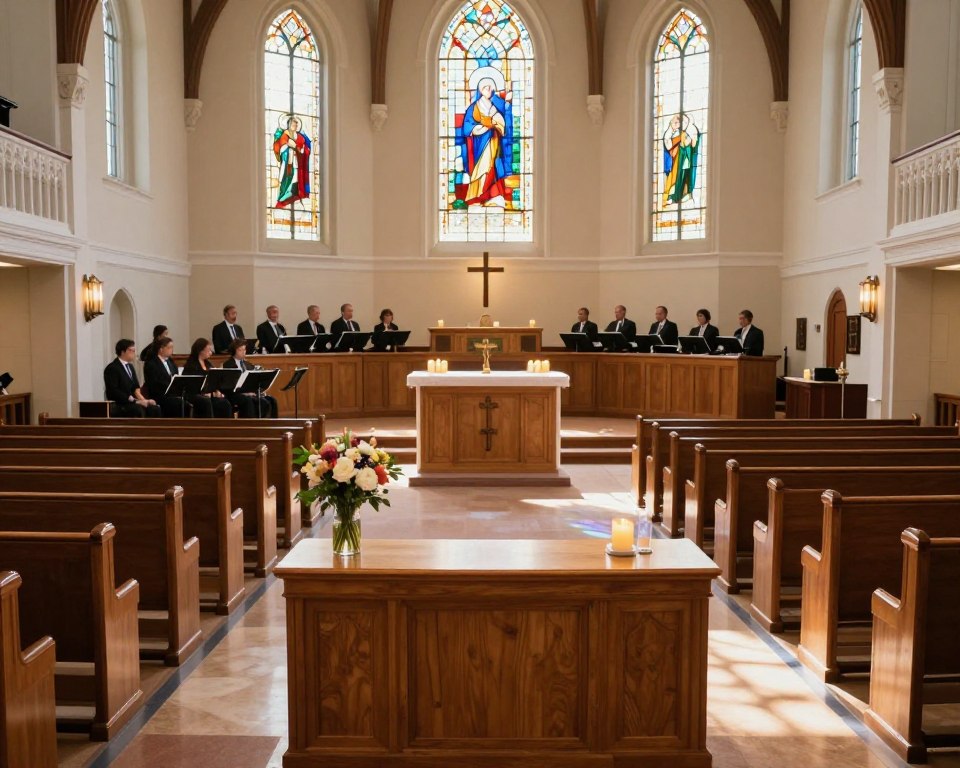
Selecting the appropriate venue for worship services is a decision that can significantly impact the congregation’s engagement and spiritual growth. The physical environment plays a crucial role in shaping the worship experience.
Factors to Consider for Venue Selection
When choosing a worship space, several factors come into play. Size is a critical consideration to ensure that the venue can accommodate the congregation comfortably. Acoustics are also vital; the space should allow for clear sound without echo or distortion. Additionally, the availability of necessary facilities, such as restrooms and parking, should be considered to enhance the overall experience.
Other important factors include the venue’s accessibility for members with disabilities and its overall ambiance. The chosen venue should facilitate a sense of community and spiritual connection among the congregation.
Creating a Welcoming Atmosphere
Creating a welcoming atmosphere within the chosen worship space is essential for fostering a positive worship experience. This can be achieved through thoughtful consideration of lighting, seating arrangements, and decor. The ambiance should promote a sense of peace and spirituality.
To further enhance the atmosphere, consider incorporating elements that reflect the church’s identity and values. This could include artwork, symbolic decor, or other meaningful features that resonate with the congregation.
By carefully selecting the right worship space and creating a welcoming atmosphere, churches can significantly enhance their worship services, supporting the spiritual growth and engagement of their congregation.
Training Worship Leaders and Volunteers
Training worship leaders and volunteers is crucial for creating engaging worship experiences. Effective worship leadership is not just about guiding the congregation through a service; it’s about creating a meaningful and spiritual experience for all attendees.
Developing Leadership Skills
Developing the leadership skills of worship leaders is essential for the success of any worship service. This involves providing them with the necessary training and resources to excel in their roles. Leadership development programs can include workshops on public speaking, liturgical understanding, and ministry event coordination. By investing in their development, churches can ensure that their worship leaders are confident and capable.
A key aspect of leadership development is mentorship. Pairing less experienced leaders with seasoned veterans can provide valuable guidance and support. This mentorship can help new leaders navigate the complexities of religious ceremony scheduling and service planning.
Recruiting and Nurturing Volunteers
Volunteers are the backbone of many worship services, assisting with everything from technical tasks to leading prayers. Recruiting volunteers involves identifying individuals with a passion for worship and providing them with the necessary training and support.
| Role | Responsibilities | Training Needed |
|---|---|---|
| Worship Leader | Lead the congregation in worship | Public speaking, liturgy |
| Technical Support | Manage audio-visual equipment | Technical operation, troubleshooting |
| Prayer Leader | Lead the congregation in prayer | Liturgy, prayer composition |
Nurturing volunteers involves creating a supportive environment where they feel valued and empowered. Regular feedback and opportunities for growth can help retain volunteers and ensure they continue to contribute to the worship service.
By focusing on the development of worship leaders and the recruitment and nurturing of volunteers, churches can enhance the quality of their worship services. This not only benefits the congregation but also fosters a sense of community and shared purpose among those involved in leading worship.
Building a Diverse Worship Experience
Fostering a diverse and inclusive worship experience can lead to a more engaged and committed congregation. A diverse worship service acknowledges the varied backgrounds, ages, and cultures within the community, creating a welcoming environment for all.
Inclusive Worship for All Ages
Creating worship services that cater to all ages is essential for a family-friendly church. This can be achieved by incorporating elements that appeal to different age groups, such as:
- Involving children in certain parts of the service, like readings or prayers.
- Using contemporary music that resonates with younger generations, alongside traditional hymns that older members can appreciate.
- Incorporating intergenerational activities and discussions during the service.
By doing so, the church can ensure that everyone feels included and valued.
Addressing Different Cultural Backgrounds
A congregation often comprises individuals from diverse cultural backgrounds. Acknowledging and celebrating this diversity can enrich the worship experience. Some ways to achieve this include:
- Incorporating music, prayers, or readings that reflect the cultural heritage of the congregation.
- Observing cultural festivals and traditions within the context of the worship service.
- Encouraging members to share their cultural practices and experiences, promoting a sense of community and understanding.
Congregational music selection plays a significant role in this aspect, as it can bridge cultural gaps and create a unified worship atmosphere.
Worship service organization is also crucial in ensuring that the diverse needs of the congregation are met. This involves careful planning and consideration of the various elements that make up a worship service, from liturgy to community activities.
By embracing diversity and promoting inclusivity, the church can create a vibrant and dynamic worship environment that resonates with a wide range of people.
Evaluating Worship Services for Improvement
The effectiveness of worship services can be significantly improved by adopting a systematic evaluation process. This involves understanding the congregation’s needs, assessing the current state of worship services, and identifying areas for enhancement.
Collecting Feedback Post-Service
One of the most effective ways to evaluate worship services is by collecting feedback from the congregation post-service. This can be achieved through various methods, including surveys, focus groups, and one-on-one interviews. By gathering feedback, worship planners can gain valuable insights into what aspects of the service are appreciated and what areas need improvement.
For instance, a survey might reveal that the congregation appreciates the contemporary music used in the service but finds the sermons sometimes too lengthy. Such feedback is crucial for making informed decisions about future worship services.
Setting Goals for Future Worship Experiences
Once feedback is collected, the next step is to set goals for future worship experiences based on the insights gained. This involves analyzing the feedback, identifying common themes, and determining actionable steps to enhance the worship service. For example, if feedback indicates that the congregation would like more interactive elements in the service, planners can incorporate more participatory activities or discussions.
By setting clear goals, worship planners can ensure that their services remain relevant and engaging for the congregation. This process of evaluation and improvement is ongoing, allowing for continuous refinement and enhancement of the worship experience.
- Regularly collect and analyze feedback to understand the congregation’s needs.
- Set clear, actionable goals based on the feedback received.
- Continuously evaluate and refine worship services to ensure they remain effective and engaging.
Resources for Ongoing Worship Planning
Effective worship planning is an ongoing process that requires access to valuable resources and support. United Methodist churches can benefit from a variety of tools and networks to enhance their worship services and ministry event coordination.
Recommended Resources
Worship planners can find guidance in recommended books and websites focused on United Methodist church worship planning. These resources offer insights into creating meaningful worship experiences, planning special events, and incorporating diverse elements into services.
Networking Opportunities
Connecting with other churches and worship planners provides opportunities to share experiences, learn from others, and gain new ideas. Networking can help United Methodist churches stay updated on best practices in worship planning and ministry event coordination, ultimately enriching their worship services.
By leveraging these resources and networks, worship planners can continue to grow and improve their services, ensuring they remain engaging and meaningful for their congregation.
FAQ
What is the purpose of worship services in the United Methodist Church?
The purpose of worship services is to connect with God and the community, enhancing spiritual growth through prayer, reflection, and communal bonding.
How can worship planners create an engaging experience for the congregation?
Worship planners can create an engaging experience by coordinating elements such as music, scripture readings, prayers, and rituals, and by involving the congregation in worship through participation and feedback.
What role does music play in worship services?
Music plays a vital role in worship, with the selection of hymns and songs that are theologically sound and engaging for the congregation, facilitating their connection with God.
How can technology be used to enhance worship services?
Technology can be used to enhance worship services through the use of audio-visual tools, live streaming, and social media engagement, expanding the reach and impact of the services.
What factors should be considered when selecting a worship space?
Factors such as the size of the congregation, acoustics, and necessary facilities should be considered when selecting a venue, along with creating a welcoming atmosphere through lighting, seating, and decor.
How can worship leaders be effectively trained and supported?
Worship leaders can be effectively trained and supported by developing their leadership skills, recruiting and nurturing volunteers, and providing opportunities for leadership development.
How can worship services be made more inclusive for a diverse congregation?
Worship services can be made more inclusive by incorporating elements relevant to different age groups and cultural backgrounds, fostering a welcoming and vibrant community.
How can worship services be evaluated for improvement?
Worship services can be evaluated by collecting feedback from the congregation post-service and setting goals for future worship experiences based on this feedback.
What resources are available for ongoing worship planning?
Resources such as recommended books and websites, and networking with other churches, can provide valuable guidance and ideas for enhancing worship services.