The charge conference is a pivotal event in the United Methodist Church, serving as a vital link between the local church and the broader church community.
It is responsible for reviewing and evaluating the total mission and ministry of the church, receiving reports, and adopting objectives and goals recommended by the church council.
To ensure a productive and successful meeting, it is essential for church leaders to understand the purpose and procedures of the charge conference.
Key Takeaways
- Understand the purpose and role of the charge conference.
- Review and evaluate the church’s mission and ministry.
- Receive and discuss reports from various church committees.
- Adopt objectives and goals for the upcoming period.
- Ensure effective communication among church leaders and members.
What is a Charge Conference?
The Charge Conference is a pivotal event in the United Methodist Church’s annual cycle. It serves as the fundamental unit in the church’s connectional system, bringing together key stakeholders to make important decisions and set the direction for the local church.
Definition and Purpose
According to ¶ 246, the Charge Conference is organized from the church or churches in every pastoral charge and meets annually. Its primary purpose is to review the church’s progress, address challenges, and plan for the future. The Charge Conference is essential for ensuring that the local church is aligned with the broader mission and goals of the United Methodist Church.
The Charge Conference has several key responsibilities, including:
- Reviewing the church’s membership and attendance trends
- Examining financial reports and budgets
- Discussing and deciding on strategic initiatives
Historical Background
The Charge Conference has its roots in the early history of Methodism. The concept of a gathering to oversee the local church’s activities and guide its development has been a part of the Methodist tradition since its inception. Over time, the Charge Conference has evolved to meet the changing needs of the church and its members.
The historical context of the Charge Conference is important for understanding its significance in the United Methodist Church today. It reflects the church’s commitment to connectionalism and collaborative decision-making.
Importance in the United Methodist Church
The Charge Conference plays a vital role in the life of the United Methodist Church. It provides a forum for discussing key issues, setting priorities, and making decisions that impact the local church and the broader denomination. By participating in the Charge Conference, members of the local church can contribute to the overall mission and direction of the United Methodist Church.
The Charge Conference is also crucial for ensuring accountability and transparency within the church. It provides an opportunity for stakeholders to review the church’s progress, address concerns, and plan for the future.
Key Players Involved in Charge Conferences
The success of a Charge Conference in the United Methodist Church hinges on the collaborative efforts of several key players. A Charge Conference is a significant event that requires meticulous planning and active participation from various stakeholders. Understanding the roles and responsibilities of these individuals is crucial for a productive and effective conference.
Role of the Pastor
The pastor serves as the administrative officer and is an ex officio member of all conferences, boards, councils, commissions, committees, and task forces, as stated in ¶ 246 of the United Methodist Church’s guidelines. This role is pivotal in guiding the Charge Conference, ensuring that it is conducted in accordance with the church’s policies and procedures.
The pastor’s responsibilities include preparing the conference agenda, facilitating discussions, and ensuring that all necessary reports and documents are available. As Andrew Knight, a seasoned pastor, notes, “The pastor’s role is not just to lead the conference but to foster an environment where all participants feel heard and valued.”
Responsibilities of the Church Council
The Church Council plays a vital role in the Charge Conference by overseeing the planning and execution of the event. They are responsible for reviewing reports, discussing church business, and making decisions that impact the congregation.
As part of their duties, the Church Council must ensure that the conference is well-organized, with a clear agenda and adequate preparation. Effective communication among council members, the pastor, and the congregation is key to a successful Charge Conference.
Contributions of Lay Leaders
Lay leaders are essential participants in the Charge Conference, bringing diverse perspectives and experiences to the table. They are involved in various aspects of church life and provide valuable insights during discussions.
Lay leaders contribute by sharing their views on church matters, participating in decision-making processes, and helping to implement decisions made during the conference. As
“Lay leaders are the backbone of our church, providing support and guidance in times of need,”
said
, a respected figure in the United Methodist Church.
Preparing for the Conference: Documentation
Documentation plays a vital role in the United Methodist Church Charge Conference, serving as the backbone of informed decision-making. Proper documentation is essential for a productive conference, as it provides the necessary information for church leaders to make informed decisions about the future of the church.
Required Reports and Records
The charge conference requires various reports and records, as outlined in the United Methodist Church’s Book of Discipline (¶ 247.15). These include membership reports, financial statements, and statistical data. Membership reports provide an overview of the church’s membership, including additions, deletions, and other changes. Ensuring these reports are accurate and up-to-date is crucial for the conference.
Important Financial Statements
Financial statements are a critical component of the charge conference documentation. They provide a detailed overview of the church’s financial situation, including income, expenses, and budget projections. The church treasurer’s report is a key document that outlines the church’s financial activities over the past year. It is essential that this report is thorough and transparent, allowing church leaders to make informed decisions about future financial planning.
Member Statistics and Trends
Member statistics and trends are also vital for the charge conference. These statistics help church leaders understand the church’s growth or decline, identify areas of concern, and make informed decisions about future initiatives. Statistical data may include information on worship attendance, membership numbers, and community outreach activities. Analyzing these trends can help the church develop strategies to address challenges and capitalize on opportunities.
By focusing on these key areas of documentation, the United Methodist Church can ensure that its charge conference is well-prepared and productive, ultimately supporting the church’s mission and governance.
Setting the Agenda for the Charge Conference
A well-structured agenda is the backbone of a successful United Methodist Church Charge Conference. It ensures that all necessary topics are covered and that the meeting stays focused and productive.
Common Agenda Items
The agenda for a Charge Conference typically includes reviewing and evaluating the mission and ministry of the church, receiving reports, and adopting objectives and goals, as outlined in ¶ 247.3 of the United Methodist Church’s guidelines. Other common items may include:
- Reviewing the church’s financial status
- Discussing community outreach programs
- Evaluating the effectiveness of current ministries
Prioritizing Discussion Points
Given the limited time available for the Charge Conference, it’s essential to prioritize the discussion points. Key issues that require decision-making or significant discussion should be given precedence. This can be achieved by:
- Identifying critical matters that need immediate attention
- Grouping related topics together to facilitate comprehensive discussion
- Allocating sufficient time for each major agenda item
Time Management Tips
Effective time management is crucial for a productive Charge Conference. Some tips include:
- Starting the conference on time and adhering to the scheduled agenda
- Encouraging concise and focused contributions from participants
- Having a facilitator to keep the discussions on track and ensure that all necessary topics are covered
By carefully planning the agenda and managing the time effectively, the Charge Conference can achieve its objectives and contribute to the overall health and mission of the United Methodist Church.
Communication Ahead of the Conference
Clear and timely communication ahead of the Charge Conference sets the stage for a productive meeting. Effective communication is essential to ensure that all stakeholders are informed and engaged.
Informing the Congregation
Informing the congregation about the Charge Conference and its purpose is a critical step in the preparation process. The church council should ensure that the congregation understands the significance of the conference and its role in the life of the church (¶ 247). This can be achieved through various channels, including:
- Announcements during worship services
- Email notifications to church members
- Posts on the church’s social media platforms
- Direct mail or newsletters to the congregation
Engaging with Stakeholders
Engaging with stakeholders is vital to foster a sense of community and ensure that all parties are informed and involved. Stakeholders include church members, leaders, and other individuals who have a vested interest in the outcomes of the Charge Conference.
To effectively engage with stakeholders, consider the following strategies:
- Host pre-conference meetings or forums to discuss key issues
- Encourage feedback through surveys or suggestion boxes
- Provide regular updates on the conference preparations
Utilizing Church Communication Tools
The church can leverage various communication tools to disseminate information about the Charge Conference. These tools may include:
| Tool | Description | Benefits |
|---|---|---|
| Church Website | Posting conference details and updates | Easy access for members, wide reach |
| Email Lists | Sending targeted notifications and reminders | Direct and efficient communication |
| Social Media | Sharing updates and engaging with the congregation | Interactive, encourages engagement |
By utilizing these communication tools and strategies, the church can ensure that the congregation is well-informed and engaged ahead of the Charge Conference.
Conducting the Charge Conference
Conducting a successful Charge Conference is crucial for the United Methodist Church’s leadership and decision-making processes. The district superintendent plays a key role in presiding over these meetings, or they may designate a clergy member in full connection to preside (¶ 246.5).
Guidelines for Facilitation
Effective facilitation is essential for a productive Charge Conference. Clear communication and structured agendas help ensure that all necessary topics are covered. The facilitator should encourage participation from all attendees and maintain a respectful atmosphere.
- Establish a clear agenda and objectives
- Encourage open and respectful dialogue
- Manage time effectively to cover all agenda items
Strategies for Open Discussions
Fostering an environment conducive to open discussions is vital. This can be achieved by:
- Creating a safe space for sharing ideas and concerns
- Using open-ended questions to stimulate discussion
- Encouraging active listening among participants
Handling Conflicts and Concerns
Conflicts and concerns inevitably arise. Effective handling involves:
| Strategy | Description |
|---|---|
| Active Listening | Listen carefully to concerns and respond thoughtfully |
| Mediation | Use a neutral third party to mediate disputes |
| Clear Communication | Ensure that all parties understand the issues and resolutions |
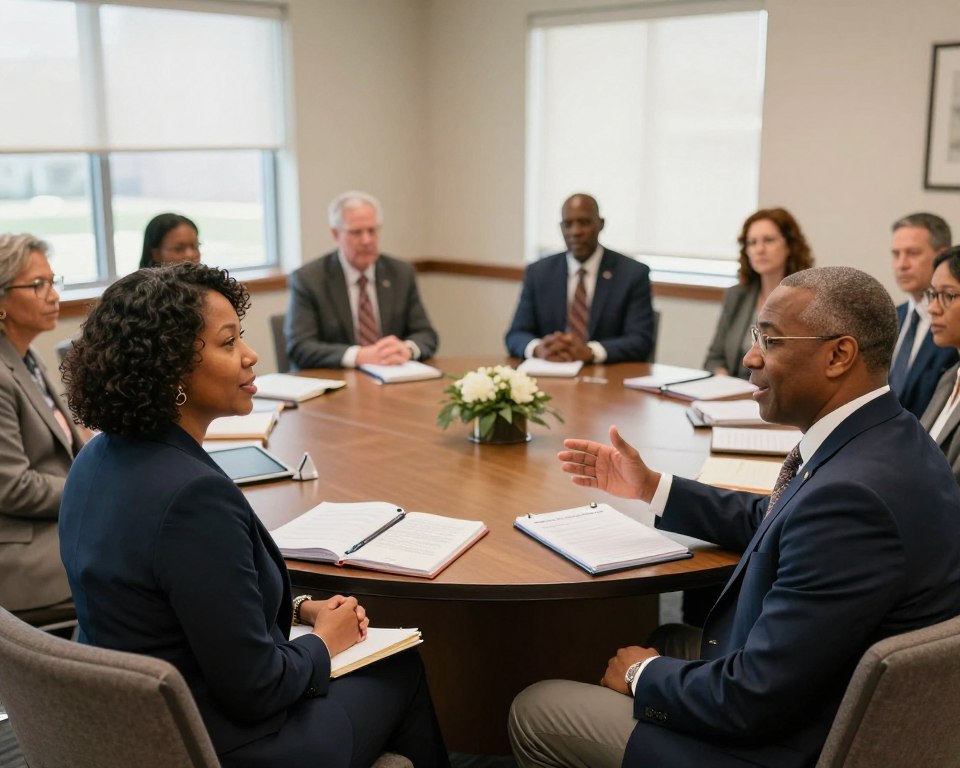
By following these guidelines and strategies, church leaders can conduct a Charge Conference that is both productive and meaningful, ultimately benefiting the Methodist church leadership and the community it serves.
Post-Conference: Follow-Up Actions
Once the charge conference concludes, it’s vital to summarize the outcomes and plan the next steps carefully. The charge conference recording secretary plays a crucial role in this process, as they are responsible for keeping an accurate record of the proceedings and being the custodian of all records and reports, as stated in ¶ 247.4 of the United Methodist Church’s guidelines.
Summarizing Meeting Outcomes
Summarizing the meeting outcomes is the first step in the follow-up process. This involves compiling the reports, decisions, and actions agreed upon during the conference into a coherent document. The summary should be clear, concise, and accessible to all stakeholders. It is essential to highlight the key decisions made and the responsibilities assigned to various individuals or committees.
Planning Next Steps
After summarizing the meeting outcomes, the next step is to plan the implementation of the decisions made. This involves creating an action plan with specific tasks, timelines, and responsible individuals. The plan should be communicated to all relevant stakeholders to ensure everyone is aware of their roles and responsibilities. Regular check-ins can help keep the implementation on track and address any challenges that arise.
Ongoing Communication with Congregants
Maintaining ongoing communication with congregants is crucial after the charge conference. This can be achieved through various channels, including church newsletters, social media, and town hall meetings. Keeping the congregation informed about the progress of the decisions made during the conference helps build trust and encourages continued engagement. It’s also an opportunity to solicit feedback and make adjustments as necessary.
By following these steps, the United Methodist Church can ensure that the outcomes of the charge conference are effectively implemented, and the congregation remains engaged and informed throughout the process.
Common Challenges and Solutions
Navigating the complexities of a charge conference requires understanding the common pitfalls and implementing strategies to overcome them. Despite careful planning, challenges may arise, impacting the effectiveness of the conference.
Addressing Low Participation
Low participation can significantly hinder the success of a charge conference. To combat this, it’s essential to engage the congregation ahead of time, ensuring they are aware of the conference’s importance and their role in it.
- Utilize various communication channels to inform and involve the congregation.
- Clearly outline the expectations and objectives of the charge conference.
- Encourage active participation by providing opportunities for feedback and discussion.
Managing Time Constraints
Effective time management is crucial for a productive charge conference. Creating a detailed agenda and sticking to it can help ensure that all necessary topics are covered within the allotted time frame.
| Agenda Item | Time Allocated | Responsible Person |
|---|---|---|
| Introduction and Welcome | 5 minutes | Pastor |
| Review of Church Reports | 15 minutes | Church Secretary |
| Discussion of Key Issues | 30 minutes | Church Council Members |
Dealing with Divisions
Divisions within the congregation can pose a significant challenge during a charge conference. Fostering an environment of open dialogue and respect can help mitigate conflicts and lead to more constructive discussions.
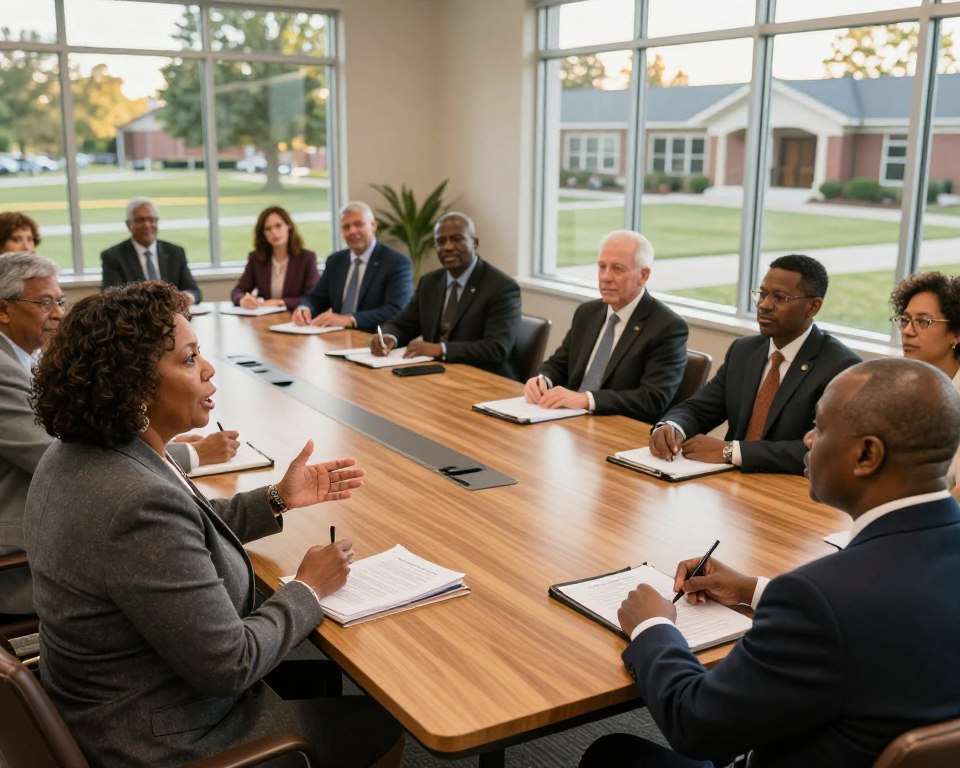
By understanding these common challenges and implementing effective solutions, charge conferences can be more productive and successful, ultimately benefiting the United Methodist Church community.
Resources and Tools for Successful Charge Conferences
To ensure a successful charge conference, church leaders need access to the right tools and resources. Utilizing the right resources and tools can significantly enhance the effectiveness of the charge conference. This section will explore available resources, including templates, reading materials, and online tools, providing church leaders with valuable assets to support their planning and execution.
Templates for Reports and Agendas
Having the right templates can streamline the preparation process for charge conferences. Templates for reports and agendas help ensure that all necessary information is gathered and presented in a clear and organized manner. The United Methodist Church provides various templates on their official website, including:
- Sample agendas for charge conferences
- Report templates for pastors and church councils
- Financial statement templates
These templates can be customized to fit the specific needs of each church, ensuring that the charge conference is well-organized and productive.
Suggested Reading Materials
In addition to templates, there are several reading materials that can provide valuable insights and guidance for church leaders preparing for a charge conference. Some recommended resources include:
- The United Methodist Church’s Book of Discipline
- Guidelines for Leading Your Congregation, a series of books on various aspects of church leadership
- Online articles and webinars on effective church governance and leadership
These resources can help church leaders understand the governance structure of the United Methodist Church and provide practical advice on how to conduct a successful charge conference.
Online Tools and Apps
There are numerous online tools and apps that can facilitate the planning and execution of charge conferences. Some examples include:
| Tool/App | Description |
|---|---|
| Meeting planning software | Tools like Asana and Trello can help organize tasks and deadlines for charge conference preparation. |
| Document sharing platforms | Services like Google Drive and Dropbox enable easy sharing of reports and other documents with church leaders. |
| Communication apps | Apps like Slack and WhatsApp can facilitate communication among church leaders and stakeholders. |
By leveraging these resources and tools, church leaders can ensure a well-planned and effective charge conference, ultimately supporting the United Methodist Church’s governance and mission.
Best Practices from Successful Charge Conferences
Examining successful charge conferences in the United Methodist Church reveals valuable best practices for church leaders. By learning from the experiences of others, church leaders can improve their charge conference planning and execution.
Case Studies of Effective Conferences
Several churches have implemented innovative strategies to enhance their charge conferences. For instance, one church conducted a pre-conference survey to gather input from congregants, while another established a committee to oversee the conference planning process.
A case study of a successful charge conference in a large Methodist church revealed that clear communication and effective time management were key factors in its success. The church used a combination of digital and print media to inform congregants about the conference agenda and objectives.
Lessons Learned from Other Churches
Church leaders can learn valuable lessons from other churches that have successfully conducted charge conferences. One key takeaway is the importance of engaging stakeholders early in the planning process.
A review of several case studies revealed common themes, including the need for transparent communication and collaborative decision-making. These themes are summarized in the following table:
| Best Practice | Description | Benefit |
|---|---|---|
| Pre-conference surveys | Gathering input from congregants before the conference | Increased congregant engagement |
| Clear communication | Informing congregants about the conference agenda and objectives | Improved understanding and participation |
| Collaborative decision-making | Involving stakeholders in the decision-making process | Enhanced sense of ownership and commitment |
Tips from Experienced Leaders
Experienced church leaders offer valuable insights into successful charge conferences. One tip is to start planning early, allowing ample time for preparation and communication.
Another tip is to use technology to facilitate communication and engagement. This can include online surveys, digital meeting tools, and social media.
Looking Ahead: Future Charge Conferences
As the United Methodist Church continues to evolve, the charge conference remains a vital component of its governance structure. Planning for continuous improvement is essential for long-term success, as stated in the United Methodist Church’s guidelines (¶ 247).
Evaluating Progress
To plan for future charge conferences, it’s crucial to evaluate the progress made in previous meetings. This involves assessing the effectiveness of implemented strategies and identifying areas for improvement within the Methodist denomination.
Long-Term Goals
Setting long-term goals is vital for the growth and development of the church. By establishing clear objectives, church leaders can create a roadmap for future charge conferences, ensuring alignment with the United Methodist Church’s overall mission.
Fostering Engagement
Building a culture of engagement is critical for the success of charge conferences. This can be achieved by encouraging active participation from congregants and stakeholders, ultimately strengthening the United Methodist Church’s presence in the community.
FAQ
What is the purpose of a United Methodist Church Charge Conference?
The United Methodist Church Charge Conference is an annual gathering that plays a vital role in the life of the church, providing a platform for church leaders to discuss important matters, make decisions, and plan for the future.
Who are the key players involved in a Charge Conference?
The key players involved in a Charge Conference include the pastor, church council, and lay leaders, each with distinct roles and responsibilities that are essential to the success of the conference.
What documentation is required for a Charge Conference?
The necessary reports and records required for a Charge Conference include financial statements, member statistics, and other relevant documents that provide insight into the church’s operations and guide decision-making.
How do I set an effective agenda for a Charge Conference?
To set an effective agenda, identify common agenda items, prioritize discussion points, and manage time effectively to ensure a productive and efficient meeting.
How can I encourage participation and engagement during a Charge Conference?
To encourage participation and engagement, facilitate open discussions, handle conflicts and concerns effectively, and create a positive and inclusive environment.
What are some common challenges that may arise during a Charge Conference, and how can they be addressed?
Common challenges that may arise during a Charge Conference include low participation, time constraints, and divisions, which can be addressed by employing strategies such as improving communication, managing time effectively, and fostering a sense of community.
What resources and tools are available to support successful Charge Conferences?
Available resources and tools include templates for reports and agendas, suggested reading materials, and online tools and apps that can enhance the planning and execution of the Charge Conference.
How can I ensure continuous improvement and long-term success in future Charge Conferences?
To ensure continuous improvement and long-term success, plan for ongoing evaluation, set long-term goals, and build a culture of engagement within the church community.
What is the role of the pastor in a Charge Conference?
The pastor plays a crucial role in the Charge Conference, providing spiritual guidance, facilitating discussions, and working collaboratively with other church leaders to achieve the conference’s objectives.
How can I effectively communicate with congregants before and after a Charge Conference?
Effective communication can be achieved by informing the congregation, engaging with stakeholders, and utilizing church communication tools to ensure that all stakeholders are informed and involved.