The Presbyterian denomination has its roots in the 16th-century Protestant Reformation. This Christian denomination is known for its distinctive form of government, where churches are governed by elders.
The history of the Presbyterian Church is rich and diverse, tracing back to the Protestant Reformation. Understanding the Presbyterianism is essential to grasping its significance in the Christian world.
Key Takeaways
- The Presbyterian Church originated from the 16th-century Protestant Reformation.
- The denomination is characterized by its governance structure, led by elders.
- Presbyterianism has a rich history and diverse practices.
- The church is a significant part of the Christian world.
- Understanding Presbyterianism is crucial for grasping its impact.
What Is the Presbyterian Church?
With roots in the 16th-century Protestant Reformation, the Presbyterian Church has evolved significantly over the centuries. The church’s history, theology, and governance are deeply intertwined, shaping its identity and practices.
Historical Background
The Presbyterian Church originated from the Reformation movement led by John Calvin and other reformers. The Reformation emphasized the authority of the Scripture and the importance of faith in Christian life. The church’s name “Presbyterian” is derived from the Greek word “presbyteros,” meaning “elder,” reflecting its governance by elders.
The Presbyterian Church in the United States has its roots in Scottish and Irish Presbyterianism, with the first Presbyterian churches established in the early 18th century. Over time, the church has undergone several divisions and reunions, shaping its current form.
Key Beliefs
Presbyterian churches are known for their commitment to the authority of the Bible and the Reformed tradition. Key beliefs include:
- The sovereignty of God in all things
- The authority of Scripture in matters of faith and practice
- The importance of faith in Jesus Christ for salvation
- The governance of the church by elders
These beliefs are rooted in the Reformed tradition and are reflected in the church’s worship, theology, and practices.
Structure and Governance
The Presbyterian Church is governed by a presbyterian system, where local churches are overseen by a session of elders. This governance structure is characterized by:
- A session of elders governing the local church
- A presbytery overseeing a group of local churches
- A general assembly representing the broader church
This structure allows for a balance of local autonomy and connectionalism, enabling the church to make decisions at various levels.
The Roots of Presbyterianism
The Presbyterian denomination has its origins in the theological debates of the Reformation period, a time that saw a significant shift in Christian theology and practice.
Origins in the Reformation
The Protestant Reformation in the 16th century laid the groundwork for Presbyterianism. This movement, sparked by reformers such as Martin Luther and John Calvin, challenged various practices of the Roman Catholic Church, leading to the development of new Christian denominations.
Presbyterianism was heavily influenced by the theology of John Calvin, whose ideas about the sovereignty of God, predestination, and the importance of the Bible shaped the denomination’s beliefs.
Key Figures in History
Two key figures in the history of Presbyterianism are John Calvin and John Knox. Calvin’s theological writings had a profound impact on the development of Presbyterian theology, while Knox, a Scottish reformer, played a crucial role in establishing Presbyterianism in Scotland.
| Reformer | Contribution | Influence on Presbyterianism |
|---|---|---|
| John Calvin | Developed the theological framework that underpins Presbyterian beliefs, including predestination and the sovereignty of God. | Calvin’s theology is foundational to Presbyterian doctrine, shaping its understanding of salvation and church governance. |
| John Knox | Established Presbyterianism in Scotland, advocating for a church governed by elders rather than bishops. | Knox’s work in Scotland helped to spread Presbyterianism, influencing its development in other regions. |
Understanding these historical roots is essential to grasping the Presbyterian identity and its distinctions from other Christian denominations, such as Baptists.
Theology and Doctrine
At the heart of Presbyterian beliefs lies a strong emphasis on the authority of the Bible and the sovereignty of God. This foundation shapes the denomination’s understanding of salvation, worship, and community life.
The Role of Scripture
Presbyterian theology places a high value on Scripture, adhering to the principle of sola scriptura, or “Scripture alone.” This means that the Bible is considered the ultimate authority in matters of faith and practice. The Presbyterian Church USA affirms that Scripture is “the inspired Word of God, containing all that is necessary for salvation and for Christian living.”
The role of Scripture is not just theoretical; it is practically applied in various ways:
- In worship, where Scripture is read and preached upon.
- In decision-making processes within the church, where biblical teachings guide deliberations.
- In personal devotion, where individuals are encouraged to read and reflect on Scripture.
Predestination Explained
Predestination is a complex and sometimes controversial doctrine within Christian theology. In Presbyterian theology, predestination refers to God’s sovereign decision to save certain individuals. This doctrine is rooted in the Reformed tradition and is closely associated with the teachings of John Calvin.
“Predestination is a teaching to which some Christians have adhered, including the Reformed theologian John Calvin.” This reflects the Presbyterian understanding that God’s sovereignty is a cornerstone of their theology.
The concept of predestination is closely linked to the idea of God’s sovereignty and grace. Key aspects include:
- The belief that God has chosen certain individuals for salvation before the foundation of the world.
- The understanding that this choice is based on God’s sovereign will, not on human merit or foreseen faith.
- The assurance that those chosen by God will be brought to faith and perseverance.
In summary, Presbyterian theology is characterized by a strong emphasis on the authority of Scripture and the sovereignty of God, as seen in the doctrine of predestination. These beliefs shape the identity and practices of the Presbyterian Church, influencing its approach to worship, community, and mission.
The Presbyterian Church Today
Understanding the Presbyterian Church’s current membership and growth trends provides valuable insights into its vitality. The Presbyterian Church (USA) is one of the largest Presbyterian denominations, and its statistics offer a significant perspective on the overall health of the Presbyterian community.
Membership Statistics
The Presbyterian Church (USA) has experienced fluctuations in membership over the years. As of the latest available data, the church reported approximately 1.1 million active members. This number represents a decline from previous decades but still signifies a substantial presence within the American religious landscape.
Breaking down the membership statistics further:
- The majority of members are older adults, with a significant proportion being over 65 years old.
- The church has a diverse membership, with a notable percentage of racial and ethnic minorities.
- Many congregations are actively working to attract younger members and increase diversity.
Growth Trends in the U.S.
While the Presbyterian Church (USA) has seen a decline in membership in recent years, there are Presbyterian denominations experiencing growth. The Presbyterian Church in America (PCA) is one such denomination that has reported an increase in membership.
Key growth trends include:
- Increasing diversity: Many Presbyterian churches are becoming more diverse, attracting members from various backgrounds.
- New church plants: The establishment of new churches, especially within the PCA, has contributed to overall growth.
- Evangelical efforts: Some Presbyterian denominations have placed a strong emphasis on evangelism, leading to an increase in new members.
These trends indicate that while some Presbyterian denominations face challenges, others are experiencing revitalization and growth.
Worship Practices in Presbyterian Churches
Presbyterian worship practices are rooted in the denomination’s history and theology, emphasizing the importance of scripture and sacraments. The structure and elements of worship services in Presbyterian churches are designed to honor God and edify the congregation.
Order of Worship
A typical Presbyterian worship service is characterized by a structured order that includes several key elements. These elements are:
- Prayer and invocation
- Hymns and contemporary music
- Readings from Scripture
- A sermon based on the Bible
- The sacraments of Baptism and the Lord’s Supper
The service is usually led by a minister or pastor, who guides the congregation through the various components. The inclusion of music is significant, as it is seen as a way to praise God and engage the congregation in worship.
Sacraments in Presbyterian Worship
The Presbyterian Church observes two sacraments: Baptism and the Lord’s Supper. Baptism is seen as a symbol of initiation into the Christian faith, involving the use of water to signify spiritual cleansing. The Lord’s Supper, also known as Communion, involves the consumption of bread and wine (or grape juice) to commemorate the Last Supper of Jesus Christ with his disciples.
These sacraments are central to Presbyterian worship, symbolizing God’s grace and the believer’s faith. They are considered means of grace through which God nurtures the faith of believers.
In summary, Presbyterian worship is a blend of reverence, structure, and community participation, centered on the sacraments and the Word of God.
The Role of Community and Outreach
Through various forms of community service and outreach, the Presbyterian Church demonstrates its dedication to helping those in need. This commitment is reflected in the diverse activities undertaken by Presbyterian churches, from local community programs to global mission work.
Mission Work
The Presbyterian Church is actively involved in mission work, both domestically and internationally. This includes supporting global missions that address a range of issues, such as poverty, education, and healthcare. By engaging in mission work, the church aims to spread the Gospel and serve communities in need.
Some examples of mission work include providing disaster relief, supporting community development projects, and offering medical care in underserved areas. These efforts are often carried out in collaboration with local organizations and communities, ensuring that the support is tailored to their specific needs.

Local Church Activities
At the local level, Presbyterian churches are involved in a variety of community activities that promote social welfare and community cohesion. These activities may include operating food banks, providing support for the homeless, and organizing community events. By engaging in these activities, local Presbyterian churches play a vital role in supporting their communities.
Furthermore, many Presbyterian churches offer programs aimed at supporting specific groups within their communities, such as children, youth, and seniors. These programs can include educational initiatives, recreational activities, and support groups, all designed to foster a sense of belonging and support.
In summary, the Presbyterian Church’s commitment to community and outreach is a defining aspect of its mission. Through a combination of global mission work and local church activities, the church demonstrates its dedication to serving others and making a positive impact in the world.
Differences Between Presbyterian and Other Denominations
A closer look at the Presbyterian Church reveals significant differences with other Protestant denominations like Baptists and Methodists. While these denominations share some commonalities, their distinct histories, theologies, and governance structures set them apart.
Comparison with Baptists
One of the primary differences between Presbyterians and Baptists lies in their governance structures. Presbyterian churches are governed by a presbytery, which is a council of elders, whereas Baptist churches are typically autonomous, with each church governing itself. Additionally, the practice of baptism differs; Baptists practice believer’s baptism by immersion, whereas Presbyterians practice infant baptism.
The theological perspectives also vary. Presbyterians adhere to the Westminster Confession of Faith, which outlines their theological stance, including the sovereignty of God and predestination. Baptists, on the other hand, emphasize believer’s baptism and the authority of the Bible.
Unique Aspects Compared to Methodists
When comparing Presbyterians to Methodists, several differences emerge. Methodists place a strong emphasis on personal holiness and the pursuit of a sanctified life, whereas Presbyterians focus on the sovereignty of God and the authority of Scripture. Governance is another area of difference; Methodists have a more centralized governance structure compared to the Presbyterian system.
The worship practices also show variation. Presbyterian worship tends to be more formal and liturgical, often following a traditional order of service. Methodist worship, while also liturgical, can be more flexible and varied in its expression.
In conclusion, the Presbyterian Church is distinguished from other denominations like Baptists and Methodists through its unique blend of theology, governance, and worship practices. Understanding these differences provides a clearer insight into the Presbyterian identity within the broader Christian community.
Social Justice and the Presbyterian Church
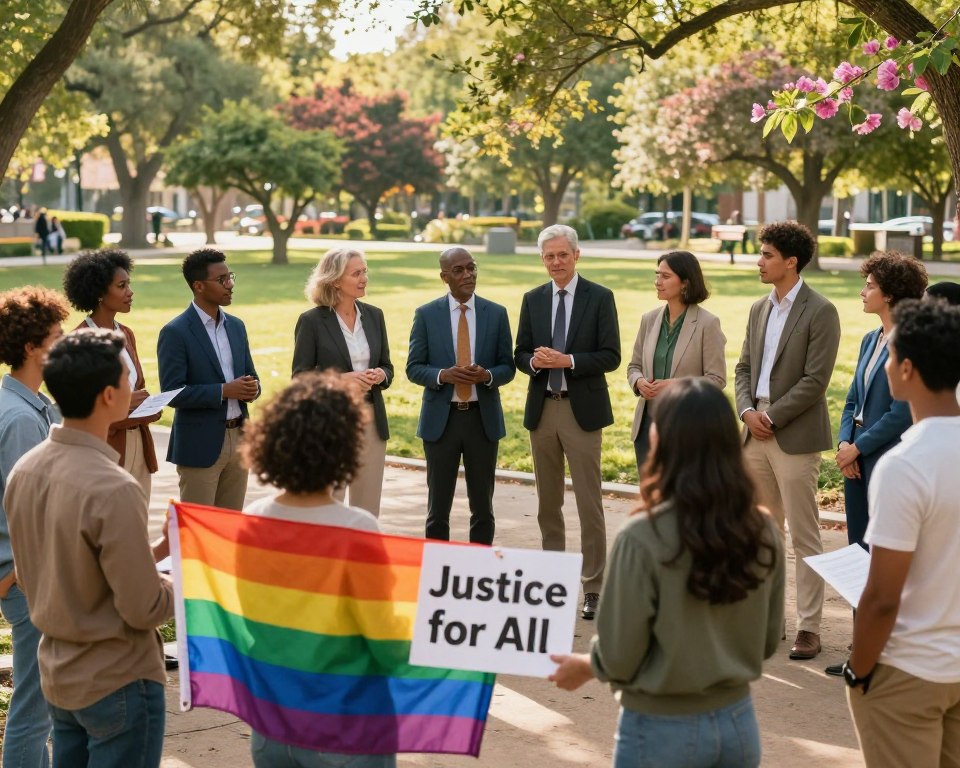
The Presbyterian Church USA has a long history of involvement in social justice, from advocating for policy changes to supporting community programs. This commitment reflects the church’s broader mission to serve others and promote justice.
Advocacy and Policy Engagement
The Presbyterian Church is actively engaged in advocacy efforts, pushing for policies that promote social justice and equality. This includes lobbying for legislation that addresses issues such as poverty, inequality, and environmental degradation. The church’s advocacy work is guided by its commitment to serving the most vulnerable members of society.
Some key areas of focus for the Presbyterian Church’s advocacy efforts include:
- Promoting economic justice through fair trade practices and affordable housing initiatives
- Advocating for the rights of marginalized communities, including racial and ethnic minorities, women, and LGBTQ+ individuals
- Addressing climate change through sustainable practices and environmental stewardship
Community Support Programs
In addition to advocacy, the Presbyterian Church supports various community programs aimed at addressing social issues. These programs range from food banks and homeless shelters to education and job training initiatives.
A snapshot of the Presbyterian Church’s community support programs is provided in the table below:
| Program Type | Description | Impact |
|---|---|---|
| Food Banks | Providing food to those in need | Serving over 10,000 individuals annually |
| Homeless Shelters | Offering shelter and support services | Assisting over 5,000 individuals per year |
| Job Training | Equipping individuals with employable skills | Placing over 2,000 individuals in jobs annually |
Through these initiatives, the Presbyterian Church demonstrates its commitment to social justice, working towards a more equitable and just society.
Challenges Facing the Presbyterian Church
The Presbyterian Church is at a crossroads, facing challenges that require innovative solutions to revitalize its membership and mission. As a significant denomination in the United States, it must address these issues to remain relevant in contemporary society.
Declining Membership
One of the major challenges facing the Presbyterian Church is the decline in membership. According to recent statistics, many mainline denominations, including the Presbyterian Church, have experienced a decrease in their membership numbers over the past few decades.
“The decline in membership is a pressing issue that requires careful consideration and strategic planning,” notes a recent report on the Presbyterian Church’s future.
This decline can be attributed to various factors, including changing social norms, increased secularization, and a decline in traditional religious practices. To combat this, the Presbyterian Church is exploring new ways to engage with the community and attract new members.
Adapting to Contemporary Issues
In addition to declining membership, the Presbyterian Church must also adapt to contemporary social and cultural changes. This includes addressing issues such as LGBTQ+ inclusion, racial justice, and climate change, which are increasingly important to younger generations.
- Embracing diversity and promoting inclusivity within the church community.
- Developing programs and initiatives that address current social issues.
- Utilizing modern technology to enhance worship services and community engagement.
By adapting to these changes, the Presbyterian Church can remain relevant and continue to serve as a spiritual guide for its members.
As the Presbyterian Church navigates these challenges, it is essential for its leadership to engage in open dialogue with its members and the broader community. By doing so, the church can foster a sense of unity and purpose, ultimately strengthening its mission and impact.
“The future of the Presbyterian Church depends on its ability to balance tradition with innovation, ensuring that it remains a vibrant and inclusive community for generations to come.”
Resources for Learning More about Presbyterianism
For those interested in delving deeper into the Presbyterian Church definition and its practices, numerous resources are available. These resources range from in-depth books to online communities that facilitate discussion and connection among individuals with similar interests.
Recommended Books
Several books offer insightful perspectives on Presbyterianism, its history, and theology. “The Presbyterian Church: A History” is a comprehensive resource that explores the denomination’s roots and development. Another valuable read is “Presbyterian Beliefs: A Guide for Today,” which provides an overview of the core beliefs and practices of Presbyterian churches.
Websites and Online Communities
In addition to printed materials, various online resources are available for those seeking presbyterian resources. The official website of the Presbyterian Church (USA) offers a wealth of information on church activities, mission work, and theological discussions. Online forums and social media groups dedicated to Presbyterianism also provide a platform for individuals to share their experiences and seek guidance.
FAQ
What is the Presbyterian Church?
The Presbyterian Church is a Protestant Christian denomination that originated in the 16th-century Reformation, characterized by its presbyterian form of government where churches are governed by elders.
What are the key beliefs of the Presbyterian Church?
Presbyterian theology emphasizes the authority of the Bible, the sovereignty of God in salvation, and the doctrine of predestination, which is understood within the context of God’s gracious election of believers.
How is the Presbyterian Church governed?
The Presbyterian Church is governed by a presbyterian system, where local churches are governed by elders, and higher governing bodies such as presbyteries and general assemblies provide oversight and guidance.
What is the significance of John Calvin and John Knox to Presbyterianism?
John Calvin and John Knox were key figures in the Protestant Reformation, and their theological ideas and leadership significantly influenced the development of Presbyterian theology and practice.
What are the sacraments observed in Presbyterian worship?
Presbyterian churches observe two sacraments: Baptism and the Lord’s Supper, which symbolize God’s grace and the believer’s faith.
How does the Presbyterian Church approach social justice?
The Presbyterian Church is committed to addressing social issues such as poverty, inequality, and environmental degradation through advocacy efforts and community support programs.
What are the main differences between Presbyterian and Baptist churches?
Presbyterian and Baptist churches differ in their governance structures, with Presbyterians having a presbyterian form of government and Baptists typically having a congregational form of government. They also differ in their theological emphases, such as their understanding of baptism.
What is the current state of membership in the Presbyterian Church?
The Presbyterian Church has experienced declining membership in recent decades, although some Presbyterian denominations, such as the Presbyterian Church in America, have seen growth.
How do Presbyterian churches engage in community outreach?
Presbyterian churches engage in a wide range of community outreach activities, including local food banks, global missions, and other service projects aimed at serving others and spreading the Gospel.
What resources are available for learning more about Presbyterianism?
Recommended books, websites, and online communities provide a wealth of information and opportunities for discussion and connection for those interested in learning more about Presbyterianism.