Baptism is a significant sacrament in the Presbyterian tradition, symbolizing a believer’s union with Christ and the community of faith. According to the Presbyterian Church, “Baptism is a sign and seal of our union with Christ and with his church” (Living Faith, 7.6.1). This sacred ritual is a cornerstone of the Christian faith, marking an individual’s initiation into the body of Christ.
The significance of baptism in the Presbyterian Church extends beyond the ceremony itself, representing a lifelong commitment to faith and spiritual growth. This article aims to provide an in-depth understanding of the Presbyterian Church’s perspective on baptism, its practices, and its importance in the life of a believer.
Key Takeaways
- Understanding the significance of baptism in the Presbyterian tradition.
- Exploring the practices and rituals associated with baptism.
- The role of baptism in a believer’s life and spiritual journey.
- The Presbyterian Church’s perspective on baptism.
- The importance of baptism as a sacrament in the Christian faith.
Overview of Presbyterian Church Baptism
Baptism in the Presbyterian Church is a profound ritual that represents the washing away of sin and the gift of the Holy Spirit. As a sacrament, it signifies the start of new life in Christ and is a fundamental aspect of the Presbyterian faith.
The Presbyterian Church views baptism as a sacrament that is rich in symbolism and spiritual significance. According to the Presbyterian Church’s theological documents, “Baptism is a sacrament that signifies the washing away of sin, the start of new life in Christ, and the gift of the Holy Spirit” (Living Faith, 7.6.2). This understanding underscores the importance of baptism in the life of a Christian.
What is Baptism?
Baptism is a sacred act that involves the use of water to symbolize spiritual cleansing and renewal. In the Presbyterian tradition, baptism is typically performed through the sprinkling or pouring of water on the person being baptized, although immersion is also recognized as a valid mode of baptism.
The act of baptism is seen as a moment of initiation into the Christian community, marking the beginning of a person’s journey of faith. It is a moment that is celebrated by the congregation and is considered a significant step in a person’s spiritual life.
Importance of Baptism in the Presbyterian Tradition
In the Presbyterian Church, baptism is considered essential for several reasons. Firstly, it is seen as a means of grace through which God acts to bring about spiritual rebirth. Secondly, it serves as a sign of the covenant between God and the individual, symbolizing God’s love and commitment to the person.
The importance of baptism is further highlighted in the way it is practiced within the Presbyterian community. Baptism is not just a ritual; it is a celebration of faith and a declaration of commitment to living a life guided by Christian principles.
| Aspect of Baptism | Significance in Presbyterian Tradition |
|---|---|
| Symbolism of Water | Represents spiritual cleansing and renewal |
| Mode of Baptism | Sprinkling, pouring, or immersion are recognized |
| Role in Christian Initiation | Marks the beginning of a person’s Christian journey |
Theological Basis for Baptism
Understanding the theological underpinnings of baptism is crucial for appreciating its significance in the Presbyterian Church denomination. Baptism is not merely a ritual but a sacrament that embodies the grace of God.
“God acts through Baptism. It is the sacrament not of what we do but of what God has done for us in Christ,” as stated in Living Faith (7.6.3). This highlights the Presbyterian beliefs on baptism that emphasize God’s action and grace.
Key Scriptures Supporting Baptism
Several key scriptures support the practice of baptism in the Presbyterian tradition. These include:
- Matthew 28:19, where Jesus commands his disciples to baptize in the name of the Father, Son, and Holy Spirit.
- Acts 2:38, which emphasizes baptism for the forgiveness of sins.
- Colossians 2:12, indicating that baptism is a participation in Christ’s death and resurrection.
These scriptures form the biblical foundation for the Presbyterian understanding of baptism, emphasizing its connection to faith and the community of believers.
The Role of Grace in Baptism
In the Presbyterian Church, baptism is understood as a means of God’s grace. It is through baptism that God’s grace is made manifest to the individual being baptized. This grace is not earned but is a gift from God, received through faith.
The role of grace in baptism underscores the Presbyterian belief in the sovereignty of God in salvation. Baptism is seen as a sacrament that signifies and seals God’s covenant with the believer.
By understanding the theological basis for baptism, including its scriptural support and the role of grace, one can appreciate the depth of meaning behind this sacrament in the Presbyterian tradition.
Who Can Be Baptized?
Baptism in the Presbyterian Church is not limited by age, as both infants and adults are considered eligible for this sacred ritual. This inclusive approach reflects the church’s understanding of baptism as a means of grace that is available to all.
Infants vs. Adults
The Presbyterian Church practices infant baptism, believing that it signifies the inclusion of children in the covenant community. This practice is rooted in the understanding that faith is not solely an individual decision but is also a communal aspect of the family’s faith journey.
On the other hand, adult baptism is also recognized and celebrated within the Presbyterian tradition. Adults who have not been previously baptized or those who wish to reaffirm their faith through baptism are welcomed. This reflects the church’s acknowledgment of personal faith decisions and the importance of baptism as a step in one’s spiritual journey.
Believer’s Baptism vs. Pedobaptism
The debate between believer’s baptism and pedobaptism is significant in Christian traditions. Pedobaptism, the practice of baptizing infants, is a hallmark of the Presbyterian Church’s approach to baptism. It is based on the belief that God’s grace is extended to children within the covenant community.
In contrast, believer’s baptism emphasizes the importance of a personal decision of faith before baptism. While this perspective is not the primary practice within the Presbyterian Church, it is recognized as a valid expression of faith.
The Presbyterian Church’s stance on infant baptism is grounded in its understanding of the covenant and the role of grace in the lives of believers and their children. As such, Presbyterian baptism encompasses both the communal and personal aspects of faith.
The Baptism Ceremony
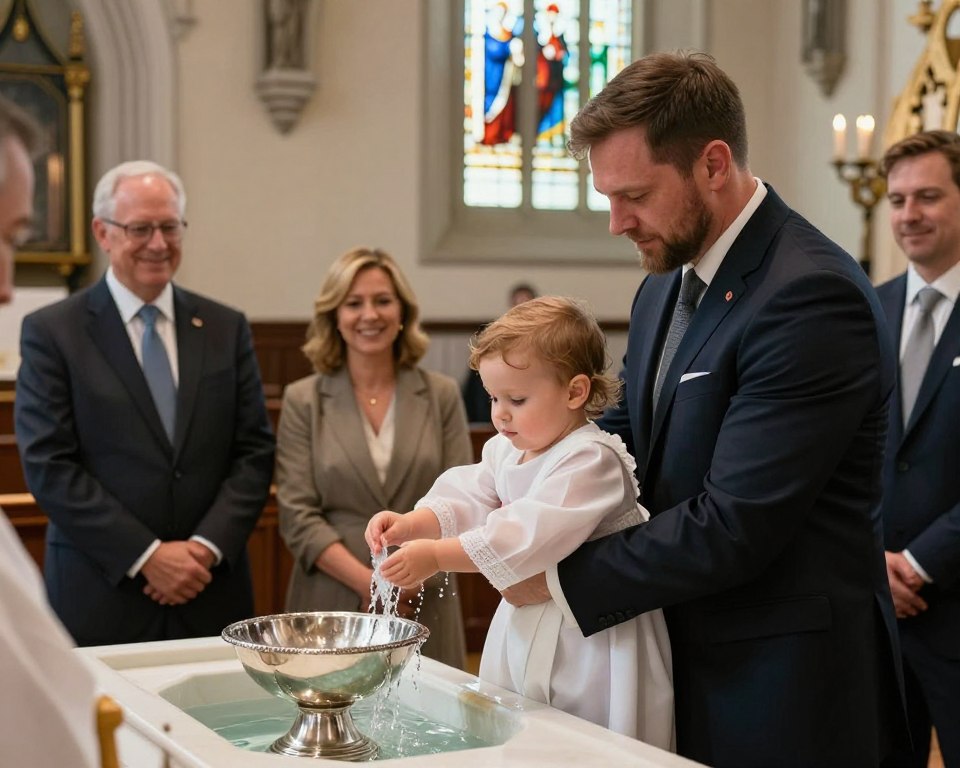
In the Presbyterian Church, baptism is not just a ritual, but a meaningful ceremony that welcomes individuals into the Christian community. This significant event is a cornerstone of the Presbyterian faith, symbolizing spiritual rebirth and a commitment to a life of faith.
Key Elements of the Ceremony
The baptism ceremony in a Presbyterian Church typically involves several key elements. First, the pastor or officiant welcomes the congregation and explains the significance of baptism. The ceremony includes the baptismal vows, where the individual being baptized, or their parents on their behalf, makes promises to renounce sin and follow Christ.
The act of baptism itself involves the use of water, symbolizing purification and renewal. In the Presbyterian tradition, baptism is performed using a sprinkling or pouring method, rather than immersion. The water is a powerful symbol of God’s grace and love.
“Baptisms are not private, but take place in the Christian community… The practice of welcoming the newly baptized into the community visually demonstrates this incorporation.”
Baptism Participation for Families
Families play a vital role in the baptism ceremony, especially when infants are being baptized. Parents are asked to make vows on behalf of their child, promising to raise them in the faith and provide a Christian upbringing. This participation underscores the communal aspect of baptism, highlighting the role of the church community in supporting the spiritual growth of the individual.
| Family Member | Role in Baptism |
|---|---|
| Parents | Make vows on behalf of the child, promising to raise them in the Christian faith. |
| Godparents | Support the parents in their vows and provide additional spiritual guidance. |
| Congregation | Welcomes the individual being baptized into the community, providing a supportive environment for their spiritual journey. |
By participating in the baptism ceremony, families demonstrate their commitment to their faith and to raising their children within the Presbyterian tradition. For those looking for a presbyterian church near me, this ceremony is an excellent opportunity to engage with the local community and explore the church’s activities and services.
The Role of the Pastor
In the Presbyterian Church, the pastor plays a pivotal role in the baptism ceremony. The pastor’s involvement is not limited to the ceremony itself but extends to the preparation and the follow-up, ensuring a comprehensive and meaningful experience for the individual or family being baptized.
Responsibilities During the Ceremony
During the baptism ceremony, the pastor has several key responsibilities. They lead the congregation in prayer and guide the participants through the vows and promises associated with baptism. The pastor also performs the act of baptism, which in the Presbyterian tradition, typically involves the sprinkling or pouring of water on the individual being baptized.
The pastor’s role is not just ceremonial but also deeply spiritual. They are responsible for explaining the significance of baptism and ensuring that the ceremony is conducted with reverence and respect. As noted in a baptism article, “The minister takes the child away from the parents/sponsors and walks through the congregation with the new member of the body,” symbolizing the integration of the baptized into the community of believers.
“The minister’s role is to facilitate the sacrament, to make it visible and tangible to the congregation, and to ensure that it is conducted in a manner consistent with the traditions and beliefs of the Presbyterian Church.”
Preparing for the Baptism
Preparation is a crucial aspect of the pastor’s role. Before the baptism, the pastor typically meets with the parents or the individual to be baptized to discuss the significance of the sacrament, the vows that will be made, and what to expect during the ceremony. This preparation is essential for ensuring that all parties understand the commitment being made.
The pastor also prepares the congregation by explaining the elements of the baptism ceremony and the role of the congregation in welcoming the new member. This may involve a brief explanation during the service or a more detailed discussion in a pre-baptism meeting.
| Pastor’s Responsibilities | Description |
|---|---|
| Leading the Congregation | The pastor guides the congregation through the baptism ceremony, ensuring participation and understanding. |
| Performing the Baptism | The pastor performs the act of baptism, typically by sprinkling or pouring water. |
| Pre-Baptism Counseling | The pastor counsels the individuals or families before baptism, explaining the sacrament’s significance. |
After the Baptism: Next Steps
The baptism ceremony marks a significant milestone, but it’s just the beginning of a lifelong journey of faith. As individuals or families celebrate this important event, they are also called to consider their next steps in deepening their commitment to their faith community.
Importance of Church Membership
Becoming a member of the Presbyterian Church is a significant step after baptism. It involves a public profession of faith and a commitment to participate in the life and mission of the church. Church membership provides a sense of belonging and support, as well as opportunities for service and spiritual growth. For those baptized in infancy, making a personal profession of faith later in life is a crucial step towards becoming a full member of the church.
As stated in the Living Faith document (7.6.4), “Those baptized in infancy are called in later years to make personal profession of Christ.” This personal commitment is a vital aspect of church membership, marking a conscious decision to follow Christ and be part of the church community.

Continuing Faith Education
Continuing faith education is another important next step after baptism. The Presbyterian Church offers various programs and resources to help individuals deepen their understanding of their faith and grow in their relationship with God. Faith education can take many forms, including Sunday school classes, Bible studies, and confirmation classes.
By engaging in ongoing faith education, individuals can develop a more mature faith, equipped to face life’s challenges with the guidance of Christian teachings. This journey of faith is supported by the church community, providing a nurturing environment for spiritual growth.
Baptism vs. Dedication: What’s the Difference?
The Presbyterian Church recognizes two important rituals: baptism and dedication, each serving a unique purpose in the spiritual journey of its members. While both are significant acts of faith, they differ in their theological implications and the commitments they entail.
Understanding Dedication in the Church
Dedication in the Presbyterian Church is an act where parents or guardians commit to raising their child in the faith. It is a public declaration of their intention to nurture their child’s spiritual growth. Unlike baptism, dedication does not confer sacramental grace but is a meaningful way for families to express their devotion to God and the community.
When to Choose Baptism or Dedication
The decision between baptism and dedication often depends on the beliefs and practices of the family and their understanding of Presbyterian beliefs on baptism. For those who believe in baptizing infants as a symbol of God’s covenant, baptism is the appropriate choice. On the other hand, dedication is chosen by those who wish to dedicate their child to God without the sacrament of baptism, often because they believe in believer’s baptism later in life.
Common Questions About Presbyterian Baptism
Understanding the nuances of Presbyterian baptism can be facilitated by addressing the most frequently asked questions about this sacred rite. The Presbyterian Church, known for its rich theological heritage, offers a unique perspective on baptism that is rooted in scripture and tradition.
As individuals and families consider baptism within the Presbyterian Church, they often have questions about the process and its significance. The following sections aim to provide clarity on some of the most common inquiries.
FAQ: Can Baptism Be Repeated?
The question of whether baptism can be repeated is a significant one. In the Presbyterian Church, baptism is considered a sacrament that is not repeated. Once a person is baptized, they are not baptized again, as the sacrament is seen as a once-for-all act of God’s grace.
Baptism is a permanent sacrament that signifies a person’s incorporation into the body of Christ. While certain aspects of church membership or participation in other sacraments like communion may be revisited or renewed, baptism itself is not repeated.
FAQ: What if I Was Baptized Elsewhere?
For individuals who were baptized in another Christian tradition, the Presbyterian Church recognizes their baptism as valid if it was performed with water and in the name of the Father, Son, and Holy Spirit.
If you’re considering joining a Presbyterian church but were baptized elsewhere, you may be wondering about the implications of your previous baptism. Generally, the Presbyterian Church does not rebaptize individuals who have been previously baptized in another Christian tradition. Instead, you may be required to reaffirm your faith or make a public profession of faith as part of your membership process.
| Common Questions | Presbyterian Church Perspective |
|---|---|
| Can Baptism Be Repeated? | No, baptism is considered a once-for-all sacrament. |
| What if I Was Baptized Elsewhere? | Baptism is recognized if performed with water and in the name of the Father, Son, and Holy Spirit. |
For those seeking a Presbyterian church near me, it’s essential to understand these practices and how they relate to your personal faith journey. The Presbyterian Church denomination is known for its commitment to scripture and the sacraments, providing a rich context for baptism and other spiritual practices.
The Symbolism of Water in Baptism
The symbolism of water in baptism is multifaceted, encompassing themes of purification, renewal, and spiritual rebirth. In the context of Presbyterian beliefs on baptism, water is not merely a physical element but a spiritual symbol rich in meaning.
The Meaning of Water in Scripture
Water is a significant symbol throughout scripture, often representing cleansing, renewal, and life. In the Old Testament, water is associated with purification rituals, while in the New Testament, it is linked to baptism and the gift of the Holy Spirit.
The use of water in baptism is directly tied to its symbolic meanings in scripture. As stated in “Living Faith,” “Water signifies the washing away of sin, the start of new life in Christ, and the gift of the Holy Spirit” (7.6.2). This underscores the sacrament’s role in Presbyterian sacraments, highlighting the spiritual transformation that occurs through baptism.
Water as a Symbol of Purity
In the context of baptism, water serves as a powerful symbol of purity. It represents the washing away of sin, allowing the individual to start anew in their faith journey. This symbolic act is central to the Presbyterian understanding of baptism, emphasizing the grace of God and the believer’s commitment to their faith.
- Purification: Water symbolizes the cleansing of sin, aligning with the Presbyterian emphasis on spiritual renewal.
- Renewal: Baptism signifies a new beginning, reflecting the believer’s rebirth in Christ.
- Spiritual Rebirth: The act of baptism is seen as a moment of spiritual rebirth, facilitated by the Holy Spirit.
By understanding the symbolism of water in baptism, individuals can deepen their appreciation for this sacrament within the Presbyterian tradition. It highlights the importance of baptism as a moment of spiritual transformation and commitment.
How to Prepare for Your Baptism
The decision to be baptized is a life-changing moment that requires thoughtful preparation. As you prepare for this significant step in your spiritual journey, it’s essential to understand the elements that make this experience meaningful and impactful.
Spiritual Preparation
Spiritual preparation is a crucial aspect of baptism. It involves reflecting on your faith, understanding the significance of baptism in the Presbyterian tradition, and preparing your heart for this sacrament.
To spiritually prepare, consider the following steps:
- Reflect on your personal faith journey and how it has led you to this moment.
- Study the biblical basis for baptism and its significance in the Presbyterian Church.
- Engage in prayer, asking for guidance and strength as you prepare for baptism.
“For by one Spirit we were all baptized into one body—Jews or Greeks, slaves or free—and all were made to drink of one Spirit.” – 1 Corinthians 12:13
Baptism is not just a personal decision but also a communal celebration. The involvement of family and friends can enrich this experience, providing support and witness to your commitment.
Involvement of Family and Friends
Involving your loved ones in your baptism can make the experience even more special. Here are some ways they can be involved:
| Role | Description |
|---|---|
| Witnesses | Family and friends can serve as witnesses to your baptism, supporting you on this significant day. |
| Participants in the Ceremony | Some may be called upon to participate in the ceremony, such as reading scriptures or presenting a baptismal candle. |
| Celebrants | After the ceremony, family and friends can join in celebrating this milestone with you, perhaps with a reception or a special meal. |
As you prepare for your baptism, remember that it’s a celebration of your faith and commitment to your spiritual journey.
By focusing on spiritual preparation and involving your loved ones, you can make your baptism a meaningful and memorable experience.
Celebrating Your Baptism
Baptism is a significant milestone in one’s spiritual journey, and celebrating it can be a meaningful way to acknowledge the commitment made during the ceremony. For those baptized in a Presbyterian church, the celebration can be a joyous occasion that involves the congregation and family.
Ideas for Celebration
After the baptism ceremony, families can consider hosting a reception or gathering at the church or a nearby venue. This can be an opportunity to share the experience with friends and family who attended the ceremony. Some Presbyterian churches near me have fellowship halls that can be used for such celebrations.
Involving the Congregation
Involving the congregation in the celebration can make the occasion even more special. The pastor and church members can offer words of encouragement and support to the baptized individual. This can be a meaningful way to integrate the newly baptized into the church community.
Celebrating baptism is a way to honor the commitment made during the ceremony and to welcome the individual into the community of faith. By involving the congregation and sharing the joy of the occasion, the celebration can be a powerful expression of the Presbyterian church’s values.
FAQ
What is the significance of baptism in the Presbyterian Church?
Baptism is a sacrament in the Presbyterian Church, symbolizing the believer’s union with Christ and their incorporation into the community of faith.
Can infants be baptized in the Presbyterian Church?
Yes, the Presbyterian Church practices infant baptism, believing that God’s grace is extended to children as well as adults.
What is the difference between baptism and dedication in the Presbyterian Church?
Baptism is a sacrament that signifies a person’s incorporation into the body of Christ, while dedication is a service in which parents commit to raising their child in the faith.
Can someone be baptized again in the Presbyterian Church?
Generally, the Presbyterian Church does not rebaptize individuals who have been baptized in another Christian tradition, recognizing their previous baptism as valid.
What is the role of the pastor in a baptism ceremony?
The pastor is responsible for conducting the baptism ceremony, including the pronouncement of God’s grace and the administration of the sacrament.
How can families participate in the baptism ceremony?
Families can participate in the baptism ceremony by being present, making vows or promises on behalf of their child, and receiving the sacrament.
What happens after baptism in the Presbyterian Church?
After baptism, individuals are encouraged to become active members of the church, participating in worship, education, and service.
What is the symbolism of water in baptism?
Water is a symbol of purity, renewal, and spiritual rebirth in baptism, representing the washing away of sin and the believer’s new life in Christ.
How can one prepare for baptism?
Preparation for baptism involves spiritual reflection, prayer, and often instruction or counseling with a pastor or other church leader.
How can the congregation be involved in celebrating baptism?
The congregation can be involved in celebrating baptism by attending the ceremony, offering congratulations and support to the individual or family, and participating in post-baptismal celebrations.