The Presbyterian denomination has a rich history and theology that guides its practices and core values. At its core, the church’s history begins with a God who takes initiative, makes promises, and is faithful.
This foundation shapes the Presbyterian Church’s beliefs and informs its practices. Understanding these core beliefs is essential to grasping the church’s theology and its role in the lives of its followers.
Key Takeaways
- The Presbyterian Church has a rich history and theology.
- The church’s core beliefs are shaped by its understanding of God.
- The Presbyterian denomination is guided by its core values.
- The church’s practices are informed by its theology.
- Understanding the church’s core beliefs is essential to its followers.
Overview of Presbyterian Church Beliefs
The Presbyterian Church is rooted in a rich history of Reformed theology, emphasizing the sovereignty of God and the authority of Scripture. This foundation shapes the beliefs and practices of Presbyterian communities worldwide.
Key Principles and Doctrines
Presbyterian beliefs are guided by several key principles and doctrines that stem from their Reformed heritage. One of the central doctrines is the sovereignty of God, which underscores God’s supreme authority over all things.
Another crucial aspect is the authority of Scripture, which is considered the primary source of guidance for faith and practice. Presbyterian churches adhere to the principle of sola scriptura, or “Scripture alone,” as a foundation for their beliefs and practices.
“The Bible is our rule of faith and life, and we look to it as the ultimate authority in matters of belief and practice.” – Rev. Lori Patton, “Why Do We Do What We Do? (A Users’ Guide to Presbyterian Worship)”
Importance of Scripture
The importance of Scripture in Presbyterian beliefs cannot be overstated. Scripture is seen as the inspired word of God, providing guidance on matters of faith, morality, and practice. Presbyterian churches place a high value on biblical preaching and teaching, believing that the exposition of Scripture is essential for spiritual growth and understanding.
| Aspect | Description |
|---|---|
| Authority | Scripture is considered the ultimate authority in matters of faith and practice. |
| Guidance | Provides guidance on faith, morality, and practice. |
| Preaching and Teaching | Exposition of Scripture is essential for spiritual growth. |
The Role of Tradition
While Scripture is paramount, tradition also plays a significant role in Presbyterian beliefs and practices. Presbyterian churches draw on the rich heritage of the Christian tradition, incorporating elements such as sacraments, liturgy, and church governance into their worship and life.
The balance between Scripture and tradition is crucial, with Presbyterian churches seeking to remain faithful to biblical teachings while also respecting the historical and cultural context of their faith community.
Theology of God in Presbyterian Beliefs
The theology of God in Presbyterian beliefs is characterized by a deep commitment to understanding God as a Trinity and as sovereign over all creation. This understanding is foundational to Presbyterian theology and influences various aspects of their beliefs and practices.
Understanding the Trinity
The doctrine of the Trinity is central to Presbyterian theology, affirming one God in three persons: God the Father, Jesus Christ the Son, and the Holy Spirit. This complex doctrine is crucial for understanding the Presbyterian view of God’s nature and His interaction with humanity.
Key aspects of the Trinity in Presbyterian beliefs include:
- The Father as Creator, emphasizing God’s role as the originator of the universe.
- Jesus Christ as Redeemer, highlighting His role in salvation through His life, death, and resurrection.
- The Holy Spirit as Sustainer, underscoring the Spirit’s work in maintaining and guiding the community of believers.
Sovereignty of God
The sovereignty of God is another key tenet of Presbyterian theology, emphasizing God’s control over all creation. This belief is rooted in the understanding that God is not just a distant creator but an actively involved ruler of the universe.
The implications of God’s sovereignty in Presbyterian beliefs are multifaceted:
- It underscores God’s providence, reassuring believers of God’s care and guidance.
- It emphasizes the importance of living a life that honors God, as all things are under God’s sovereign control.
- It provides a foundation for trust and confidence in God’s plans, even in the face of uncertainty or adversity.
According to “Equipping Elders,” the Presbyterian Church in Canada affirms the Triune God as Creator, Jesus as Redeemer, and the Holy Spirit as Sustainer, reflecting the broader Presbyterian commitment to Trinitarian theology and the sovereignty of God.
In conclusion, the Presbyterian understanding of God is deeply rooted in the doctrines of the Trinity and sovereignty. These theological concepts not only shape Presbyterian beliefs but also influence their practices and worldview, providing a rich and nuanced understanding of God’s nature and His relationship with humanity.
Christology: Who is Jesus Christ?
Understanding Jesus Christ is fundamental to Presbyterian beliefs, where He is revered as the Son of God and the savior of humanity. The Presbyterian Church’s doctrine is deeply rooted in the significance of Christ’s nature and His role in the salvation of mankind.
The Nature of Christ
In Presbyterian theology, Jesus Christ is considered both fully human and fully divine. This dual nature is crucial for understanding His role as mediator between God and humanity. The Presbyterian church doctrine emphasizes that Christ’s divinity is essential for the validity of His sacrifice and the efficacy of His salvation.
The Presbyterian understanding of Christ’s nature is based on biblical teachings and historical Christian doctrine. It affirms that Jesus Christ is the second person of the Trinity, co-eternal and co-equal with God the Father.
Resurrection and Salvation
The resurrection of Jesus Christ is a cornerstone of Presbyterian church beliefs. It signifies Christ’s victory over sin and death, providing salvation for believers. The Presbyterian Church teaches that through Christ’s resurrection, believers are justified and have the promise of eternal life.
Salvation, in Presbyterian theology, is understood as a gift from God, received through faith in Jesus Christ. It involves the forgiveness of sins and the restoration of a right relationship with God. The core beliefs of the Presbyterian Church highlight the importance of Christ’s sacrifice and resurrection in achieving salvation.
The significance of Christ’s resurrection is celebrated during Easter, a key holiday in the Presbyterian calendar. It is a time of reflection on the meaning of Christ’s sacrifice and the hope of eternal life through Him.
The Holy Spirit and Its Role
The empowering presence of God, the Holy Spirit, is central to Presbyterian worship and daily Christian living. In Presbyterian beliefs, the Holy Spirit is not just a theological concept but a living, active presence that guides and empowers believers.
According to Presbyterian theology, the Holy Spirit plays a crucial role in equipping believers with spiritual gifts. These gifts are diverse and are meant to be used for the edification of the church and the fulfillment of God’s mission.
Gifts of the Holy Spirit
The gifts of the Holy Spirit are varied and are distributed among believers for the common good. Some of these gifts include teaching, leadership, mercy, and evangelism. The distribution of these gifts is seen as a manifestation of the Holy Spirit’s work in the church.
| Spiritual Gift | Description | Role in the Church |
|---|---|---|
| Teaching | The ability to instruct and guide others in the faith | Essential for the growth and maturity of church members |
| Leadership | The capacity to guide and direct the community of believers | Crucial for the organization and direction of church activities |
| Mercy | The ability to show compassion and care for others | Vital for pastoral care and community service |
Empowerment and Guidance
Beyond the gifts, the Holy Spirit is also seen as the source of empowerment and guidance for believers. This empowerment enables Christians to live out their faith in daily life, facing challenges and making decisions that align with their beliefs.
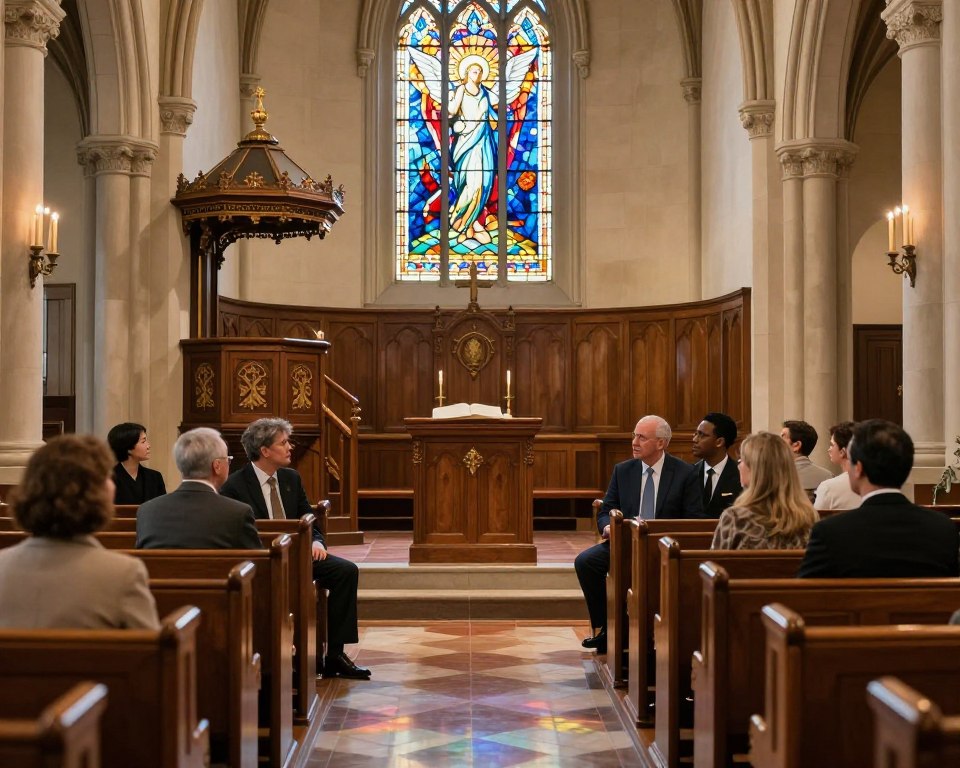
The guidance of the Holy Spirit is understood to be a continuous process, helping believers to discern God’s will and to live in accordance with it. This guidance is sought through prayer, scripture, and community, reflecting the Presbyterian emphasis on the Holy Spirit’s role in personal and communal faith life.
In summary, the Holy Spirit is integral to Presbyterian beliefs and practices, providing both the gifts necessary for the church’s mission and the empowerment and guidance needed for daily Christian living.
The Authority of Scripture
The authority of Scripture is a foundational doctrine in Presbyterian theology, underpinning the church’s understanding of God and salvation. Presbyterians affirm that the Bible is the written word of God, inspired and guided by God, making it the final authority in matters of faith and practice.
The Presbyterian Church’s commitment to the authority of Scripture is rooted in its belief in the doctrine of infallibility. This doctrine asserts that the Bible is without error in its original manuscripts, providing a reliable foundation for Christian faith and life.
Infallibility and Its Implications
The doctrine of infallibility is crucial because it establishes the trustworthiness of Scripture. Presbyterians believe that since the Bible is the inspired word of God, it is entirely trustworthy and authoritative. This belief has significant implications for how Presbyterians interpret and apply the Bible in their lives.
Reliance on Historical-Critical Methods: Presbyterians use historical-critical methods to understand the Bible. This approach involves examining the historical context in which the biblical texts were written, the literary genre of the texts, and the original languages used.
Interpretation of the Bible
The interpretation of the Bible in the Presbyterian Church is guided by a commitment to understanding the original context of the scriptures. This involves not only historical and literary analysis but also a consideration of the role of the Holy Spirit in illuminating the meaning of the text.
Presbyterians also recognize the importance of community in interpreting Scripture. The Church is seen as a community of believers who together seek to understand and apply the teachings of the Bible.
| Key Principles | Description |
|---|---|
| Infallibility | The Bible is without error in its original manuscripts. |
| Historical-Critical Methods | Understanding the Bible through historical context and literary analysis. |
| Role of the Holy Spirit | The Holy Spirit illuminates the meaning of Scripture. |
| Community Interpretation | The Church interprets Scripture together as a community of believers. |
By embracing these principles, Presbyterians seek to live out their faith in accordance with the teachings of the Bible, guided by the authority of Scripture in all matters of faith and life.
The Sacraments in Presbyterian Practice
The Presbyterian Church places significant emphasis on sacraments, which are sacred rituals that symbolize spiritual truths. These rituals are considered essential elements of Christian worship and are believed to be instituted by Christ. In Presbyterian practice, two sacraments are recognized: baptism and the Lord’s Supper.
Baptism: Significance and Practice
Baptism is seen as a sign of initiation into the Christian community. It symbolizes the washing away of sins and the believer’s union with Christ. In Presbyterian churches, baptism is typically performed using water, either through sprinkling or immersion, signifying spiritual cleansing.
The practice of baptism is rooted in the biblical command to baptize believers. Presbyterians believe that baptism is not just a symbolic act but a means of grace, through which God works in the life of the believer. It is a sacrament that is open to both infants and adults, depending on their faith status.
The Lord’s Supper: Meanings and Understanding
The Lord’s Supper, also known as communion, is a celebration of Christ’s presence and sacrifice. It involves the sharing of bread and wine (or grape juice), which symbolize Christ’s body and blood. Presbyterians believe that Christ is spiritually present in the elements, though the exact nature of this presence is understood differently across various Presbyterian denominations.
The Lord’s Supper is observed regularly in Presbyterian worship, serving as a reminder of Christ’s sacrifice and the believer’s salvation. It is a time for reflection, gratitude, and renewal of faith. Through this sacrament, Presbyterians affirm their faith and unity with Christ and with each other.
In summary, the sacraments of baptism and the Lord’s Supper are central to Presbyterian beliefs and practices. They are considered vital elements of Christian worship, symbolizing spiritual truths and facilitating a deeper connection with God.
Church Governance and Structure
At the heart of Presbyterian church governance is the presbyterian polity, a system that relies heavily on the roles of elders and deacons. This governance structure is designed to ensure that the church operates in an orderly and spiritual manner, guided by the principles of Scripture.
Presbyterian Polity Explained
Presbyterian polity is characterized by a system of governance where local churches are governed by a session composed of elders. This session is responsible for the spiritual guidance and oversight of the congregation. According to “Equipping Elders,” a resource on Presbyterian church governance, the session oversees church affairs, making decisions that align with the church’s mission and values.
The governance structure extends beyond the local church to regional bodies known as presbyteries, which coordinate broader issues affecting multiple congregations. This hierarchical structure ensures unity and consistency in doctrine and practice across the denomination.
“The Presbyterian Church is governed by councils, starting with the session of the local church, and continuing through the presbytery, synod, and General Assembly.”
The Role of Elders and Deacons
Elders and deacons play crucial roles in the governance and service of the Presbyterian Church. Elders are responsible for the spiritual leadership of the church, while deacons focus on service and care for the congregation and community.
| Role | Responsibilities |
|---|---|
| Elders | Spiritual leadership, governance, teaching |
| Deacons | Service, care for the congregation and community |
The distinction between these roles is not merely functional but also reflects different aspects of Christ’s ministry. Elders are seen as continuing Christ’s teaching and governing ministry, while deacons embody His servant-hearted nature.
In summary, the governance and structure of Presbyterian churches are designed to facilitate spiritual growth, unity, and effective ministry. Through the presbyterian polity and the roles of elders and deacons, these churches strive to live out their beliefs in a structured yet vibrant community.
Personal Faith and Community Life
At the heart of Presbyterian beliefs is a deep connection between personal spirituality and communal practice. This connection is nurtured through various aspects of church life, including fellowship, community service, and outreach programs.
Fellowship in Presbyterian Communities
Fellowship is a vital component of Presbyterian community life. It involves coming together as a community to support one another in faith and action. As noted in “Equipping Elders,” community life is a cornerstone of Presbyterian practice, where believers are encouraged to engage in meaningful relationships and collective worship.
The importance of fellowship lies in its ability to foster a sense of belonging and unity among church members. It provides a platform for sharing experiences, joys, and challenges, thereby strengthening the bonds within the community.
“Let us consider how we may spur one another on towards love and good deeds, not giving up meeting together, as some are in the habit of doing, but encouraging one another.”
Community Service and Outreach
Community service and outreach are integral to Presbyterian beliefs and practices. The church emphasizes the need for its members to be actively involved in serving others and spreading the message of God’s love.
Community service encompasses a wide range of activities, from local charity work to global missions. These efforts are driven by the Presbyterian commitment to social justice and compassion.

The Presbyterian Church’s commitment to community service is reflected in its various outreach programs. These programs aim to address social issues, provide support to those in need, and promote the values of kindness and generosity.
- Local food banks and shelters
- Global mission trips
- Youth programs and education
By engaging in community service and outreach, Presbyterians live out their faith in practical ways, demonstrating the love of Christ to the world.
Conclusion: Embracing Presbyterian Beliefs
The Presbyterian Church is built on a foundation of core values that guide its theology and practices. Understanding these beliefs can deepen one’s faith and appreciation for the denomination’s rich heritage.
Core Values of the Presbyterian Church
The Presbyterian Church is characterized by its commitment to the sovereignty of God, the authority of Scripture, and the importance of community. These values shape the Presbyterian Church’s theology and inform its practices, including its sacraments and governance structure.
At its core, Presbyterian denomination beliefs emphasize the significance of personal faith, community life, and service. Exploring Presbyterian church theology can provide insights into the denomination’s history, practices, and values.
Exploring Presbyterian Beliefs Further
For those interested in learning more about Presbyterian church beliefs, there are numerous resources available. Delving deeper into the Presbyterian Church’s theology and practices can foster a greater understanding of its core values and traditions.
FAQ
What are the core beliefs of the Presbyterian Church?
The Presbyterian Church is rooted in Reformed theology and emphasizes the sovereignty of God, the authority of Scripture, and the importance of personal faith and community life. Presbyterian beliefs are shaped by the doctrine of the Trinity, the significance of Jesus Christ’s resurrection, and the role of the Holy Spirit in empowering believers.
What is the Presbyterian understanding of the Trinity?
Presbyterians believe in the doctrine of the Trinity, which affirms that there is one God in three persons: Father, Son, and Holy Spirit. This understanding is central to Presbyterian theology and shapes their worship, practices, and understanding of God’s relationship with humanity.
How do Presbyterians interpret the Bible?
Presbyterians believe in the doctrine of infallibility, which holds that the Bible is without error in its original manuscripts. They interpret Scripture by considering its historical context, literary genre, and the guidance of the Holy Spirit. This approach helps Presbyterians understand the Bible’s teachings and apply them to their lives.
What is the significance of baptism and the Lord’s Supper in Presbyterian practice?
Baptism and the Lord’s Supper are two sacraments recognized by the Presbyterian Church. Baptism is seen as a symbol of initiation into the Christian community, while the Lord’s Supper is a celebration of Christ’s presence and sacrifice. Both sacraments are understood as means of grace, through which God nourishes and sustains believers.
How is the Presbyterian Church governed?
The Presbyterian Church is governed through a presbyterian polity, which involves the participation of elders and deacons in decision-making processes. This governance structure is designed to ensure that authority is distributed among various levels of the church, from local congregations to regional and national assemblies.
What is the role of the Holy Spirit in Presbyterian beliefs?
The Holy Spirit is understood as the third person of the Trinity, who empowers and guides believers. Presbyterians believe that the Holy Spirit gifts believers with various abilities and graces, enabling them to live out their faith and serve others.
How do Presbyterians understand the concept of salvation?
Presbyterians believe that salvation is a gift from God, received through faith in Jesus Christ. They understand salvation as a process that involves the work of the Holy Spirit, who regenerates and sanctifies believers, enabling them to live a life of obedience to God.
What is the importance of community life in Presbyterian beliefs?
Community life is highly valued in Presbyterian beliefs, as it is seen as a means of nurturing faith, promoting fellowship, and serving others. Presbyterians believe that believers are called to live in community, supporting and caring for one another, and engaging in outreach and service to the wider world.
How do Presbyterians understand the doctrine of the sovereignty of God?
Presbyterians believe that God is sovereign over all things, and that God’s providence extends to every aspect of creation. This understanding shapes their trust in God, their understanding of prayer, and their approach to living out their faith in the world.