The Presbyterian denomination has a rich history dating back to the 1700s, influenced significantly by Calvinism. Over time, it has branched out into various Presbyterian Church Branches, each with its unique practices and theological perspectives.
The Presbyterian Church hierarchy is rooted in its governance structure, which is characterized by the presence of elders and a synodical government. Understanding the different branches and their governance is crucial for grasping the broader Presbyterian church landscape.
Key Takeaways
- The Presbyterian Church has its roots in Calvinism and dates back to the 1700s.
- Various branches have emerged over time, each with distinct practices.
- The governance structure is a key aspect of the Presbyterian denomination.
- Understanding the different branches is essential for a comprehensive view.
- The Presbyterian Church hierarchy plays a significant role in its operations.
Introduction to Presbyterianism
Understanding Presbyterianism requires a look into its historical development and core theological beliefs. Presbyterianism, a significant Protestant denomination, has its roots in the Reformation and is heavily influenced by Calvinism.
Brief History of Presbyterianism
The Presbyterian Church has a complex history marked by numerous splits and mergers. Originating from the Reformation in Europe, it was significantly influenced by John Calvin’s teachings. The denomination spread to various parts of the world, including the United States, where it evolved into different branches.
Key historical events, such as the Scottish Reformation and the English Civil War, played crucial roles in shaping Presbyterianism. These events not only influenced its theology but also its governance structure.
Core Beliefs and Values
At its core, Presbyterianism emphasizes predestination and the sovereignty of God. The denomination is known for its Reformed theology, which underscores the authority of the Bible and the importance of faith in Jesus Christ.
Presbyterian churches are governed by a presbyterian polity, which involves governance by elders. This structure is a key aspect of Presbyterianism, distinguishing it from other Protestant denominations. The core values include a commitment to social justice and community service, reflecting the denomination’s emphasis on living out faith in practical ways.
Major Presbyterian Denominations in the U.S.
The major Presbyterian denominations in the U.S. include the Presbyterian Church (USA), Presbyterian Church in America, and Evangelical Presbyterian Church, each with its own distinct characteristics and theological perspectives.
The Presbyterian Church (USA), or PCUSA, is the largest Presbyterian denomination, known for its relatively liberal stance on certain social and theological issues. It has a significant presence across the United States and is involved in various social justice and community outreach programs.
Presbyterian Church (USA)
The PCUSA has its roots in the Reformation and the Presbyterian tradition. It is characterized by its representative form of government, where elders are elected to govern the church at local, regional, and national levels. The PCUSA is also known for its commitment to social justice and ecumenical dialogue.
Presbyterian Church in America (PCA)
The Presbyterian Church in America is a more conservative denomination, known for its orthodox theology and commitment to traditional Presbyterian practices. The PCA was formed in 1973 by churches that broke away from the PCUS (Presbyterian Church in the United States) due to theological differences.
The PCA is characterized by its strong emphasis on doctrinal purity and its adherence to the Westminster Confession of Faith. It is also known for its missionary work and church planting efforts.
Evangelical Presbyterian Church (EPC)
The Evangelical Presbyterian Church is another significant Presbyterian denomination in the U.S., known for its evangelical theology and moderate stance on certain issues compared to the PCA. The EPC was formed in 1981 by churches that left the PCUS.
The EPC emphasizes evangelism and church planting, with a strong commitment to missions and community outreach. It also maintains a representative form of government similar to the PCUSA.
In summary, while the PCUSA, PCA, and EPC share a common Presbyterian heritage, they differ significantly in their theological stances, governance, and practices. Understanding these differences is crucial for appreciating the diversity within Presbyterianism in America.
Features of Each Branch
The different branches of the Presbyterian Church offer a fascinating study in the diversity of worship practices and ecclesiastical governance. While sharing a common Reformed heritage, the various Presbyterian denominations have developed distinct approaches to worship and church leadership.
Worship Styles
Presbyterian worship is characterized by its structured service, often featuring hymns, sermons, and sacraments. The Presbyterian Church (USA) tends to have a more contemporary approach to worship, incorporating a wide range of musical styles and sometimes more informal elements. In contrast, the Presbyterian Church in America (PCA) generally maintains a more traditional worship style, emphasizing the liturgy and the preaching of the Word.
The Evangelical Presbyterian Church (EPC) also values a structured worship service but allows for some flexibility in the order of service and the inclusion of contemporary music. This blend of traditional and contemporary elements reflects the diverse preferences within the EPC.
Governance Structures
Presbyterian governance is typically hierarchical, with a system of elders and presbyteries that oversees the local churches. The Presbyterian Church (USA) has a complex governance structure that includes local sessions, presbyteries, synods, and the General Assembly. This structure allows for a significant degree of autonomy at the local level while maintaining a connectional system that enables cooperation and coordination across the denomination.
The PCA and EPC also operate with a presbyterian form of government, emphasizing the role of elders in church leadership and decision-making. However, there are differences in how the various denominations interpret and implement their governance structures, reflecting their theological emphases and ecclesiastical priorities.
Comparison of Theology and Practices
A closer examination of Presbyterian denominations reveals significant differences in theology and practice, shaped by their unique histories and interpretations of scripture. These differences are particularly evident in their doctrinal stances, worship styles, and community engagement.
Doctrinal Differences
The Presbyterian Church (USA) (PCUSA), Presbyterian Church in America (PCA), and Evangelical Presbyterian Church (EPC) exhibit distinct doctrinal orientations. The PCUSA is known for its relatively liberal stance on certain issues, such as women’s ordination and LGBTQ+ inclusion, whereas the PCA and EPC tend to be more conservative.
The PCA, for instance, has been vocal about its adherence to traditional Reformed theology, which influences its views on various theological and social issues. In contrast, the PCUSA has taken a more progressive stance on several contemporary issues, reflecting its diverse constituency.
| Denomination | View on Women’s Ordination | Stance on LGBTQ+ Issues |
|---|---|---|
| PCUSA | Supports women’s ordination | Generally inclusive |
| PCA | Restrictive views on women’s roles in church leadership | Traditional views on sexuality |
| EPC | Varied views, but generally more conservative than PCUSA | More conservative, with ongoing debate |
Worship and Community Life
The theological differences among Presbyterian denominations are also reflected in their worship styles and community life. The PCUSA tends to have a more contemporary and diverse approach to worship, incorporating a wide range of musical styles and liturgical practices. In contrast, the PCA and EPC often adhere to more traditional Reformed worship practices, emphasizing the preaching of the Word and the sacraments.
Community life within these denominations is also influenced by their theological orientations. For example, churches within the PCA and EPC often place a strong emphasis on missions, evangelism, and community outreach, guided by their conservative theological perspectives. The PCUSA, while also engaged in community service and missions, tends to focus on a broader range of social justice issues, reflecting its more diverse and inclusive theological stance.
In conclusion, the differences in theology and practice among Presbyterian denominations are significant, reflecting their unique interpretations of Christian doctrine and practice. Understanding these differences is crucial for appreciating the diversity within Presbyterianism and the various ways in which these denominations contribute to the broader Christian community.
Regional Variations in Episcopal Governance
Presbyterian denominations across the United States display a range of governance structures, reflecting their unique regional contexts. This diversity is a result of historical, cultural, and theological factors that have shaped the Presbyterian Church’s governance over time.
The governance structure of Presbyterian churches is characterized by a blend of local autonomy and regional oversight. This balance is achieved through a system of presbyterian governance, where local churches are guided by regional bodies.
Spiritual Leadership Differences
One of the key aspects of episcopal governance in Presbyterian churches is the role of spiritual leadership. Different denominations and regions have varying approaches to spiritual leadership, influencing the overall governance of the church.
For instance, some Presbyterian denominations place a strong emphasis on the role of elders in spiritual leadership, while others may have a more hierarchical structure with greater authority vested in regional or national church bodies.
Local Church Authority
The distribution of authority between local churches and regional or national bodies is another critical aspect of Presbyterian governance. Some denominations grant significant autonomy to local churches, allowing them to make decisions on doctrine, practice, and governance.
In contrast, other denominations may have a more centralized governance structure, where regional or national bodies play a more significant role in guiding local churches.
| Denomination | Governance Structure | Spiritual Leadership |
|---|---|---|
| Presbyterian Church (USA) | Balanced between local and regional bodies | Emphasis on elders |
| Presbyterian Church in America (PCA) | More centralized with regional oversight | Hierarchical with elder-led |
| Evangelical Presbyterian Church (EPC) | Mix of local autonomy and regional guidance | Elder-led with some hierarchical elements |
The variations in governance and spiritual leadership reflect the diverse theological and cultural contexts within which Presbyterian denominations operate. Understanding these differences is crucial for appreciating the complexity of Presbyterianism in the United States.
Social Issues and the Presbyterian Church
As a prominent religious institution, the Presbyterian Church has taken stands on numerous contemporary social issues, reflecting its diverse theological perspectives. The church’s stance on these issues is shaped by its core beliefs and values, leading to a variety of approaches across different denominations.
Stances on Contemporary Issues
The Presbyterian Church’s denominations have varying views on contemporary social issues. For instance, the Presbyterian Church (USA) has been known for its more liberal stance on issues such as abortion and LGBTQ+ rights. In contrast, the Presbyterian Church in America (PCA) tends to hold more conservative views on these matters.
These differing stances are a reflection of the broader theological diversity within the Presbyterian Church. While some denominations may adopt more progressive positions, others maintain traditional viewpoints, illustrating the complexity of the church’s engagement with social issues.
Community Outreach Programs
Many Presbyterian churches are actively engaged in community outreach programs. These initiatives range from food banks and homeless shelters to education and healthcare programs. For example, some Presbyterian churches have established community centers that offer a variety of services, including after-school programs for children and job training for adults.
The Presbyterian Church’s commitment to social justice is evident in its community outreach efforts. By addressing the needs of the local community, these churches demonstrate their commitment to putting faith into action. The impact of these programs can be significant, providing essential services to those in need and fostering a sense of community.

Interdenominational Relations
Through its commitment to interdenominational dialogue, the Presbyterian Church seeks to strengthen bonds with other Christian faiths. This effort is reflected in various ecumenical initiatives and collaborations that aim to promote unity and cooperation among different Christian denominations.
Ecumenical Efforts
The Presbyterian Church has been involved in several ecumenical efforts, working closely with other Christian denominations to address common social issues and promote mutual understanding. These efforts include participating in ecumenical councils and organizations that bring together representatives from various Christian traditions.
Collaborations with Other Faiths
Beyond its ecumenical efforts within Christianity, the Presbyterian Church also engages in interfaith dialogue and collaboration. This involves working with other faith communities to promote understanding, respect, and cooperation on issues of common concern.
Examples of the Presbyterian Church’s ecumenical efforts include participation in the National Council of Churches (NCC) and collaboration with the World Council of Churches (WCC). Additionally, Presbyterian churches engage in local ecumenical dialogues and joint community projects, fostering a spirit of cooperation and mutual respect.
| Organization | Focus Area | Presbyterian Church Involvement |
|---|---|---|
| National Council of Churches | Social Justice, Ecumenical Dialogue | Active participation in councils and committees |
| World Council of Churches | Global Ecumenical Cooperation, Human Rights | Member churches participate in assemblies and working groups |
| Local Ecumenical Dialogues | Community Service, Interfaith Understanding | Presbyterian churches engage in local dialogues and joint projects |
The Presbyterian Church’s engagement in interdenominational relations reflects its commitment to promoting unity and cooperation among Christian denominations and beyond. Through ecumenical efforts and collaborations with other faiths, the church seeks to address common challenges and foster a spirit of mutual understanding and respect.
Future Trends in Presbyterianism
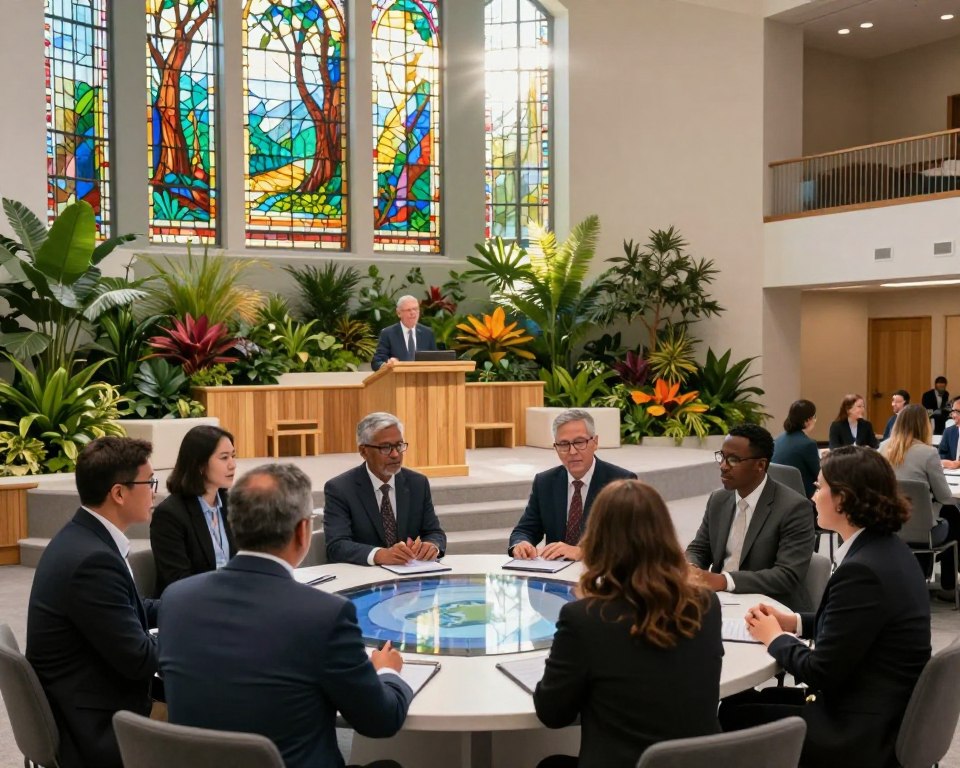
The Presbyterian Church is on the cusp of significant changes, driven by shifting membership demographics and evolving cultural landscapes. As the denomination moves forward, understanding these trends is crucial for its future vitality.
Membership Changes
The Presbyterian Church is experiencing notable shifts in its membership demographics. Declining membership in some traditional denominations contrasts with growth in others, often driven by younger, more diverse congregations. This trend suggests a need for Presbyterian churches to adapt their outreach and worship styles to appeal to a broader audience.
Another significant factor is the changing age demographics within the church. As the population ages, Presbyterian churches are facing challenges related to succession planning and ensuring that their leadership reflects the needs and perspectives of both older and younger members.
Cultural Influences
Cultural influences are also playing a significant role in shaping the future of Presbyterianism. The denomination is grappling with how to address contemporary social issues, such as racial justice, environmental stewardship, and LGBTQ+ inclusion, in a way that remains faithful to its theological roots while being relevant to the modern world.
The impact of technology on worship and community life is another cultural factor. Presbyterian churches are leveraging digital platforms to expand their reach and enhance their worship services, making them more accessible to a wider audience.
As Presbyterianism continues to evolve, its ability to navigate these trends will be crucial. By embracing change while remaining true to its core beliefs, the denomination can ensure a vibrant future.
Conclusion: The Lifeblood of Presbyterian Churches in America
The Presbyterian Church in America is a diverse and complex entity, encompassing a wide range of theological perspectives, governance structures, and community practices. Throughout this comprehensive guide, we have explored the history, core beliefs, and various denominations that make up the Presbyterian tradition.
The diversity within Presbyterianism contributes to its richness, with different branches offering unique worship styles, spiritual leadership, and community outreach programs. From the Presbyterian Church (USA) to the Presbyterian Church in America (PCA) and the Evangelical Presbyterian Church (EPC), each denomination brings its own distinct character to the broader Presbyterian family.
As Presbyterian churches in America continue to evolve, they face both opportunities and challenges. By understanding the complexities of Presbyterianism, we can better appreciate the lifeblood that sustains these churches, including their theology, practices, and community life. This conclusion marks not the end, but a deeper dive into the ongoing story of Presbyterian churches in America, as they navigate the intricacies of faith, culture, and community.
FAQ
What are the main Presbyterian denominations in the United States?
The main Presbyterian denominations in the United States are the Presbyterian Church (USA) (PCUSA), the Presbyterian Church in America (PCA), and the Evangelical Presbyterian Church (EPC).
What is the Presbyterian Church hierarchy?
The Presbyterian Church hierarchy is a governing structure that includes local churches, presbyteries, synods, and the General Assembly, with elders and ministers playing key roles in decision-making.
How do Presbyterian churches govern themselves?
Presbyterian churches govern themselves through a presbyterian government, where local churches are overseen by elders and ministers, and higher governing bodies such as presbyteries and synods provide guidance and oversight.
What is the difference between the PCUSA, PCA, and EPC?
The PCUSA, PCA, and EPC differ in their theological stances, with the PCUSA being more liberal, the PCA being more conservative, and the EPC holding a moderate to conservative position, particularly on issues like scripture and salvation.
What are the core beliefs of Presbyterian churches?
Presbyterian churches believe in the authority of scripture, the Trinity, and salvation through faith in Jesus Christ, with a focus on the sovereignty of God and the importance of community and service.
How do Presbyterian churches approach social issues like abortion and homosexuality?
Presbyterian churches vary in their approaches to social issues, with some denominations taking more conservative stances and others being more progressive, reflecting the diversity within Presbyterianism.
What is the role of elders in Presbyterian churches?
Elders in Presbyterian churches play a crucial role in governance, spiritual leadership, and decision-making, with responsibilities that include guiding the local church and participating in higher governing bodies.
How do Presbyterian churches engage in ecumenical efforts?
Presbyterian churches engage in ecumenical efforts through collaborations with other Christian denominations and faiths, promoting unity and understanding through dialogue, joint service projects, and worship initiatives.
What are the future trends in Presbyterianism?
Future trends in Presbyterianism include changes in membership demographics, cultural influences on worship and practices, and the ongoing debate over theological and social issues, which will shape the direction of the denominations.
How do Presbyterian church branches near me differ from one another?
Presbyterian church branches near you may differ in their worship styles, theological stances, and community outreach programs, reflecting the diversity within Presbyterianism and the unique characteristics of each local church.
What is the Presbyterian church organizational structure?
The Presbyterian church organizational structure includes local churches, presbyteries, synods, and the General Assembly, with a focus on connectionalism and the distribution of authority among these governing bodies.
How can I find a Presbyterian church directory?
You can find a Presbyterian church directory by searching online or contacting the governing bodies of the Presbyterian denominations, such as the PCUSA, PCA, or EPC, which often provide resources for finding local churches.