The Presbyterian Church in America (PCA) is a significant Christian denomination with a rich history and a strong presence across the United States and Canada.
Founded in 1973, the PCA emerged from a separation from the Presbyterian Church in the United States due to theological and doctrinal differences. It is known for its adherence to the Reformed tradition and its commitment to evangelism and mission work.
The PCA plays a vital role in connecting believers and serving communities through its various initiatives and programs.
Key Takeaways
- The PCA is a Presbyterian denomination in the Reformed tradition.
- It was founded in 1973 due to theological differences.
- The PCA is committed to evangelism and mission work.
- It has a strong presence in the United States and Canada.
- The PCA focuses on connecting believers and serving communities.
Overview of the Presbyterian Church in America
With roots tracing back to 1973, the PCA has grown into a prominent Reformed denomination. The Presbyterian Church in America (PCA) was formed by conservative churches that broke away from the Presbyterian Church in the United States (PCUS), driven by theological differences.
History and Formation
The PCA’s history is marked by its conservative theological stance, which led to its separation from the PCUS. This separation was a result of growing theological debates within the PCUS, culminating in the formation of a new, more conservative denomination. The PCA’s formation in 1973 was a significant event, reflecting a broader trend of theological conservatism within American Presbyterianism.
Core Beliefs and Values
The PCA subscribes to the Westminster Confession of Faith and Catechisms as its doctrinal standards, emphasizing the authority of Scripture and confessional Reformed theology. This theological foundation shapes the PCA’s approach to worship, community engagement, and its overall mission. The denomination’s core beliefs are centered on the sovereignty of God, the authority of the Bible, and the importance of living out one’s faith in community.
The PCA’s adherence to Reformed theology influences its practices and decisions, from worship services to community outreach programs. By grounding its actions and teachings in the Westminster Confession, the PCA maintains a consistent theological framework across its congregations.
Geographic Presence and Growth
Since its inception, the PCA has experienced significant growth, expanding its presence across the United States and into Canada. This expansion reflects the denomination’s commitment to spreading the Gospel and engaging with local communities. The PCA’s geographic presence now spans multiple regions, with a diverse range of congregations.
The growth of the PCA is a testament to its vibrant faith community and its commitment to Reformed theology. As the denomination continues to expand, it remains focused on its core mission of serving communities and connecting believers.
Worship Practices in the Presbyterian Church
The PCA’s approach to worship is rooted in a strong biblical foundation, emphasizing expository preaching and congregational singing. This foundation shapes the various aspects of worship within the denomination.
Types of Worship Services
Worship services in the Presbyterian Church in America are characterized by their reverence and adherence to biblical principles. While traditional worship services are common, many PCA churches also incorporate contemporary elements to reach a broader audience.
The blend of traditional and contemporary worship styles allows PCA churches to cater to diverse congregations, ensuring that worship is both meaningful and engaging for all members.
Importance of Music in Worship
Music plays a vital role in PCA worship services, with congregational singing being a key component. Hymns and psalms are sung with enthusiasm, creating a sense of unity and worship among the congregation.
The PCA encourages the use of a variety of musical expressions, from traditional hymns to contemporary Christian music, to enrich the worship experience.
Sacraments Observed
The Presbyterian Church in America observes two sacraments: baptism and the Lord’s Supper. Baptism is administered to believers and their children, symbolizing initiation into the Christian faith.
The Lord’s Supper, also known as communion, is understood as a means of grace where believers participate in the body and blood of Christ, commemorating Christ’s sacrifice.
Community Engagement and Outreach
Through its commitment to community engagement and outreach, the PCA demonstrates its dedication to serving others and fostering a culture of compassion. This commitment is reflected in the various initiatives undertaken by PCA congregations across different presbyterian church locations.
Local Mission Projects
Local mission projects are a vital part of the PCA’s community engagement efforts. These projects range from food drives and homeless shelters to educational programs and health services, all aimed at addressing specific needs within the community.
Congregations are encouraged to identify areas of need in their local communities and develop targeted projects to address these needs. This not only benefits the community but also fosters a sense of unity and purpose among church members.
National and Global Partnerships
Beyond local initiatives, the PCA is involved in national and global partnerships that enable the church to have a broader impact. These partnerships allow PCA congregations to collaborate with other organizations and churches to tackle larger-scale issues and support global missions.
By working together with other like-minded organizations, the PCA can amplify its outreach efforts and make a more significant difference in the lives of people around the world.
Volunteer Opportunities for Members
Volunteer opportunities are plentiful within the PCA, allowing members to get involved in community service and mission projects. From serving at local soup kitchens to participating in international mission trips, members are encouraged to use their talents and resources to serve others.
By engaging in volunteer work, members not only contribute to the well-being of their communities but also grow in their faith and develop a deeper connection with fellow believers.
Educational Programs and Resources
Education is a cornerstone of the Presbyterian Church in America’s ministry, offering various resources to nurture the faith of its believers. The PCA is dedicated to providing comprehensive educational programs that cater to the diverse needs of its members.
Sunday School and Bible Studies
The PCA offers a range of Sunday School curricula and Bible studies designed to engage believers of all ages in the study of Scripture. These programs are developed to be relevant, informative, and spiritually enriching.
“The goal is to help believers deepen their understanding of God’s Word and its application in daily life.”
Leadership Training Initiatives
Recognizing the importance of effective leadership, the PCA provides various training initiatives for church leaders. These programs are aimed at equipping leaders with the knowledge, skills, and spiritual maturity needed to serve their congregations effectively.
“Effective church leadership is not just about managing tasks, but about shepherding people and guiding them in their spiritual journeys.”
Resources for Family and Youth Ministries
The PCA also offers a variety of resources to support family and youth ministries within its churches. These resources include educational materials, counseling support, and program guidelines designed to help families and youth navigate the challenges of modern life while staying grounded in their faith.
By providing these educational programs and resources, the PCA aims to foster a culture of learning and spiritual growth within its community, supporting its members in their journey of faith.
Social and Cultural Impact
The Presbyterian Church in America is making significant strides in social and cultural impact through its commitment to justice and inclusivity. As a denomination, it recognizes the importance of engaging with the broader community and addressing the complex issues of our time.
Advocacy for Social Justice
The PCA is deeply committed to advocating for social justice, understanding it as a core aspect of its religious mission. This involves promoting equality and challenging injustices within society. The church believes in the importance of standing up for the marginalized and oppressed, echoing the biblical call to justice.
“Justice is love correcting that which revolts against love.” – Augustine
This commitment to social justice is reflected in various initiatives and programs aimed at promoting fairness and equity in communities across the United States.
Addressing Contemporary Issues
The PCA actively addresses contemporary social issues, from racial reconciliation to environmental stewardship. By engaging with these challenges, the denomination seeks to provide thoughtful and compassionate responses to the needs of the modern world.
Through its various committees and working groups, the PCA gathers insights and develops strategies to tackle these complex issues, always seeking to ground its actions in its religious values.
Creating Inclusive Spaces for All
A key aspect of the PCA’s social and cultural impact is its effort to create inclusive spaces within its churches and the wider community. This involves fostering an environment where individuals from diverse backgrounds feel welcome and valued.
- Promoting diversity within church leadership
- Developing programs that cater to diverse community needs
- Encouraging dialogue and understanding among different cultural and socio-economic groups
By creating such inclusive spaces, the PCA aims to be a positive force for unity and understanding in society.
The Role of Elders and Deacons
Elders and deacons in the Presbyterian Church in America are entrusted with vital responsibilities that underpin the church’s mission. The PCA’s governance structure is designed to ensure that both spiritual leadership and practical service are given equal importance.
Responsibilities of Church Leadership
Elders, who are responsible for the spiritual well-being of the congregation, provide spiritual leadership through teaching, guiding, and praying for the members. Their role is rooted in presbyterian beliefs that emphasize the importance of scripture and prayer in guiding the church.
Deacons, on the other hand, are focused on ministries of mercy, addressing the practical needs of the congregation and the wider community. This includes providing support to the vulnerable, organizing community service projects, and ensuring that the church’s outreach efforts are effective.
Training and Support for Leaders
The PCA recognizes the importance of equipping its leaders for their roles. Training programs are available for both elders and deacons, focusing on areas such as biblical teaching, leadership skills, and community service. This ensures that church leaders are well-prepared to fulfill their responsibilities effectively.
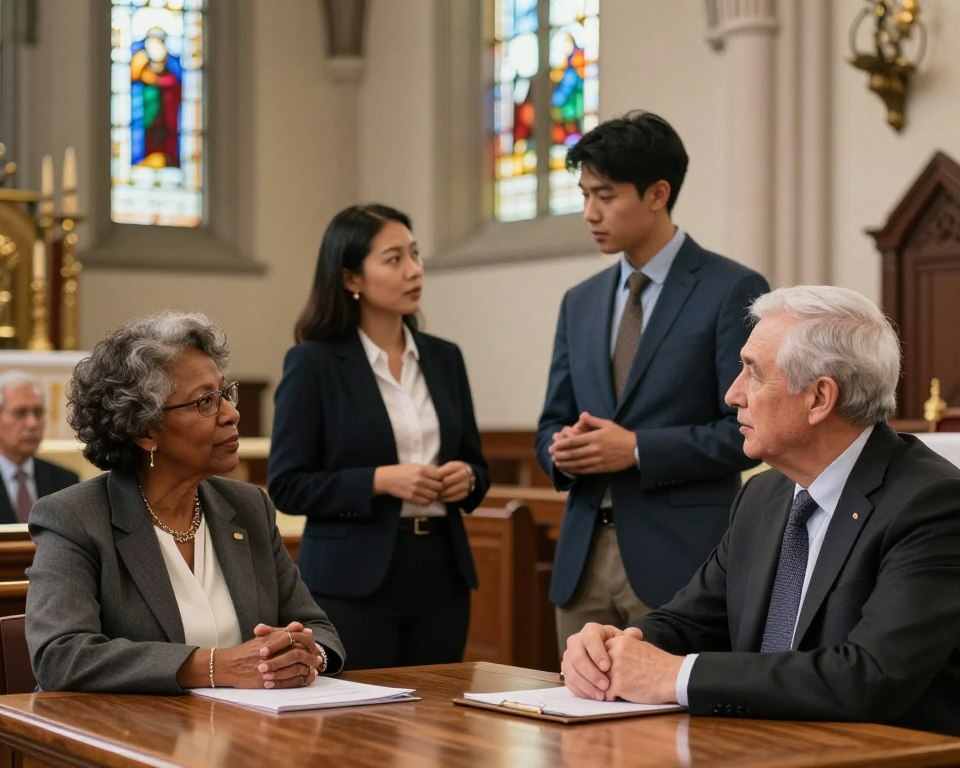
By providing ongoing support and training, the PCA enables its elders and deacons to serve the congregation and community with confidence and compassion. This not only strengthens the church’s internal community but also enhances its ability to serve others.
Presbyterian Church Governance Structure
The PCA’s governance is characterized by a system of church courts, ensuring a balanced and accountable leadership. This structure is fundamental to the Presbyterian Church in America’s identity and operational effectiveness.
Overview of Church Hierarchy
The Presbyterian Church in America operates under a presbyterian form of government, with a system of graded church courts. This includes sessions, presbyteries, and the General Assembly. Each level plays a crucial role in the overall governance of the church.
The session is responsible for governing the local congregation, making decisions that impact the daily life and ministry of the church. Presbyteries, on the other hand, oversee churches within a specific region, providing support and guidance. The General Assembly is the highest court of the denomination, addressing broader issues and setting overall direction.
Decision-Making and Accountability
Decision-making within the PCA is distributed across its various church courts, ensuring that power is balanced and that accountability is maintained. This structure allows for collaborative decision-making, involving various levels of leadership and ensuring that decisions are well-informed and representative of the broader church community.
The system of church courts also promotes accountability, as each level is responsible for overseeing and supporting the others. This hierarchical structure helps to prevent the concentration of power and ensures that the church remains responsive to the needs of its members.
The Role of Presbytery and Synod
Presbyteries and synods play vital roles in the PCA’s governance structure. Presbyteries are responsible for the churches within their region, providing guidance, support, and oversight. They also facilitate cooperation among churches, enabling them to work together on regional issues and projects.
While the PCA is divided into presbyteries, it does not currently operate with synods as some other Presbyterian denominations do. However, the role of presbyteries is crucial in connecting local churches to the broader denomination and facilitating a unified approach to ministry and mission.
Inter-Church Collaboration
By engaging in inter-church collaboration, the PCA strengthens its commitment to serving communities and advancing the gospel. This collaborative approach enables the church to work alongside other Christian denominations, fostering a spirit of unity and cooperation.
The PCA’s inter-church collaboration is multifaceted, involving partnerships with other denominations and cooperative efforts on community issues. This not only amplifies the church’s impact but also promotes a stronger Christian witness.
Partnerships with Other Denominations
The PCA has established partnerships with various Christian denominations, working together on projects that align with their shared values and mission. These partnerships facilitate the sharing of resources, expertise, and knowledge, ultimately enhancing the church’s ability to serve its communities.
Some of the key benefits of these partnerships include:
- Increased capacity to address complex community issues
- Enhanced credibility through unified Christian witness
- Opportunities for joint mission projects and evangelism initiatives
Working Together on Community Issues
The PCA and its partner denominations work together to address a range of community issues, from social justice to disaster relief. By pooling their resources and expertise, these churches are able to make a more significant impact than they could alone.
Examples of collaborative community projects include:
| Project | Description | Partner Denominations |
|---|---|---|
| Food Bank Initiative | Providing food assistance to needy families | Baptist, Methodist |
| Disaster Relief Efforts | Coordinating relief efforts in response to natural disasters | Lutheran, Episcopal |
| Youth Mentorship Program | Offering mentorship and guidance to local youth | Presbyterian Church (USA), Christian Reformed |
Family and Youth Engagement
The Presbyterian Church in America prioritizes family and youth engagement through various programs and resources, recognizing the importance of nurturing the next generation of believers. With numerous presbyterian church locations across the country, the PCA is well-positioned to support families in diverse communities.
Programs for Children and Youth
The PCA offers a range of programs designed to engage children and youth in meaningful ways, fostering their spiritual growth and development. These programs include Sunday school classes, youth groups, and summer camps, all aimed at helping young people deepen their understanding of their faith.
By providing these opportunities, the PCA helps children and youth build strong foundations for their spiritual journeys, preparing them to become active participants in their communities.
Support for Families in the Church
In addition to programs for children and youth, the PCA provides support for families within the church. This includes resources for parents, such as Bible studies and parenting classes, designed to help families navigate the challenges of raising children in a faith-centered environment.
The church also offers counseling services and support groups for families facing various challenges, providing a safe and supportive community for all members.
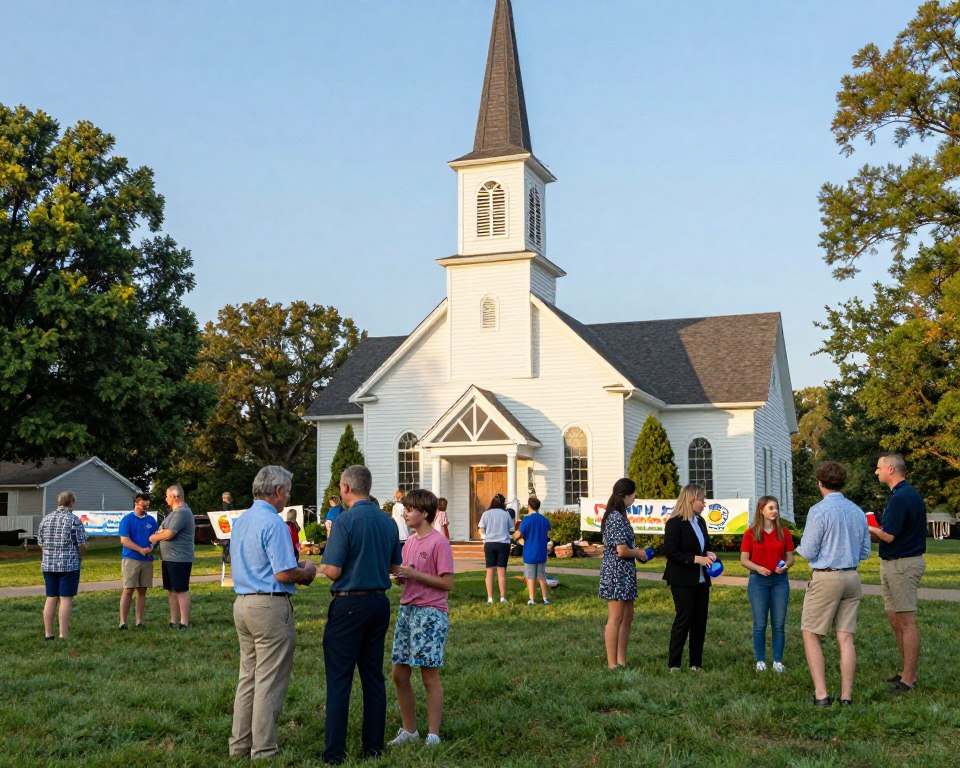
By engaging families and youth through these programs and resources, the Presbyterian Church in America creates a vibrant and inclusive community that supports the spiritual growth of all its members.
Spiritual Growth Opportunities
Members of the Presbyterian Church in America can engage in numerous spiritual growth initiatives, including retreats and mentorship programs, to enhance their spiritual journey. These opportunities are designed to foster a deeper connection with God and promote a stronger sense of community among members.
Retreats and Workshops
The Presbyterian Church in America offers various retreats and workshops throughout the year, providing members with a chance to step away from their daily routines and focus on their spiritual development. These events often feature presbyterian worship services, Bible studies, and fellowship opportunities, creating an environment conducive to spiritual growth.
Retreats and workshops cover a range of topics, from spiritual renewal to leadership development, catering to the diverse needs of church members. By participating in these events, individuals can gain new insights into their faith and develop a more profound understanding of their role within the church community.
Mentorship Programs
Mentorship programs are another vital aspect of spiritual growth within the Presbyterian Church in America. These programs pair individuals with experienced mentors who provide guidance, support, and encouragement as they navigate their spiritual journeys.
Through mentorship, members can explore their faith in a more personal and meaningful way, receiving tailored advice and counsel from someone who has walked a similar path. This one-on-one connection can be a powerful catalyst for spiritual growth, helping individuals to overcome challenges and deepen their commitment to their faith.
| Program | Description | Benefits |
|---|---|---|
| Spiritual Renewal Retreat | A focused retreat on spiritual renewal and personal growth | Deeper connection with God, renewed sense of purpose |
| Leadership Development Workshop | A workshop designed to equip leaders with skills and knowledge | Enhanced leadership capabilities, increased confidence |
| Mentorship Program | A personalized mentorship experience for spiritual growth | Guided spiritual development, supportive community |
By engaging with these spiritual growth opportunities, members of the Presbyterian Church in America can enrich their faith, build stronger relationships with others, and become more effective witnesses to their community.
Recognizing Diversity Within the Church
Diversity is a hallmark of the Presbyterian Church in America, with its congregations representing a wide array of cultural heritages. This diversity enriches the church’s worship, community life, and outreach efforts.
Celebrating Cultural Differences
The PCA actively celebrates the cultural differences within its congregations, recognizing that these diverse backgrounds bring unique perspectives and strengths to the church community. By embracing cultural diversity, the PCA fosters a more inclusive and vibrant worship environment.
Cultural celebrations and traditions are incorporated into worship services, making the church’s religious practices more meaningful and relevant to its diverse membership. This approach not only enriches the spiritual lives of church members but also helps to build bridges between different cultural communities.
Encouraging Multicultural Worship
Multicultural worship is a key aspect of the PCA’s approach to diversity. By incorporating a variety of cultural expressions into its worship services, the church creates a rich and dynamic spiritual experience. This multicultural approach to worship helps to ensure that all members feel welcome and valued.
The PCA encourages its congregations to explore and incorporate different cultural traditions into their worship practices, creating a truly multicultural and inclusive environment. This not only enhances the worship experience but also promotes unity and understanding among the church’s diverse membership.
By celebrating cultural differences and encouraging multicultural worship, the Presbyterian Church in America demonstrates its commitment to being a diverse and inclusive community of faith.
Future Directions for the Presbyterian Church
The Presbyterian Church in America (PCA) is poised for continued growth and ministry in the years to come. As the PCA looks to the future, it is embracing innovation in its ministries while addressing the challenges and opportunities that lie ahead.
Innovative Ministries
Embracing innovation is crucial for the PCA to effectively serve communities and fulfill its mission. By leveraging new approaches and technologies, the PCA can enhance its outreach and engagement efforts, ultimately strengthening its presence in the United States and beyond, much like the PC(USA) has done.
Challenges and Opportunities
As the PCA moves forward, it will face various challenges, including changing societal trends and cultural shifts. However, these challenges also present opportunities for growth and ministry. By being proactive and adaptable, the PCA can capitalize on these opportunities and continue to make a meaningful impact in the lives of its members and the broader community.
FAQ
What is the Presbyterian Church in America?
The Presbyterian Church in America (PCA) is a Christian denomination that emerged in 1973 due to theological differences with the Presbyterian Church in the United States. It adheres to the Reformed tradition and emphasizes evangelism, mission work, and the authority of Scripture.
What are the core beliefs of the Presbyterian Church in America?
The PCA’s core beliefs are rooted in the Reformed tradition, with a strong emphasis on the authority of Scripture and adherence to the Westminster Confession of Faith.
What type of worship services does the Presbyterian Church in America offer?
PCA churches are known for their expository preaching, where sermons are grounded in the systematic explanation of biblical texts. Music plays a vital role in worship, with congregational singing being a key element.
What sacraments are observed in the Presbyterian Church in America?
The PCA observes two sacraments: baptism, which is administered to believers and their children, and the Lord’s Supper, understood as a means of grace.
How is the Presbyterian Church in America involved in community engagement?
The PCA is committed to community engagement and outreach through local mission projects, national partnerships, and global initiatives, encouraging members to participate in volunteer opportunities.
What educational programs and resources does the Presbyterian Church in America offer?
The PCA offers a range of educational programs and resources, including Sunday School curricula, Bible studies, and leadership training initiatives to support church leaders and nurture the faith of believers.
How does the Presbyterian Church in America address social justice and contemporary issues?
The PCA advocates for social justice, tackles contemporary issues, and strives to create welcoming spaces for all individuals, seeking to make a positive impact on society.
What is the role of elders and deacons in the Presbyterian Church in America?
Elders are responsible for spiritual leadership, while deacons focus on ministries of mercy, and both are vital to the church’s mission. The PCA provides training and support to equip these leaders for their roles.
How is the Presbyterian Church in America governed?
The PCA’s governance structure is based on presbyterian polity, characterized by a system of church courts, including the session, presbyteries, and the General Assembly, ensuring a balance of power and promoting accountability.
Does the Presbyterian Church in America collaborate with other denominations?
Yes, the PCA recognizes the value of inter-church collaboration and partners with other denominations to amplify its impact on community issues and advance the gospel.
How does the Presbyterian Church in America engage families and youth?
The PCA provides a range of programs and resources designed to nurture the faith of children and youth, as well as support families in their spiritual journeys.
What opportunities are available for spiritual growth in the Presbyterian Church in America?
The PCA offers retreats, workshops, and mentorship programs to help individuals deepen their faith and develop a more intimate relationship with God.
How does the Presbyterian Church in America celebrate diversity?
The PCA celebrates its diversity, promoting multicultural worship and encouraging the expression of different cultural traditions within the church.
What is the future direction of the Presbyterian Church in America?
The PCA is poised for continued growth and ministry, embracing innovation and addressing the challenges of a changing world to fulfill its mission and serve communities effectively.