A well-designed church logo serves as a sacred symbol that captures the identity of a congregation, representing its unique history, vision, and mission.
A Christian logo maker can help create a logo that effectively communicates the church’s message, creating a lasting impression on its congregation and the community.
Crafting a powerful visual identity through a presbyterian church logo involves understanding the key elements that make a logo meaningful and impactful.
Key Takeaways
- A well-designed logo represents the church’s identity and mission.
- A christian logo maker can help create a meaningful logo.
- The logo should communicate the church’s message effectively.
- A church logo design should be simple, yet impactful.
- The logo is a tangible representation of the church’s commitment to its beliefs.
Understanding the Importance of a Logo in the Church
A well-designed logo is crucial for a church, as it symbolizes the church’s faith, values, and mission to its community. In the realm of church branding, a logo serves as a visual representation that distinguishes one church from another, making it an essential element in creating a unique identity.
The significance of a logo in church identity cannot be overstated. It is often the first point of contact between the church and the community, making it a vital tool for outreach and evangelism. A logo that effectively communicates the church’s message can foster a sense of belonging among its members and attract new followers.
Why a Logo Matters for Church Identity
A church’s logo becomes a visual testament to its unique history, vision, and mission. It is a central piece in vision-casting for any church, helping to convey its core values and principles. In religious logo design, symbols and imagery play a crucial role in representing the church’s beliefs and practices.
- A logo helps to establish a church’s identity in the community.
- It serves as a visual representation of the church’s values and mission.
- Effective logo design can enhance the church’s outreach efforts.
Building Community and Recognition
A well-designed logo can also contribute to building a sense of community among church members. By wearing or displaying the logo, members can feel a sense of unity and shared identity. Furthermore, a recognizable logo can help to establish the church’s presence in the wider community, making it more visible and accessible to those seeking spiritual guidance.
“A logo is a symbol that represents an organization’s values and mission. For churches, it’s a way to visually communicate their faith and principles.”
Symbols of Faith in Design
The use of symbols in church graphic design is a powerful way to convey the church’s beliefs and values. Symbols such as the cross, dove, or fish are instantly recognizable and hold deep meaning within the Christian faith. By incorporating these symbols into a logo, a church can create a visual identity that resonates with its congregation and communicates its message effectively.
In conclusion, a logo is a vital component of a church’s identity, serving as a visual representation of its values, mission, and beliefs. By understanding the importance of a logo and investing in effective religious logo design, churches can strengthen their connection with their community and enhance their outreach efforts.
Key Elements of a Successful Church Logo
Crafting a logo for a church requires careful consideration of several key elements to ensure it resonates with the congregation. A well-designed logo is crucial for establishing a strong visual identity that reflects the church’s values and mission.
Color Psychology and Its Impact
The choice of colors in a church logo can significantly influence its perception. Different colors evoke different emotions and convey various messages. For instance, blue is often associated with trust and stability, while green symbolizes growth and harmony. When selecting colors for a church logo, it’s essential to consider the emotions and values you want to convey.
Understanding color psychology can help in creating a logo that effectively communicates the church’s message. It’s not just about picking colors that look appealing together; it’s about choosing hues that resonate with the congregation and reflect the church’s identity.
Typography That Resonates with the Message
The typography used in a church logo plays a crucial role in conveying its message. The font style can significantly impact how the logo is perceived. For example, a serif font may convey tradition and formality, while a sans-serif font can suggest modernity and simplicity.
When choosing typography for a church logo, it’s vital to select fonts that are not only aesthetically pleasing but also meaningful. The typography should complement the church’s overall message and be legible across various platforms.
Iconography: Representing Beliefs Visually
Iconography is a powerful tool in logo design, allowing churches to visually represent their beliefs and values. Symbols such as the cross, dove, or fish are commonly used in Christian logos to signify faith and spirituality.
The use of iconography in a church logo can create a strong visual connection with the congregation. It’s essential to choose symbols that are meaningful and relevant to the church’s mission and values.
Historical Context of Presbyterian Church Logos
The evolution of Presbyterian church logos mirrors the broader historical and cultural landscape of the communities they serve. Over time, these logos have adapted to reflect the theological, social, and cultural shifts within the Presbyterian Church.
Understanding the historical context of Presbyterian church logos provides valuable insights into their development and significance. The logos are not just symbols; they represent the church’s identity and values.
Evolution Over Time
The design of Presbyterian church logos has been influenced by various historical and cultural factors. From the early days of the Presbyterian Church to the present, logos have evolved to incorporate different elements that reflect the church’s mission and values.
Historical events and theological debates have played a significant role in shaping the visual identity of the Presbyterian Church. For instance, the use of certain symbols or colors may be traced back to specific periods or events in the church’s history.
Notable Designs and Their Meanings
Some Presbyterian church logos have become iconic, representing not just the church but the community it serves. These logos often incorporate elements that are significant to the church’s theology or history.
For example, the use of the burning bush or the cross in logos symbolizes the church’s core beliefs and values. Understanding the meaning behind these symbols can provide insight into the church’s identity and mission.
- The burning bush represents God’s presence and call to Moses, symbolizing the church’s connection to its biblical roots.
- The cross is a universal symbol of Christianity, representing the sacrifice and resurrection of Jesus Christ.
By examining these notable designs and their meanings, churches can gain inspiration for their own logos, creating a visual identity that is both meaningful and relevant to their community.
Crafting a Unique Design for Your Congregation
Your church’s logo is often the first impression visitors have, making its design a critical aspect of your congregation’s identity. A custom church logo that reflects your church’s values and mission can help establish a strong sense of community and belonging.
Collaborating with Designers
To create an effective church logo design, it’s essential to collaborate with designers who understand your church’s vision. This collaboration ensures that the final product is not only visually appealing but also meaningful and relevant to your congregation.
When working with designers, provide them with as much information as possible about your church’s history, mission, and values. This context will help them create a logo that accurately represents your congregation.
Incorporating Community Input
Involving your community in the logo design process can provide valuable insights and ensure that the final product resonates with your congregation. Consider hosting community meetings or online surveys to gather feedback and suggestions.
This inclusive approach not only helps in creating a logo that the community can identify with but also fosters a sense of ownership and engagement among members.
Reflecting Your Church’s Mission
A well-designed church logo should be a visual representation of your church’s mission and values. The logo should convey the message and spirit of your congregation, serving as a symbol that unites its members.
To achieve this, focus on incorporating elements that reflect your church’s core beliefs and practices. This could include specific colors, typography, or iconography that hold significance for your congregation.
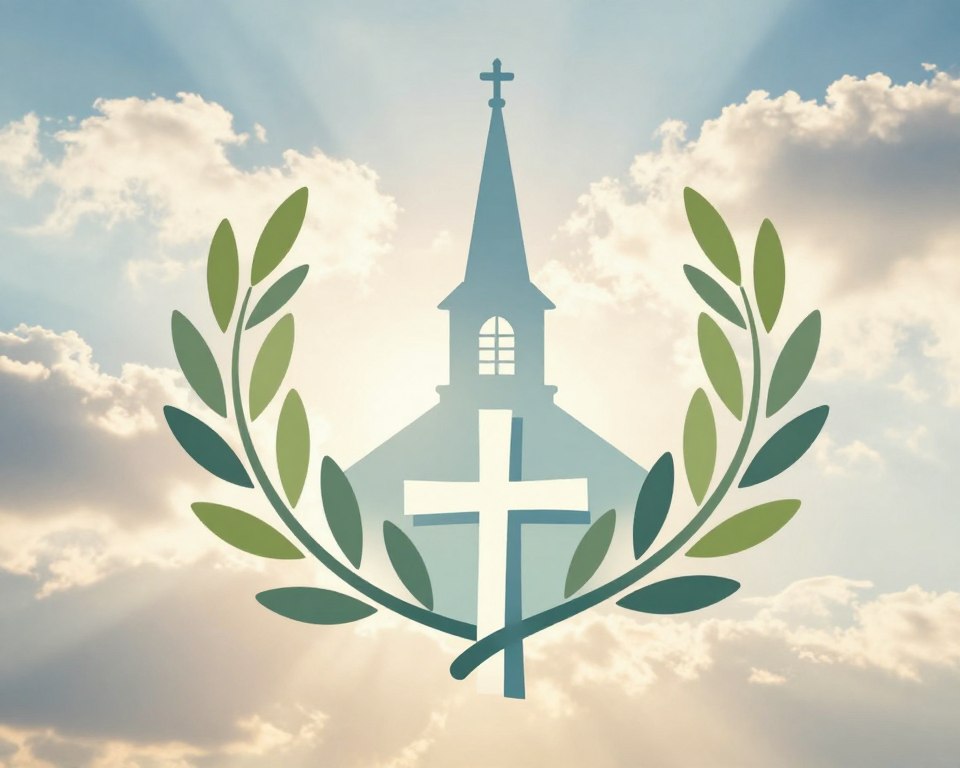
The Role of Tradition in Logo Design
The design of a Presbyterian church logo is deeply influenced by tradition, reflecting the church’s history and values. Tradition plays a significant role in shaping the visual identity of these churches, ensuring their logos are not only meaningful but also rooted in their heritage.
When designing a logo for a Presbyterian church, it’s essential to strike a balance between honoring tradition and embracing modern aesthetics. This balance ensures the logo is both relevant to the contemporary congregation and respectful of the church’s legacy.
Balancing Heritage and Modern Aesthetics
A successful Presbyterian church logo seamlessly blends traditional elements with modern design principles. This can be achieved by incorporating classic symbols or motifs in a contemporary design framework.
For instance, the use of the cross, a universal symbol of Christianity, can be reimagined in a modern context. The cross can be stylized or combined with other elements that reflect the church’s mission or values, creating a unique visual identity.
Recognizing Iconic Presbyterian Symbols
Presbyterian churches often incorporate specific symbols into their logos that reflect their beliefs and heritage. Recognizing and understanding these symbols is crucial for designing a logo that resonates with the congregation.
Some iconic symbols associated with Presbyterian churches include the burning bush, representing God’s presence, and the Presbyterian logo featuring a cross and a flame, symbolizing the Holy Spirit. These symbols can be integrated into the logo design to convey the church’s theological roots and community values.
| Symbol | Meaning | Design Implication |
|---|---|---|
| Cross | Represents Christianity and sacrifice | Can be stylized or combined with other elements |
| Burning Bush | Symbolizes God’s presence | Adds a powerful theological reference |
| Flame | Represents the Holy Spirit | Can signify passion and spiritual guidance |
By understanding and incorporating these symbols, designers can create a Presbyterian church logo that is both authentic and visually appealing. The key is to balance tradition with modern design sensibilities, ensuring the logo is relevant and engaging for the congregation.
Best Practices for Logo Usage
A well-designed logo is only the first step; its consistent application across various platforms is equally important. The logo serves as a visual representation of the church’s identity and mission. Therefore, it’s crucial to ensure that it is used consistently to maintain a strong brand image.
Consistency Across Various Platforms
Consistency is key to reinforcing the church’s brand identity. The logo should be used uniformly across all platforms, including digital media, print materials, and signage. This includes:
- Website: The logo should be prominently displayed on the church’s website, ideally in the header or footer.
- Social Media: The logo should be used as the profile picture across all social media platforms.
- Print Materials: The logo should be included on brochures, bulletins, and other printed materials.
- Signage: The logo can be used on church signs and banners.
As David Aaker, a renowned branding expert, once said, “A brand is a promise, and consistency is key to keeping that promise.” Consistency in logo usage reinforces the church’s message and helps build recognition among its congregation and the wider community.

How to Guard Your Church’s Visual Identity
Guarding the church’s visual identity involves establishing clear guidelines for logo usage. This includes defining the logo’s color palette, typography, and minimum size requirements. By doing so, the church can ensure that its logo is used correctly and consistently across all platforms.
To achieve this, churches can develop a brand style guide that outlines the proper use of the logo, including:
- Logo variations (e.g., color, black and white, icon-only).
- Minimum size requirements to ensure legibility.
- Clear space requirements to prevent visual clutter.
- Approved color palette to maintain consistency.
By establishing these guidelines, churches can protect their visual identity and maintain a strong brand image. As
“A brand is not just a logo; it’s the sum of all the experiences, perceptions, and expectations associated with it.”
– Scott Davis.
Showcasing Your Logo in Church Space
Effectively showcasing your Presbyterian church logo within the church space is crucial for creating a cohesive brand identity. A well-integrated logo can foster a sense of community and belonging among congregation members.
Signage and Branding within the Church
Signage and Branding within the Church
One of the most impactful ways to showcase your logo is through church graphic design on signage and branding elements within the church. This can include entrance signs, directional signs, and display boards. By incorporating your logo into these elements, you can create a visually cohesive environment that reinforces your church’s identity.
For instance, a large display screen or a prominent sign at the entrance featuring your logo can make a lasting impression on visitors and members alike. It’s essential to ensure that the design is consistent with your church’s overall aesthetic and messaging.
Merchandise and Promotional Materials
Another effective way to showcase your logo is through religious logo design on merchandise and promotional materials. Items such as t-shirts, mugs, and bulletins can feature your logo, serving as a reminder of your church’s mission and values.
When designing merchandise, it’s crucial to consider the quality of the items and how they will be perceived by your congregation. High-quality merchandise can also serve as a form of outreach, spreading your church’s message beyond the congregation.
By leveraging church branding services, you can ensure that your logo is consistently represented across all materials, reinforcing your church’s brand identity.
In conclusion, showcasing your Presbyterian church logo in the church space through signage, branding, merchandise, and promotional materials is vital for creating a strong, recognizable brand. By doing so, you can foster a sense of unity and community among your congregation.
Case Studies: Successful Presbyterian Church Logos
By analyzing the logos of various Presbyterian churches, we can identify common characteristics that contribute to their success. Effective church logos often embody the values and mission of the congregation, creating a powerful visual identity.
Examples of Effective Visual Identities
Several Presbyterian churches have developed logos that are both meaningful and visually appealing. For instance, the First Presbyterian Church of a prominent city uses a logo that incorporates a cross within a circle, symbolizing unity and faith. The use of a simple, yet profound design element makes the logo memorable and easily recognizable.
Another example is the Presbyterian Church of the Highlands, which features a logo that includes a stylized representation of a mountain, signifying spiritual growth and aspiration. The design is not only aesthetically pleasing but also conveys the church’s mission and values.
| Church Name | Logo Design Element | Symbolism |
|---|---|---|
| First Presbyterian Church | Cross within a circle | Unity and faith |
| Presbyterian Church of the Highlands | Stylized mountain | Spiritual growth and aspiration |
Lessons Learned from Other Churches
The logos of successful Presbyterian churches offer valuable lessons for designing an effective visual identity. One key takeaway is the importance of simplicity and clarity in design. Logos that are overly complex may fail to convey the intended message.
Another lesson is the significance of incorporating elements that reflect the church’s mission and values. By doing so, the logo becomes a meaningful representation of the congregation’s identity and purpose.
When designing a presbyterian church logo, it’s essential to consider the use of church logo design tools and resources, such as a christian logo maker, to create a unique and impactful visual identity.
Common Mistakes to Avoid When Designing a Logo
The process of designing a church logo involves more than just aesthetics; it demands a thoughtful approach to avoid critical errors. A well-designed logo is crucial for a church’s identity and branding, serving as a visual representation of its values and mission.
When creating a Presbyterian church logo, several common mistakes can undermine the effectiveness of the design. Being aware of these pitfalls is essential to crafting a logo that resonates with the congregation and effectively represents the church’s identity.
Overcomplicating the Design
One of the most significant mistakes in church logo design is overcomplicating the design. A logo that is too complex can be difficult to recognize and remember. It may not scale well across different platforms, losing its clarity when resized.
- A simple design ensures the logo remains legible and impactful in various contexts, from business cards to billboards.
- Simplicity also aids in the versatility of the logo, making it easier to use across different materials and digital platforms.
As Rob Smith, a renowned designer, notes, “A simple logo is not just aesthetically pleasing; it’s also practical and effective in conveying the church’s message.” A straightforward design can significantly enhance the logo’s ability to communicate the church’s values at a glance.
Ignoring Feedback from the Congregation
Another critical mistake is ignoring feedback from the congregation. The logo is not just a representation of the church’s identity; it’s also a symbol that the community will interact with regularly.
“Involving the congregation in the design process can provide valuable insights into what the community resonates with,” says Jane Doe, a church branding expert. “It’s not just about creating a logo that looks good; it’s about creating a symbol that the community feels connected to.”
Ignoring this feedback can lead to a logo that does not effectively engage or represent the community. It’s essential to gather input and be open to adjustments based on the feedback received.
To avoid these common mistakes, consider the following best practices:
- Keep the design simple and scalable.
- Engage with the congregation to gather feedback.
- Ensure the logo is versatile enough for various applications.
By being mindful of these potential pitfalls and adopting a thoughtful and inclusive design process, churches can create logos that effectively represent their identity and resonate with their community.
Future Trends in Church Logo Design
As the Presbyterian Church continues to evolve, its visual identity must also adapt to the changing landscape. The future of church logo design lies in embracing digital platforms and creating inclusive, diverse branding.
Digital Adaptability
Effective church branding now requires logos that are optimized for various digital contexts. This means designing logos that remain clear and impactful on different devices and screen sizes. Religious logo design must consider the versatility of the logo across websites, social media, and mobile applications.
Inclusive Design
Incorporating inclusivity and diversity into church graphic design helps create a welcoming brand image. This can be achieved by using symbols and imagery that resonate with a broad audience. By doing so, the Presbyterian Church can foster a sense of community and belonging among its members.
By staying aware of these future trends, churches can develop logos that are both contemporary and meaningful, effectively communicating their message to a wider audience.
FAQ
What is the significance of a Presbyterian church logo?
A Presbyterian church logo is a symbol of the church’s identity and mission, serving as a tangible representation of its commitment to its beliefs and values.
How does a logo contribute to a church’s identity?
A logo plays a crucial role in a church’s identity, serving as a visual representation of its values and mission, and helping to build community and recognition among its members and the wider community.
What are the key elements of a successful church logo?
A well-designed church logo incorporates several key elements, including color psychology, typography, and iconography, which work together to create a powerful and meaningful logo.
How can a Presbyterian church logo be designed to respect its heritage?
Understanding the historical context of Presbyterian church logos and incorporating iconic symbols and heritage elements can help in designing a logo that respects the church’s heritage.
What are some best practices for using a church logo?
Best practices for logo usage include ensuring consistency across various platforms, establishing guidelines for logo usage, and guarding the church’s visual identity to maintain a strong brand image.
How can a church logo be showcased effectively?
Showcasing a Presbyterian church logo can be achieved through various means, including signage and branding within the church, as well as merchandise and promotional materials.
What are some common mistakes to avoid when designing a church logo?
Common mistakes to avoid include overcomplicating the design and ignoring feedback from the congregation, which can lead to a logo that does not resonate with its members.
How can a church logo be designed to be inclusive and diverse?
Incorporating inclusivity and diversity into logo design can help create a welcoming and inclusive brand image, and staying aware of future trends can help Presbyterian churches create logos that are both contemporary and meaningful.
What role does community input play in designing a church logo?
Incorporating community input can ensure that the logo resonates with its members and reflects the church’s mission, serving as a visual representation of its values and beliefs.
How can a church logo be adapted for digital platforms?
As technology continues to evolve, church logo design must adapt to digital platforms, ensuring that the logo is visible and effective in various digital contexts.