The Presbyterian denomination encompasses a diverse range of churches, each with its unique history, theology, and practices. Understanding the different Presbyterian church types is essential for individuals seeking a community that aligns with their beliefs and values.
With various denominations and branches, the Presbyterian Church has a rich history. Recognizing the distinct characteristics of each type can help individuals make informed decisions about their spiritual affiliations.
Key Takeaways
- Understanding the different Presbyterian church types is crucial for finding a community that aligns with one’s beliefs.
- The Presbyterian denomination encompasses a range of churches with unique histories and theologies.
- Recognizing the distinct characteristics of each type can inform spiritual affiliations.
- The Presbyterian Church has a rich history with various denominations and branches.
- Different Presbyterian church types offer diverse worship styles and community engagement.
Overview of Presbyterianism and Its Roots
Understanding Presbyterianism requires a look into its historical background and the core principles that define its various denominations. Presbyterianism, a significant branch of Protestant Christianity, has its roots in the 16th-century Reformation.
Historical Background of Presbyterianism
Presbyterianism originated in Scotland, heavily influenced by the teachings of John Calvin and John Knox. The Reformation in Scotland during the 16th century laid the groundwork for Presbyterianism, emphasizing the authority of the Scriptures and the governance of the church by elders.
As John Knox, a key figure in the Scottish Reformation, noted,
“The Church of God is not limited to any particular place, but is gathered out of the world, and is the company of those who are called by the grace of God.”
This quote encapsulates the essence of Presbyterianism’s roots in Reformation theology.
Key Beliefs and Principles
At its core, Presbyterianism is defined by several key beliefs and principles. These include:
- The sovereignty of God in all things
- The authority of the Scriptures as the primary rule of faith and practice
- The necessity of grace through faith in Christ for salvation
- Governance of the church by elders, rather than a hierarchical clergy
These principles are foundational to understanding the various Presbyterian denominations and their practices. The different types of Presbyterian churches, while sharing these core beliefs, may vary in their governance, worship styles, and specific doctrinal emphases.
Major Types of Presbyterian Churches
Presbyterian churches are categorized into several distinct types, each with its own history and theological stance. The diversity within Presbyterianism is a result of historical developments, theological debates, and regional differences.
The major Presbyterian denominations include the Presbyterian Church (USA), the Presbyterian Church in America, and the Orthodox Presbyterian Church. Each of these denominations has its own distinct characteristics, governance structure, and theological emphases.
Presbyterian Church (USA)
The Presbyterian Church (USA) is one of the largest Presbyterian denominations in the United States. It was formed in 1983 through the merger of the United Presbyterian Church of the USA and the Presbyterian Church in the United States. The PC(USA) is known for its progressive stance on social issues and its commitment to ecumenical dialogue.
The PC(USA) has been at the forefront of various social justice movements, including advocacy for LGBTQ+ rights and addressing climate change. This denomination is governed by a series of judicatories, from local sessions to the General Assembly.
Presbyterian Church in America
The Presbyterian Church in America (PCA) was established in 1973 by churches that broke away from the PCUS due to theological differences. The PCA is known for its conservative theological stance and adherence to the Westminster Confession of Faith.
The PCA emphasizes evangelism and church planting, and it has a strong commitment to missions both domestically and internationally. The governance structure of the PCA is similar to that of the PC(USA), with a system of local sessions, presbyteries, and a General Assembly.
Orthodox Presbyterian Church
The Orthodox Presbyterian Church (OPC) was formed in 1936 by conservative Presbyterians who left the PCUSA due to theological liberalism. The OPC is known for its strict adherence to Reformed theology and the Westminster Standards.
The OPC places a strong emphasis on doctrinal purity and church discipline. It is governed by a Presbyterian form of government, with local churches being part of presbyteries and the General Assembly being the highest court.
In summary, while these Presbyterian denominations share a common heritage, they have distinct differences in their theological emphases, governance, and approaches to social issues. Understanding these differences is crucial for appreciating the diversity within Presbyterianism.
Governance Structure in Presbyterian Churches
Presbyterian churches operate under a unique governance model that emphasizes the role of elders and other church leaders. This system is designed to ensure that decision-making is distributed among various levels of church organization, providing a balance between local autonomy and denominational unity.
Understanding Elder and Deacon Roles
In Presbyterian churches, elders play a crucial role in governance. They are responsible for spiritual leadership and guiding the congregation in matters of faith and practice. Elders are typically divided into two categories: teaching elders (ministers) and ruling elders (lay leaders). Together, they form the session, which is the governing body of the local church.
Deacons, on the other hand, are focused on service and care within the church and community. Their role includes caring for the needy, managing church resources, and supporting the elders in their duties. While deacons are not directly involved in governance, they play a vital role in the overall life of the church.
The Role of Synods and Presbyteries
Beyond the local church, Presbyterian governance involves higher councils known as presbyteries and synods. A presbytery is a regional assembly that includes all the churches within a specific geographic area. It oversees the local churches, provides support, and handles matters that require regional coordination.
A synod is a broader assembly that comprises multiple presbyteries. It serves as a middle ground between the presbyteries and the general assembly, the highest governing body of the Presbyterian Church. Synods address issues that affect a larger area and help in coordinating efforts across different regions.
The governance structure in Presbyterian churches is designed to be representative and inclusive, ensuring that various voices are heard and considered in decision-making processes. This system allows for a connection between local churches and the broader denomination, promoting unity and cooperation.
Worship Styles Across Different Presbyterian Types
Worship practices within Presbyterian denominations vary significantly, influenced by historical, theological, and cultural factors. This diversity is reflected in the range of worship styles found across different Presbyterian churches.
Traditional Worship Practices
Traditional worship in Presbyterian churches often adheres to the Directory of Public Worship, which outlines the order and elements of the service. This typically includes prayers, hymns, and sermons that are deeply rooted in the Reformed tradition. The use of liturgical forms and the emphasis on the sacraments, particularly baptism and the Lord’s Supper, are also characteristic.
The traditional style is often associated with a more formal and reverent atmosphere, with an emphasis on the preaching of the Word. The service is usually led by a minister, with the congregation participating through responsive readings and hymns.
Contemporary Worship Approaches
In contrast, contemporary worship approaches in Presbyterian churches incorporate a wide range of modern elements, including contemporary music, multimedia presentations, and informal liturgies. These services often aim to create a more relaxed and accessible atmosphere, engaging a broader audience.
Contemporary worship may also involve creative expressions of faith, such as drama, dance, or visual arts. The use of technology, including projection systems and social media, is also common, enhancing the worship experience and facilitating community engagement.
While contemporary worship styles vary widely among Presbyterian denominations, they share a common goal of making worship more relevant and engaging to modern congregations.
Theological Differences Among Presbyterian Types
The theological landscape of Presbyterianism is characterized by a range of beliefs and practices across its various denominations. While Presbyterian churches share a common heritage rooted in Reformed theology, differences in interpretation and application of doctrine have led to the development of distinct theological profiles among the denominations.
Calvinist Influences
A significant factor shaping the theology of Presbyterian churches is the influence of John Calvin’s teachings. Calvinism emphasizes the sovereignty of God in all things, including salvation. This theological framework has profoundly impacted Presbyterian denominations, shaping their understanding of grace, predestination, and the role of the church in salvation.
Key Calvinist Tenets:
- Total depravity: The belief that humanity is inherently sinful and incapable of saving itself.
- Unconditional election: The doctrine that God chooses those who will be saved based on His sovereign will.
- Limited atonement: The understanding that Christ’s atonement is specifically intended for the elect.
Distinctive Doctrinal Beliefs
Despite the shared Calvinist heritage, Presbyterian denominations have developed distinctive doctrinal beliefs. For instance, the Orthodox Presbyterian Church is known for its strict adherence to traditional Reformed theology, while the Presbyterian Church (USA) has taken a more progressive stance on certain issues, reflecting a broader interpretation of Reformed principles.
| Denomination | Theological Emphasis | Distinctive Practices |
|---|---|---|
| Presbyterian Church (USA) | Progressive Reformed theology | Emphasis on social justice and inclusivity |
| Orthodox Presbyterian Church | Traditional Reformed theology | Strict adherence to Calvinist doctrines |
| Presbyterian Church in America | Conservative Reformed theology | Focus on evangelism and missions |
As highlighted by theologian
“The Reformed tradition is not just about doctrine; it’s about a way of life that is shaped by the Word of God.”
This quote underscores the importance of understanding the theological differences among Presbyterian denominations, as these differences significantly impact their practices and worldview.
In conclusion, the theological differences among Presbyterian types are a reflection of the diverse interpretations and applications of Reformed theology. Understanding these differences is crucial for appreciating the richness and complexity of Presbyterian church classifications.
Social and Community Engagement
Presbyterian churches actively participate in various forms of community service and social justice initiatives. These activities are a testament to their commitment to serving the community and promoting social justice.
Mission Work and Outreach Programs
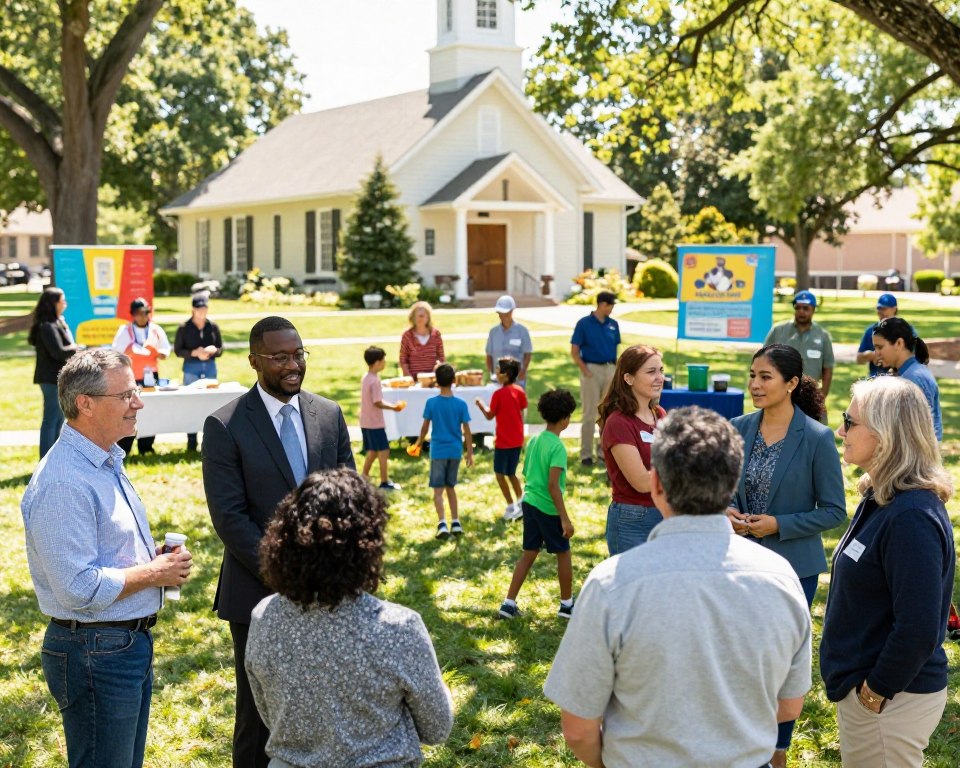
Presbyterian churches are involved in a wide range of mission work and outreach programs. These initiatives include food banks, homeless shelters, and community development projects. For instance, many Presbyterian churches operate food banks that provide groceries to those in need, while others run homeless shelters that offer temporary housing and support services.
Outreach programs also extend to education and healthcare. Presbyterian churches often establish educational programs aimed at improving literacy and providing vocational training. Additionally, they may offer health clinics or partner with existing healthcare providers to deliver medical services to underserved populations.
Involvement in Social Justice Issues
Presbyterian denominations are vocal about social justice issues, including racial equality, environmental stewardship, and human rights. They advocate for policies and practices that promote justice and equality, often working alongside other faith communities and secular organizations.
As one Presbyterian leader noted,
“Our faith compels us to stand up for the marginalized and to work towards a more just society.”
This commitment is reflected in their active participation in social justice movements and their support for initiatives that address systemic injustices.
The Presbyterian Church (USA), for example, has taken a strong stance on issues like climate change, calling for renewable energy adoption and sustainable practices. Similarly, other Presbyterian denominations have been involved in advocacy efforts related to immigration reform and economic justice.
Through their mission work, outreach programs, and involvement in social justice issues, Presbyterian churches demonstrate their dedication to making a positive impact in their communities and beyond.
Educational Institutions Linked to Presbyterian Churches
Educational institutions associated with the Presbyterian Church are vital for the training of church leaders and the dissemination of theological knowledge. These institutions play a crucial role in the life of the church, providing a foundation for theological education and leadership development.
Seminaries and Theological Schools
Presbyterian churches are linked to various seminaries and theological schools that offer programs in theological studies. These institutions are dedicated to the education and training of pastors, church leaders, and theologians. Some notable examples include:
- Princeton Theological Seminary
- Austin Presbyterian Theological Seminary
- Columbia Theological Seminary
These seminaries and theological schools provide a range of programs, from Master of Divinity degrees to doctoral studies, and are committed to academic excellence and theological scholarship.
Community Programs and Educational Resources
In addition to seminaries and theological schools, Presbyterian churches also support various community programs and educational resources. These initiatives aim to promote Christian education, community engagement, and social justice. Examples include:
| Institution | Program/Resource | Description |
|---|---|---|
| Presbyterian Church (USA) | Christian Education Resources | Provides curriculum and resources for Christian education in churches |
| Presbyterian Foundation | Financial Education | Offers financial planning and stewardship education for churches and individuals |
| PC(USA) Committee on Mission | Community Engagement Initiatives | Supports community development and social justice initiatives globally |
These community programs and educational resources demonstrate the Presbyterian Church’s commitment to holistic ministry and community service.
Challenges Facing Presbyterian Churches Today
In today’s fast-paced cultural landscape, Presbyterian churches are confronted with challenges that require thoughtful and innovative responses. As variations of Presbyterian church continue to evolve, they must address the complexities of modern society while remaining true to their core beliefs.
The Presbyterian community is not immune to the broader societal shifts that are reshaping religious institutions across the United States. Cultural changes, in particular, pose significant challenges, as they influence how churches engage with their members and the wider community.
Addressing Cultural Changes
Cultural changes are having a profound impact on Presbyterian church branches. The increasing diversity of the American religious landscape means that Presbyterian churches must adapt to new cultural norms and expectations.
As noted by religious leaders, “The church must be willing to listen to the voices of its members and the broader community, seeking to understand the needs and concerns of those around it.”
“The future of the church depends on its ability to engage with the world in a meaningful way, while remaining faithful to its core mission.”

Ecumenical Relations Among Denominations
Another critical challenge facing Presbyterian churches is the need to foster ecumenical relations among denominations. In a religious landscape marked by fragmentation, building bridges between different Christian denominations is more important than ever.
By engaging in ecumenical dialogue and collaboration, Presbyterian churches can work towards greater unity and a more effective witness in the world. This involves a commitment to understanding and respecting the beliefs and practices of other Christian traditions.
As Presbyterian churches navigate these challenges, they must also remain committed to their core mission and values. By doing so, they can continue to thrive and make a positive impact in their communities.
Resources for Exploring Presbyterian Church Types
For those interested in exploring the diverse world of Presbyterian churches, several resources are available to facilitate a deeper understanding of the various denominations and their practices.
Church Finder Tools and Directories
Utilizing church finder tools and directories can be an effective way to locate Presbyterian churches in your area. Websites such as the Presbyterian Church (USA) website offer church finder tools that allow you to search for churches by location, denomination, and other criteria. These resources can help you identify popular Presbyterian church types and variations that align with your beliefs and values.
Recommended Reading and Literature
For those seeking a more in-depth understanding of Presbyterian church variations, recommended reading and literature can provide valuable insights. Books on the history of Presbyterianism, its key beliefs, and the differences between various Presbyterian denominations can be particularly enlightening. Exploring these resources can help individuals make informed decisions about their church affiliation and deepen their understanding of the Presbyterian faith.
FAQ
What are the main differences between Presbyterian denominations?
The main differences between Presbyterian denominations lie in their theological interpretations, governance structures, and worship styles. For example, the Presbyterian Church (USA) is generally considered more liberal, while the Presbyterian Church in America is more conservative.
What is the historical background of Presbyterianism?
Presbyterianism originated in the 16th-century Reformation, influenced by John Calvin’s teachings. It emphasizes the authority of the Bible, the sovereignty of God, and the importance of church governance by elders.
What are the different types of Presbyterian churches?
There are several types of Presbyterian churches, including the Presbyterian Church (USA), Presbyterian Church in America, Orthodox Presbyterian Church, and others, each with its own distinct history, beliefs, and practices.
How do Presbyterian churches govern themselves?
Presbyterian churches are governed by a system of elders and deacons, with higher governing bodies such as presbyteries and synods. This governance structure is designed to ensure accountability and representation.
What are the different worship styles found in Presbyterian churches?
Presbyterian churches exhibit a range of worship styles, from traditional to contemporary. Traditional worship often features hymns and liturgy, while contemporary worship may incorporate modern music and multimedia elements.
How do Presbyterian denominations differ theologically?
Presbyterian denominations differ theologically in their interpretations of Calvinism, sacramental practices, and other doctrinal issues. For example, some denominations adhere strictly to the Westminster Confession of Faith, while others may have more nuanced or differing views.
What role do Presbyterian churches play in social and community engagement?
Presbyterian churches are actively involved in mission work, outreach programs, and social justice issues, such as poverty alleviation, education, and advocacy for human rights.
What educational institutions are associated with Presbyterian churches?
Presbyterian churches are linked to various educational institutions, including seminaries, theological schools, and community programs, which provide theological education and training for church leaders.
What challenges do Presbyterian churches face today?
Presbyterian churches face challenges related to cultural changes, declining membership, and ecumenical relations among denominations. They must adapt to changing societal contexts while remaining faithful to their core beliefs and principles.
How can I find a Presbyterian church that suits my needs?
You can use church finder tools, directories, and online resources to locate Presbyterian churches in your area. It’s also helpful to visit different churches, talk to their members, and explore their worship styles and community programs to find the best fit.