The Presbyterian Church has taken a significant step forward in its commitment to LGBTQ inclusion. According to the 223rd General Assembly, the church affirms its dedication to the full welcome, acceptance, and inclusion of transgender people and people of all gender identities.
This affirmation marks a significant milestone in the church’s journey towards greater acceptance and equality. The church’s commitment to creating a welcoming environment for LGBTQ individuals is a crucial aspect of its mission.
Key Takeaways
- The Presbyterian Church has reaffirmed its commitment to LGBTQ inclusion.
- The 223rd General Assembly played a key role in this affirmation.
- The church aims to create a welcoming environment for all individuals, regardless of gender identity.
- This move is seen as a significant step towards greater equality and acceptance.
- The church’s commitment to LGBTQ inclusion is a crucial aspect of its mission.
Understanding LGBTQ Inclusion in the Presbyterian Church
The Presbyterian Church’s stance on LGBTQ inclusion is a complex issue that has evolved significantly over the years. Understanding this stance requires a look into its historical context and recent policy developments.
Historical Context of LGBTQ Rights
The Presbyterian Church has a history of grappling with LGBTQ rights, marked by significant milestones. In 1978, the General Assembly made a landmark decision by banning LGBTQ individuals from holding official leadership roles, a policy that reflected the church’s conservative stance at the time.
However, this decision was not the end of the church’s engagement with LGBTQ issues. Over the years, there has been a gradual shift towards greater inclusion, driven by advocacy and changing societal attitudes.
Recent Developments in Inclusion Policies
In recent years, the Presbyterian Church has taken significant steps towards LGBTQ inclusion. The establishment of the Advocacy Committee for LGBTQIA+ Equity is a notable example, demonstrating the church’s commitment to promoting equal rights and opportunities for LGBTQIA+ individuals.
These developments signal a positive shift towards a more inclusive environment within the church, acknowledging the contributions and dignity of LGBTQIA+ members.
The journey towards full inclusion is ongoing, with the church continuing to navigate the complexities of balancing tradition with the need for inclusivity.
Theological Perspectives on LGBTQ Issues
Theological understandings play a crucial role in shaping the Presbyterian Church’s views on LGBTQ inclusion. The church’s approach to LGBTQ issues is influenced by a range of theological perspectives, reflecting diverse interpretations of biblical teachings.
Biblical Interpretations and Their Impact
Biblical interpretations significantly influence the Presbyterian Church’s stance on LGBTQ issues. Different readings of scripture lead to varied conclusions about the inclusion of LGBTQ individuals. Some interpretations emphasize the importance of love and acceptance, while others focus on traditional understandings of gender and sexuality.
- Affirming interpretations highlight biblical themes of love, compassion, and inclusion.
- Traditional interpretations often rely on specific scriptures that have been interpreted as condemning same-sex relationships.
- Diverse readings of the Bible reflect the complexity of LGBTQ issues within the church.
Diverse Views Within the Church
The Presbyterian Church encompasses a wide range of views on LGBTQ issues, reflecting its commitment to theological inquiry and dialogue. This diversity is evident in the varying approaches to LGBTQ inclusion across different congregations and regions.
- Congregations with affirming stances actively welcome LGBTQ individuals.
- Some churches maintain traditional views, which may not fully affirm LGBTQ identities.
- Ongoing dialogue and education aim to bridge the gap between different perspectives.
The Presbyterian Church’s engagement with LGBTQ issues theologically demonstrates its commitment to understanding and serving its diverse membership. Through continued discussion and exploration of biblical interpretations, the church seeks to foster a more inclusive and compassionate community.
The Role of the General Assembly
As the highest governing body of the Presbyterian Church, the General Assembly has been instrumental in driving policy changes related to LGBTQ inclusion. This body has the authority to make decisions that impact the church’s stance on various issues, including those affecting LGBTQ individuals.
Significant Policy Changes Over the Years
The General Assembly has made several key policy changes over the years to promote a more inclusive environment within the Presbyterian Church. One significant development was the establishment of the Advocacy Committee for LGBTQIA+ Equity, which has been pivotal in advocating for the rights and inclusion of LGBTQ individuals.
Some of the notable policy changes include:
- Adopting policies that support the ordination of LGBTQ individuals
- Approving the use of inclusive language in worship and church documents
- Issuing statements in support of LGBTQ rights and protections
Important Decisions Affecting LGBTQ Inclusion
The General Assembly has made several important decisions that have directly impacted LGBTQ inclusion within the church. These decisions have not only reflected the church’s commitment to creating a welcoming environment but have also paved the way for further advocacy and change.
| Year | Decision/Policy Change | Impact on LGBTQ Inclusion |
|---|---|---|
| 2011 | Approval of overtures allowing LGBTQ individuals to be ordained | Allowed LGBTQ individuals to serve in leadership roles |
| 2015 | Re-definition of marriage to be inclusive of same-sex couples | Recognized same-sex marriages, promoting equality |
| 2019 | Establishment of the Advocacy Committee for LGBTQIA+ Equity | Enhanced advocacy efforts for LGBTQ rights within the church |
The decisions made by the General Assembly reflect a broader commitment to inclusivity and equity within the Presbyterian Church. By continuing to evolve and adapt its policies, the church aims to create a more welcoming environment for all members, including those from the LGBTQ community.
Local Presbyterian Churches: Varying Approaches
Local Presbyterian churches exhibit a range of approaches to LGBTQ inclusion, reflecting the diversity within the denomination. While some congregations have been at the forefront of welcoming and affirming LGBTQ individuals, others have been more cautious or even resistant to change.
Affirming Congregations
Many Presbyterian churches have taken proactive steps to become more inclusive. For example, some churches have:
- Changed their bylaws to explicitly welcome LGBTQ individuals
- Performed same-sex marriages and provided dedicated LGBTQ support groups
- Participated in advocacy efforts to promote LGBTQ rights within the church and broader community
These affirming congregations serve as beacons of hope and acceptance, demonstrating that the Presbyterian Church is capable of embracing diversity and promoting inclusivity.
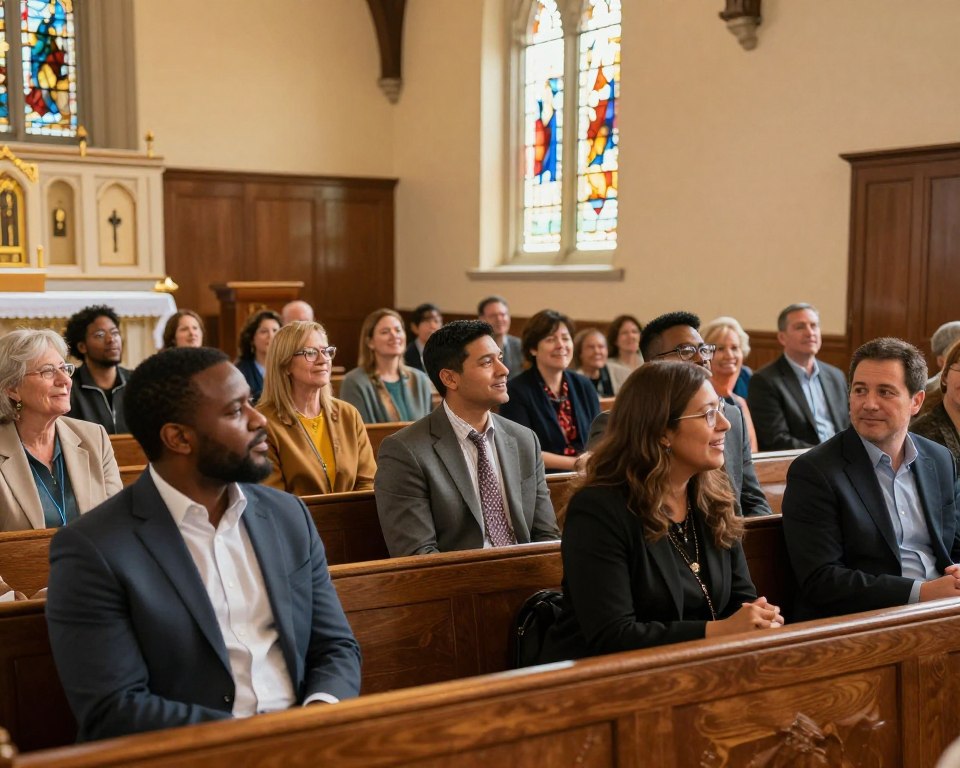
Case Studies of Non-Affirming Churches
Conversely, some Presbyterian churches have faced criticism for their handling of LGBTQ issues, with some congregations being outright non-affirming. These cases often highlight the challenges faced by LGBTQ individuals within conservative Presbyterian communities.
Examples include churches that have:
- Refused to perform same-sex marriages, citing theological objections
- Created policies that inadvertently or deliberately exclude LGBTQ members from full participation
- Failed to provide adequate support to LGBTQ individuals, leading to feelings of isolation and rejection
These examples underscore the complexities and challenges associated with LGBTQ inclusion in the Presbyterian Church, illustrating the need for ongoing dialogue and education.
The diversity in approaches among local Presbyterian churches reflects the broader debates within the denomination. As the church continues to navigate these issues, the experiences of both affirming and non-affirming congregations will likely inform the path forward.
Community Engagement and Support Initiatives
Community engagement is a cornerstone of the Presbyterian Church’s approach to LGBTQ inclusion. The church recognizes that fostering a supportive environment is crucial for the well-being of LGBTQ individuals. To achieve this, the Presbyterian Church has implemented various initiatives aimed at promoting understanding and acceptance.
LGBTQ Support Groups in Presbyterian Circles
The Presbyterian Church has established numerous LGBTQ support groups within its congregations. These groups provide a safe space for LGBTQ individuals to share their experiences, find support, and connect with others who understand their challenges. Support groups are facilitated by trained leaders who ensure a welcoming and inclusive environment.
These support groups not only offer emotional support but also serve as a resource for education and advocacy. They help raise awareness about LGBTQ issues within the church and the broader community, promoting a culture of acceptance and understanding.
Interfaith Collaborations for Inclusion
In addition to internal support groups, the Presbyterian Church engages in interfaith collaborations to promote LGBTQ inclusion across different religious communities. By working together with other faith organizations, the church amplifies its message of acceptance and support.
Interfaith collaborations involve joint initiatives such as community events, educational programs, and advocacy campaigns. These efforts help build a coalition of support for LGBTQ individuals, demonstrating a united commitment to their well-being and inclusion.
Through these community engagement and support initiatives, the Presbyterian Church continues to demonstrate its commitment to creating an inclusive and supportive environment for all members, regardless of their sexual orientation or gender identity.
Challenges Faced by LGBTQ Members
The journey of LGBTQ individuals within the Presbyterian Church is often marked by significant challenges that impact their spiritual and emotional well-being. These challenges can stem from various sources, including internal church dynamics and broader societal attitudes.
Experiences of Rejection and Acceptance
LGBTQ members of the Presbyterian Church have reported a wide range of experiences, from outright rejection to full acceptance. Rejection can come in many forms, from being denied participation in church activities to being shunned by family and community members who are part of the church. On the other hand, acceptance can be a powerful affirmation of an individual’s identity and faith, often provided by supportive congregations and church leaders.
A study on LGBTQ inclusion in various denominations, including the Presbyterian Church, found that affirming congregations play a crucial role in the spiritual lives of LGBTQ individuals. These congregations not only provide a welcoming environment but also actively work to understand and support the needs of their LGBTQ members.
Addressing Mental Health Needs
The mental health needs of LGBTQ individuals within the church are a critical concern. Experiences of rejection and marginalization can lead to increased rates of depression, anxiety, and other mental health issues. It’s essential for the church to address these needs through supportive programs and by fostering an inclusive environment.
To better understand the mental health landscape, let’s examine some key statistics:
| Mental Health Indicator | LGBTQ Individuals | Non-LGBTQ Individuals |
|---|---|---|
| Depression Rate | 40% | 15% |
| Anxiety Rate | 45% | 20% |
| Suicidal Thoughts | 25% | 5% |
The data highlights the disparity in mental health outcomes between LGBTQ and non-LGBTQ individuals, underscoring the need for targeted support within the church.
By acknowledging these challenges and working towards a more inclusive and supportive environment, the Presbyterian Church can better serve its LGBTQ members and address their mental health needs effectively.
Educational Resources and Workshops
The Presbyterian Church has been at the forefront of promoting LGBTQ inclusion through various educational initiatives. To promote understanding and acceptance, the Presbyterian Church provides several educational resources. These resources are designed to educate church members about LGBTQ issues, foster a culture of inclusion, and support LGBTQ individuals within the community.
Conferences Focused on LGBTQ Inclusion
The Presbyterian Church hosts conferences that bring together church leaders, members, and LGBTQ advocates to discuss issues related to LGBTQ inclusion. These conferences feature workshops, panel discussions, and keynote speakers who share their experiences and insights on promoting LGBTQ inclusion within the church. For instance, the Presbyterian LGBTQ Conference has been a significant event, providing a platform for dialogue, education, and networking among participants.
Online Courses and Materials Available
In addition to conferences, the Presbyterian Church offers online courses and materials to support LGBTQ inclusion. These resources include video tutorials, study guides, and articles that provide in-depth information on LGBTQ issues and how to create a welcoming environment within the church. The Affirming Presbyterian Community website is a valuable resource, offering a range of materials that can be used by church members and leaders to promote inclusion.
Some of the online courses cover topics such as understanding LGBTQ terminology, addressing LGBTQ issues in worship services, and creating inclusive church policies. These courses are designed to be accessible and engaging, allowing participants to learn at their own pace.
Celebrating LGBTQ Contributions to the Church
Celebrating the contributions of LGBTQ individuals is essential to understanding the Presbyterian Church’s progress towards inclusivity. The church has been enriched by the diverse perspectives and experiences of its LGBTQ members, who have played a crucial role in shaping its journey towards greater acceptance.
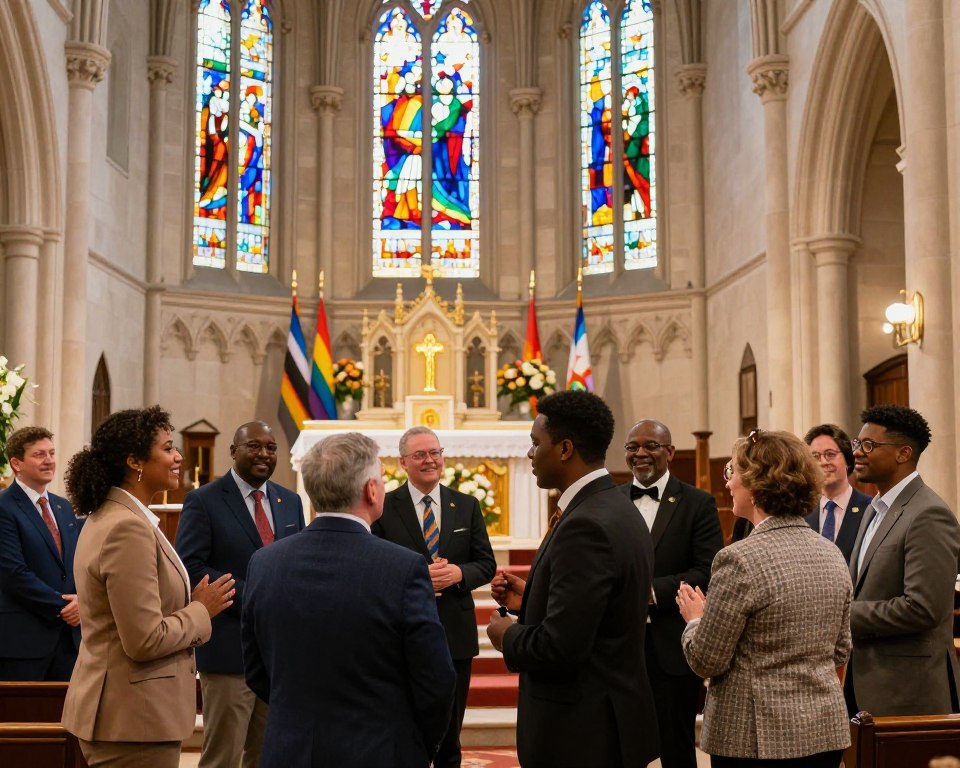
Notable LGBTQ Leaders in the Presbyterian Church
The Presbyterian Church has been blessed with numerous LGBTQ leaders who have made significant contributions to its ministry and mission. One such leader is Rev. Dr. Rita Rice, who has been a vocal advocate for LGBTQ inclusion within the church. Her work has inspired many to embrace the diversity of God’s children.
“The presence of LGBTQ individuals in the church is not just a matter of tolerance, but a celebration of the diverse body of Christ.” – Rev. Dr. Rita Rice
Another notable figure is Rev. Jordan Cantwell, the first openly gay Moderator of the United Church of Canada, who has also influenced the Presbyterian Church through ecumenical dialogues. These leaders, among others, have paved the way for a more inclusive and compassionate church community.
| Name | Contribution |
|---|---|
| Rev. Dr. Rita Rice | Advocacy for LGBTQ inclusion |
| Rev. Jordan Cantwell | Ecumenical dialogue and leadership |
Stories of Faith and Resilience
The stories of LGBTQ individuals within the Presbyterian Church are testaments to their faith and resilience. Many have faced challenges and overcome obstacles to remain true to their calling and identity. For instance, the story of Alex, who found acceptance and support within their congregation after coming out, highlights the positive impact of inclusive church environments.
Such stories underscore the importance of creating welcoming spaces within the church. They also demonstrate the power of faith and community in overcoming adversity.
“I found my true self within the church, and it was there that I discovered a community that loved me for who I am.” – Alex
These narratives not only inspire but also remind the church of its responsibility to continue fostering an environment of love, acceptance, and understanding.
Future Directions for LGBTQ Inclusion
The future of LGBTQ inclusion in the Presbyterian Church is being shaped by a diverse range of voices and perspectives. As the church continues on its journey towards greater inclusivity, it’s essential to consider the paths that will lead to a more welcoming and supportive community for all members.
Ongoing Conversations and Dialogues
Ongoing conversations within the Presbyterian Church are crucial for advancing LGBTQ inclusion. These dialogues, which involve members from various backgrounds and age groups, help to foster a deeper understanding of the issues at hand and the ways in which the church can better support its LGBTQ members. Through open and respectful dialogue, the church is able to navigate complex theological and social issues, ultimately strengthening its commitment to inclusivity.
The Presbyterian Church’s General Assembly plays a significant role in these conversations, providing a platform for the discussion of policies and practices that affect LGBTQ inclusion. By engaging in these discussions, the church is able to identify areas for improvement and implement changes that promote a more inclusive environment.
The Role of Younger Presbyterians in Advocacy
Younger Presbyterians are at the forefront of advocacy efforts within the church, bringing a fresh perspective and a strong commitment to social justice. Their involvement is crucial in driving progress on LGBTQ issues, as they challenge the status quo and push for greater inclusivity. Through their advocacy, younger Presbyterians help to ensure that the church remains relevant and responsive to the needs of its members.
By engaging in advocacy and community service, younger Presbyterians are not only shaping the future of the church but also contributing to the broader movement for LGBTQ rights. Their efforts serve as a powerful reminder of the church’s potential to be a force for positive change in the world.
Conclusion: A Path Towards Greater Acceptance
The Presbyterian Church’s journey towards LGBTQ inclusion is ongoing, with a continued focus on community connection and unity. As the church moves forward, it is essential to reflect on the progress made and the work still to be done.
Reflections on the Journey Ahead
The church’s commitment to LGBTQ inclusion is a vital aspect of its mission and identity. By fostering a welcoming environment, the Presbyterian Church can continue to grow and strengthen its community.
Encouraging Community Connection and Unity
Community connection is crucial in promoting unity within the Presbyterian Church LGBTQ community. As the church continues on its path towards greater acceptance, it is essential to prioritize initiatives that promote understanding and inclusivity.
FAQ
What is the Presbyterian Church’s stance on LGBTQ inclusion?
The Presbyterian Church has taken significant steps to ensure that LGBTQ individuals feel included and valued within the church community, affirming LGBTQ inclusion at the 223rd General Assembly.
How has the Presbyterian Church’s approach to LGBTQ rights evolved over time?
The church has navigated a complex journey, from initially banning LGBTQIA+ individuals from leadership roles to establishing advocacy committees for LGBTQIA+ equity, reflecting a growing commitment to LGBTQ inclusion.
What are the different theological perspectives on LGBTQ issues within the Presbyterian Church?
The church’s diverse views on LGBTQ issues reflect a range of theological understandings, from affirming to more traditional perspectives, influencing the church’s ongoing conversation about LGBTQ inclusion.
What role has the General Assembly played in shaping the Presbyterian Church’s approach to LGBTQ inclusion?
The General Assembly has been instrumental in policy changes, including decisions that have significantly impacted LGBTQ inclusion, such as establishing advocacy committees and other policy changes.
Are all local Presbyterian churches affirming and welcoming to LGBTQ individuals?
No, while some congregations are affirming and welcoming, others have been slower to adopt inclusive practices, reflecting varying approaches to LGBTQ inclusion among local Presbyterian churches.
What community engagement and support initiatives are available within the Presbyterian Church to promote LGBTQ inclusion?
LGBTQ support groups and interfaith collaborations are crucial in creating a supportive environment for LGBTQ individuals, demonstrating the church’s commitment to fostering a culture of inclusion and acceptance.
What challenges do LGBTQ members face within the Presbyterian Church?
LGBTQ members may experience rejection and acceptance, and addressing their mental health needs is a critical aspect of creating a supportive and inclusive environment.
What educational resources and workshops are available within the Presbyterian Church to promote LGBTQ inclusion?
Conferences focused on LGBTQ issues and online courses provide valuable resources for church members, fostering a deeper understanding of LGBTQ issues and promoting a culture of inclusion.
How have LGBTQ individuals contributed to the Presbyterian Church?
LGBTQ members have played a vital role in shaping the church’s journey towards greater inclusion, with notable leaders and stories of faith and resilience highlighting their contributions.
What is the future direction for LGBTQ inclusion within the Presbyterian Church?
Ongoing conversations and the involvement of younger Presbyterians in advocacy will be instrumental in driving further progress on LGBTQ issues, shaping a more inclusive future for the church.
How can I find an LGBTQ-affirming Presbyterian church near me?
You can search online for inclusive Presbyterian churches or LGBTQ-friendly Presbyterian churches in your area, or reach out to the Presbyterian Church’s national offices for guidance.
What is the Presbyterian Church doing to address the mental health needs of LGBTQ individuals?
The church is working to create a supportive environment for LGBTQ individuals, including addressing their mental health needs through various initiatives and programs.
How can I get involved in promoting LGBTQ inclusion within the Presbyterian Church?
You can participate in LGBTQ support groups, attend conferences focused on LGBTQ issues, and engage in online courses and materials available within the Presbyterian Church.