India’s capital city holds hidden spiritual gems for those seeking Christian fellowship. While Christians make up less than 1% of New Delhi’s population, their vibrant communities thrive through historic places of worship. Nearly 60% of these believers identify with Protestant traditions, creating a lively network of congregations across the city.
These sacred spaces blend British colonial designs with Indian cultural elements, offering visual stories of faith and history. Landmarks like the Cathedral Church of the Redemption stand near government buildings, while St. James’ Church showcases military-era architecture. Each location serves as both a spiritual hub and a social center, hosting events that unite diverse groups.
Visitors will find welcoming atmospheres in neighborhoods from Connaught Place to Delhi Cantonment. Many congregations actively support local charities and interfaith initiatives, reflecting their commitment to community growth. Whether you’re drawn to traditional hymns or contemporary services, there’s a place here for meaningful connection.
Key Takeaways
- Protestant communities form the majority of New Delhi’s Christian population
- Historic buildings showcase unique British-Indian architectural fusion
- Multiple denominations offer varied worship styles and traditions
- Central locations provide easy access for residents and travelers
- Churches host cultural programs and social outreach year-round
Introduction to Protestant Churches in Delhi
New Delhi’s rich tapestry of faiths includes dynamic Protestant groups whose roots stretch back centuries. These communities thrive in a city where ancient traditions meet modern diversity, offering worship spaces that reflect both global connections and local culture.
What Makes Delhi Unique?
The capital’s spiritual landscape shines through its ability to blend traditions. Church of North India leads a major diocese here, uniting Anglican and Protestant practices across northern states. You’ll find Baptist congregations sharing streets with Sikh gurdwaras, while Pentecostal hubs welcome international visitors near diplomatic zones.
This mix creates congregations as varied as India itself. Members might include third-generation worshippers, professionals from other regions, or global expats. Together, they form communities that value service—many support schools, clinics, and food banks citywide.
An Overview of Protestant Heritage
Protestant roots here began with 16th-century Jesuit missionaries and grew under British rule. Today, denominations like Methodist and Presbyterian add distinct flavors to local worship. The Central Baptist Church’s lively services contrast with the Indian Pentecostal Church’s spirited gatherings, showing the spectrum of traditions.
Historic institutions still shape daily life. Old churches run respected schools, while newer ones host job-training programs. Whether through hymn-filled stone chapels or modern auditoriums, these groups keep faith alive in India’s ever-changing heart.
Historical Background and Heritage
Centuries before modern congregations, New Delhi’s Christian journey began with imperial curiosity across different eras. Rulers and missionaries shaped a faith legacy that survives through stone and story in India’s capital.
Mughal Influences and Early Encounters
The Mughal era opened new doors when Emperor Akbar invited Jesuit priests to his court in 1579. His secular approach let Christian ideas flow freely among royal circles. This unique time fostered cross-cultural exchanges that would echo through centuries.
Later governments shifted course dramatically. Emperor Aurangzeb’s strict policies pushed communities into hiding. Yet determined figures like Father Desideri founded a dedicated house of worship in 1723—only to see it destroyed during Persian invasions sixteen years later.
| Year | Event | Significance |
|---|---|---|
| 1579 | Akbar’s Jesuit invitation | Era of Mughal interfaith dialogue |
| 1723 | Virgin Mary church established | Symbol of persistent faith |
| 1739 | Nadir Shah’s invasion | Religious structures destroyed |
Through unstable times, believers developed clever survival tactics. Missionaries hid in crumbling buildings, keeping their practices alive secretly. These efforts planted seeds for New Delhi’s future religious diversity as British influence later grew.
Prominent Protestant Churches in New Delhi
Architectural marvels stand as testaments to New Delhi’s spiritual diversity. The Cathedral Church of the Redemption and Sacred Heart Cathedral dominate the cityscape with their colonial-era grandeur. Both structures emerged from the creative mind of Henry Medd, a key figure in shaping the capital’s iconic buildings.
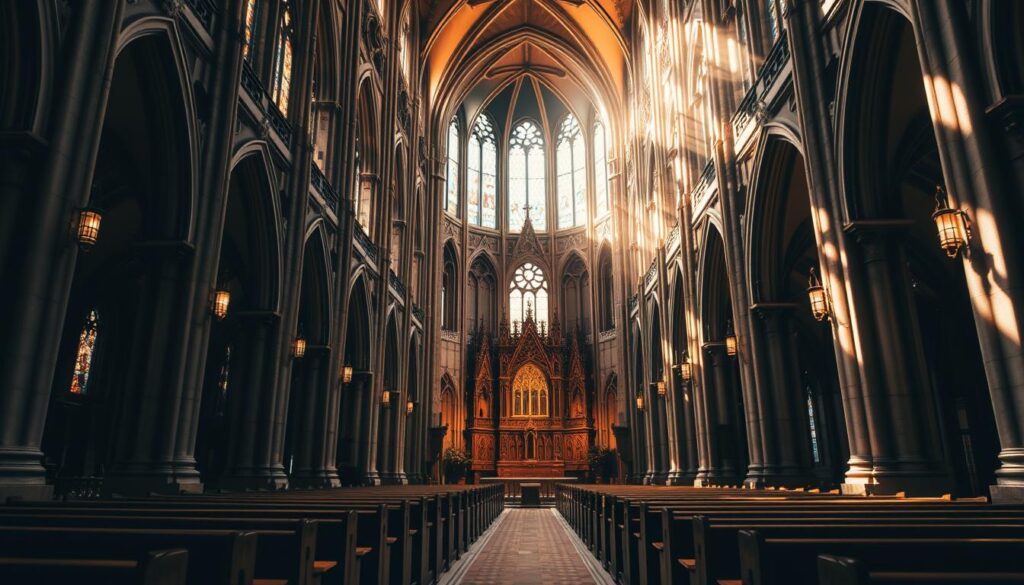
Medd masterfully blended European designs with India’s climate needs. His work on these worship spaces features high ceilings for airflow and strategic window placements. These elements create cool sanctuaries that defy the city’s summer heat.
The Cathedral Church of the Redemption near Rashtrapati Bhavan serves diplomats and locals alike. Known locally as North Avenue Church, its pale stone facade contrasts with the red sandstone of nearby government buildings. Sunday services here often include hymns in multiple languages.
| Feature | Cathedral Church of the Redemption | Sacred Heart Cathedral |
|---|---|---|
| Location | North Avenue | Gole Dak Khana |
| Architectural Style | English Renaissance meets Indian practicality | Romanesque Revival with Mughal influences |
| Unique Element | Original 1935 pipe organ | Distinctive terracotta exterior |
| Primary Community | Government officials & international visitors | Regional Christian populations |
At Gole Dak Khana, the Sacred Heart Cathedral’s crimson walls make it unmissable. This landmark hosts Christmas markets that draw thousands. Its central location allows easy access from metro stations and major bus routes.
Both spaces regularly hold interfaith dialogues and charity events. They’ve become cultural bridges in a city where history and modernity constantly interact. Visitors often describe feeling transported through time while attending services here.
Protestant Church Delhi: A Visitor’s Guide
Exploring New Delhi’s spiritual landscape offers more than ancient temples—its Christian communities welcome curious travelers with open doors. These sacred spaces blend historical significance with modern hospitality, creating meaningful experiences for visitors of all backgrounds.
Essential Tips for First-Time Visitors
Morning worship services typically start between 8:00 and 10:00 AM, with exact times varying by congregation. Dress modestly—think knee-length skirts or trousers, and bring a light shawl for shoulder coverage. Arriving 15 minutes early lets you appreciate stained-glass artistry before the gathering begins.
Always ask staff before photographing interiors during services. Many congregations offer English-language programs, particularly in diplomatic areas. “Our doors open widest to those who come with open hearts,” shares a local community leader.
Planning Your Itinerary
Sunday mornings bring lighter traffic, making visits to multiple locations feasible. Create a route map considering service schedules and travel times between neighborhoods. Research architectural highlights like arched colonnades or rare biblical manuscripts displayed in some sanctuaries.
Prioritize quality over quantity—allow space for quiet reflection between stops. Many historic buildings host afternoon tea or cultural workshops, perfect for deepening your understanding of New Delhi’s spiritual tapestry.
Church North India: A Regional Perspective
The Church of North India stands as a unifying force across northern states, with its Delhi diocese acting as both spiritual anchor and organizational hub. This influential body connects believers from Punjab’s farmlands to Uttar Pradesh’s urban centers under shared traditions. Over 150 congregations coordinate through this central network.
More than just a local congregation, the diocese coordinates educational programs and healthcare initiatives reaching remote villages. Its leadership training center in the capital prepares clergy to serve diverse communities throughout the region. Annual conferences here shape strategies for addressing regional challenges.
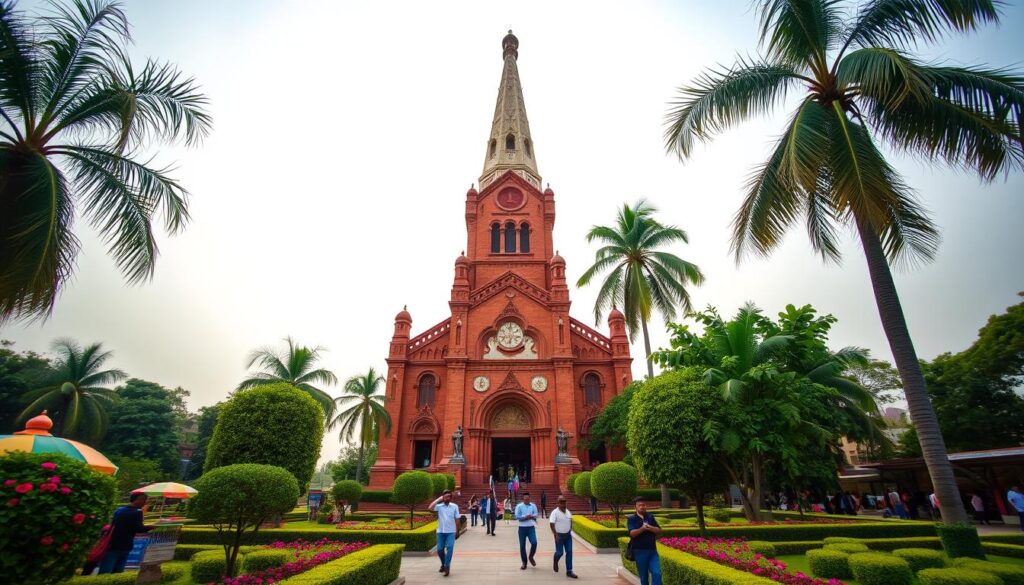
Worship services beautifully merge Anglican prayer structures with regional music and languages. Hymns might feature harmonium accompaniments alongside traditional English choir arrangements. This blend creates experiences that honor both global connections and local identities.
| Aspect | Delhi Diocese Role | Regional Impact |
|---|---|---|
| Governance | Central administrative hub | Unites 8 northern states |
| Cultural Integration | Blends liturgy with local arts | Preserves regional traditions |
| Social Outreach | Manages 120+ initiatives | Impacts 500,000+ annually |
| Leadership Development | Trains 300+ yearly | Supports rural congregations |
New Delhi’s status as the national capital amplifies the diocese’s influence in interfaith collaboration. Recent partnerships have addressed food security and women’s education across six states. Through these efforts, the organization demonstrates how faith communities can drive positive change at scale.
The Cathedral Church of the Redemption: Architecture and History
Standing as a breath of cool air in India’s bustling capital, this landmark redefines sacred spaces through intelligent design. At 23, Henry Medd began shaping New Delhi’s skyline under Edwin Lutyens, later becoming the government’s chief architect during India’s pivotal transition years.
Where Vision Meets Climate
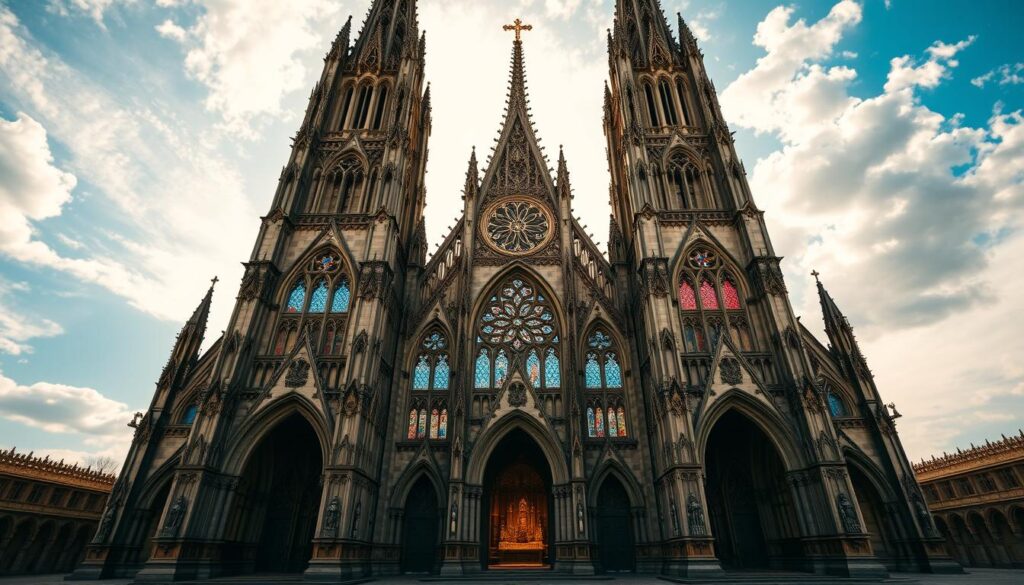
Medd’s genius shines through adaptive features that combat extreme heat while maintaining grandeur. He reduced window openings by 40% compared to European models, instead creating airflow channels within thick walls. The courtyard’s mango trees weren’t just decorative—their shade lowered ambient temperatures by 6°F during summer services.
| Design Feature | European Inspiration | Indian Adaptation |
|---|---|---|
| Ventilation | Stained glass windows | Concealed air channels |
| Materials | Portland stone | Local quartzite blend |
| Layout | Gothic arches | Extended shaded verandas |
| Acoustics | Vaulted ceilings | Jali screen sound diffusion |
Every part of the structure serves dual purposes. Buttresses support the roof while housing hidden drainage systems. The 1935 pipe organ’s placement wasn’t random—its position amplifies sound toward the congregation without echo.
Medd’s landscape integration makes the compound feel like an oasis. “True architecture,” he noted, “should solve problems before visitors notice them.” This philosophy transformed the church redemption project into a masterclass in climate-responsive design that still inspires architects today.
Sacred Heart Cathedral: An Iconic Landmark
Glowing like a ruby in New Delhi’s urban mosaic, the Roman Catholic Church of the Sacred Heart welcomes believers with its distinctive terracotta facade. This heart cathedral serves as both spiritual anchor and cultural crossroads, drawing diplomats and northeastern communities alike.
Henry Medd’s genius shines through clever climate adaptations. He scrapped Westminster Abbey-style blueprints after Lutyens warned against excessive glass in Delhi’s heat. The final design features thick walls and strategically placed windows that keep interiors 15°F cooler than outside.
Sunday services here blend Tamil hymns with Khasi prayers, reflecting the cathedral’s role as a home for Manipuri and Naga communities. “Our diversity strengthens our unity,” notes a regular attendee from Mizoram. Annual Christmas markets transform the compound into a global village, with embassy staff sharing traditions from Manila to Maputo.
The Sacred Heart complex buzzes beyond worship hours. Youth groups practice traditional dances under shaded verandas, while elders host tea gatherings. Its central location near Gole Dak Khana makes it accessible yet peaceful—a rare combination in India’s bustling capital.
Discovering St. Mary Orthodox Cathedral
South Delhi’s tree-lined streets hold a special surprise for spiritual explorers. The St. Mary Orthodox Cathedral in Hauz Khas stands as a cultural bridge for Kerala’s Syrian Christians in the capital. Built in 1975, this white-walled sanctuary became the community’s first major worship space north of their home state.
Professionals and students from Kerala find familiar traditions here. The orthodox cathedral hosts services in Malayalam, complete with incense rituals and liturgical chants. Its central location near metro stations makes weekly gatherings convenient for families across the city.
Notable figures like MG George Muthoot found solace within these walls. The late finance magnate frequently attended prayers here, blending business success with spiritual grounding. Today, the cathedral continues welcoming new generations seeking both career opportunities and cultural roots.
Visitors appreciate how the St. Mary Orthodox community preserves Kerala’s Christian heritage. From Onam festivals to Easter vigils, seasonal celebrations burst with South Indian flavors. This vibrant space proves faith traditions can thrive far from their geographic origins.
FAQ
What are the must-visit historic Protestant churches in Delhi?
The Cathedral Church of the Redemption and St. James’ Church are iconic for their colonial-era architecture. Sacred Heart Cathedral and St. Mary’s Orthodox Syrian Cathedral also blend spiritual significance with stunning design.
How does Church of North India differ from other denominations?
The Church of North India unites Anglican, Methodist, and other Protestant traditions. It focuses on regional cultural integration while maintaining core Christian practices, making it distinct from standalone denominations like Baptists or Pentecostals.
Are there guided tours available for these religious sites?
Yes! Many churches, like the Cathedral Church of the Redemption, offer self-guided pamphlets or volunteer-led tours. Check their websites or contact local tourism offices for scheduled events.
What architectural styles define Delhi’s Protestant landmarks?
British colonial designs dominate, like Henry Medd’s Renaissance-inspired work at the Redemption Cathedral. Some newer structures incorporate Indo-Gothic elements or Kerala-style influences, seen in Syrian Orthodox sites.
Can visitors attend worship services at these churches?
Absolutely. Most welcome visitors to join Sunday services or special events. Sacred Heart Cathedral holds multilingual masses, while St. Thomas’ Church offers English-language gatherings for international attendees.
Is photography allowed inside these sacred spaces?
Policies vary. For example, St. Martin’s Church permits non-flash photography, while others restrict it during services. Always ask staff or check posted guidelines before capturing images.
How do Mughal influences appear in Delhi’s church designs?
Early colonial churches used Mughal-inspired materials like red sandstone. Decorative motifs, such as floral patterns in St. Stephen’s College Chapel, reflect this fusion of local and European aesthetics.