Glasgow beats with a spiritual heart shaped by centuries of faith. Historic steeples and modern worship spaces dot the skyline, telling stories of devotion that span generations. These sacred sites blend tradition with vibrant community life, inviting exploration.
The city’s religious landscape offers a surprising variety of experiences. From grand stone cathedrals to cozy neighborhood chapels, each church reflects unique traditions and architectural styles. Many host lively events alongside traditional services, creating spaces where faith meets daily connection.
You’ll find these landmarks in central locations, easy to visit between museum stops or shopping trips. Their doors stay open for quiet reflection, guided tours, or community meals. Some even feature stunning stained glass that rivals local art galleries.
Key Takeaways
- Glasgow’s spiritual heritage blends historic and modern worship spaces
- Multiple denominations coexist with distinct architectural styles
- Churches serve as community hubs beyond Sunday services
- Central locations make visits convenient for travelers
- Inclusive environments welcome all visitors
- Many offer cultural programs alongside religious activities
Exploring Glasgow’s Protestant Heritage
Centuries of spiritual transformation shaped Scotland’s religious identity. The 16th-century Reformation rewrote rules of faith, replacing ornate rituals with Bible-centered practices. This shift birthed spaces designed for collective learning rather than ceremonial spectacle.
Historical Evolution of Worship
Before 1560, Latin Mass dominated worship. Reformed traditions flipped the script—congregants now heard sermons in their own language. Communal singing and shared communion tables became hallmarks of this new approach. By 1690, a democratic presbyterian system replaced top-down leadership, letting local elders guide spiritual life.
Architectural Significance from the Reformation
The Glasgow Cathedral stands as a living timeline. Construction began in 1136, but its purpose evolved over 350 years. Post-Reformation renovations stripped away statues, focusing attention on pulpits and simple stonework. These changes turned the building into a canvas for Protestant values—where every arch whispers stories of adaptation.
Directory of protestant churches glasgow
Finding spiritual communities here feels like discovering hidden gems. The city’s faith landscape mixes time-honored institutions with fresh approaches to shared beliefs. Whether you’re seeking quiet reflection or lively gatherings, there’s space for everyone.
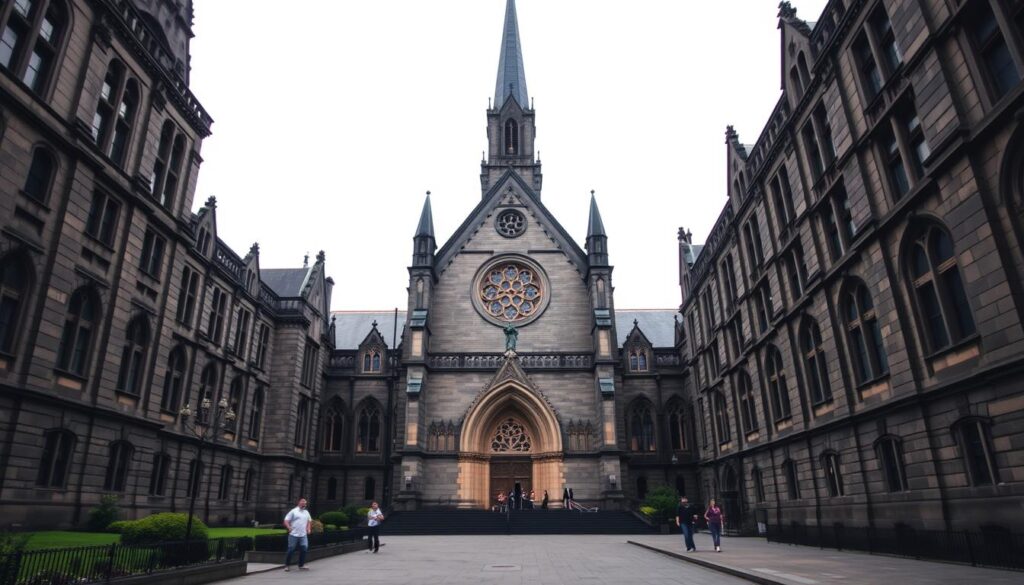
Insights from the Church of Scotland
The Church of Scotland connects people to nearby congregations through their online finder. Just type your postcode for instant information about local services and events. They’re actively training new leaders, ensuring every building maintains vibrant programming.
This denomination’s network spans centuries-old parishes and modern hubs. Some locations host traditional hymns and sermons, while others offer casual coffee-shop-style worship. Their commitment to evolving keeps spiritual life dynamic across generations.
Highlighting Glasgow Cathedral and Other Landmarks
Glasgow Cathedral remains Scotland’s oldest mainland cathedral, operating continuously for 800 years. Its stone arches now frame both Sunday services and tourist visits. Newer spaces like Glasgow Grace blend theology with urban outreach, proving sacred variety thrives here.
From Gothic revival structures to minimalist chapels, architectural styles tell unique stories. Many locations double as community centers—think food banks, concerts, or youth programs. This dual purpose makes each stop more than just a sightseeing moment.
Spiritual Landmarks and Community Engagement
Stone walls hold more than history in this vibrant city—they cradle beating hearts of neighborhood life. These sacred spaces pulse with energy through shared meals, volunteer projects, and laughter echoing in fellowship halls. Their impact stretches far beyond traditional worship hours, weaving faith into everyday connections.
Worship Services and Congregational Life
The Church of Scotland walks alongside families during life’s milestones. Clergy offer personalized support for baptisms, weddings, and memorials, blending ancient rituals with modern compassion. Priority Area teams anchor their work in underserved neighborhoods, proving faith thrives where need runs deep.
Groups like The Guild create spaces for spiritual growth across generations. Members explore service projects and Bible studies, strengthening their commitment through action. “We’re called to be hands and feet, not just listeners,” shares one volunteer coordinating meal deliveries.
Innovative models like Glasgow Grace reimagine congregation dynamics. Small Grace Communities foster tight-knit relationships through weekly potlucks and prayer circles. Larger Sunday Meetings unite these groups under one roof, balancing intimacy with collective celebration.
Historic buildings like Glasgow Cathedral double as cultural anchors. Jazz concerts fill vaulted ceilings, while art exhibits transform naves into galleries. These events invite everyone to experience sacred spaces as living, breathing parts of city life.
Visitor Information and Access Details
Stepping into these historic spaces feels like joining a warm conversation that’s been ongoing for centuries. Visitors will find thoughtful information to navigate services comfortably, whether attending for spiritual reflection or cultural curiosity.
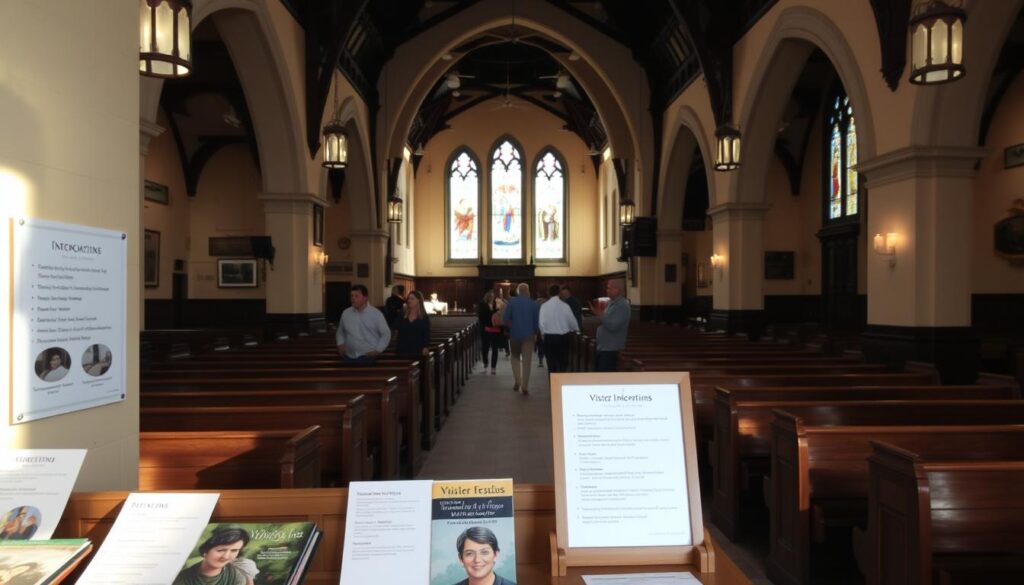
Service Etiquette and Practical Guidance
No dress code stress here—wear what makes you feel at ease. While jeans and sneakers work for most gatherings, some opt for smart casual looks during holiday events. Leaders emphasize authenticity over formality, stating, “Come as you are, not as you think you should be.”
Financial transparency shines bright. Attendance costs nothing, and there’s zero pressure to donate. Buildings prioritize accessibility with ramps, hearing loops, and seating for mobility needs. Service animals rest comfortably beside pews, welcomed as part of the congregation.
Families rejoice—kids aren’t just tolerated but celebrated. Activity packs and child-friendly zones let young ones engage at their level. Non-English speakers follow along through visual cues and translated booklets outlining the worship flow.
Newcomers appreciate service guides explaining each step, from hymns to prayers. After the final amen, many locations host coffee hours for casual chats. It’s common to hear laughter echoing as visitors ask questions and connect with regulars over tea.
Conclusion
Scotland’s spiritual legacy thrives where ancient stones meet modern purpose. These sacred spaces blend history with hands-on compassion, creating living bridges between past and present. You’ll discover communities singing centuries-old hymns beside food pantry volunteers—proof that faith remains vibrantly relevant.
Every church tells its own story through architecture and action. Some feature vaulted ceilings perfect for choral echoes, while others prioritize cozy corners for coffee-fueled conversations. What unites them? A commitment to serving neighbors through meals, counseling, and inclusive worship gatherings.
Visitors quickly notice these aren’t museums but buildings buzzing with life. From toddler playgroups to elder lunch clubs, they foster connections across generations. Whether you’re drawn to Gothic arches or acoustic guitar-led services, there’s space for your journey here.
Glasgow’s Protestant traditions keep evolving without losing their roots. They invite exploration—not as spectators, but as participants in a story still being written. Come curious, and you might leave with more than photos: perhaps new friends or fresh perspectives.
FAQ
What historical events shaped the city’s spiritual landmarks?
The Reformation in the 16th century deeply influenced Glasgow’s religious identity. Many buildings, like the iconic Glasgow Cathedral, reflect this era’s blend of medieval design and post-Reformation simplicity. Over centuries, congregations adapted spaces to meet evolving worship needs.
Which landmarks are must-see for visitors interested in faith history?
Glasgow Cathedral stands out as a masterpiece of Gothic architecture and a symbol of resilience. Other notable sites include St. Andrew’s in the Square and St. Vincent Street Church, each showcasing unique styles tied to Scotland’s spiritual journey. Guided tours often highlight their stories.
Are there family-friendly services or events available?
Yes! Many congregations host family-oriented worship sessions, youth programs, and seasonal festivals. The Church of Scotland, for example, offers Sunday schools and community gatherings that welcome visitors of all ages. Check local event calendars for details.
How can I attend a service at Glasgow Cathedral?
The cathedral holds regular services open to everyone. Visit their website for schedules, including traditional hymns and modern worship formats. Modest attire is appreciated, and guests are encouraged to arrive 10–15 minutes early for seating.
What role do these congregations play in the community today?
Beyond worship, many groups run food banks, charity drives, and cultural events. The Church of Scotland actively partners with local organizations to support vulnerable populations, fostering unity and compassion across the city.
Is photography allowed inside historic buildings?
Policies vary, but most sites permit non-flash photography for personal use. Always ask staff or check posted guidelines before capturing images. Some locations may restrict photography during services to respect attendees’ privacy.