Losing someone special is never easy, but celebrating their life and spiritual journey can bring comfort. Many Christian ceremonies focus on honoring a loved one‘s legacy while emphasizing hope through faith. These gatherings often blend heartfelt remembrance with joyful acknowledgment of their eternal peace.
Modern services balance time-honored traditions with personal touches. Families might include favorite hymns, meaningful scriptures, or shared stories that reflect their relative’s values. This flexibility allows each tribute to feel authentic while maintaining its spiritual foundation.
Newcomers often appreciate the warm embrace of these communities. The focus remains on collective support rather than strict customs, making it easier for all attendees to participate. Whether through prayers, music, or quiet reflection, every element aims to uplift those grieving.
Key Takeaways
- Services emphasize celebrating life and spiritual beliefs over mourning
- Personalized elements help create meaningful tributes
- Traditional practices adapt to modern family needs
- Communities provide supportive environments for healing
- Understanding service structure reduces attendee anxiety
Understanding the Protestant Funeral Tradition
At the heart of these services lies a spiritual perspective shaped by centuries of religious thought. Core beliefs about grace and eternal life create a framework focused on hope rather than sorrow. This approach reflects the conviction that divine mercy, not human actions, determines one’s spiritual destiny.
Key Beliefs and Customs
Central to these gatherings is the idea that salvation comes through faith alone. Unlike other Christian traditions, there’s no emphasis on earning favor through good deeds or fearing purification after death. Instead, services highlight scripture readings and uplifting hymns that affirm the deceased’s reunion with God.
Historical Evolution from the Reformation
Martin Luther’s teachings in the 16th century revolutionized how communities approached loss. He rejected elaborate rituals, stating that only baptism and communion held sacramental value. This shift removed prayers for the departed, trusting wholly in God’s plan without human intervention.
John Calvin later reinforced the soul’s immortality, assuring believers of their eternal connection to the divine. These reforms simplified ceremonies, focusing on collective support and shared worship. Today’s practices still echo this legacy, blending reverence with quiet confidence in heavenly peace.
Planning a Protestant Funeral Service
Creating a heartfelt tribute begins with thoughtful preparation that honors unique life stories. Modern memorial events blend spiritual foundations with creative freedom, letting families craft experiences that truly reflect their loved one’s character.
Choosing the Right Venue
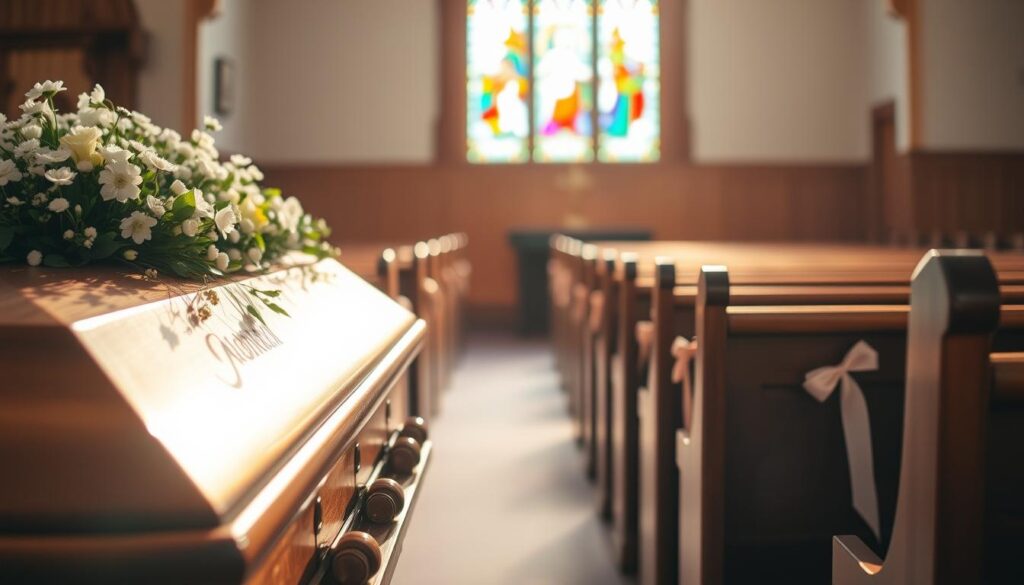
Traditional church settings remain popular, but many opt for meaningful locations like parks or lakeshores. One family recently held a riverside ceremony where their father taught grandchildren to fish. These special places create lasting connections between the service and cherished memories.
Personalizing the Service Details
From favorite flowers to custom playlists, personal touches transform standard programs into authentic celebrations. Consider these ideas:
- Display hobby-related items like gardening tools or sports memorabilia
- Share handwritten notes in program booklets
- Use signature colors in floral arrangements
Involving Family and Friends in the Process
Encourage loved ones to contribute through music, readings, or memory-sharing activities. A minister might guide the structure while relatives handle personal tributes. This collaborative approach helps communities heal together while honoring individual relationships.
“Let the service tell their story – not just through words, but through the spaces they loved and the people they cherished.”
Components of a Typical Protestant Funeral
Memorial gatherings in Christian traditions follow a meaningful three-part structure. Each phase helps families honor their loved one while receiving community support. These moments blend formal customs with personal touches that reflect individual stories.

Visitation, Viewing, and Wake Services
The visitation often occurs the day before the main event. Friends gather at a funeral home or meaningful location to share memories near the casket. This informal time lets attendees offer comfort through quiet conversations or gentle embraces.
The Ceremony and Eulogies
Central services usually happen within three days. An ordained leader guides prayers and scripture readings while family members deliver heartfelt tributes. Multiple eulogies highlight different aspects of the person’s life, from career achievements to backyard barbecue skills.
Post-Service Traditions
After the ceremony, attendees often travel to a cemetery for brief committal prayers. Many families now choose cremation, storing ashes in keepsake urns or scattering them in special places. Others prefer traditional ground burial with engraved headstones.
| Burial Option | Key Features | Common Locations |
|---|---|---|
| Ground Burial | Uses casket | Family cemetery plots |
| Cremation | Ash storage options | Memorial gardens |
| Natural Burial | Eco-friendly materials | Conservation parks |
Shared meals frequently follow these events, letting communities bond over cherished stories. These gatherings transform grief into collective celebration, honoring lives well-lived through laughter and quiet reflection.
Key Aspects of a Protestant Funeral
Understanding what happens during these ceremonies helps attendees participate meaningfully. Services balance spiritual traditions with personal touches that honor individual lives. Warm welcomes and shared participation create spaces where healing begins through collective remembrance.
Expectations During the Service
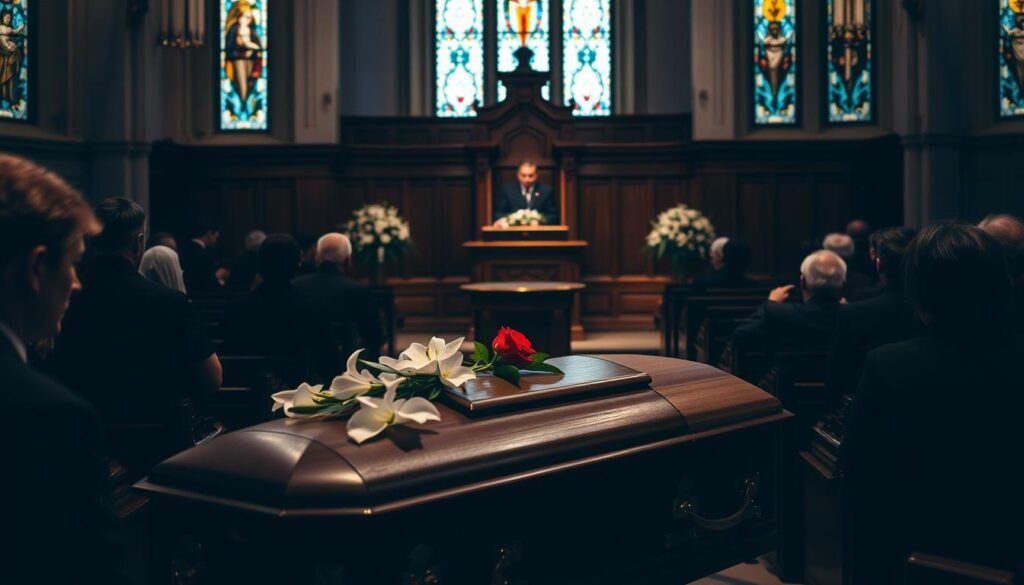
Attendees often find comfort in singing familiar hymns that celebrate hope. Many services include responsive readings where everyone voices affirmations of faith together. A minister typically shares messages connecting the loved one‘s life to timeless spiritual truths.
Family members might deliver heartfelt eulogies highlighting personal stories. Some gatherings feature quiet moments for private reflection or written tributes. These elements help guests feel actively involved in honoring the deceased while supporting grieving relatives.
Unique Customs and Prayers Observed
Modern adaptations include open microphone sessions where family friends share spontaneous memories. Customized prayers often reference the person’s favorite scriptures or life philosophy. One recent service included a “memory wall” where guests pinned handwritten notes beside vacation photos.
| Tradition | Modern Adaptation | Purpose |
|---|---|---|
| Hymn Singing | Personalized Playlists | Community Bonding |
| Scripture Reading | Life-Themed Verses | Personal Connection |
| Formal Eulogy | Group Story Sharing | Collective Healing |
Post-service meals frequently become joyful celebrations of life. These informal gatherings let communities share stories over favorite dishes of the loved one. Laughter and tears blend naturally as people affirm lasting legacies through simple togetherness.
Conclusion
Honoring a loved one’s journey becomes easier when ceremonies reflect their unique story. Christian memorial traditions provide a flexible framework where faith and personal touches coexist beautifully. Families often find healing through shared stories, favorite hymns, and gatherings that celebrate lasting legacies.
These services adapt seamlessly to modern needs while maintaining spiritual roots. Whether choosing traditional burial or cremation, families can design tributes that feel authentic. Meaningful locations – from quiet chapels to sunny meadows – add depth to farewells that truly resonate.
The focus remains on uplifting communities through collective support. Friends and relatives bond over cherished memories, transforming grief into moments of connection. This approach fosters environments where laughter and tears blend naturally, honoring lives well-lived.
By understanding these customs, attendees participate with confidence and warmth. Every element – from scripture readings to custom playlists – creates space for both reflection and celebration. Such gatherings remind us that hope shines brightest when shared.
FAQ
What should I expect during a typical service?
Services often include prayers, hymns, scripture readings, and a eulogy. Family and friends may share memories, and the minister or pastor will focus on celebrating the life and faith of the loved one. Attendees are encouraged to participate respectfully.
How can families personalize the ceremony?
Loved ones might display photos, play meaningful music, or read favorite Bible verses. Some choose to include a memory table or share stories during the service. Ministers often work closely with families to honor unique traditions or requests.
Are there differences between denominations?
While core beliefs about resurrection and hope remain consistent, practices like communion or specific prayers may vary. For example, Methodist and Baptist services might have slight differences in structure. Always ask the officiant about specific customs.
Can cremation be part of these traditions?
Yes, many modern services incorporate cremation. The ashes might be buried in a cemetery, placed in a columbarium, or scattered in a meaningful location. The focus remains on honoring the person’s life and legacy.
What role do friends play in the process?
Close companions often assist with organizing meals, sharing memories during the ceremony, or helping with logistics like seating. Some churches have dedicated groups to support families with planning and post-service gatherings.
How long do services usually last?
Most ceremonies run 45–90 minutes, including time for visitation or a reception afterward. Burial or committal services at the gravesite typically add another 20–30 minutes, depending on travel time.
Are children welcome to attend?
Families generally decide based on their comfort level. Many services include younger relatives, and some churches provide quiet activity kits to help kids participate respectfully during the gathering.
What’s appropriate attire for attendees?
Modest, respectful clothing in darker colors is common. Some families may request specific themes, like wearing bright hues to celebrate a vibrant life. When unsure, ask the family or check the church’s guidelines.