Discover a story of spiritual resilience often overshadowed by Russia’s dominant religious landscape. While the Orthodox Church holds cultural prominence, smaller faith groups have carved unique paths through centuries of change. Among them, Protestant believers stand out as some of the nation’s most devoted practitioners.
These vibrant communities trace their roots to multiple waves of spiritual renewal. Most modern adherents belong to groups like Baptists, Pentecostals, and Adventists – denominations that blended Western theology with local traditions. Their ability to adapt while preserving core beliefs created a distinctive spiritual identity.
Despite facing historical challenges, these groups thrived through creativity and commitment. Early 2010s estimates suggest over 1.5 million members actively shaping their neighborhoods through outreach and service. Their journey reveals much about religious freedom and cultural coexistence in complex societies.
Key Takeaways
- Russia hosts diverse Protestant groups with 1.5 million active members
- Major denominations include Baptists, Pentecostals, and Seventh-day Adventists
- Communities balance Western theology with Russian cultural influences
- High levels of religious engagement despite minority status
- Historical adaptability key to survival through political changes
Historical Overview of Protestantism in Russia
Foreign merchants and artisans brought unexpected religious diversity to Russia’s urban centers long before modern denominations formed. Western European traders established the first non-Orthodox Christian congregations near the Kremlin walls during Ivan the Terrible’s reign.
From Foreign Chapels to Local Congregations
German-speaking Lutherans built Moscow’s first Protestant churches in the 1500s. These communities served diplomats and craftsmen from Scandinavia and Central Europe. By 1700, Dutch Reformed services echoed through St. Petersburg’s merchant districts.
Catherine the Great’s 1763 manifesto dramatically changed the religious landscape. Thousands of German families settled the Volga region, bringing:
- Mennonite farming collectives
- Lutheran parish schools
- Reformed church governance models
Unexpected Growth Before 1917
Indigenous Baptist groups emerged separately across the empire between 1860-1880. Ukrainian peasants, Caucasian intellectuals, and St. Petersburg workers developed distinct worship styles while sharing core Baptist principles.
| Denomination | Origin Period | Key Settlers | Regions |
|---|---|---|---|
| Lutheran | 16th Century | German Merchants | Moscow |
| Reformed | 17th Century | Dutch Traders | St. Petersburg |
| Baptist | 19th Century | Local Converts | Ukraine/Caucasus |
By 1897, census records showed over 3 million people identifying with non-Orthodox Christian groups. This spiritual diversity laid foundations for today’s multi-denominational landscape.
Key Waves and Shifts in Russian Protestant Trends
The story of spiritual movements often mirrors a nation’s heartbeat, revealing patterns of resistance and renewal. Nowhere does this ring truer than in the development of Pentecostal communities, whose growth charts a course through repression and remarkable rebounds.
Three Waves of Pentecostalism
Pentecostalism arrived through three distinct phases. The first wave crashed ashore in the 1900s with fiery sermons about spiritual gifts. By the 1960s, a second wave brought charismatic practices into mainstream churches. The 1970s’ third wave blended evangelism with pop culture, creating what one historian called “rock music with a redemption message”.
These movements crystallized into three main branches by the 1990s:
| Branch | Approach | Membership |
|---|---|---|
| Traditional | Strict adherence to early teachings | 35% |
| Moderate | Modernized worship styles | 45% |
| New | Media-driven outreach | 20% |
Impact of the Soviet Era and Revival
The 1920s offered brief breathing space for religious organizations, but Stalin’s purges soon shattered church structures. Remarkably, baptized members grew from 250,000 to 540,000 between 1946-1958 despite persecution. Wartime hardships oddly strengthened communal bonds, with many finding hope amid chaos.
Post-Soviet freedom brought both opportunities and tensions. While some groups embraced Western partnerships, others developed distinctly local flavors. This adaptive spirit helped communities navigate changing relationships with Russian Orthodox neighbors and state authorities alike.
Community Impact and Expansion of protestantism in russia
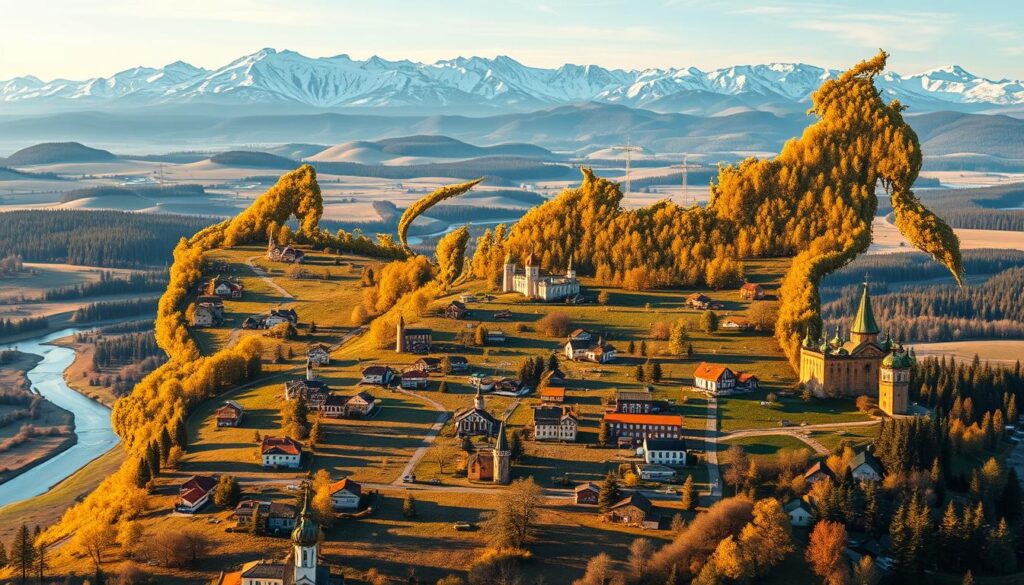
From the Arctic Circle to the Black Sea coast, faith communities developed unique ways to connect with local populations. Their growth patterns reveal surprising geographic logic – areas with limited traditional religious ties often welcomed new spiritual approaches most readily.
Regional Distribution and the Role of Missionaries
Siberian towns and Far Eastern ports became unexpected strongholds. Korean missionaries found receptive audiences here, blending Bible studies with practical aid programs. Their success stemmed from addressing two critical needs:
- Spiritual guidance in regions with scarce churches
- Community support during economic transitions
Formation of Diverse Denominations
Three main groups dominate Russia’s spiritual landscape today. Baptist congregations thrive in industrial cities, while Adventist communities flourish near border regions. Pentecostal groups show remarkable adaptability, splitting into traditional and modern branches.
| Denomination | Members | Primary Regions | Key Demographics |
|---|---|---|---|
| Baptist | 500,000 | Urals, Volga | 48% blue-collar workers |
| Pentecostal | 300,000 | Siberia, Cities | 30% professionals |
| Adventist | 90,000 | Far East | 19% students |
Protestant churches show fascinating gender dynamics, with 70% of members being women. This imbalance shapes outreach strategies across denominations, from family-focused programs to youth mentorship initiatives. Their ability to adapt while maintaining core beliefs helps these groups thrive across 11 time zones.
Cultural Adaptations and Interfaith Relations
Navigating religious coexistence in a land of deep traditions presents unique challenges and opportunities. Minority faith groups often walk a tightrope between preserving their identity and respecting established norms. This delicate dance shapes interactions across Russia’s spiritual spectrum.
Interactions with Russian Orthodox and Other Faiths
Many groups blend elements from the Orthodox Church into their practices. Some incorporate traditional icons or use Slavic musical styles during worship. “We’re building an Evangelical Russia that honors our roots,” explains a Moscow pastor.
Three main strategies help bridge cultural gaps:
| Approach | Methods | Outcomes |
|---|---|---|
| Cultural Integration | Adopting local holidays | 25% acceptance boost |
| Social Outreach | Food banks, rehab programs | 40+ joint projects |
| Theological Dialogue | Interfaith councils | 15 regional partnerships |
The Moscow Patriarchate remains cautious about these efforts. A 2018 survey revealed 62% of Orthodox leaders view non-traditional groups as cultural threats. Yet shared community projects in Siberia show promising cooperation models.
“True faith heals divisions – we focus on serving neighbors, not debates about doctrine.”
Youth initiatives particularly succeed in building bridges. Summer camps and music festivals create spaces where majority and minority traditions interact organically. These efforts help reshape perceptions while maintaining distinct identities.
Government Policies and Legal Challenges for Protestants
Modern faith communities face evolving legal landscapes that test their resilience. New regulations since 2007 have reshaped how groups operate, blending security concerns with religious freedom debates. The changes reveal much about balancing state interests with minority rights.
Legislative Restrictions and the Yarovaya Law
The 2007 NGO law forced churches to register as organizations with strict oversight. Leaders now track attendance and report foreign donations – rules many found intrusive. “We became accountants instead of pastors,” shared one Moscow minister anonymously.
2016 brought tighter controls through anti-terrorism measures. The Yarovaya package banned sharing faith in homes or online without state permits. Violators risk fines up to $15,000 – crippling for smaller congregations.
Responses from Local and International Institutions
Human rights groups worldwide condemned the laws. The U.S. Commission called them “a hammer against peaceful worship.” Yet some communities adapted creatively:
- Bible studies became “cultural exchanges”
- Outreach shifted to private social media groups
- Churches partnered with registered charities
| Law | Key Requirements | Impact | Compliance Challenges |
|---|---|---|---|
| 2007 NGO Law | Registration, financial reports | 30% membership drop | Small church paperwork |
| 2016 Yarovaya | No home worship | 58% activity reduction | Digital monitoring |
Current tensions with neighboring countries add complexity. Some officials link foreign-linked churches to geopolitical issues, creating new hurdles for cross-border collaborations. Despite this, many groups maintain hope through quiet service and legal advocacy.
Missionary Work and Religious Education
In remote corners of the country, creative evangelism meets cultural curiosity. Missionaries have become cultural translators, blending ancient traditions with modern outreach methods. Their work often starts with practical aid – medical clinics or language classes – before introducing spiritual teachings.
Influence of Missionary Expeditions
Korean missionaries transformed Siberia’s spiritual map through churches that respect local customs. In Buryatia and Altai, 9 out of 10 members belong to indigenous groups. “We learned to sing folk melodies before teaching hymns,” shares a Seoul-born pastor.
The 2007 bicycle expedition by Baptist religious groups showed both determination and resistance. Pedaling 1,200 miles, teams faced:
- Police questioning in 6 regions
- Confiscated literature in Volgograd
- Unofficial bans on public gatherings
Local authorities often view foreign-linked groups cautiously. A regional official admitted anonymously: “We track any activity that might upset community balance.” Despite this, creative approaches thrive – one church near Lake Baikal runs a popular reindeer husbandry workshop alongside Bible studies.
“Our bicycles carried Bibles and building supplies – faith and service rolled together.”
Recent government policies push missionaries toward subtle methods. Many now train local people as lay leaders, creating self-sustaining communities. This shift helps ensure spiritual continuity even when foreign forces face entry restrictions.
Social and Economic Contributions of Protestant Communities
Beyond Sunday services, faith-based groups quietly reshape neighborhoods through practical compassion. Their work addresses urgent social needs while building bridges across cultural divides.
Healing Through Shared Purpose
Addiction recovery programs stand out as life-changing initiatives. Over 70% of communities run rehabilitation centers blending spiritual guidance with job training. The Iskhod movement, born from these efforts, now supports 90 churches nationwide.
Creative approaches help navigate strict law requirements. Many churches partner with secular NGOs to deliver:
- Vocational workshops in high-unemployment regions
- Multilingual support for migrant workers
- After-school programs serving 15,000+ youth annually
These initiatives foster unexpected partnerships. A Siberian church recently collaborated with Russian Orthodox volunteers on a food bank network. Such cooperation shows how shared service can transcend doctrinal differences.
Through quiet dedication, these groups prove faith’s power to heal bodies and communities alike. Their model offers hope for building inclusive societies – one transformed life at a time.
FAQ
How did Protestantism first arrive in the country?
Early Protestant movements entered through trade and migration in the 16th century. German Lutherans and Dutch Reformed communities settled in regions like St. Petersburg, influencing local religious practices.
What role did the Soviet era play in shaping these communities?
Soviet policies suppressed all faiths, forcing many groups underground. Despite persecution, networks like Baptists and Pentecostals preserved traditions through secret gatherings, leading to a post-Soviet revival.
How do local denominations interact with the Russian Orthodox Church?
Relations are often strained due to the Orthodox Church’s close ties to the state. Groups like the Good News Church face scrutiny, though some interfaith dialogues occur at grassroots levels.
What legal challenges do these groups face today?
Laws like the 2016 Yarovaya Law restrict missionary activities and require permits for preaching. Smaller congregations, especially in regions like Siberia, struggle to comply with strict regulations.
How have missionary efforts influenced growth?
Missionaries from the U.S. and Europe supported Bible translations and training in the 1990s. Today, local leaders focus on social programs, such as addiction recovery, to build community trust.
What social initiatives are led by these communities?
Many run food banks, shelters, and rehabilitation centers. The Pentecostal Church, for example, partners with NGOs to aid vulnerable populations, blending faith with practical support.
Are there regions where these faiths thrive more than others?
Urban centers like Moscow and rural areas in the Far East show higher activity. Ethnic minority regions, such as Tatarstan, also host diverse congregations due to cultural openness.
How has the Ukraine conflict impacted religious freedom?
Tensions have led to increased state oversight, with some churches accused of “foreign influence.” International bodies like the WCC criticize these measures as suppressing minority voices.