How does a 500-year-old religious movement stay relevant in our fast-paced world? The answer lies in its ability to balance tradition with modern realities. Representing roughly one in ten people globally, this branch of Christianity maintains a unique dual identity—both as a spiritual witness and a force for change.
The term “Protestant” traces back to 16th-century Germany, where reformers protested religious practices they saw as flawed. Today, this protest-and-witness spirit continues. Communities worldwide adapt core beliefs to local cultures while keeping foundational principles intact.
From South Korean megachurches to underground congregations in restricted nations, expressions of this faith vary widely. Nearly 40% of all Christians now identify with Protestant traditions. This growth reflects its ability to address contemporary issues while preserving historical roots.
Key Takeaways
- Protestant traditions influence 10-12% of the global population
- Originated from 16th-century reforms emphasizing spiritual authenticity
- Combines historical roots with modern cultural adaptations
- Present in every nation through visible and discreet communities
- Shapes social values and personal beliefs across diverse societies
Modern Trends in Protestantism
Modern believers are reshaping religious practices in unexpected ways. A 2017 Pew Research study shows fascinating changes in how people interpret core teachings. Nearly half of U.S. Protestants now blend personal faith with community-driven actions—a shift from earlier emphases on belief alone.
Shifts in Belief and Practice
The survey reveals a 52% majority think good deeds and faith together secure salvation. Only 46% strictly follow the Reformation-era “faith alone” principle. This mirrors changing views on spiritual authority—52% value church guidance alongside the Bible.
Evolving Perspectives from Historical Roots
These trends don’t erase history. Many communities creatively merge old and new ways of worship. For example, some churches pair traditional hymns with digital outreach programs. Others reinterpret scripture through modern social justice lenses.
Time-tested ideas now coexist with fresh approaches. This balance keeps spiritual traditions alive while addressing current needs. As one pastor noted, “We’re not abandoning our roots—we’re watering them in new soil.”
Historical Foundations and the Reformation Legacy
The seismic shifts of the 16th century reshaped Christianity forever. At the heart of this transformation stood a German monk whose bold actions sparked a spiritual revolution. His ideas would ripple across continents and centuries, laying groundwork for modern faith practices.
Martin Luther’s Impact and Early Reformers
When Martin Luther nailed his 95 Theses in 1517, he challenged more than church corruption. He ignited a wildfire of religious reform. Other Protestant reformers like Calvin and Zwingli joined this movement, each adding unique perspectives to the growing call for change.
Luther’s translation of the Bible into German empowered ordinary people. Suddenly, scripture wasn’t locked behind Latin texts or priestly interpretation. This shift in religious authority became a cornerstone of Protestant identity.
The Role of Sola Fide and Sola Scriptura
Two Latin phrases defined the Reformation’s core. Sola fide (“faith alone”) declared that salvation comes through trust in God, not rituals. Sola scriptura (“scripture alone”) made the Bible the ultimate guide, replacing church traditions.
These principles didn’t just reform theology—they reshaped societies. The emphasis on personal study fueled literacy rates. Congregational singing democratized worship. The history of this period shows how ideas can alter civilizations.
As one scholar observed, “Luther’s hammer strikes still echo in modern churches.” From Bible study groups to faith-based activism, the Reformation’s legacy lives through believers who champion personal conviction and accessible spirituality.
Survey Insights: U.S. Protestant Beliefs
What do modern surveys reveal about religious convictions in America? Recent studies show a complex landscape where historical doctrines meet evolving perspectives. Nearly 7 in 10 white evangelicals uphold traditional views, while other groups blend ideas from multiple traditions.
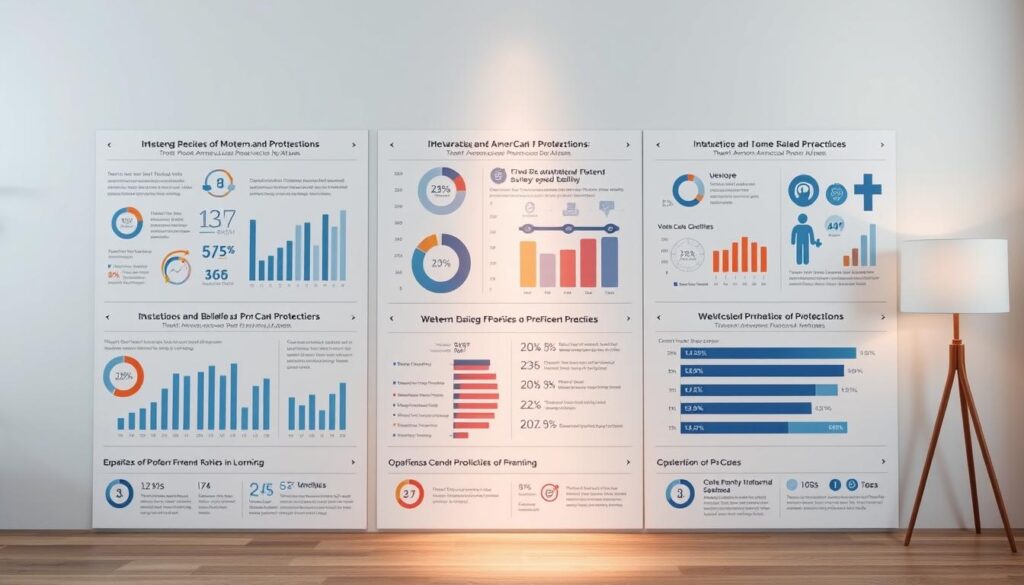
Key Findings from Recent U.S. Surveys
Data from comprehensive belief studies highlights striking contrasts. White evangelicals lead in adherence to Reformation principles:
| Belief | White Evangelicals | Mainline Protestants |
|---|---|---|
| Salvation through faith alone | 67% | 32% |
| Bible as sole authority | 58% | 27% |
| Both principles combined | 44% | 14% |
Open-ended questions about eternal life reveal deeper divides. When asked what determines entry to heaven, 46% of Christians emphasized actions compared to 43% prioritizing beliefs.
Divergences Between Evangelical and Mainline Views
Mainline communities show greater flexibility in interpreting salvation. Many incorporate elements like social justice work or moral behavior into their spiritual framework. This contrasts with evangelicals’ focus on personal relationships with God as the primary path to redemption.
Survey methods also influence responses. Structured questions about faith alone yield different results than open discussions about spiritual requirements. As one researcher noted, “How we ask the question shapes what truths people reveal.”
Political Influences on American Protestant Identity
Religious freedom isn’t just a right—it’s the bedrock of America’s spiritual-political landscape. This principle grew from early Protestant efforts to separate divine authority from government control while maintaining ethical governance.
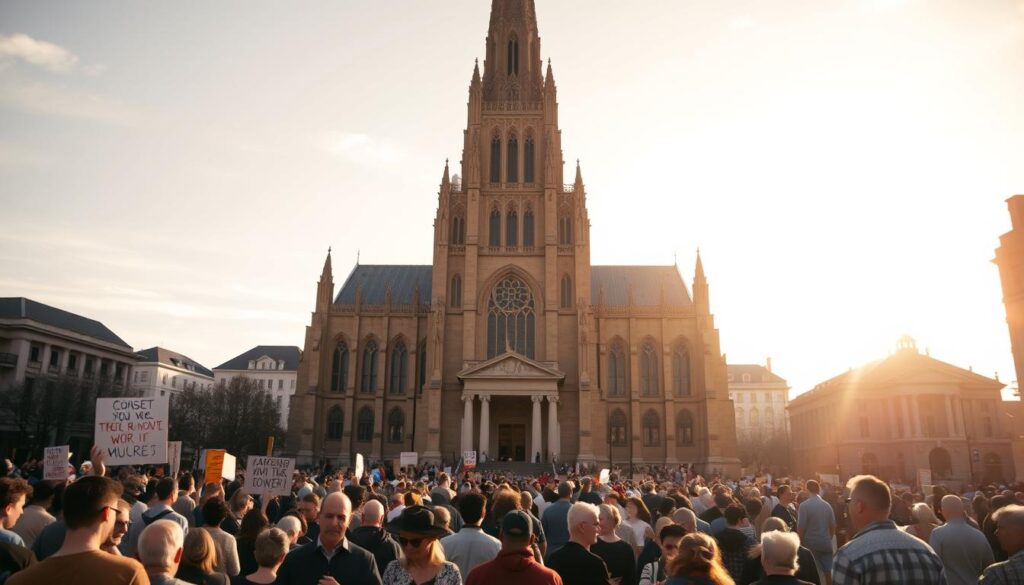
Church and State: Historical Interplay
Colonial Protestants reshaped governance by demanding conscience rights. The revised Westminster Confession (1788) declared governments must “protect all Christian churches” without favoritism. This framework allowed diverse groups to coexist while preserving moral foundations.
Key historical phases show evolving approaches:
| Era | Church-State Approach | Impact |
|---|---|---|
| 1600s | Colonial religious settlements | Localized faith governance |
| 1789 | First Amendment ratification | Federal protection for all beliefs |
| 2020s | Modern advocacy efforts | Balancing LGBTQ+ rights with conscience protections |
The Role of Religious Freedom in Shaping Beliefs
Protestant-led freedom movements created space for minority faiths. As Baptist leader Roger Williams argued, “Forced worship stinks in God’s nostrils.” This ethos helped shape laws protecting both personal conviction and community welfare.
Modern churches continue this legacy through:
- Legal challenges protecting worship spaces
- Interfaith coalitions addressing poverty
- Youth programs combining civic education with spiritual growth
By championing religious freedom for all, Protestant communities maintain their prophetic voice while fostering inclusive democracy. This balance remains their most enduring political contribution.
Global Impact and the Expanding Reach of Protestantism
From bustling cities to remote villages, spiritual communities bearing the Reformation’s legacy now span every corner of our planet. Protestant churches operate in all 199 countries—flourishing in 28 majority nations while thriving within 171 others as minority communities. This growth defies simple patterns, shrinking in historic strongholds while exploding across three continents.
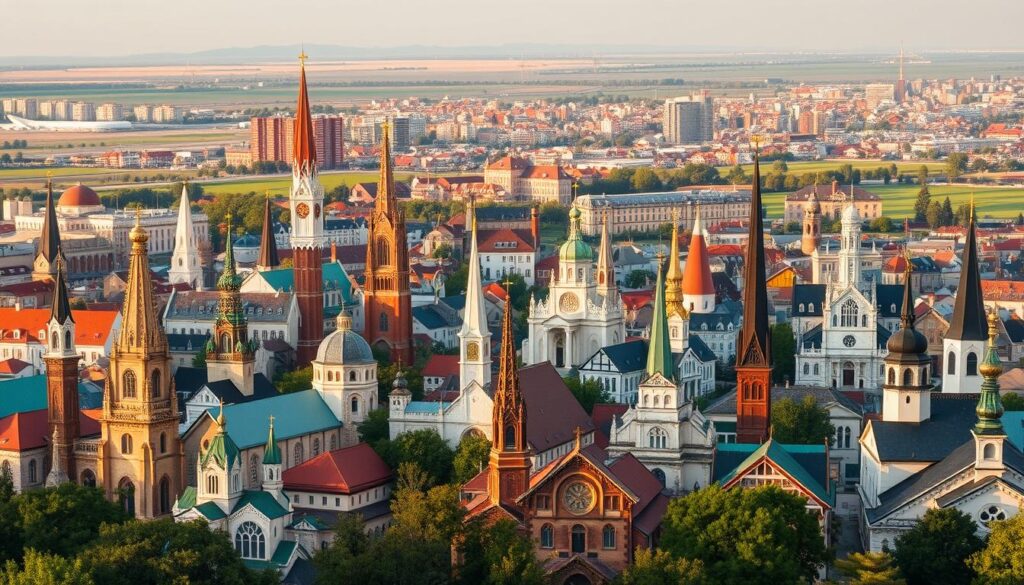
Trends in Non-Western Nations
Asia and Africa host the most dramatic transformations. China’s underground churches multiplied after 1976, with some estimates suggesting 100 million believers. “Our faith grew like bamboo after rain,” shares Li Wei, a Beijing pastor. “The harder they tried to uproot us, the deeper our spiritual roots spread.”
South Korean megachurches blend traditional ancestor veneration with contemporary worship. Nigerian congregations mix Yoruba drumming with Baptist hymns. These adaptations show how global religions maintain core beliefs while embracing local flavors.
Consider these growth hotspots:
- Brazil’s Pentecostal movement adding 1 million members yearly
- Ethiopian Lutherans developing unique communion practices
- Indonesian house churches using gamelan music in services
This expansion reshapes Christian denominations worldwide. Over 60% of Protestant adherents now live outside Europe and North America. As leadership shifts southward, new theological voices emerge—African scholars rethinking poverty, Asian thinkers blending Confucian values with scripture.
The world watches as these vibrant communities redefine what it means to keep ancient faith alive in modern contexts. Their success lies not in rejecting culture, but in transforming it from within.
Interfaith Dynamics: Comparing Protestantism with Other Traditions
Bridges between faiths grow stronger where walls once stood. A surprising 65% of Catholics and 57% of Protestants now see their religions as cousins rather than rivals. Seven in ten Protestants correctly link their origins to the Reformation split from the Roman Catholic Church—proof that historical awareness fuels modern understanding.
Common Ground and Diverging Doctrines
Shared beliefs form sturdy foundations for dialogue. Over half of Christians highlight identical core truths: 20% emphasize belief in one God, while 18% point to Jesus Christ’s central role. “We’ve moved from shouting matches to coffee chats,” notes Reverend Sarah Kim, a Methodist interfaith coordinator. “Our views on communion still differ, but we don’t let that silence our shared call to serve.”
Modern partnerships tackle big issues together. The Catholic Church and Protestant groups jointly run 37% of U.S. food banks. They’ve also created interdenominational programs combating homelessness. Yet theological distinctions remain—like varying approaches to spiritual authority and sacraments.
Beyond Christian circles, new dialogues blossom. Buddhist-Protestant meditation retreats and Muslim-Christian study groups show how religions learn from others. The World Council of Churches recently partnered with Hindu leaders on climate projects. As Pastor Mark Williams observes, “We’re not blending faiths—we’re comparing notes to better love our neighbors.”
Historical tensions still surface, but cooperation outweighs conflict. The Roman Catholic-Protestant divide narrows yearly, with joint worship events attracting 2 million participants globally in 2022. While the Catholic Church and Protestant others maintain unique practices, their overlapping moral compasses now guide collaborative change.
Analyzing “protestantism today”: Trends and Future Outlook
Five centuries after sparking religious revolution, this faith tradition keeps rewriting its playbook. Beyond its 10% global following, its cultural footprint shines through three universal markers: the world’s most translated book (the Bible), most confessed creed (Jesus as Lord), and most sung chorus (“Hallelujah”).
Emerging Movements and Global Renewal
The term “Protestant” now signals more than historical reform—it’s become a living series of spiritual experiments. From Nairobi to Nashville, communities blend ancient rituals with TikTok discipleship programs. Street murals reinterpret scripture, while podcasts make theology accessible during commutes.
This renewal draws from surprising sources: tech innovators collaborate with seminary professors, and climate activists partner with urban churches. Young leaders reimagine the word “witness” to include environmental stewardship and racial reconciliation.
As a vital part of global Christianity, these movements prove adaptability fuels longevity. The future looks brightest where communities honor core beliefs while embracing fresh ways to serve. Like the Reformation itself, modern Protestantism thrives when conviction meets cultural creativity.
FAQ
How have Protestant beliefs shifted in modern times?
Many groups now blend traditional teachings with contemporary social issues, like inclusivity and environmental stewardship. While core ideas like sola fide (faith alone) remain, practices often adapt to cultural changes and younger generations’ values.
Why is Martin Luther still important today?
Luther’s emphasis on Scripture as the ultimate authority and salvation through grace reshaped Christianity. His critiques of institutional power still inspire movements advocating transparency and personal spiritual growth within churches.
What do surveys say about U.S. Protestant views on salvation?
Recent studies show evangelicals prioritize personal conversion, while mainline groups lean toward social justice as part of faith. Both value Jesus’ teachings but differ on how to apply them in daily life.
How does religious freedom shape American Protestant identity?
Debates over church-state separation influence how believers engage politically. Many see religious liberty as a core right, driving activism on issues like education, healthcare, and moral legislation.
Where is Protestantism growing fastest globally?
Regions like Africa, Latin America, and Asia are experiencing rapid growth. Local leadership and culturally rooted worship styles fuel this expansion, often blending traditional hymns with indigenous music.
How do Protestants view other religions like Catholicism or Islam?
While affirming shared values like compassion, Protestants often stress doctrinal differences—such as the role of saints or the authority of the Pope. Interfaith dialogue focuses on collaboration while upholding distinct beliefs.
Are new movements changing Protestantism’s future?
Yes! Networks focused on racial reconciliation, digital ministry, and house churches are gaining traction. These trends reflect a shift toward decentralized, community-driven faith experiences worldwide.