Nestled in Irmo, South Carolina, a vibrant spiritual hub stands as a testament to faith and community. This 120,000-square-foot facility blends timeless values with modern design, creating spaces that foster connection and growth. Its two-story brick structure, accented with pre-cast details, houses classrooms, offices, and flexible gathering areas designed for meaningful interactions.
Since its founding, this organization has prioritized innovative worship experiences alongside community outreach. Advanced audio-visual systems and thoughtful space planning ensure every service resonates deeply with attendees. The campus’s layout supports both large gatherings and intimate group studies, reflecting a commitment to diverse spiritual needs.
Strategic planning played a key role in bringing this vision to life. Leaders utilized a Guaranteed Maximum Price contract during pre-construction, balancing budgetary responsibility with architectural ambition. This approach allowed for seamless integration of technology while maintaining focus on the core mission: inspiring lives through faith.
Key Takeaways
- 120,000-square-foot South Carolina campus designed for spiritual engagement
- Modern worship technology enhances congregational experiences
- Flexible spaces accommodate services, classes, and community events
- Pre-construction planning ensured cost-effective project execution
- Architectural design supports both tradition and innovation
Case Study: riverland hills baptist church – A Historic Transition
When existing facilities could no longer accommodate its thriving community, leaders envisioned a new home blending natural beauty with modern functionality. The relocation to a 50-acre wooded property marked a strategic shift toward sustainable growth while honoring timeless traditions.
Purpose and Vision Behind the Move
The decision to expand stemmed from a dual focus: enhancing worship experiences and broadening community support. Leaders sought a layout that encouraged connection—both with faith and nature. A central courtyard became the heart of the plan, surrounded by flexible spaces for gatherings and learning.
| Feature | Previous Location | New Campus |
|---|---|---|
| Land Size | Limited urban area | 50-acre wooded site |
| Worship Capacity | Single sanctuary | Multi-use space + outdoor options |
| Educational Spaces | 8 classrooms | Dedicated music suite + 20 learning areas |
Growth and Expanding Ministries
The upgraded campus supports diverse programs, from youth initiatives to food drives. A modern fellowship hall hosts community dinners, while soundproof practice rooms empower music ministries. This intentional design philosophy allows simultaneous events without disrupting serene prayer areas.
By prioritizing both spiritual and practical needs, the organization strengthened its outreach. The wooded setting provides peaceful walking paths, inviting neighbors to explore the grounds—a physical reminder of their open-door mission.
Master Planning and Architectural Excellence
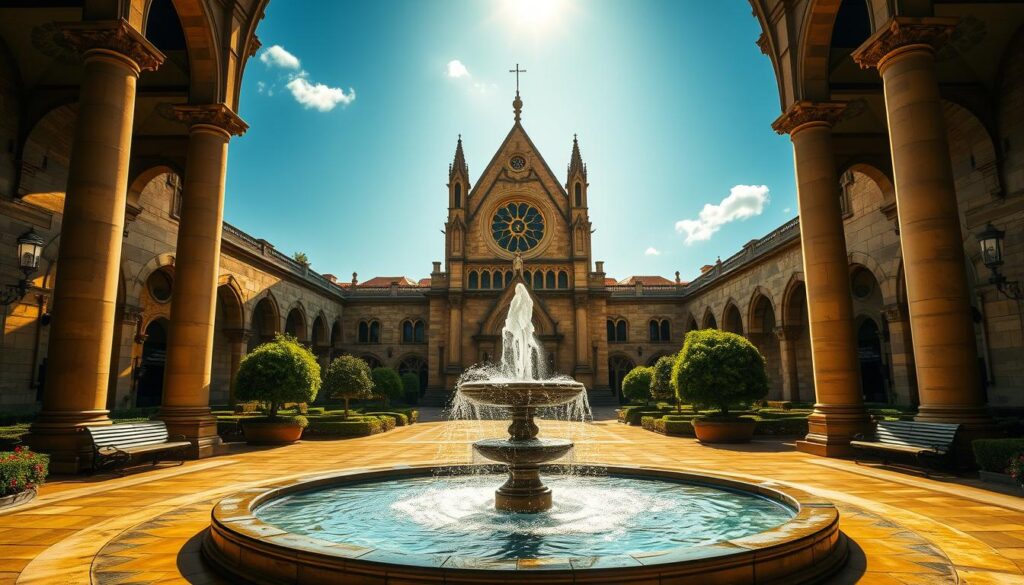
Strategic vision transformed wooded acreage into a spiritual campus where form follows function. The blueprint centered on creating harmony between built environments and natural surroundings. At its core, a sunlit courtyard serves as the community’s crossroads—linking worship, learning, and fellowship spaces.
Innovative Campus Layout and Courtyard Concept
The courtyard acts as both compass and connector. Encircled by arched walkways, it provides sheltered access to all major areas while framing views of mature trees. This central gathering space doubles as an outdoor classroom during mild weather, extending educational opportunities beyond walls.
Educational facilities received special attention in the plan. A dedicated wing houses 20 adaptable classrooms flanking administrative offices. Soundproof partitions allow simultaneous activities—from choir rehearsals to youth programs—without disrupting nearby prayer groups.
Pre-Construction Process and Guaranteed Maximum Price Contract
Leaders adopted a cost-conscious approach from day one. The Guaranteed Maximum Price agreement locked in material and labor costs early, preventing budget overruns. This method enabled precise allocation for critical features like ADA-compliant pathways and energy-efficient HVAC systems.
Future growth was baked into the design. Undeveloped zones await additional buildings, while existing recreation areas accommodate seasonal events. The layout preserves the site’s natural contours, proving tradition and innovation can coexist seamlessly.
Enhanced Worship Experience through Advanced Technology
Modern worship spaces thrive when technology amplifies spiritual connection. This facility’s design team reimagined traditional services by integrating professional-grade systems that engage both sight and sound. Their approach transformed gatherings into multisensory experiences while preserving the intimacy of faith-based traditions.
Immersive Audio and Visual Integration
The sanctuary features D&B Audiotechnik loudspeakers that distribute crystal-clear audio across every seat. Architects tested sound profiles using 3D modeling software during planning phases. This pre-construction simulation ensured even coverage, whether attendees sit near the pulpit or in rear alcoves.
Key audio benefits include:
- Vocal clarity for sermons and hymns
- Reduced echo in high-ceilinged spaces
- Adaptive volume control for diverse events
Lighting, Video, and Sound Design Strategies
Chauvet’s dynamic lighting system creates atmospheric shifts—from contemplative prayer moments to celebratory services. Wall-mounted LED panels display lyrics and scripture, helping congregations participate fully. Cloud-shaped acoustic panels double as artistic elements, blending form with function.
Early collaboration between designers and clergy shaped these innovations. A worship leader noted: “The tech disappears when you need focus, then surrounds you during praise—it’s transformative.” This balance of subtlety and impact makes the space adaptable for traditional services and modern outreach events alike.
Conclusion
This transformative journey showcases how thoughtful design elevates spiritual experiences while serving communities. By merging architectural vision with cutting-edge technology, the project created spaces where worship thrives alongside learning opportunities. The site’s layout balances grand gatherings with quiet reflection corners, proving functionality fuels meaningful connections.
Strategic planning ensured every area supports growth—from adaptable classrooms to outdoor event zones. Advanced audio systems and flexible seating demonstrate how modern tools can deepen traditional practices without overshadowing them. It’s a testament to what happens when teams prioritize both timeless values and tomorrow’s needs.
The church’s success lies in its community-focused approach. Natural landscapes complement built environments, inviting neighbors to explore and engage. As similar organizations seek inspiration, this blueprint offers valuable lessons in harmonizing education, worship, and outreach through intentional design.
Future projects can build on these principles: master plans that adapt, technology that serves, and spaces that welcome all. When vision meets execution, communities gain more than buildings—they inherit living hubs of hope and connection.
FAQ
What inspired the decision to transition to a new location?
The move was driven by a vision to better serve the community, enhance fellowship opportunities, and create a sustainable space for future generations. This transition aligns with a commitment to fostering spiritual growth and outreach.
How does the updated campus design support ministry growth?
The layout prioritizes flexibility, with multipurpose rooms, collaborative areas, and a central courtyard. These features allow ministries to expand programs, host events, and connect with diverse age groups more effectively.
What role does technology play in worship services?
Advanced audio-visual systems, dynamic lighting, and immersive sound design create engaging experiences. These tools help deliver messages clearly while encouraging deeper participation during gatherings.
How was the construction process managed to stay on budget?
A guaranteed maximum price contract ensured cost transparency. Collaborative planning with architects and contractors minimized surprises, allowing funds to focus on quality materials and long-term infrastructure.
Can visitors access outdoor gathering spaces?
Yes! The courtyard concept encourages informal meetings, outdoor worship, and community events. This open-air design bridges indoor and outdoor activities, reflecting a focus on connection and accessibility.
Are there opportunities for new members to join outreach efforts?
Absolutely. From local service projects to global missions, the church offers varied ways to engage. Teams meet regularly to plan initiatives that address both spiritual and practical needs within the community.