Nestled on Beacon Street, a historic landmark stands as a beacon of faith and connection. This architectural gem, originally built in 1914, blends Colonial Revival design with timeless elegance. Its white columns and symmetrical façade tell stories of a century’s journey.
Known today for its inclusive spirit, this congregation welcomes all seeking meaningful relationships and spiritual growth. The space isn’t just a building—it’s a living hub where traditions meet modern-day needs. From Sunday services to community events, every gathering reflects its mission of unity.
Designated on the National Register of Historic Places, the structure honors architect Ralph Adams Cram’s vision. Yet its true legacy lies in fostering connections across generations. Visitors often marvel at how history and hope coexist under one roof.
Key Takeaways
- Historic landmark blending Colonial Revival architecture with modern community values
- Founded in 1914 and recognized on the National Register of Historic Places
- Central location on Beacon Street, easily accessible to Boston residents
- Active congregation offering diverse spiritual programs and events
- Balances preservation of heritage with contemporary worship practices
Embracing History and Architectural Heritage
Centuries of faith and resilience shaped this cherished institution long before its iconic home took form. Founded in 1649, the congregation began as a small group seeking spiritual freedom. Over generations, it evolved, embracing Unitarian principles before returning to its Baptist roots—a journey mirroring Boston’s own religious tapestry.
From Humble Beginnings to Lasting Legacy
By 1914, the community settled into its permanent Beacon Street location. Architect Ralph Adams Cram designed the structure, blending Colonial Revival elements like symmetrical windows and classical columns with subtle modern touches. The result? A timeless symbol of tradition meeting progress.
Design That Speaks Across Generations
Cram’s vision earned national recognition when the building joined the National Register of Historic Places in 2010. Key features include:
- Handcrafted wood pews arranged for intimate gatherings
- Stained-glass windows depicting early American motifs
- A bell tower preserving original 18th-century casting techniques
| Year | Milestone | Impact |
|---|---|---|
| 1649 | Congregation founded | Established spiritual foundation |
| 1914 | Beacon Street building completed | Created architectural landmark |
| 2010 | NRHP designation | Secured historical preservation |
Today, visitors still feel the weight of history in every brick—proof that great design and deeper purpose can endure.
ruggles baptist church boston in Today’s Community
Today, this cherished landmark serves as a vibrant community hub. The congregation balances timeless traditions with fresh approaches to spiritual growth. Programs cater to all ages, creating connections that stretch beyond Sunday services.
Modern Services and Community Offerings
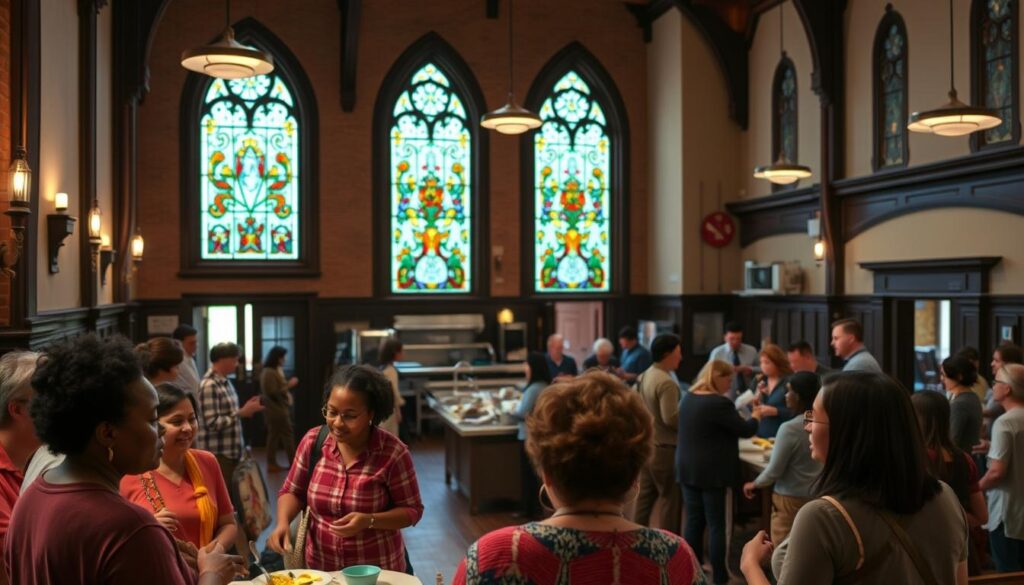
Weekly gatherings blend classic hymns with contemporary discussions. A food pantry operates three days a week, supporting over 200 local families monthly. Youth mentorship programs and senior social clubs meet regularly, fostering intergenerational bonds.
| Program | Schedule | Participants |
|---|---|---|
| Family Worship | Sundays, 10 AM | All ages |
| Community Meals | Wednesdays, 6 PM | Open to public |
| Arts Workshops | First Saturdays | Teens & adults |
Events and Engagement Opportunities
Seasonal festivals fill the calendar, like summer concerts on the lawn. Volunteer teams partner with shelters and schools across the city. Book clubs and gardening groups meet monthly, welcoming newcomers.
| Event | Date | Focus Area |
|---|---|---|
| Winter Coat Drive | November 15-30 | Homeless outreach |
| Spring Craft Fair | April 20 | Local artisans |
| Neighbor Night | Every Friday | Community building |
Through these efforts, the institution remains a place where history inspires action. Visitors often note how warm welcomes feel as timeless as the building’s stone walls.
Navigating Location, Parking, and Transit
Planning your visit? Here’s everything you need to know about getting here smoothly. The welcoming space sits at 874 Beacon Street, where Park Drive meets the Brookline-Boston border. You’ll spot it just west of bustling Kenmore Square and a short walk from Fenway Park’s iconic lights.
Directions and Nearby Landmarks
First-time visitors often use these reference points:
- Boston University South Campus – 0.3 miles east
- Fenway Park’s Gate A – 12-minute walk
- Charles River Esplanade – 1 mile north
Street parking on Beacon Street works well outside peak hours. The property offers four reserved spots in its compact lot—arrive early for these. Nearby garages on Park Drive and Commonwealth Ave provide overflow options.
Parking Guidelines and Public Transport Tips
| Option | Details | Game Day Alert |
|---|---|---|
| On-Street | 2-hour limit, no permits required | Restrictions apply |
| Church Lot | First-come basis (4 vehicles max) | Closed 3 hrs before events |
| Public Garage | $12/day at 825 Beacon Garage | Prices increase 50% |
Prefer public transit? The Green Line’s Fenway or St. Mary’s stops sit 7 minutes away. Bus routes #47 and CT2 stop at Beacon St & Park Dr—check real-time MBTA apps for schedules. Pro tip: Many regulars take the D Branch train and enjoy a scenic walk past brownstone-lined streets.
Conclusion
In the heart of Boston, a landmark bridges eras through service and design. The Ruggles Baptist Church embodies this harmony, where Colonial Revival architecture from 1914 meets dynamic community programs. Its Beacon Street location remains central to its identity, welcoming visitors through both historic doors and modern outreach.
Practical access enhances the experience. Public transit options and parking tips ensure stress-free visits, while seasonal events invite neighbors to connect. From youth workshops to intergenerational meals, the space thrives as a gathering point for all.
This Baptist church proves traditions grow richer when paired with innovation. Whether admiring handcrafted woodwork or joining a food drive, guests discover how legacy fuels progress. Stop by to witness history shaping tomorrow’s community spirit—one conversation at a time.
FAQ
What architectural style defines the building?
The structure showcases Colonial Revival design, featuring symmetrical facades, classic columns, and historic charm that reflects its deep roots in local heritage.
Are there weekly worship services available?
Yes! Weekly gatherings include traditional sermons, contemporary music, and interactive programs tailored for all ages. Check the website for updated schedules.
How can newcomers join community programs?
Visitors are welcome to explore volunteer initiatives, youth groups, and seasonal events. Sign-up forms and event calendars are accessible online or at the welcome desk.
Is parking available nearby?
Limited street parking exists, but public transit is recommended. The MBTA Green Line and multiple bus routes stop within a short walk of the location.
What historical milestones shaped this institution?
Founded in the early 19th century, it has served as a spiritual hub through major eras, including social movements and urban development, while preserving its original mission.
Can non-members attend special events?
Absolutely! Concerts, workshops, and holiday celebrations are open to everyone. Follow social media or subscribe to newsletters for invitations and updates.
What landmarks are close to the area?
The Museum of Fine Arts, Northeastern University, and Fenway Park are all within a 15-minute walk, making it a convenient stop during neighborhood explorations.