Embark on a transformative journey where spiritual growth and academic rigor blend seamlessly. At Protestant Theological University, learners engage with faith-centered education designed to deepen understanding while fostering practical ministry skills. With campuses in Amsterdam and Groningen, this institution creates a global perspective rooted in Christian values.
The curriculum balances tradition with modern challenges, preparing students to serve communities effectively. Small class sizes ensure personalized mentorship, while partnerships with churches keep teachings relevant. Whether pursuing undergraduate programs or advanced research, every path supports meaningful careers in ministry or academia.
Beyond classrooms, students join a vibrant community passionate about service and dialogue. Scholarships and part-time work options make education accessible, and the 4.5/5 satisfaction rating reflects its commitment to excellence. Here, faith isn’t just studied—it’s lived through daily practice and connection.
Key Takeaways
- Integrates spiritual development with hands-on ministry training
- Offers flexible learning options across two European campuses
- Maintains strong church partnerships for real-world relevance
- Provides scholarships and career-focused support services
- Encourages community engagement and cross-cultural perspectives
Discover a Rich History and Tradition
Rooted in centuries of faith-based scholarship, this institution’s story begins with a bold step toward unity. In 2007, two longstanding ministry training programs—Reformed and Lutheran—merged to form a stronger academic community. This fusion of distinct legacies created an environment where diverse perspectives enrich learning while honoring shared values.
Origins and the Merger of Traditions
For many years, both traditions independently shaped religious education across the Netherlands. Their 2007 union wasn’t just paperwork—it was a deliberate effort to combine strengths. The new structure prioritized focused leadership, adopting a single-faculty model to streamline theological studies. Today, church-appointed supervisors ensure teachings stay aligned with core beliefs.
The Evolution of Theological Education
What started as separate paths now thrives as a unified approach to ministry preparation. Courses blend historical wisdom with modern challenges, preserving each tradition’s unique contributions. Students explore how these merged roots influence current practices, from pastoral care to community outreach. This living history ensures graduates carry forward timeless principles in ever-changing contexts.
The school’s governance reflects its mission: a supervisory board selected by Dutch church leaders maintains strong ecclesiastical ties. This connection guarantees that education remains both academically rigorous and spiritually grounded—a balance that defines its identity.
Academic Programs and Theological Education
What does it take to turn spiritual calling into professional purpose? Our programs blend deep scriptural understanding with real-world ministry skills. Whether you’re starting your journey or enhancing existing expertise, structured learning paths meet diverse vocational goals.
Education for Ministry and Official Credentials
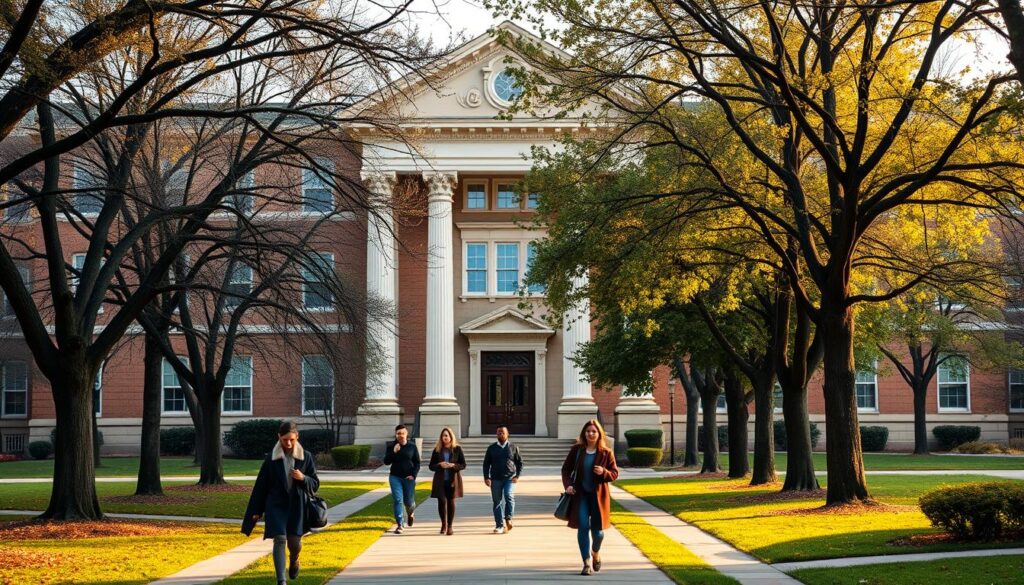
Gain church-recognized qualifications through courses designed with input from active clergy. The ministry-focused curriculum covers everything from sermon preparation to community crisis management. Graduates leave ready to lead congregations or provide compassionate pastoral care.
Seasoned professionals benefit too. Short courses update skills in counseling techniques and interfaith dialogue. These post-academic options help workers stay effective in evolving spiritual landscapes.
Post-Academic and Research Opportunities
Our Groningen campus buzzes with global perspectives. The English-taught Master of Theology attracts students from six continents. Collaborative projects let learners compare cultural approaches to scripture interpretation.
For deep dives into faith questions, doctoral candidates pursue original research across four specialization areas. Many projects partner with churches to address contemporary social challenges.
| Program Level | Key Focus | Duration | Primary Location |
|---|---|---|---|
| Master of Theology | Global ministry practices | 2 years | Groningen |
| PhD Studies | Advanced theological research | 4-6 years | Amsterdam |
Flexible scheduling options accommodate working professionals. Evening classes and hybrid formats make rigorous education accessible without career interruptions.
Campus Life in Amsterdam and Groningen
Where historic canals meet modern learning hubs, students thrive in two distinct yet equally inspiring settings. Amsterdam’s cosmopolitan energy pairs with Groningen’s cozy charm, creating diverse backdrops for spiritual growth and friendship. Both cities buzz with cafes, museums, and green spaces that fuel creativity between study sessions.
Student Experiences and Community Engagement
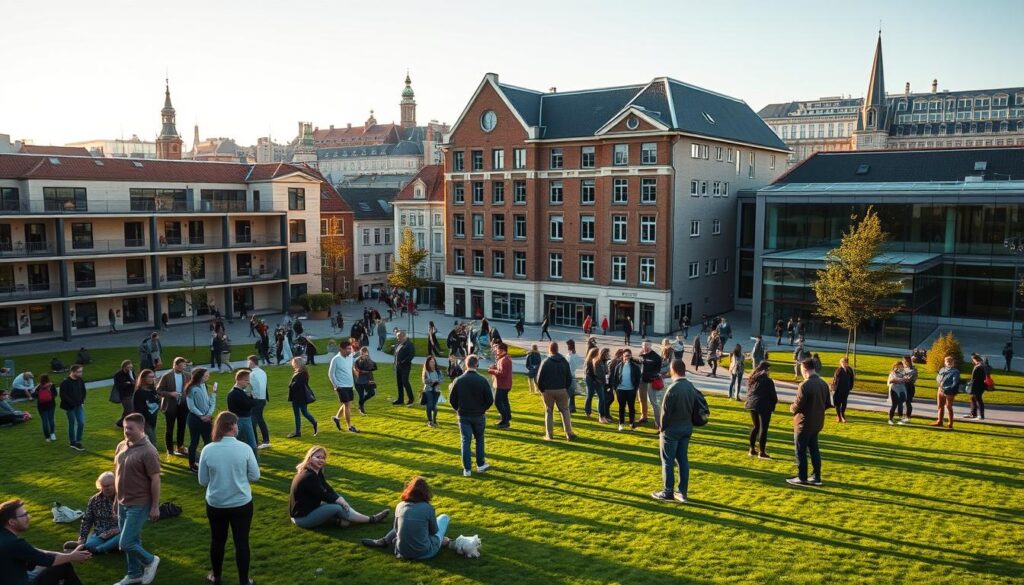
Join a mosaic of learners from 20+ countries sharing meals, prayers, and late-night debates. Weekly interfaith dialogues and neighborhood volunteer projects turn classrooms into real-world practice zones. Many students balance part-time roles at local faith centers, gaining hands-on experience while earning income.
Friday gatherings at Amsterdam’s Vondelpark or Groningen’s Noorderplantsoen foster lifelong bonds. These casual meetups often spark collaborative projects addressing homelessness or climate justice through spiritual lenses.
Campus Environment and Support Services
Need help settling in? Dedicated advisors match international students with furnished housing near campus—no stressful apartment hunts required. Over 60% receive tailored scholarships, and work-study programs connect learners with ministry internships across both cities.
The 4.5/5 satisfaction rating reflects thoughtful touches like 24/7 tutoring hubs and wellness workshops. “You’re never just a name here,” shares a second-year student. “Professors know your story and your dreams.”
From bike repair stations to inter-campus shuttle services, every detail supports thriving academic and spiritual life. Whether you’re kayaking Amsterdam’s waterways or cycling Groningen’s cobblestone streets, adventure and community await.
Commitment to Society and Church Engagement
How does faith translate into real-world impact? Through dynamic partnerships and activities, this institution bridges spiritual wisdom with pressing social needs. Conferences and public lectures invite diverse voices to explore how Christian values address modern challenges like climate action and inequality.
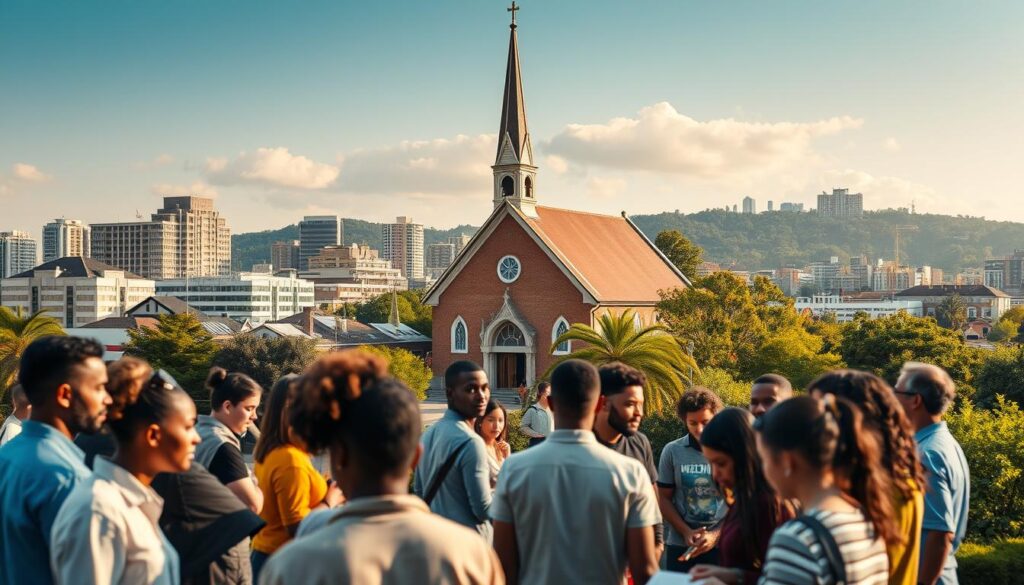
Every year, over 30 public discourse events connect scholars with community leaders. “Our role isn’t just to study scripture,” notes a faculty member, “but to equip ministers as problem-solvers in their neighborhoods.” Students often co-lead workshops on topics ranging from refugee support to ethical business practices.
The partnership with the Protestant Church in the Netherlands ensures education stays rooted in practical church needs. Joint committees shape curriculum priorities, blending traditional theology with skills for today’s society. This collaboration produces pastors ready to lead intergenerational congregations and urban outreach programs.
Beyond classrooms, 78% of learners participate in local activities like food banks or interfaith councils. One student shares, “We’re taught that service isn’t optional—it’s how faith breathes.” These experiences transform abstract concepts into lived commitments, preparing graduates to spark meaningful change wherever they serve.
International Opportunities and Global Perspectives
Imagine discussing scripture with peers from six continents before breakfast. This school’s global approach turns classrooms into microcosms of worldwide faith communities. Over 40% of learners participate in exchange programmes, gaining firsthand insight into how different cultures interpret spiritual teachings.
Internationalization Efforts and Exchange Programs
Each year, the institution sends students to 30+ partner universities across five continents. A recent participant shared:
“My semester in South Africa reshaped how I approach community outreach—it’s like learning theology through a kaleidoscope.”
Faculty members mirror this diversity. Visiting scholars from Israel teach ancient textual analysis, while guest lecturers from Brazil explore urban ministry strategies. These perspectives help learners connect local practices to global spiritual movements.
Strategic partnerships with institutions like Yale Divinity School and Stellenbosch University fuel collaborative research. Joint projects address pressing issues—from climate ethics to interfaith reconciliation—in 12 countries worldwide. Many graduates credit these connections for job opportunities in international nonprofits or multicultural congregations.
Hybrid programmes let students combine online courses with intensive overseas workshops. “You’re not just reading about global theology,” explains a professor. “You’re building relationships that shape your life’s work.”
An In-Depth Look at protestant theological university
What transforms academic study into life-changing practice? This institution weaves rigorous scholarship with hands-on ministry training like threads in a tapestry. Here, ancient texts meet modern social challenges through applied theological study that prepares learners to lead with both wisdom and compassion.
Where Scholarship Meets Service
Classrooms buzz with discussions connecting 16th-century reformers’ ideas to today’s urban ministry needs. “We don’t just analyze scripture—we ask how it heals broken communities,” shares a faculty member. Courses balance deep dives into historical sources with simulations of real pastoral scenarios.
The curriculum spans four specialized areas of focus:
- Ethical leadership in multicultural societies
- Interfaith dialogue strategies
- Contemporary biblical interpretation
- Spiritual care in crisis situations
Partnerships with 120+ churches let students test classroom knowledge during weekend internships. Many report this blend of theory and practice helps them develop adaptable ministry skills. University applied learning methods ensure graduates can address both pulpit responsibilities and neighborhood food drives.
Research projects often start with church-identified needs, like recent studies on digital worship engagement. This approach keeps academic work grounded in real spiritual journeys. As one learner notes, “We’re not just studying faith—we’re seeing how it transforms lives daily.”
Navigating Admissions, Requirements, and Student Services
Starting your academic journey should feel empowering, not overwhelming. Our admissions team guides applicants through every step, ensuring clarity from initial inquiry to enrollment. Transparent processes and personalized assistance help you focus on preparing for meaningful studies rather than paperwork hurdles.
Application Process and Eligibility Criteria
Prospective learners complete a streamlined online application with three core requirements:
- Academic transcripts demonstrating readiness for rigorous study
- Two recommendation letters addressing spiritual and intellectual potential
- A personal statement outlining vocational goals
The Executive Board oversees admission standards, maintaining consistency across all programs. International applicants receive extra support with visa processes and credential evaluations. Decisions typically arrive within four weeks of document submission.
Scholarship, Part-Time Work, and Support Amenities
Financial planning tools and campus resources create accessible pathways for all learners. The table below outlines key support options:
| Opportunity | Eligibility | Benefits |
|---|---|---|
| Merit Scholarships | Top 15% of applicants | 40-60% tuition coverage |
| Ministry Grants | Active church involvement | €3,000 annual stipend |
| Campus Work-Study | All enrolled students | 10-15 hrs/week positions |
Managing Director Anna de Vries notes: “Our housing team secures furnished apartments within walking distance of both campuses.” Additional services include writing workshops, mental health counseling, and career planning sessions tailored for ministry vocations.
Conclusion
Where purpose meets preparation, this faith-based institution crafts tomorrow’s spiritual leaders. Through its dual-campus education model, learners gain tools to navigate modern challenges while honoring timeless values. The blend of hands-on ministry training and global perspectives creates graduates ready to serve diverse communities.
From Amsterdam’s vibrant streets to Groningen’s historic charm, students find spaces to grow intellectually and spiritually. Flexible programs adapt to individual callings, whether leading congregations or advancing academic research. Partnerships with local churches ensure classroom theories meet real-world needs.
Every aspect—from scholarship options to cross-cultural exchanges—supports meaningful careers. Alumni consistently report feeling equipped to address societal issues through compassionate leadership. As one graduate shared, “This journey taught me how faith transforms both hearts and communities.”
Your path to impactful service begins here. Discover how deep roots in tradition can fuel innovative approaches to today’s spiritual questions.
FAQ
What programs are available for ministry preparation?
The institution offers accredited bachelor’s and master’s degrees focused on practical training, biblical studies, and pastoral care. These prepare graduates for roles like pastors, chaplains, or community leaders.
How does campus life support personal growth?
With campuses in Amsterdam and Groningen, students engage in workshops, interfaith dialogues, and volunteer projects. Support services include academic advising, mental health resources, and career counseling.
Are there opportunities for international study?
Yes! Exchange programs with global partners allow students to study abroad. Courses also integrate cross-cultural perspectives, fostering a deeper understanding of faith in diverse contexts.
What makes the academic approach unique?
Programs blend rigorous scholarship with real-world application. Small class sizes encourage debate, while research initiatives address contemporary issues like social justice and ethics.
What financial aid options exist?
Scholarships, grants, and part-time work opportunities help reduce costs. Advisors assist students in navigating funding options tailored to their needs.
How does the school engage with communities?
Partnerships with churches, nonprofits, and NGOs let students participate in outreach programs. These collaborations emphasize service, interfaith dialogue, and ethical leadership.
Can I pursue a PhD here?
Doctoral programs are available for advanced research in theology, ethics, or religious studies. Candidates work closely with faculty mentors and access specialized libraries.
What are the admission requirements?
Requirements vary by program but generally include transcripts, letters of recommendation, and a personal statement. International applicants may need proof of English proficiency.