This is a friendly, all-in-one guide to an ancient Indian community with deep roots and a living liturgical tradition. More than five million members worldwide worship, serve, and shape parish life across dioceses in India, North America, Europe, Australia, and the Middle East.
The adjective “Syro” points to a distinct East Syrian rite rather than an ethnic label. That rite informs the liturgy, devotions, and rhythms of daily life, linking believers to a tradition traced to St. Thomas the Apostle.
Members share full communion with the wider catholic church and often receive Communion across rites. Recent news about liturgical posture during the Holy Qurbana has led to synodal action and a papal call for unity, showing how tradition and reform meet in practice.
Key Takeaways
- One of 23 Eastern Catholic Churches in full communion with Rome.
- Over 5 million faithful worship across global eparchies and parishes.
- “Syro” refers to the liturgical rite and its East Syrian heritage.
- Members share sacraments with other Catholic rites and communities.
- Ongoing liturgical discussions show a living, adaptable tradition.
Origins, Identity, and Communion: From St. Thomas Apostle to an Eastern Church Today
A first-century mission lies at the heart of this tradition. In 52 AD, the st. thomas apostle is believed to have arrived in India and later met martyrdom near Chennai.
Roots in St. Thomas and the Thomas Christians
Seven ancient churches in Kerala and Tamil Nadu trace their founding to that mission. These communities became known as the thomas christians, and they carried forward a living liturgy and local customs.
What “Syro” Means: Rite, Not Ethnicity
The term points to a specific rite derived from the East Syrian tradition. It describes worship style and liturgical shape, not the people’s ancestry.
Hierarchy, Communion, and Global Footprint
As an eastern church, this community has its own hierarchy while remaining in full communion with the pope. Over five million syro-malabar catholics live across India, the United States, the U.K., Canada, Australia, New Zealand, and the Middle East. Intercommunion is regularly practiced with other rites.
| Aspect | Founding | Rite | Governance |
|---|---|---|---|
| Origin | st. thomas / thomas apostle, 52 AD | East Syrian liturgical tradition | Own hierarchy under the pope |
| Identity | Thomas Christians rooted in local culture | Rite defines worship, not ethnicity | Part of 23 Eastern Churches in communion |
| Global Presence | Seven early churches in Kerala/Tamil Nadu | Holy Qurbana and ancient liturgies | 5+ million faithful with worldwide eparchies |
The syro malabar catholic church Today: News, Communion, and a Liturgical Dispute
Today’s coverage highlights a practical question that touches faith and parish life.
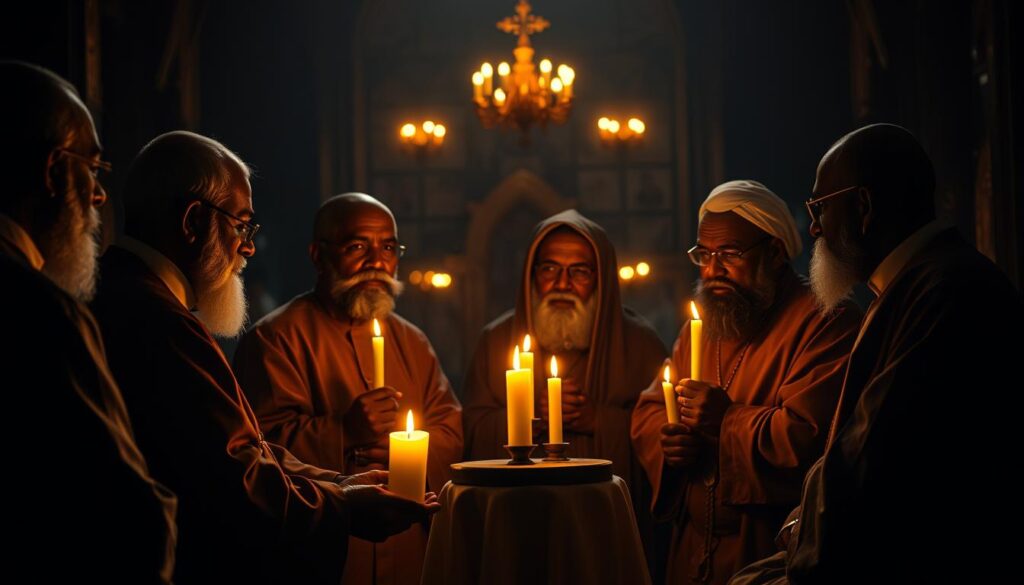
Ad orientem vs. versus populum: Understanding the Holy Qurbana Debate
The core issue is simple: should a priest face the altar (ad orientem) or face the people (versus populum) during the Holy Qurbana?
This matters because posture shapes communal prayer, reverence, and how people experience the liturgy.
In 1999, the synod required a single approach: face the people for the Liturgy of the Word and the altar for the Eucharist. Some dioceses did not follow that rule, which fueled the current dispute and ongoing controversy.
Pope Francis’ Call for Unity and Obedience amid Controversy
The pope set a Christmas Day 2023 deadline to implement the synod’s directive. Most parishes complied, yet protests and disruptions continued in pockets.
“Apart from Peter, apart from the major archbishop, there is no Church.”
The pope warned that division over liturgy can harm communion and even risk schism. He urged prayerful dialogue and asked leaders to avoid unnecessary Latinization of this eastern church.
- Pastoral steps include listening sessions and local meetings.
- Leaders aim to preserve the rite’s identity while restoring unity.
- New jurisdiction for immigrant communities in the Middle East strengthens pastoral care worldwide.
The news and dispute show passion for tradition. The hopeful path is patient conversation, obedience to legitimate authority, and love for the Blessed Sacrament.
Life and Spirituality: How Syro-Malabar Catholics Worship and Build Community
Daily rhythms of prayer and service shape how people live their faith.
The Holy Qurbana and the East Syrian Tradition
The Holy Qurbana stands at the center of worship. This rite brings poetic prayers, gestures, and a strong sense of God’s presence in Word and Eucharist.
Prayer and Devotion
Families pray the Rosary, meditating on the Luminous, Sorrowful, and Glorious Mysteries. These simple devotions help people reflect on baptism, suffering, and the Resurrection.
Ministries in Action
Parishes encourage ministries that translate belief into service. Catechesis, youth programs, outreach, and cultural events build a vibrant community.
Participation Across Rites
In the U.S., many find support through local eparchies and events. Inter-ritual communion is common—members of the Syro-Malabar Catholic tradition and other rites regularly receive the Eucharist together.
- Life in parish: prayer, service, and formation.
- Spiritual growth through liturgy and devotion.
- Community bonds keep families rooted in faith.
Conclusion
From Kerala parishes to U.S. eparchies, the faithful hold fast to a living liturgical heritage. This guide reminds readers that history and practice meet in parish life and prayer.
The syro-malabar church traces its roots to St. Thomas and the Thomas Christians. It stands in full communion with the pope and the wider catholic church, serving more than five million people worldwide.
Keep faith at the center: attend the Holy Qurbana, receive the sacraments, and join local ministries. Let the witness of the st. thomas apostle inspire service, unity, and love for the Eucharist.
Visit a parish, volunteer, and keep praying—these small steps help unity grow and let tradition flourish in daily life.
FAQ
What is the Syro Malabar Catholic Church and where did it begin?
The Syro Malabar Catholic Church traces its origins to St. Thomas the Apostle, who evangelized parts of India in the first century. It belongs to the Eastern tradition and follows the East Syrian rite. Over centuries the Thomas Christians developed a distinct liturgy, spirituality, and community life while remaining in full communion with the Pope.
How does the term “Syro” relate to this community?
“Syro” refers to the Syriac liturgical tradition and language influence, not to an ethnic label. The term highlights the East Syrian rite and the historical use of Syriac in the Holy Qurbana and prayer life.
Is this church fully part of the global Catholic communion?
Yes. The church is an Eastern Catholic Church in full communion with the See of Rome. It retains its own hierarchy, liturgical rites, and canon law while recognizing the Pope’s primacy.
How many faithful belong to this tradition and where are they located?
The community counts several million members, with the largest concentration in India and growing diasporic communities in the United States, Europe, and the Gulf states. Parishes and eparchies serve immigrants and local converts alike.
What is the Holy Qurbana and how does it differ from the Latin Mass?
The Holy Qurbana is the Eucharistic liturgy of the East Syrian tradition. It includes ancient prayers, distinct liturgical language, and ritual actions that differ in form from the Latin rite while affirming the same Eucharistic faith.
What is the controversy over ad orientem versus versus populum worship?
The debate centers on the priest’s orientation during the Eucharistic prayer—facing the same direction as the people (versus populum) or facing east/traditionally away from the congregation (ad orientem). Opinions vary by community, and the discussion touches on liturgical theology, tradition, and pastoral practice.
How has Pope Francis responded to liturgical disputes within Eastern rites?
Pope Francis has urged unity and obedience while encouraging respectful dialogue. He emphasizes pastoral care, adherence to legitimate liturgical norms, and sensitivity to ancient traditions that shape Eastern communities.
How do members practice daily spirituality and prayer?
Spiritual life blends communal worship with personal devotion. Practices include the Holy Qurbana, the Liturgy of the Hours in adapted forms, rosary-like devotions focused on mysteries, and sacramental participation. Parish ministries also support ongoing formation and prayer.
Can members of other Catholic rites receive communion at a Syro Malabar service?
Generally, members of the universal Catholic Church may receive communion according to local norms and mutual recognition of sacraments. Pastoral instructions can vary by eparchy, so visitors should follow guidelines from the celebrating pastor.
What ministries support social service and community life?
Parishes run a range of ministries: education, health care, charity programs, youth formation, and migrant support. These efforts reflect a commitment to service rooted in faith and the pastoral priorities of local leaders.