Facing confession can feel tense. This short guide explains what the penitential prayer is today, why it matters, and how to say it with confidence.
In the Rite of Reconciliation, you confess, receive a penance, and then the priest invites you to speak a prayer. Many people learn a modern line that begins, “My God, I am sorry for my sins with all my heart.” The ritual allows several approved versions, including brief options and older traditional wording.
The essentials matter more than exact words: sincere sorrow before God, trust in His mercy, and a firm decision to change. If you forget the words under pressure, short approved versions exist and the priest will help.
This guide moves you from childhood memorization to adult discipleship. It will walk through what to say, how to stay calm, and ways to let the prayer shape daily life.
Key Takeaways
- The prayer comes after confession and penance, before absolution.
- Several approved versions exist; choose the version that helps your heart.
- Sorrow, trust in mercy, and a decision to change make the prayer real.
- Short forms and priestly help ease nerves in the confessional.
- This guide offers simple steps to pray with calm and focus.
Understanding Contrition and the Sacrament Today
Contrition is the heart’s decision to turn back to God, not just a memorized line. It means heartfelt sorrow for sin and a firm intention to change.
What contrition means and why sorrow matters
Contrition heals relationships broken by sin. It is motivated by love, not only by fear. When we are sorry offended God, we name that reality and open ourselves to mercy.
From childhood prayer to adult discipleship
Many children learn a short prayer. As adults, the same words deepen when we examine conscience and admit choosing to do wrong and failing good.
Ask the Holy Spirit for clarity and courage so your prayer names real choices. Let that inner sorrow shape daily habits and how you love in the world.
Penance, confession, reconciliation and more
The sacrament has many names—sacrament penance, sacrament reconciliation, conversion, and forgiveness—each highlighting telling the truth, receiving mercy, and being restored.
- Simple definition: sorrow plus a firm intent to turn back.
- Practical step: avoid near occasions and the things that lead you away.
- Encouragement: even one sincere prayer can begin real growth—make act contrition when you need to.
How to Make an Act of Contrition in the Confessional
A calm confession starts with a quick review of your day and a short prayer for the Holy Spirit’s guidance.
Before you go
Do a simple examination of conscience and ask the Holy Spirit for light. Write a short list if names or numbers help you remember.
What to say to the priest
Begin: “Bless me, Father, for I have sinned. It has been [time] since my last confession.” Then state your sins by kind and number without long detail.
If you forget something, add, “for these and those I cannot now remember.” Trust God’s mercy; the priest offers help, not judgment.
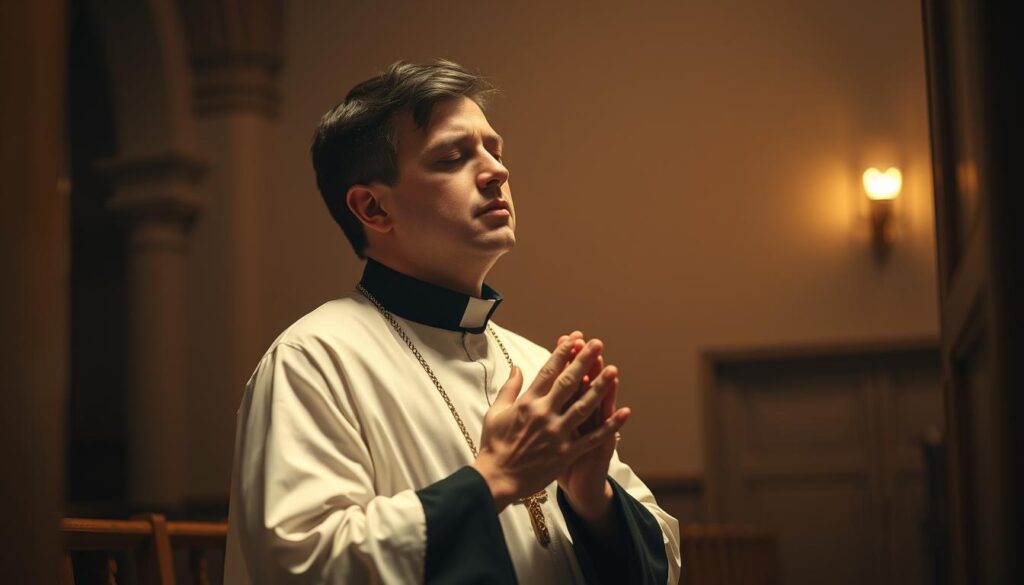
Receiving counsel and penance
The priest may offer counsel and give penance. This helps you turn choices into small, practical steps that cooperate with grace.
Absolution and next steps
When invited, make act contrition and pray act contrition if that helps. After absolution, do your penance as soon as possible and work to amend your life.
Daily practice at home
Pray the prayer at night and teach children to say a short form. A monthly “confession and cones” routine is a great way to ease anxiety and build habit.
Official Texts, Variations, and Essential Elements in the act of contrition catholic church
Official forms balance honest sorrow with trust in God’s mercy. The traditional wording guides the penitent through motives and resolve.
“O my God, I am heartily sorry for having offended Thee, and I detest all my sins, because I dread the loss of heaven and the pains of hell; but most of all because they offend Thee, my God, Who are all good and deserving of all my love. I firmly resolve, with the help of Thy grace, to sin no more and avoid the near occasions of sin. Amen.”
The traditional wording: what each line means
“I am heartily sorry…detest all my sins” names deep contrition and true regret. It teaches that one must not minimize wrong.
“loss heaven” and “pains hell” admit fear, but the phrase also reminds us of the stakes for the soul.
“deserving love” centers love as the chief motive. The line “I firmly resolve” pairs human choice with dependence on grace.
Approved variations and essentials
The Rite of Reconciliation allows shorter versions and Scripture-like prayers. Examples include brief petitions and simple confessions such as “Lord Jesus, Son of God, have mercy on me, a sinner.”
| Form | Key elements | When to use |
|---|---|---|
| Traditional version | Sorrow, fear (loss heaven, pains hell), love, resolve | When you want a fuller expression |
| Short scriptural phrases | Mercy, trust, brief sorrow | In nervous or quick confessions |
| Personal words | Sorry sins, love God, intent to change | When essentials are clearly expressed |
Pray act contrition in the form that helps you mean it. Memorize one long and one short version so you can speak from the heart, not from memory alone.
Conclusion
End with a clear routine: pick a version you can own, schedule regular confession, and pray nightly to keep your heart tender before God. Short daily prayers and a brief examination of conscience help make this a normal part of life.
Expect progress over time. Repetition forms virtue; the more you practice, the easier it is to name sins and receive mercy. When you go to confession, tell the priest if you feel flustered and use a shorter approved prayer.
Lean on the sacrament today: the words of absolution bring healing, and prompt completion of penance keeps growth concrete. Pray with children, replace tempting things with good habits, and let this way of life renew your love for God and neighbor.
FAQ
What is the Act of Contrition and why does sorrow for sin matter?
The Act of Contrition is a short prayer expressing heartfelt sorrow for wrongdoing and a firm resolution to change. Feeling genuine remorse matters because it opens us to God’s mercy, helps restore our relationship with Him, and prepares us to receive grace through the sacrament of reconciliation.
How does contrition differ between a child’s prayer and mature discipleship?
A child’s version often focuses on simple words and emotions, while adult practice adds reflection, responsibility, and a commitment to ongoing conversion. Both are valid; growth moves from memorized lines to an interior change of heart and steady efforts to avoid sin.
Are penance, confession, reconciliation, and absolution the same thing?
These terms describe parts of one sacrament. Confession is naming sins to a priest; penance is the acts assigned to repair harm; reconciliation is restored friendship with God; absolution is the priest’s prayer of forgiveness. Together they lead to conversion and healing.
What should I do before going to confession?
Take time to examine your conscience honestly, ask the Holy Spirit for guidance, and recall serious (mortal) and less serious (venial) faults. Pray briefly for courage and clarity so you can confess sincerely and receive help to change.
How specific should I be when confessing sins to the priest?
Name sins by kind and, when possible, give an honest estimate of frequency. You do not need to relive every detail; focus on truthfully acknowledging what led you away from God so the priest can offer appropriate counsel and make a fitting penance.
What happens after I confess and make the Act of Contrition?
The priest will give counsel and assign penance. After you say the prayer of sorrow, the priest prays the words of absolution, and you are reconciled. Completing the penance helps repair harm and strengthens your resolve to live differently.
Can I pray the Act of Contrition at home, and should I teach it to my children?
Yes. Praying it nightly or with children helps form conscience and a habit of repentance. Use age-appropriate language for kids and explain that the prayer expresses sorrow, trust in God’s mercy, and a promise to try again.
Are there official versions of the prayer, and can I use variations?
The Rite of Reconciliation provides traditional wording, such as “O my God, I am heartily sorry…,” and approved alternatives. The essentials are true sorrow, confession of sin, and firm purpose of amendment. Paraphrases that keep these elements are acceptable.
What if I feel anxious about confession or making mistakes in the confessional?
Many people feel nervous. Simple habits—examining your conscience, practicing a brief prayer beforehand, and remembering the priest’s role as a helper—reduce fear. The sacrament is meant to heal, not judge.
Does sincere sorrow forgive all consequences or just restore grace?
Sincere sorrow and absolution restore your relationship with God and return sanctifying grace. Moral and practical consequences may remain, which is why penance and reparative actions matter for true conversion and healing in life.