The story of St. Andrew’s begins long before the construction of its magnificent building, now a designated heritage site. This iconic structure is a testament to the rich heritage of the Presbyterian denomination.
The origins of the Presbyterian Church are deeply rooted in the past, with a history that spans centuries. St. Andrew’s serves as a prime example of the denomination’s architectural significance and its enduring legacy.
Key Takeaways
- The Presbyterian Church has a rich and diverse history.
- St. Andrew’s is a notable example of the denomination’s heritage.
- The church’s architecture reflects its historical significance.
- The Presbyterian denomination has a long-standing legacy.
- The history of the church is a testament to its enduring presence.
Origins of the Presbyterian Church in Europe
The Presbyterian Church has its roots deeply embedded in the European Reformation.
The 16th-century Reformation played a crucial role in shaping the Presbyterian denomination. This period was marked by significant theological and ecclesiastical changes across Europe, laying the groundwork for the Presbyterian Church’s governance and doctrine.
Key Figures in Early Presbyterianism
Several key figures contributed to the development of Presbyterianism. John Knox, a Scottish theologian, was instrumental in establishing Presbyterian governance in Scotland.
Other influential figures included Theodore Beza and Martin Bucer, who, alongside John Calvin, shaped the theological landscape of the Reformation.
| Figure | Contribution | Region |
|---|---|---|
| John Knox | Established Presbyterian governance | Scotland |
| Theodore Beza | Theological leadership | Geneva |
| Martin Bucer | Influenced ecclesiastical reform | Strasbourg |
The Influence of John Calvin
John Calvin’s teachings had a profound impact on the development of Presbyterianism. His writings on church governance and theology continue to influence Presbyterian doctrine.
Calvin’s emphasis on the authority of Scripture and the importance of church discipline shaped the Presbyterian Church’s identity.
The Role of the Reformation
The Reformation was pivotal in the emergence of the Presbyterian Church. It challenged existing ecclesiastical structures and led to the establishment of new church governance models.
The Reformation’s focus on returning to the Scriptures and reforming church practices aligned with the Presbyterian Church’s values.
Establishment of Presbyterianism in America
As European settlers crossed into the New World, they brought with them their religious beliefs, including Presbyterianism. This marked the beginning of a significant chapter in American religious history.
Early Settlements and Congregations
The early 17th century saw the first Presbyterian congregations established in America, primarily by Scottish and Irish immigrants. These early settlers faced numerous challenges, from harsh environments to conflicts with Native American tribes.
St. Andrew’s Presbyterian Church, for example, traces its history back to 1869 when Presbyterian services were first held in Fort William, illustrating the gradual growth of Presbyterianism across different regions.
The First Presbyterian Church in America
The First Presbyterian Church in America was established in 1704 in Philadelphia, Pennsylvania. This church played a pivotal role in the development of Presbyterianism, serving as a central location for worship, education, and community activities.
Growth During the Colonial Era
During the colonial era, Presbyterianism experienced significant growth, driven by immigration and the efforts of missionaries. The denomination became an integral part of American religious life, contributing to the country’s cultural and social fabric.
The growth of Presbyterianism during this period was not without its challenges, including debates over doctrine and church governance. However, the resilience and adaptability of Presbyterian communities allowed the denomination to thrive.
The Role of the Presbyterian Church in American Society
The impact of the Presbyterian Church on American society is multifaceted, touching on education, healthcare, and social justice. The church has a long history of commitment to serving the community and promoting social welfare, which has contributed significantly to its influence on civil society.
Impact on Education and Healthcare
The Presbyterian Church has made significant contributions to the American education system. It has established numerous schools and colleges, promoting education and values-based learning. For instance, institutions like Princeton University, founded by Presbyterian ministers, have become pillars of higher education.
In healthcare, the Presbyterian Church has also played a crucial role. Many hospitals and healthcare facilities were founded by Presbyterian missionaries and communities, providing essential services to the public. The church’s commitment to healthcare reflects its broader mission to serve and care for the community.
| Institution Type | Examples | Impact |
|---|---|---|
| Educational Institutions | Princeton University, Davidson College | Promoting higher education and values-based learning |
| Healthcare Facilities | Presbyterian Hospital, Albuquerque | Providing essential healthcare services to the community |
Civil Society and Social Justice Movements
The Presbyterian Church has been actively involved in various social justice movements throughout American history. From abolitionism to civil rights, the church has played a role in advocating for equality and justice. The church’s commitment to social justice is rooted in its theological beliefs and its mission to serve the broader community.
For example, during the Civil Rights Movement, many Presbyterian churches and leaders were actively involved in advocating for racial equality. The church’s involvement in such movements demonstrates its commitment to creating a more just and equitable society.
The Presbyterian Church continues to influence American society today, addressing contemporary social issues and promoting community development. Its commitment to education, healthcare, and social justice remains a cornerstone of its mission.
Major Theological Developments
The Presbyterian Church’s theological landscape has been influenced by several key developments that have shaped its doctrine, practices, and overall identity.
The Westminster Confession of Faith
The Westminster Confession of Faith, adopted in 1646, is one of the most significant theological documents in Presbyterian history. It outlines the core beliefs of the Presbyterian Church, including the authority of Scripture, the nature of God, and the process of salvation.
This confession was formulated during the English Civil War and reflects the theological debates of that era. Its influence extends beyond the Presbyterian Church, impacting Reformed theology more broadly.

Key Doctrines and Beliefs
Presbyterian theology is rooted in several key doctrines, including the sovereignty of God, the authority of the Bible, and the priesthood of all believers. These beliefs are foundational to Presbyterian worship and practice.
- The sovereignty of God underscores God’s control over all aspects of life.
- The authority of Scripture is central to Presbyterian belief, guiding faith and practice.
- The priesthood of all believers emphasizes the equal access of all Christians to God.
Contemporary Theological Trends
In recent years, the Presbyterian Church has grappled with contemporary theological trends, including discussions on gender equality, human sexuality, and the role of the church in modern society.
These debates reflect the ongoing evolution of Presbyterian theology, as the church seeks to remain relevant while staying true to its historical roots.
The Presbyterian Church and the Civil War
The Presbyterian Church’s history is deeply intertwined with the events of the American Civil War, a conflict that exposed deep-seated divisions within the church. As the war loomed, the church faced significant challenges in maintaining its unity and theological stance on critical issues.
The divisions within the Presbyterian Church during the Civil War were multifaceted, reflecting broader societal tensions. The church’s stance on slavery, a central issue of the war, varied significantly across different regions.
Divisions Within the Church
The Presbyterian Church was not immune to the regional divisions that characterized the United States during the Civil War era. The church split into different factions, with some supporting the abolition of slavery and others defending it.
Northern and Southern Presbyterians had distinct views on slavery, leading to a formal split in the church. The Old School Presbyterian Church and the New School Presbyterian Church were two main branches that further divided along regional lines.
| Branch | Stance on Slavery | Regional Alignment |
|---|---|---|
| Old School Presbyterian Church | Generally conservative, with some opposition to slavery | Both Northern and Southern alignments |
| New School Presbyterian Church | More progressive, with stronger abolitionist sentiments | Primarily Northern |
The Church’s Response to Slavery
The Presbyterian Church’s response to slavery was complex, reflecting the diverse theological and moral perspectives within the church. While some Presbyterians were vocal abolitionists, others supported the institution of slavery, citing biblical justifications.
The church’s General Assembly played a crucial role in addressing the issue of slavery, passing resolutions and making decisions that reflected the church’s divided stance.
As the Civil War progressed, the Presbyterian Church grappled with the moral implications of slavery, ultimately contributing to the broader societal debate on the issue.
The Evolution of Presbyterian Denominations
Presbyterianism has a rich history, with its denominations emerging from a complex interplay of theological, social, and political factors. The Presbyterian Church has undergone numerous transformations, leading to the diverse landscape of denominations we observe today.
Key Events and Developments
The history of Presbyterian denominations is characterized by significant events, including theological debates and ecclesiastical decisions that have shaped their development. Key splits and mergers have played a crucial role in this process, influencing the theological, social, and organizational structures of the Presbyterian Church.
One of the pivotal moments in the history of Presbyterianism was the Reformation, which laid the groundwork for the theological principles and governance structures that define Presbyterian denominations. The influence of John Calvin and other reformers was instrumental in shaping the early Presbyterian Church.
Overview of Major Presbyterian Branches
The contemporary Presbyterian landscape is diverse, with several major branches having emerged over the centuries. The following table provides an overview of some of the significant Presbyterian denominations in the United States:
| Denomination | Year Established | Theological Orientation |
|---|---|---|
| Presbyterian Church (USA) | 1983 | Moderate to Liberal |
| Presbyterian Church in America | 1973 | Conservative |
| Orthodox Presbyterian Church | 1936 | Conservative/Reformed |
The Presbyterian Church (USA) is one of the largest Presbyterian denominations, resulting from a merger between the United Presbyterian Church of North America and the Presbyterian Church in the U.S.A. The Presbyterian Church in America (PCA) was established by churches that broke away from the Presbyterian Church in the U.S. due to theological differences.
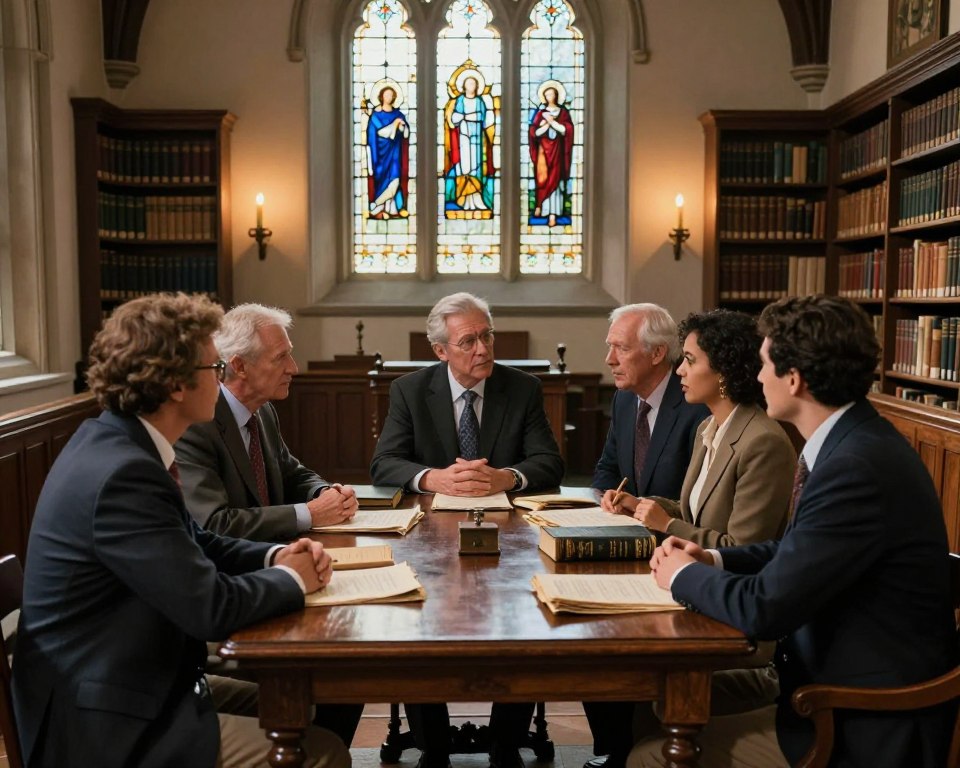
The diversity within Presbyterianism reflects the dynamic nature of the church, as it adapts to changing societal and theological contexts. Understanding the historical development and current state of Presbyterian denominations provides valuable insights into the broader religious landscape.
Global Expansion of the Presbyterian Church
The Presbyterian Church has expanded globally through dedicated missionary work and strategic partnerships. This expansion has enabled the church to establish a significant presence in various regions around the world.
Missionary Efforts Abroad
The Presbyterian Church’s missionary efforts have played a crucial role in its global expansion. Missionaries have been instrumental in spreading the church’s message, establishing new congregations, and providing humanitarian aid to communities in need.
These efforts have not only contributed to the growth of the church but have also had a positive impact on local communities, promoting education, healthcare, and social justice.
- Establishing schools and educational institutions
- Providing medical care and health services
- Supporting community development projects
Establishing International Relationships
In addition to its missionary work, the Presbyterian Church has focused on establishing and maintaining international relationships. These relationships have fostered cooperation and collaboration between different Presbyterian denominations and other Christian organizations worldwide.
International partnerships have enabled the church to address global challenges more effectively, sharing resources and expertise to tackle issues such as poverty, inequality, and environmental degradation.
“The Presbyterian Church’s commitment to global mission and ecumenical cooperation has been a defining feature of its identity and ministry.”
The church’s global influence is a testament to its commitment to spreading its message and serving communities worldwide. Through its missionary efforts and international relationships, the Presbyterian Church continues to make a positive impact globally.
Modern Challenges and Adaptations
With a legacy spanning centuries, the Presbyterian Church confronts modern challenges head-on. As society evolves, the church is adapting to remain relevant and address the complex issues of the contemporary world.
Addressing Contemporary Social Issues
The Presbyterian Church is actively engaged in addressing various social issues, including social justice, equality, and environmental stewardship. The church recognizes the importance of being a voice for the marginalized and promoting peace and justice in society.
“The church must be a beacon of hope, standing for justice and compassion in a world filled with challenges.”
The church’s efforts include advocating for policies that support the vulnerable and participating in community programs that address social needs. By doing so, the Presbyterian Church continues to play a vital role in shaping a more just and equitable society.
The Church’s Response to Changing Culture
As cultural norms and values evolve, the Presbyterian Church is faced with the task of responding in a way that is both faithful to its traditions and relevant to the contemporary context. This involves a careful balance between maintaining the integrity of its beliefs and being open to new perspectives and understandings.
- Embracing diversity and promoting inclusivity within the church community.
- Engaging in dialogue with other faith communities and secular organizations to foster understanding and cooperation.
- Utilizing modern technology to enhance communication and reach a wider audience.
By adopting these strategies, the Presbyterian Church is able to navigate the challenges of a changing culture while remaining true to its mission and values.
The Future of the Presbyterian Church
The Presbyterian Church’s future is shaped by its ability to adapt to changing societal trends while maintaining its core values. As the church continues to evolve, its global influence remains a significant aspect of its identity.
Membership and Worship Trends
The church is experiencing shifts in membership demographics and worship styles. Some congregations are embracing traditional practices, while others are adopting contemporary approaches to worship. This diversity reflects the church’s efforts to remain relevant in a changing cultural landscape.
Embracing Technology
The Presbyterian Church is leveraging modern technology to enhance its outreach and communication. Online worship services, social media engagement, and digital resources are becoming increasingly important tools for the church. By embracing these technologies, the church is able to connect with a wider audience and maintain its impact in the digital age.
The Presbyterian Church’s global influence and impact are expected to continue, driven by its adaptability and commitment to its core values. As the church navigates the challenges of the modern world, its ability to evolve while remaining true to its heritage will be crucial to its ongoing story.
FAQ
What are the origins of the Presbyterian Church?
The Presbyterian Church originated in Europe during the Reformation, influenced by key figures such as John Calvin, who played a significant role in shaping the denomination’s theology and practices.
How did Presbyterianism develop in America?
Presbyterianism was established in America through early settlements and congregations, with the first Presbyterian church being founded during the colonial era, marking the beginning of the denomination’s growth in the region.
What impact has the Presbyterian Church had on American society?
The Presbyterian Church has had a significant impact on American society, particularly in the areas of education, healthcare, and social justice movements, demonstrating its commitment to serving the community and promoting social welfare.
What is the Westminster Confession of Faith?
The Westminster Confession of Faith is a foundational theological document that outlines the Presbyterian Church’s key doctrines and beliefs, shaping the denomination’s theology and practices.
How did the Presbyterian Church respond to the issue of slavery during the Civil War?
The Presbyterian Church was divided on the issue of slavery during the Civil War, with some members supporting abolition and others defending the institution, reflecting the complex and often contentious relationship between the church and broader societal issues.
What are the major branches of the Presbyterian Church?
The Presbyterian Church has undergone several splits and mergers over time, resulting in multiple branches, including the Presbyterian Church (USA) and the Presbyterian Church in America, among others.
How has the Presbyterian Church expanded globally?
The Presbyterian Church has expanded globally through missionary efforts abroad and the establishment of international relationships, demonstrating its commitment to global mission and community development.
What challenges is the Presbyterian Church facing in the modern era?
The Presbyterian Church is addressing contemporary social issues, adapting to changing cultural contexts, and embracing modern technology and communication to remain relevant in a rapidly changing world.
What are the trends shaping the future of the Presbyterian Church?
Trends in membership and worship, as well as the church’s efforts to leverage modern technology and communication, are likely to shape the future of the Presbyterian Church, influencing its ongoing development and growth.
How has John Calvin’s teachings influenced Presbyterianism?
John Calvin’s teachings have had a lasting impact on Presbyterianism, shaping the denomination’s theology, practices, and governance, and continuing to influence its development to this day.