Step into a realm where centuries-old traditions meet modern humanitarian efforts. These unique organizations trace their roots to medieval groups like the Knights Hospitaller, evolving from armored warriors to compassionate caregivers. Today, they blend ceremonial heritage with vital services like healthcare and disaster relief across the globe.
Their story begins during Europe’s religious transformations. While maintaining core values of honor and service, these groups adapted to new Protestant identities. The Order of St. John stands as a prime example, operating ambulance services and hospitals since the 11th century.
Modern members wear distinctive crosses not as weapons, but as symbols of hope. Through their official website, the Order of St. John connects volunteers worldwide. Their work ranges from supporting eye banks to training first responders in crisis zones.
This guide explores how these organizations preserve history while addressing today’s challenges. You’ll discover their governance structures, ceremonial practices, and partnerships with groups like the Red Cross. Their enduring legacy proves that true chivalry thrives through acts of mercy.
Key Takeaways
- Modern groups evolved from medieval medical brotherhoods like the Knights Hospitaller
- Distinctive crosses symbolize service rather than military power
- The Order of St. John operates in 40+ countries through local branches
- Primary activities include disaster response and healthcare initiatives
- Official websites provide volunteer opportunities and historical resources
- Collaborates with international aid organizations for maximum impact
Introduction to the Legacy of Protestant Knight Orders
What began as a humble hospital in Jerusalem grew into a movement shaping eight centuries of service. In 1050, Italian merchants secured land near holy sites to care for pilgrims of all faiths. This radical act of inclusivity laid the groundwork for organizations still saving lives today.
Overview and Significance
The early Order of Saint John broke barriers by treating Muslims and Jews alongside Christians. Their 12th-century recognition by papal decree transformed them into Europe’s first multinational aid network. By the 16th century, religious reforms split the group into two enduring branches:
| Branch | Established | Focus |
|---|---|---|
| Sovereign Order of Malta | 1530 | Catholic healthcare initiatives |
| Order of Saint John | 1530 | Protestant charitable services |
| Johanniter Orders | 1852+ | Regional disaster response |
Key Themes of the Ultimate Guide
Three threads connect medieval hospices to modern ambulances. First, the unbroken chain of service spanning centuries. Second, organizational adaptations through political upheavals. Third, the lasting impact of treating need, not creed.
From Jerusalem’s dusty streets to today’s mobile clinics, these groups prove compassion outlives empires. Their story isn’t just history – it’s a living blueprint for humanitarian action.
Historical Evolution of Protestant Knight Orders
Amidst the clash of swords and ideals, a revolutionary approach to service took shape. The Bailiwick of Brandenburg, born from Jerusalem’s original Knights Hospitaller, carved a unique path through Europe’s turbulent history. Their story spans holy wars, theological upheavals, and royal alliances.

Foundations in the Crusader Era and Hospitaller Roots
In 1099, warriors dedicated to protecting pilgrims established Europe’s first multinational aid network. The German branch emerged in 1318 as a network of commanderies across the Holy Roman Empire. These fortified hospitals became centers of wealth and influence, blending military might with medical care.
Transformation During the Protestant Reformation
When Martin Luther’s ideas swept Germany, the Johanniter Order faced a pivotal choice. Most knights adopted Lutheran beliefs but kept ties to their Catholic roots. This dual identity sparked conflict, culminating in their 1581 expulsion by the Order of Malta’s leader.
The Thirty Years’ War nearly destroyed the Bailiwick. Yet the 1648 Peace of Westphalia marked a turning point. Prussian rulers from the House of Hohenzollern shielded the group, ensuring its survival. Protected yet independent, the order focused on charity rather than combat.
Through centuries of change, these guardians of compassion proved that faith in action outlasts empires. Their hospitals still operate today, silent witnesses to an enduring legacy of service over sword.
Structure and Organisation of the Protestant Knight Orders
Modern charitable networks maintain ancient frameworks through strategic global hubs. The Balley Brandenburg demonstrates this balance, operating 17 regional centers across Germany and international outposts from Australia to Venezuela. This decentralized model allows local adaptation while preserving core values.
Commanderies, Membership, and Regional Influence
Four thousand members serve through 23 commanderies worldwide. Each center manages healthcare projects and disaster response tailored to local needs. The global commandery coordinates cross-border initiatives, ensuring unified service standards from Colombia to South Africa.
Ranks, Insignia, and Ceremonial Practices
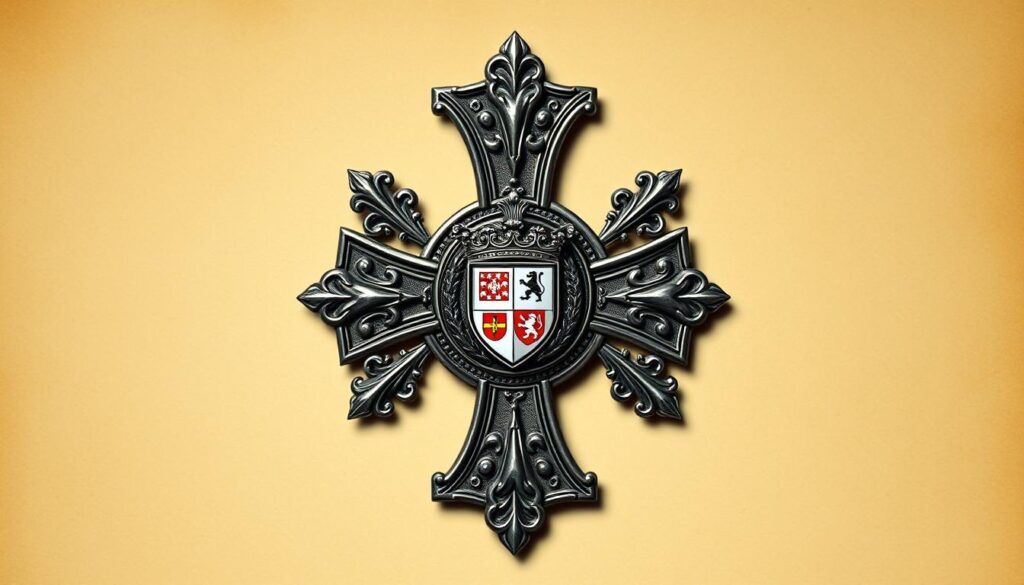
Three classes uphold the order’s operations, distinguished by centuries-old symbols:
| Rank | Symbol | Role |
|---|---|---|
| Commander | Gold eagle cross | Regional leadership |
| Knight of Justice | Solid gold accents | Charitable operations |
| Knight of Honour | Black-enameled details | Ceremonial duties |
Investiture ceremonies feature the iconic white Maltese cross, unchanged since 1668. New members receive insignia in churches where their predecessors worshipped, linking modern volunteers to 10 generations of humanitarian work.
Key Figures and Notable Achievements
Behind every lasting legacy stand visionaries who turn ideals into action. The Bailiwick Brandenburg owes its modern vitality to leaders who balanced tradition with innovation. Their efforts transformed medieval concepts into life-saving health initiatives across continents.
Influential Leaders and Herrenmeisters
Prince Oskar of Prussia continues a 700-year leadership tradition as the thirty-seventh Herrenmeister. His work expands the order’s reach through digital platforms while honoring its charitable roots. Historical figures like Prince Friedrich Carl Alexander laid groundwork for today’s global ambulance services during the 19th century.
Contributions to Healthcare and Charitable Services
From mobile clinics in the United States to eye banks in Africa, these groups redefine modern service. The Order of St. John trains over 500,000 first responders annually through local chapters. Their iconic white cross now symbolizes hope in disaster zones and community hospitals alike.
Recent projects include partnering with tech firms to deliver medical supplies via drones. Such innovations prove that ancient symbols can spark tomorrow’s solutions. Through these activities, members keep compassion relevant in our rapidly changing world.
FAQ
What are the origins of the Bailiwick of Brandenburg and its ties to knightly traditions?
The Bailiwick of Brandenburg traces its roots to the medieval Knights Hospitaller. After the Protestant Reformation, it became independent under the Margrave of Brandenburg, blending chivalric values with Lutheran principles. Today, it’s part of the Alliance of the Orders of St. John.
How do organizations like the Order of Malta and St. John differ today?
The Sovereign Military Order of Malta focuses on Catholic traditions and global humanitarian aid, while Protestant orders like the Johanniter Order prioritize healthcare and community services. Both share a commitment to charity but differ in religious affiliation and historical paths.
What role do ambulance services play in modern knightly orders?
Groups like St. John Ambulance provide emergency medical training and disaster relief worldwide. These services honor their medieval hospitaller legacy by adapting ancient caregiving missions to modern health crises.
Can anyone join organizations like the Johanniter Order?
Membership often requires nomination and alignment with the order’s values. The Johanniter Order, for example, welcomes individuals committed to Christian charity and community service, regardless of noble lineage.
How did the Protestant Reformation reshape knightly orders?
During the Reformation, groups like the Bailiwick of Brandenburg split from Catholic oversight. They retained their charitable missions but adopted Protestant governance, later expanding into healthcare and education.
What symbols are associated with these organizations?
The eight-pointed cross, used by both the Order of Malta and St. John, symbolizes faith and service. Regional branches, like the Bailiwick of Brandenburg, may add unique heraldic elements to reflect their heritage.