For over five centuries, two distinct religious traditions have navigated a complex journey of conflict and collaboration. What began with hopeful outreach during the Protestant Reformation shifted dramatically over time, creating ripples that still shape interfaith dynamics today.
Early interactions between these groups showed moments of potential unity. A 16th-century reformer’s writings initially expressed respect for shared biblical roots, envisioning mutual understanding. However, later texts fueled harmful stereotypes that impacted generations.
Modern efforts tell a different story. In 1994, a major Christian denomination publicly addressed historical wrongs through an official declaration. This paved the way for groundbreaking interfaith projects and educational exchanges. By 2019, new commitments strengthened partnerships focused on social justice and cultural preservation.
These evolving connections reveal how spiritual communities can transform past tensions into collaborative futures. Through honest dialogue and shared values, old divisions give way to fresh opportunities for growth.
Key Takeaways
- Centuries of interaction show both conflict and cooperation between two major faith traditions
- Modern declarations mark significant steps toward healing historical divisions
- Shared scriptural roots create common ground for interfaith projects
- Educational initiatives help address misconceptions and build trust
- Joint social action demonstrates the power of collaborative religious efforts
Historical Foundations and Shared Values
The story of interfaith dynamics often reveals surprising twists. One reformer’s journey shows how hope and hostility can coexist in religious history.
Early Approaches and Mutual Influences
In 1523, a groundbreaking essay offered fresh perspectives. “That Jesus Christ Was Born a Jew” argued for kinship between faiths. The author wrote:
“We gentiles are relatives by marriage… they are of the same blood, cousins and brothers of our Lord.”
This work suggested shared biblical roots could bridge divides. It contrasted sharply with medieval attitudes, proposing dialogue over division.
From Openness to Opposition
Two decades later, the same thinker’s tone turned harsh. His 1543 text compared Jewish people to “the Devil incarnate” and demanded extreme measures:
| Year | Work | Key Themes | Impact |
|---|---|---|---|
| 1523 | “That Jesus Christ Was Born a Jew” | Shared heritage, conversion through kindness | Potential for unity |
| 1543 | “On the Jews and Their Lies” | Persecution, deportation, destruction | Centuries of conflict |
This dramatic shift shaped religious history for generations. Modern scholars note how later movements used these writings to justify discrimination.
Yet the early vision of connection remains significant. It shows how spiritual bonds can outlive temporary conflicts, offering lessons for today’s interfaith efforts.
Theological Context and Doctrinal Debates
Theological disagreements often spring from deep-rooted interpretations of sacred texts. In 17th-century Europe, church leaders framed spiritual identity through strict doctrinal lenses that shaped entire communities.

Scriptural Interpretation Clashes
At the heart of tensions lay conflicting views about divine promises. Many Christian thinkers argued their faith fulfilled ancient prophecies, creating a “new covenant” concept. This idea positioned older traditions as incomplete—a perspective embedded in official church teaching.
One Hamburg pastor’s 1642 statement captures this mindset: “Those who cling to outdated practices endanger both soul and society.” Such views justified strict policies limiting cultural expression and economic opportunities for minority groups.
Christian society developed unique analytical methods during this period:
- Reading Hebrew scriptures as foreshadowing New Testament events
- Viewing continued religious observance as rebellion against divine will
- Interpreting diaspora experiences as punishment for rejecting theological truths
These debates weren’t abstract—they influenced laws and daily interactions. Modern religious institutions continue addressing this complex legacy through revised educational materials and interfaith partnerships.
Key Moments in Lutheran-Jewish Dialogue
The mid-20th century marked a turning point in religious reconciliation efforts. In 1969, the American Jewish Committee partnered with the Lutheran Church to launch groundbreaking academic exchanges. These seminars united scholars from all denominational branches for open theological discussions.
Seminars, Colloquia, and Academic Exchanges
Over fourteen years, six major consultations tackled tough topics like Holocaust theology and biblical interpretations. One participant noted:
“We stopped talking past each other and started hearing shared hopes.”
This structured approach built trust through face-to-face learning and collaborative work.
Notable Declarations and Public Statements
The 1994 ELCA Declaration became a landmark statement, openly addressing historical prejudices. This document acknowledged harmful teachings while committing to partnership:
| Year | Event | Participants | Outcome |
|---|---|---|---|
| 1969 | First Colloquium | 25 scholars | Dialogue framework |
| 1983 | Final Consultation | 40+ leaders | Reconciliation roadmap |
| 1994 | ELCA Declaration | Church assembly | Historic apology |
Role of Visionary Leaders
Rabbi Marc Tanenbaum’s bold leadership helped address systemic issues he called “theological poison.” His counterpart Dr. Paul Opsahl guided church representatives through difficult self-reflection. Together, they proved that honest conversations could rewrite inherited narratives.
lutheran jewish: A Closer Look at Evolving Relations
The path from historical tensions to collaborative efforts reveals transformative potential. In 1994, a major Christian denomination took a bold step by addressing past harms. The Evangelical Lutheran Church in America openly condemned centuries-old anti-Judaic teachings, marking a turning point in interfaith relations.
This declaration set the stage for meaningful change. By 2019, new commitments expanded cooperation between faith groups. Leaders emphasized active engagement with diverse communities, moving beyond apologies to joint action.
Modern partnerships now tackle pressing social issues. Educational programs help both groups explore shared heritage while respecting differences. One initiative brings youth together to discuss scripture through interfaith lenses.
Rabbi Rachel Weiss noted:
“Our dialogue isn’t about forgetting history, but writing new chapters together.”
This approach has led to food drives, cultural exchanges, and advocacy work benefiting broader society.
These developments show how honesty and mutual respect can heal divisions. As communities continue collaborating, they create blueprints for others navigating complex religious landscapes.
Impact of Historical Anti-Judaism on Modern Perspectives
Dark chapters in religious history cast long shadows across generations. A reformer’s later works became dangerous tools when removed from their original context.
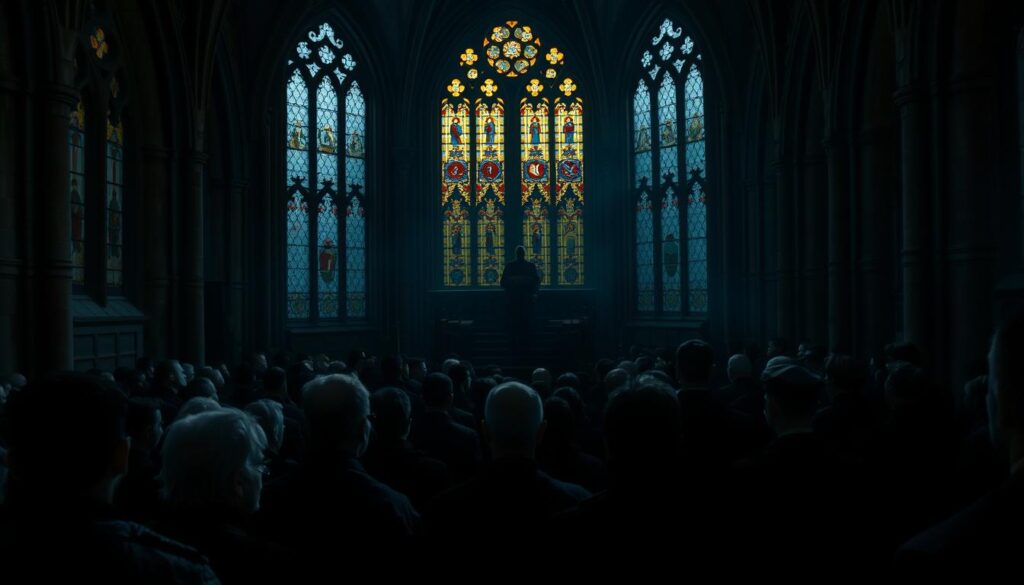
When Words Become Weapons
1543 marked a tragic turning point. Violent rhetoric in religious texts gave extremists seven centuries later what they craved – validation. During Kristallnacht’s horrors, a church leader distributed pamphlets quoting calls to destroy sacred spaces.
At Nuremberg trials, Nazi officials shocked the world by citing 16th-century religious arguments as justification. One prosecutor noted: “These weren’t ancient scribbles – they became murder manuals.”
Healing Through Honesty
Post-war faith leaders faced hard truths. In 1983, a global religious body made history stating:
“We confess with distress how anti-Jewish thinking prepared the way for the Holocaust.”
This breakthrough led to concrete changes:
- Revised educational materials addressing harmful stereotypes
- Interfaith councils reviewing liturgical language
- Public memorials at historic persecution sites
Modern communities now teach both the beauty and danger of sacred texts. Through education and dialogue, people are rewriting old narratives into bridges of understanding.
Economic and Social Influences in Historical Context
Port cities often became laboratories for balancing belief systems with business needs. Nowhere was this tension clearer than in 17th-century Hamburg, where money spoke louder than dogma.
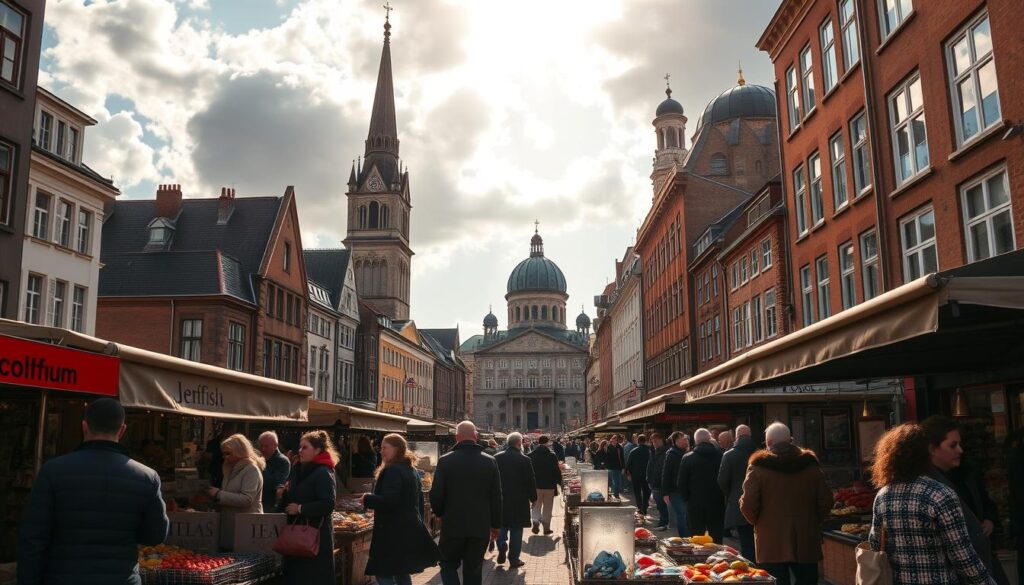
The Case of Hamburg: Commerce versus Clerical Restrictions
When Sephardic merchants arrived in 1612, they transformed the city into a commercial hub. Pastor Johann Müller’s 1644 Judaismus demanded strict limits on religious practices. But city leaders made a practical choice:
“Where strangers find hospitality and freedom, cities gain honor and power.”
The senate ignored theological objections, valuing economic growth over clerical concerns. This decision shaped Northern Europe’s trade networks for generations.
Social Dynamics and Interfaith Coexistence
Hamburg’s streets revealed a fascinating paradox. While preachers denounced foreign customs, shopkeepers partnered with immigrant traders. This uneasy balance created:
| Factor | Clerical Stance | Mercantile Action |
|---|---|---|
| Religious Practice | Restrict | Permit privately |
| Economic Role | Limit | Encourage expansion |
| Social Integration | Reject | Tolerate selectively |
This example shows how practical needs often reshape community relationships. The city’s success as a trading power depended on embracing diversity, even when doctrine disapproved.
Through this lens, Hamburg becomes more than a historical case study. It reveals the role of compromise in building societies where different groups coexist and prosper.
Comparative Analysis: Past Controversies and Present Hopes
History’s toughest lessons often spark tomorrow’s brightest collaborations. The Evangelical Lutheran Church in America recently reframed centuries-old debates through its groundbreaking document on interreligious relations. This shift highlights how faith communities can transform inherited tensions into shared purpose.
Reinterpreting Historical Narratives
Modern scholars approach challenging texts with fresh eyes. By focusing on Luther’s early emphasis on shared biblical roots, new educational materials help reframe divisive topics. One initiative invites learners to analyze 16th-century writings alongside modern interfaith declarations.
Modern Interfaith Initiatives and Dialogue
Programs like Germany Close Up prove dialogue creates lasting change. Young adults explore historic sites while discussing how past conflicts inform current partnerships. As one participant noted: “We’ve reached a point where honest conversations strengthen both traditions.”
These efforts show how confronting difficult history builds hope for cooperative futures. Through education and shared action, old divisions become bridges to mutual understanding.
FAQ
How did Martin Luther’s views toward Jewish communities change over time?
Initially, Martin Luther expressed hope for dialogue and shared scripture. However, later in life, his writings took a hostile turn, promoting harmful stereotypes. These later works fueled antisemitism, which many Lutheran groups now openly reject.
What role do the Old Testament and shared scriptures play in Lutheran-Jewish relations?
Both traditions value the Hebrew Bible, though interpretations differ. Lutherans often view it through the lens of Christ’s teachings, while Jewish communities focus on its ethical and legal frameworks. Recognizing these differences has become key to respectful dialogue.
What modern efforts have improved connections between these faith groups?
Joint seminars, academic collaborations, and public statements—like the Evangelical Lutheran Church’s 1994 apology—have built trust. Leaders like Rabbi Marc Tanenbaum and theologians such as Dr. Opsahl also championed mutual understanding in the 20th century.
How did economic factors influence historical interactions, like in Hamburg?
Cities like Hamburg saw commerce thrive despite religious tensions. Trade often required cooperation, creating spaces where interfaith coexistence became practical, even when clerical authorities opposed it.
Why is addressing Luther’s antisemitic legacy important today?
Acknowledging this history helps dismantle harmful stereotypes. Many Lutheran institutions now prioritize education and partnerships with Jewish organizations to promote justice and counter hate.
What gives hope for future Lutheran-Jewish collaboration?
Grassroots interfaith projects, youth exchanges, and shared social justice goals—like fighting poverty or racism—reflect a growing commitment to unity. These efforts honor past lessons while building a more inclusive society.