For over 135 years, a remarkable organization has shaped lives in western New York. What began as a safe haven for orphaned immigrant children now serves families across multiple generations. Founded in 1886, this institution started by addressing urgent community needs through residential care for vulnerable youth.
Through decades of change, the mission has stayed rooted in core values of dignity and respect. Services expanded thoughtfully as populations aged and new challenges emerged. Today, families find support through specialized programs ranging from memory care facilities to youth development initiatives.
The organization’s evolution mirrors America’s shifting social landscape. From its original focus on Scandinavian immigrants, it now assists diverse groups through:
- Assisted living options
- Home health services
- Community education programs
This adaptive approach keeps care relevant while honoring founding principles. Recent expansions include modern nursing home facilities blending medical expertise with compassionate support. Neighborhood outreach efforts strengthen connections across age groups and backgrounds.
Key Takeaways
- 135-year legacy serving New York communities
- Evolved from children’s home to multi-generational support
- Faith-based values guide modern care practices
- Offers residential and community-based services
- Focuses on independence across all age groups
- Adapts programs to meet changing needs
History and Community Impact
In the years following America’s Civil War, waves of Swedish immigrants faced unimaginable hardships. Many families arrived after losing parents during dangerous journeys, creating urgent needs for child care solutions. This crisis sparked a movement that would reshape support systems across New York State.
Origins and Founding Values
Forty-three faith groups united in 1886 to address a growing problem: abandoned children with nowhere to turn. Their solution became a landmark residence called “the castle on the hill,” initially sheltering 12 orphans. By 1900, this safe haven housed over 90 youth, teaching practical skills through farm work and community projects.
The founders emphasized education and dignity for all residents. Children learned reading and arithmetic alongside Lutheran traditions, preparing them to become contributing adults. This focus on holistic development created ripple effects that strengthened entire neighborhoods.
Evolution of Services Over the Decades
As former residents started families of their own, the organization adapted to new challenges. The 1960s brought two major expansions:
- A Learning Center for teens needing specialized education
- Housing options for elderly immigrants lacking family support
These changes addressed critical gaps in community services. Therapeutic foster care programs later emerged, helping over 100 families provide stable homes. Today, the original children’s home legacy lives through modern programs supporting people across all life stages.
Lutheran Jamestown: Comprehensive Services Directory
Families seeking senior care solutions find peace of mind through tailored support systems. With multiple living arrangements and specialized therapies, this organization helps older adults thrive while maintaining independence.
Personalized Care Environments
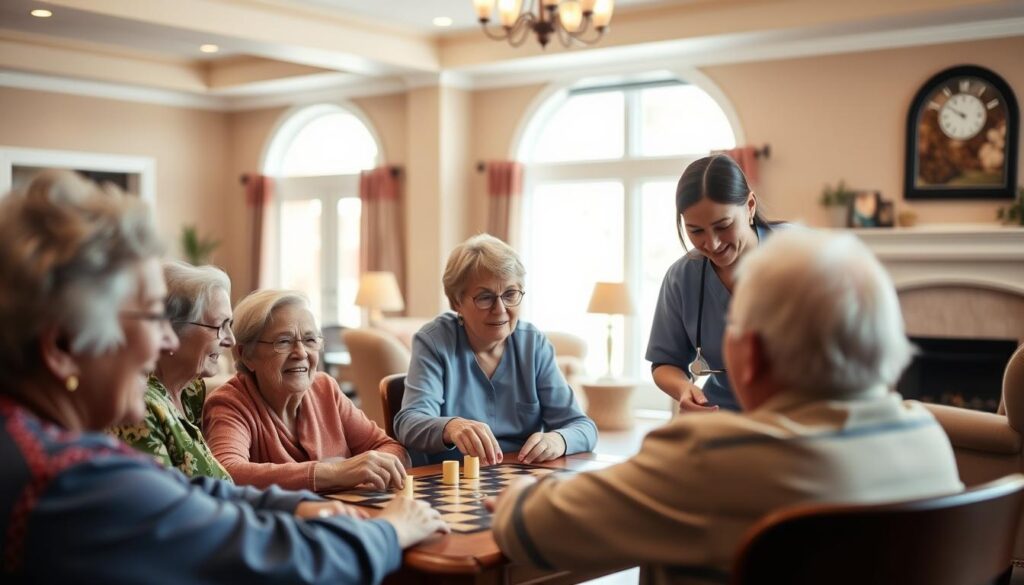
The 148-bed retirement community shines with a 5-star rating for quality care. Licensed nurses provide 3.6 daily care hours per resident, blending medical expertise with compassionate support. Three specialized units cater to distinct needs:
- Memory care with secure spaces for dementia patients
- Short-term rehabilitation programs
- Long-term skilled nursing services
Costs remain transparent, ranging from $1,900 for basic care to $9,125 for intensive medical support. “Our team adapts care plans as needs change,” explains a senior staff member.
Holistic Wellness Programs
Therapy services form the backbone of recovery initiatives. In-house specialists deliver:
- Occupational therapy for daily living skills
- Physical therapy for mobility improvement
- Speech therapy partnerships
Active adults enjoy 200+ housing options through Edgewood Communities. One-bedroom apartments and duplex homes promote social connections through clubs, gardening spaces, and intergenerational activities. Religious services and art classes round out the wellness-focused lifestyle.
Recent Changes and Community Updates
New York State’s senior care landscape shifted dramatically in late 2023. A major provider announced the closure of its Falconer Street nursing home and rehabilitation program, affecting dozens of families and care professionals.
Understanding the Facility Closure
The decision to close the 49-bed facility came after months of financial strain. Occupancy rates sat at 65% – far below the 90% needed for sustainability. Rising costs and shrinking Medicaid reimbursements made quality care increasingly difficult to deliver.
“This wasn’t about willingness, but viability,” explained leadership. The closure preserves resources for other programs like assisted living and senior housing options. Warner Place Adult Day Care, inactive since pandemic restrictions, will also permanently close.
Local Responses and Next Steps
Mayor Eddie Sundquist called the closure “a loss for our entire community.” County Executive PJ Wendel confirmed aging services staff would help relocate residents. Employees receive job placement assistance through state partnerships.
Current residents transition to other facilities by January 2024. Edgewood Communities and Hultquist Place remain open, continuing to serve older adults with housing and care services. The changes highlight ongoing challenges in balancing quality care with operational realities.
Conclusion
For over a century, this organization has woven compassion into community life. What began as shelter for immigrant youth now helps families navigate life’s challenges at every age. Though recent changes closed some facilities, the core mission thrives through modern care solutions.
Today’s residents find dignity in options like Hultquist Place and Edgewood Communities. These housing programs blend independence with skilled support for seniors. Youth initiatives continue helping young adults build life skills, maintaining the original vision.
The closure of Falconer Street’s nursing home reminds us that quality services require adaptable solutions. Yet remaining programs prove community bonds grow stronger through change. Staff still prioritize personalized plans meeting each person’s unique needs.
This legacy shows how Lutheran Jamestown evolves while keeping values rooted in respect. From home-based care to group living spaces, every service honors life’s journey. As new challenges emerge, this enduring commitment will keep shaping brighter tomorrows for all.
FAQ
What types of senior care services are available in Jamestown?
The community offers skilled nursing, assisted living, memory care, and short-term rehabilitation. Support programs include physical therapy, social activities, and personalized care plans to meet individual needs.
How have recent facility closures impacted local care options?
While some locations have consolidated, services remain focused on quality care. Partnerships with regional providers ensure continued access to health programs, home-based support, and specialized therapies.
What makes memory care programs unique here?
Facilities prioritize safety, structured routines, and cognitive therapies. Trained staff use evidence-based approaches to support residents with dementia while fostering dignity and engagement.
Are there financial assistance options for senior housing?
Many programs accept Medicaid, Medicare, and private insurance. Financial counselors help families explore payment plans, veterans’ benefits, or state-funded aid to reduce out-of-pocket costs.
How can families get involved in community activities?
Residents’ loved ones are encouraged to join events, volunteer, or participate in educational workshops. Regular family councils and open communication channels ensure collaborative care decisions.
Has New York State policy affected senior care standards?
Updated regulations emphasize staff training ratios, infection control, and transparency in care quality. Local providers adapt quickly to meet these requirements while maintaining compassionate service.
Do facilities offer intergenerational programs?
Yes! Partnerships with schools and youth groups create mentorship opportunities. Activities like art projects or story-sharing bridge gaps between seniors and younger generations.
What residential options exist beyond traditional nursing homes?
Independent living cottages, respite care suites, and affordable senior apartments provide flexibility. Edgewood Communities, for example, blends privacy with access to 24/7 support.
How can I advocate for improved senior services locally?
Contact area representatives or join coalitions like the Chautauqua County Office for Aging. Sharing experiences at town halls also helps shape policies prioritizing elder care needs.