Many believers crave a deeper connection with God but struggle to find prayer methods that align with their faith. Imagine a devotional tool that blends structure with flexibility, rooted in Scripture yet adaptable to your spiritual journey. This is the heart of the Anglican prayer beads tradition—a practice revitalized for modern Christians seeking meaningful contemplation.
Developed in the 1980s by an Episcopalian priest, this approach reimagines ancient rhythms of prayer for Protestant theology. Unlike other traditions, it removes saint-focused petitions and invites personal expression. Every bead becomes a conversation starter with God, whether you’re reciting Psalms or praying silently.
What makes this practice unique? First, it’s shorter than traditional formats—perfect for busy lives. Second, it encourages customization: write your own prayers or use Bible verses. Most importantly, it centers entirely on biblical truths and direct communication with the Divine. Churches across high-church Protestant communities have embraced it as both grounding and liberating.
Key Takeaways
- Originated in 1980s Anglican/Episcopalian circles as a Scripture-focused alternative
- Simpler structure than traditional rosaries with no saint-related prayers
- Encourages personal customization and spontaneous worship
- Strengthens biblical literacy through meditative repetition
- Fits seamlessly into modern devotional routines
You’ll discover practical ways to incorporate these prayer beads into your spiritual life—whether during morning coffee breaks or evening reflection. This isn’t about ritual; it’s about creating sacred space wherever you are.
Introduction: Rediscovering a Powerful Prayer Tradition
Structured prayer tools often spark debate in Christian circles. Many people associate beads with traditions that feel disconnected from their faith. Yet a growing number of believers are finding freedom in redesigned devotional practices that honor Scripture while fostering deeper connection.
A New Perspective on Devotion
Historical tensions around repetitive prayers stem from Jesus’ warning against “vain repetition” in Matthew 6:7. Early reformers emphasized direct communication with God, moving away from practices they saw as overly ritualistic. But this doesn’t mean all structure lacks value.
Consider how the Psalms model meaningful repetition—the same verses take on new depth when revisited. Modern prayer beads create a similar rhythm of grace, guiding users through themes like gratitude or forgiveness. Each bead becomes a prompt rather than a requirement.
Martin Luther himself valued meditative prayer, writing: “The fewer the words, the better the prayer.” Today’s adaptations build on this idea, using physical beads to anchor wandering thoughts. They help maintain intentional focus during personal worship without prescribed wording.
Churches now teach these tools as bridges between spontaneity and discipline. One pastor notes: “It’s like having conversation starters with God.” Whether reciting Bible passages or silent reflection, the beads serve as tangible reminders of God’s nearness in daily time.
Understanding the Protestant Rosary
Some Christians hesitate to use devotional tools that feel tied to other traditions. But redesigned prayer beads offer fresh ways to engage with Scripture while honoring core beliefs. Let’s explore how this practice evolved and what makes it distinct.
Historical Context and Development
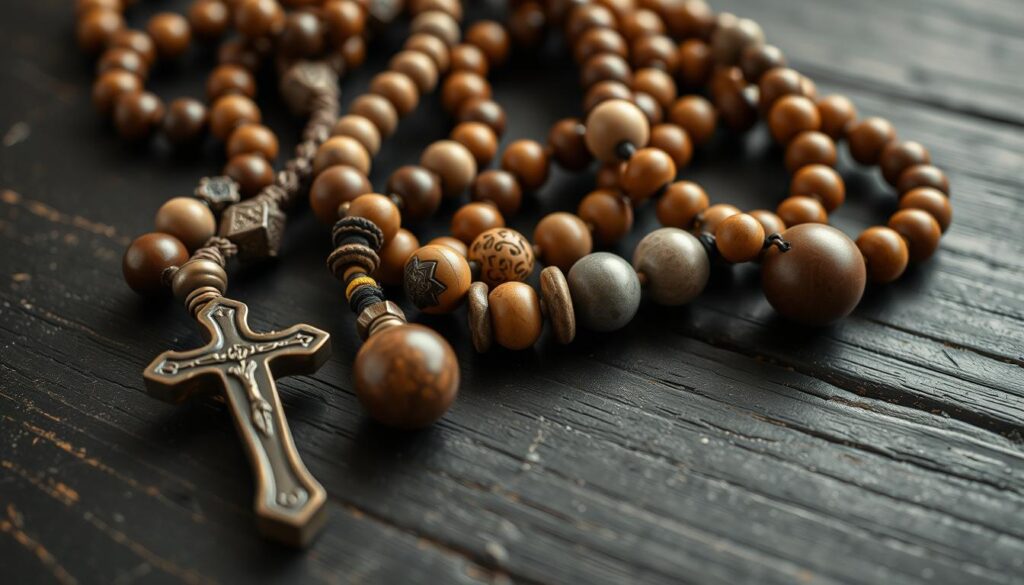
In the 1980s, Rev. Lynn Charles Bauman sought to create a prayer method addressing Protestant concerns. His design kept meditation benefits while removing elements conflicting with sola scriptura principles. The result? A 33-bead structure mirroring Jesus’ earthly years.
Episcopalians and Anglicans first embraced this approach. It spread quickly as churches recognized its potential for personal worship. Unlike older traditions, it required no memorized prayers—just a heart open to God’s Word.
Key Differences from Other Traditions
This adaptation focuses entirely on direct communication with God. Where some practices include saintly intercessions, here every bead points to Christ. Users choose their own Bible verses or spontaneous prayers.
| Aspect | Traditional Version | Modern Adaptation |
|---|---|---|
| Total Prayers | 81 (Including Hail Mary) | Variable (Scripture-based) |
| Focus | Marian Devotions | Direct God Connection |
| Flexibility | Fixed Formulas | Personal Customization |
| Theological Basis | Saint Intercession | Sola Scriptura |
The table shows why many find this approach freeing. It avoids vain repetition through meaningful engagement. As one user shared: “The beads guide me deeper into God’s presence without rigid rules.”
How to Pray the Protestant Rosary
Finding focus in prayer can feel challenging in our busy world. This method creates rhythm through intentional pauses and biblical meditation. You’ll need a quiet space and your chosen Scriptures—let’s begin.
Setting Your Space and Mind
Choose a distraction-free area—a kitchen table or porch swing works perfectly. Keep your Bible nearby. Take three deep breaths to center your thoughts on God’s presence. This isn’t about perfection, but connection.
Step-by-Step Prayer Guide
Start with the Cross bead. Whisper John 3:16 or declare: “I take up my cross daily.” Move to the Invitation bead using Psalm 51: “Create in me a clean heart.”
| Prayer Phase | Traditional Approach | Modern Adaptation |
|---|---|---|
| Opening | Standard prayers | Personal Scripture choice |
| Mercy Focus | Fixed phrases | Jesus Prayer variations |
| Meditation | Predetermined verses | Psalms or Lord’s Prayer |
| Conclusion | Formal closing | Silent reflection |
The four cruciform beads invite mercy requests. Try Mark 10:47—“Son of David, have mercy!” For the 28 weekly beads, rotate between favorite passages. Many find Psalm 23’s “green pastures” imagery calming.
Personal Reflection and Adaptation
Adjust rhythms to your daily life. Use Lenten verses during Easter or healing Scriptures when struggling. One parent shares: “I pray kingdom-focused words while rocking my baby—each bead marks God’s faithfulness.”
End by resting in silence. Let the Holy Spirit highlight specific words from your prayer time. This practice grows deeper with repetition—like muscle memory for the soul.
Exploring the Beads, Prayers, and Scriptures
Prayer practices often evolve to meet the spiritual needs of believers while staying rooted in Scripture. Let’s unpack how traditional phrases and modern adaptations work together to create meaningful worship moments.

Significance of the Prayer Beads and Hail Mary
The Hail Mary prayer contains direct quotes from Luke 1:28 and 42. Phrases like “full of grace” and “blessed art thou among women” celebrate Mary’s role in God’s plan. While some traditions use these words to request her intercession, modern adaptations focus on honoring her as a biblical example of obedience.
Jesus warned against vain repetition in Matthew 6:7—not all repetition, but prayers that lack heart. He modeled meaningful repetition Himself, praying the same words three times in Gethsemane (Matthew 26:44). The Lord’s Prayer, given as a template, shows repetition can deepen understanding when done intentionally.
Scriptural Meditations and Vain Repetition
Beads become powerful tools when paired with Scripture. Try this approach:
- Choose short verses like “The Lord is my shepherd” (Psalm 23:1)
- Repeat phrases that resonate with your current season
- Pause on cruciform beads to reflect on Christ’s sacrifice
One church leader shares: “The beads keep my hands busy so my heart can engage.” This practice helps avoid empty words by anchoring each prayer in biblical truth. Rotate passages monthly to keep your devotions fresh—try Philippians 4:6 for anxiety or Galatians 5:22 for fruit of the Spirit reflections.
Remember: Meaningful repetition isn’t about perfect words. It’s about creating space for God to speak through His Word, one bead at a time.
Overcoming Challenges & Embracing Tradition
Spiritual practices sometimes face pushback due to historical misunderstandings. Let’s clear the air about common concerns while celebrating time-tested devotion.

Honoring Without Worshiping
Early Christians used the term “Mother of God” at Ephesus (AD 431) to confirm Jesus’ divine nature—not to elevate Mary. Reformers like Luther still recognized her biblical role, writing in 1522: “We ought to honor her… but not pray to her.”
Modern adaptations focus on Mary’s obedience rather than intercession. For example, reflecting on her “yes” at the Annunciation (Luke 1:38) inspires surrender to God’s will. This avoids worship while appreciating her faith journey.
Repetition With Purpose
Jesus repeated prayers in Gethsemane, showing heartfelt repetition differs from empty ritual. Compare two approaches:
| Empty Repetition | Meaningful Rhythm |
|---|---|
| Reciting without focus | Meditating on Scripture |
| Seeking ritual comfort | Inviting Holy Spirit guidance |
| Using preset phrases only | Mixing Bible verses with personal words |
One pastor shares: “My beads remind me to breathe between prayers—like musical rests in a hymn.” This method keeps worship centered on Christ while using physical tools to deepen focus.
When facing criticism, gently explain your practice’s biblical roots. Share how it produces fruit in your life—patience during trials or mercy toward others. True devotion always points people back to God’s grace.
Conclusion
In a world full of distractions, finding meaningful ways to connect with God remains a vital pursuit. This prayer method offers scripture-centered rhythms that anchor your thoughts while leaving room for spontaneous worship. Like learning a new language, it might feel awkward at first—but persistence brings rich rewards.
The beads serve as gentle guides, not rigid rules. They help quiet life’s noise so you can hear God’s voice more clearly. Whether reciting Psalms or whispering personal requests, each moment becomes an invitation to experience divine mercy and love.
Some worry about losing theological focus. Rest assured: every element points directly to Christ’s redeeming work. This practice builds biblical literacy through repetition that transforms rather than numbs—the same verse reveals new depths each time you pray.
If others question this approach, share how it deepens your communion with God. Remember, early Christians used physical reminders in prayer. What matters isn’t the tool, but the heart seeking His kingdom.
Why not try it this week? Start with one bead and a favorite verse. Let each touch become a step closer to the One who calls you by name. His presence awaits—simple, patient, and life-changing.
FAQ
What’s the purpose of using prayer beads in this tradition?
Prayer beads serve as a tactile guide to focus the mind and heart during meditation. They help structure prayers while keeping the emphasis on connecting with God’s Word, not ritualistic repetition.
How does this practice address concerns about repetitive prayers?
The focus is on intentional reflection, not empty repetition. Each bead encourages deeper engagement with Scripture, allowing the Holy Spirit to renew your mind through Christ-centered truths.
Are there specific Bible verses linked to this prayer method?
Yes! Many meditations center on passages like the Lord’s Prayer (Matthew 6:9–13) or the Fruit of the Spirit (Galatians 5:22–23). The goal is to let Scripture shape your prayers organically.
How is Mary viewed in this devotional practice?
While honoring her role as Jesus’ mother, the emphasis remains on Christ alone. Prayers highlight God’s grace and salvation, avoiding any veneration that might distract from biblical teachings.
Can I adapt the prayers to fit my personal faith journey?
Absolutely. This tradition invites flexibility—swap written prayers for spontaneous ones, or pause on a bead to journal. The beads are tools, not rules, designed to deepen your walk with God.
Does using beads conflict with Protestant beliefs about idolatry?
Not when used as a practical aid, like highlighting a Bible verse. The beads themselves hold no power; they simply help direct attention to God’s promises and character.
How often should I engage in this type of prayer?
There’s no strict rule—consistency matters more than frequency. Many find daily use creates rhythm, while others pray weekly. Let the Spirit guide your pace.