The Bible is considered the primary source and criterion for Christian doctrine in the United Methodist Church. Through Scripture, the living Christ is believed to meet individuals in the experience of redeeming grace.
The significance of the Bible in the United Methodist Church is profound, influencing both Christian doctrine and daily life. The church’s beliefs are deeply rooted in biblical teachings, guiding its followers in their spiritual journeys.
Key Takeaways
- The Bible is the primary source for Christian doctrine in the United Methodist Church.
- Scripture plays a crucial role in the experience of redeeming grace.
- The church’s beliefs are deeply rooted in biblical teachings.
- The Bible influences both Christian doctrine and daily life.
- The United Methodist Church views the Bible as a guide for spiritual journeys.
Understanding the United Methodist Church’s Approach to the Bible
The Bible holds a significant place in the United Methodist Church, influencing its doctrine, worship, and practices. United Methodists share with other Christians the conviction that Scripture is the primary source and criterion for Christian doctrine.
Historical Context and Interpretation
The United Methodist Church’s approach to the Bible is deeply rooted in its historical context. The Church’s doctrine is influenced by its Wesleyan heritage, which emphasizes the importance of personal faith, evangelism, and social justice.
The interpretation of Scripture within the United Methodist Church involves understanding the historical context in which the biblical texts were written. This approach helps to uncover the original meaning of the texts and their relevance to contemporary issues.
Key aspects of historical context and interpretation include:
- Understanding the cultural and social context of the biblical authors
- Recognizing the role of tradition in interpreting Scripture
- Applying biblical teachings to contemporary issues and challenges
Key Beliefs and Values
The United Methodist Church derives its key beliefs and values from biblical teachings. These beliefs are centered on the conviction that Scripture is the primary source for Christian doctrine.
Some of the core beliefs and values include:
- The authority of Scripture in matters of faith and practice
- The importance of personal faith and spiritual growth
- The call to social justice and compassion
The Role of Scripture in Worship
Scripture plays a vital role in the worship services of the United Methodist Church. The reading and interpretation of biblical texts are central to the Church’s liturgy.
The use of Scripture in worship serves several purposes:
- To proclaim the message of salvation through Jesus Christ
- To guide the congregation in prayer and reflection
- To inspire faith and commitment among believers
In conclusion, the United Methodist Church’s approach to the Bible is characterized by a deep respect for Scripture, a commitment to understanding its historical context, and a dedication to applying its teachings in worship and daily life.
The Structure of the United Methodist Bible
The United Methodist Church’s Bible is structured around canonical books that hold significant importance. The structure of the Bible is crucial for understanding the church’s beliefs and practices.
Canonical Books and Their Significance
The United Methodist Church recognizes a specific set of books as canonical, which are considered authoritative and divinely inspired. These books are the foundation of the church’s teachings and practices.
The canonical books are divided into two main sections: the Old Testament and the New Testament. The United Methodist Church recognizes thirty-nine books of the Old Testament and twenty-seven books of the New Testament as canonical.
“The Bible is the primary source of authority for the United Methodist Church, guiding its beliefs, practices, and mission.”
| Testament | Number of Books | Examples of Books |
|---|---|---|
| Old Testament | 39 | Genesis, Isaiah, Psalms |
| New Testament | 27 | Matthew, Romans, Revelation |
Old Testament vs. New Testament
The Old Testament contains books written before the birth of Jesus Christ, including historical accounts, prophetic writings, and wisdom literature. The New Testament contains accounts of Jesus Christ’s life, teachings, death, and resurrection, as well as letters from early Christian leaders.
The distinction between the Old and New Testaments is significant because it highlights the progression of God’s relationship with humanity, from the creation story to the life and teachings of Jesus Christ.
Apocryphal Books in United Methodism
Apocryphal books are texts not considered canonical by the United Methodist Church but are still valued for their historical and spiritual significance. These books provide additional context to the canonical texts.
The United Methodist Church acknowledges the importance of apocryphal books in understanding the historical and cultural context of the biblical period.
Recommended Bible Translations for United Methodists
The United Methodist Church recognizes the importance of accurate and accessible Bible translations in fostering a deeper understanding of God’s word. With numerous translations available, choosing the right one can be a daunting task. This section aims to guide United Methodists in selecting a Bible translation that aligns with their beliefs and values.
Commonly Used Versions
Several Bible translations are widely used within the United Methodist Church. These include:
- The Common English Bible (CEB), known for its clear and accessible language.
- The New Revised Standard Version (NRSV), appreciated for its scholarly accuracy and inclusivity.
- The New International Version (NIV), a popular choice for its balance between accuracy and readability.
The Means of Grace Bible (Common English Bible) is a recommended resource for United Methodists, offering a series of reflections on reading and discerning the Bible.
Guidelines for Choosing a Translation
When selecting a Bible translation, United Methodists should consider several factors:
| Criteria | Description |
|---|---|
| Accuracy | How faithfully the translation represents the original texts. |
| Readability | How clear and understandable the language is. |
| Inclusivity | The extent to which the translation uses inclusive language. |
The Inclusivity of Language in Translations
Inclusive language is a significant consideration in modern Bible translations. The United Methodist Church values translations that respectfully include all people, avoiding language that may be perceived as exclusionary or biased.
The New Revised Standard Version (NRSV) is an example of a translation that has been praised for its commitment to inclusive language, making it a preferred choice for many United Methodists.
How the United Methodist Church Utilizes Scriptures in Worship
The United Methodist Church deeply integrates Scripture into its worship services, fostering a rich spiritual experience for its congregation. This integration is evident in various aspects of the worship service, from readings and sermons to prayers and hymns.
Readings and Sermons
In United Methodist worship, biblical readings are a fundamental component, providing the foundation for the sermon and the overall message of the service. The church follows a lectionary, a schedule of readings that ensures a broad coverage of Scripture over time. This approach helps congregants engage with a wide range of biblical texts.
The sermon is another critical element where Scripture is utilized. United Methodist clergy are trained to interpret biblical texts in a way that is relevant to the contemporary context, making the ancient texts speak to modern-day issues and concerns.
- Expository preaching that delves deeply into specific biblical passages.
- Topical sermons that address current issues through the lens of Scripture.
- Narrative sermons that retell biblical stories in a compelling manner.
The Liturgical Calendar and Biblical Texts
The United Methodist Church follows the liturgical calendar, which organizes the year into various seasons such as Advent, Christmas, Lent, and Easter. Each season has its own set of themes and biblical readings, ensuring that the congregation is guided through the story of salvation.
The liturgical calendar is closely tied to biblical texts, with specific readings and themes assigned to each Sunday and holy day. This helps in creating a rhythm of worship that is deeply rooted in Scripture.
- Advent focuses on preparation for the coming of Christ.
- Lent is a period of reflection and repentance, often marked by studies of key biblical narratives.
- Easter celebrates the resurrection of Jesus, with readings highlighting the significance of this event.
Prayers and Hymns Inspired by Scripture
Prayers and hymns in United Methodist worship are often inspired by Scripture, drawing on biblical language and themes to express praise, confession, and supplication. This ensures that worship is not just a generic religious exercise but is deeply connected to the biblical narrative.
The use of psalms and other biblical canticles in worship services adds a rich layer of depth, incorporating the prayers and songs of the biblical tradition into contemporary worship.
- Prayers that echo the language of the Psalms.
- Hymns that retell biblical stories or reflect biblical themes.
- Responsive readings that involve the congregation in a dialogue based on Scripture.
By integrating Scripture into every aspect of worship, the United Methodist Church creates a worship experience that is both deeply rooted in tradition and relevant to the lives of its members.
Studying the Bible within the United Methodist Framework
Within the United Methodist framework, Bible study is a vital component of spiritual growth and development. The Church offers a variety of approaches to deepen one’s understanding of Scripture, catering to different learning styles and preferences.
Small Group Studies and Bible Classes
Small group studies and Bible classes are integral to the United Methodist Church’s approach to Bible study. These settings allow participants to explore Scripture in a collaborative environment, fostering discussion and insight. Resources such as “Unrelenting Grace: A United Methodist Way of Life” by Kenneth H. Carter Jr. and “Means of Grace Bible” are often utilized in these studies.
These group studies not only enhance individual understanding but also promote a sense of community among participants. They are designed to be inclusive, welcoming individuals from various backgrounds and age groups.
Resources for Personal Study
For those who prefer personal study, the United Methodist Church provides numerous resources. These include commentaries, devotionals, and study Bibles that are aligned with the Church’s theological perspectives.
Some recommended resources for personal study include:
- United Methodist Bible – A study Bible that incorporates notes and commentary from a United Methodist perspective.
- The Interpreter’s Bible – A comprehensive commentary that covers the entire Bible.
Online Platforms and Apps
In today’s digital age, the United Methodist Church also leverages online platforms and apps to facilitate Bible study. These tools offer flexibility and accessibility, allowing individuals to engage with Scripture at their convenience.
Some popular online resources include:
| Resource | Description |
|---|---|
| Upper Room | A devotional resource with daily readings and reflections. |
| Disciple Bible Study | A comprehensive Bible study program available online. |
| United Methodist Church’s Official Website | Offers various Bible study resources, including devotionals and study guides. |
By utilizing these resources and approaches, individuals within the United Methodist Church can deepen their understanding of the Bible and enhance their spiritual journey.
The Methodist Tradition of Social Justice in Scripture
The Wesleyan heritage directs the church to a self-conscious use of Scripture, tradition, experience, and reason in interpreting Scripture and formulating faith statements that promote social justice. This approach has significantly shaped the United Methodist Church’s stance on various social issues, emphasizing the importance of biblical teachings in guiding social action.

Key Biblical Passages Encouraging Justice
The Bible is replete with passages that underscore the importance of justice and compassion. For instance, Micah 6:8 emphasizes doing justice, loving mercy, and walking humbly with God. Similarly, Matthew 25:31-46 highlights the significance of caring for the least among us, a theme that resonates deeply within the Methodist tradition.
Other key passages include Isaiah 1:17, which calls for learning to do good and seeking justice, and James 2:14-17, which stresses that faith without works is dead. These scriptures form the foundation of the United Methodist Church’s commitment to social justice.
How Scripture Guides Social Action
Scripture guides social action within the United Methodist Church by providing a moral framework that emphasizes love, compassion, and justice. The church’s Social Principles, outlined in the Book of Discipline, reflect this biblical foundation, addressing issues such as poverty, inequality, and human rights.
The church encourages its members to engage in acts of mercy and justice, inspired by biblical teachings. This includes advocating for policies that promote justice and participating in community outreach programs that serve the marginalized.
Community Outreach Programs Inspired by the Bible
The United Methodist Church is involved in numerous community outreach programs that are directly inspired by biblical teachings. These programs range from food banks and homeless shelters to advocacy campaigns for social justice.
For example, many United Methodist congregations participate in food drives and soup kitchens, reflecting the biblical mandate to feed the hungry. Others are involved in prison ministry and advocacy for the incarcerated, echoing the biblical call to visit those in prison.
Incorporating Scripture into Daily Life
Daily life and Scripture are intertwined in the United Methodist tradition, fostering a deeper connection with God. The United Methodist Church encourages its members to integrate biblical teachings into their everyday activities, promoting a life of faith, love, and service.
Devotional Practices for Individuals
Individuals within the United Methodist Church can deepen their faith through various devotional practices. Personal Bible reading is a fundamental practice, allowing individuals to reflect on Scripture and its application in their lives. Many find it helpful to use a devotional guide or a daily prayer app to structure their quiet time.
Another meaningful practice is meditation on Scripture. By focusing on a particular verse or passage, individuals can gain a deeper understanding of God’s message and its relevance to their personal circumstances.
Family Bible Reading Ideas
For families, incorporating Scripture into daily life can be a bonding experience. Family Bible reading is a practice that can be adapted to suit different age groups and schedules. One idea is to establish a regular family devotional time, where everyone gathers to read and discuss a selected passage.
Creating a family Bible study plan can also be beneficial. This involves choosing a book or theme to explore over a set period, allowing family members to engage with Scripture together and with other family activities.
Community Engagement through Scripture
The United Methodist Church also emphasizes the importance of community engagement through Scripture. Members are encouraged to participate in Bible studies and prayer groups within their local churches. These communal activities foster a sense of fellowship and provide opportunities for members to share insights and support one another in their spiritual journeys.
Furthermore, the Church promotes outreach programs inspired by biblical teachings. By engaging in community service and social justice initiatives, members can live out their faith in practical ways, reflecting the love and compassion advocated in Scripture.
The United Methodist Church’s Statement of Faith and the Bible
The United Methodist Church’s Statement of Faith is deeply rooted in its interpretation of the Bible. The church’s doctrinal standards identify the Bible as the source of all that is “necessary” and “sufficient” unto salvation. This foundational belief underscores the importance of Scripture in shaping the church’s doctrine and practices.
Core Tenets of Belief
The United Methodist Church’s core tenets of belief are centered on the authority of Scripture. The church affirms that the Bible is the primary source of guidance for faith and practice. This is reflected in its Statement of Faith, which emphasizes the importance of faith in Jesus Christ, the Trinity, and the role of the Holy Spirit in guiding believers.
Key aspects of the United Methodist Church’s core tenets include:
- The authority of Scripture in matters of faith and practice
- The Trinity: Father, Son, and Holy Spirit
- The divinity and humanity of Jesus Christ
- The role of the Holy Spirit in guiding believers
How Scripture Shapes Doctrine
Scripture plays a pivotal role in shaping the United Methodist Church’s doctrine. The church’s theologians and leaders interpret biblical teachings to guide the development of its doctrine. This process involves a careful examination of Scripture, consideration of historical and cultural contexts, and a commitment to applying biblical principles to contemporary issues.
The influence of Scripture on doctrine is evident in several areas:
| Doctrine | Scriptural Basis |
|---|---|
| The Trinity | Matthew 28:19, 2 Corinthians 13:14 |
| The divinity and humanity of Jesus Christ | John 1:1-14, Philippians 2:5-8 |
| The role of the Holy Spirit | John 16:7-15, Romans 8:1-27 |
The Importance of Tradition in Interpretation
Tradition plays a significant role in the United Methodist Church’s interpretation of Scripture. The church recognizes that its understanding of the Bible is informed by its historical and cultural heritage. This means that tradition and Scripture are intertwined, with tradition providing a context for interpreting biblical teachings.
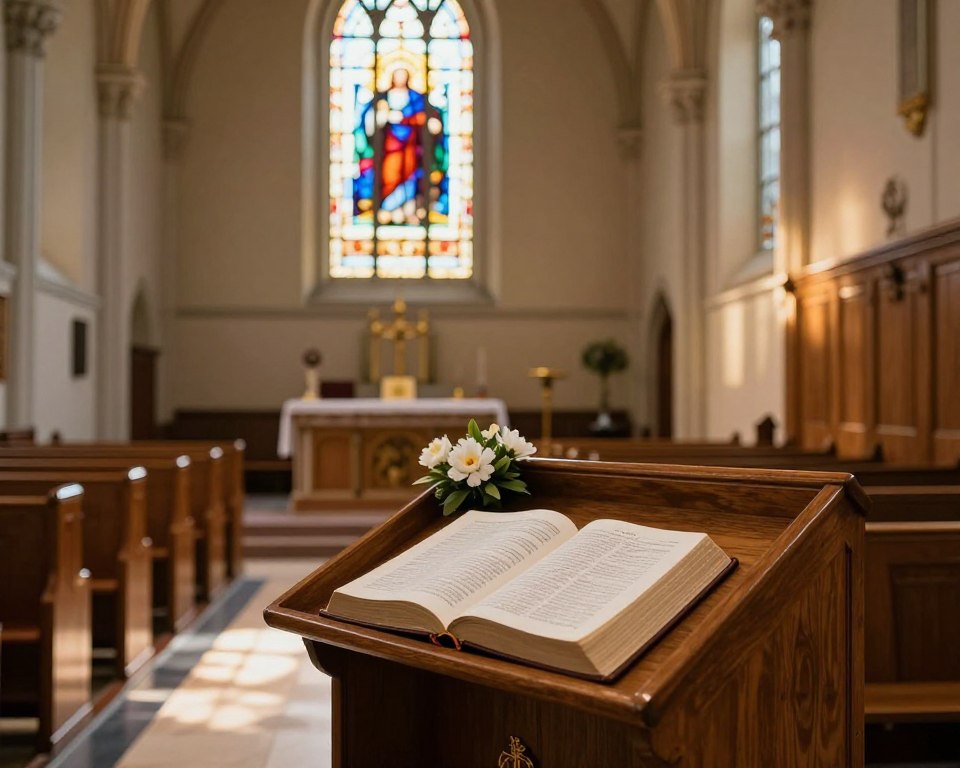
The United Methodist Church’s approach to interpreting Scripture is characterized by a commitment to understanding the historical and cultural contexts of biblical texts. This approach is balanced by a recognition of the importance of tradition in shaping the church’s understanding of its faith.
Exploring Different Methods of Biblical Interpretation
The United Methodist Church employs a multifaceted approach to understanding the Bible, incorporating various methods of biblical interpretation. This diversity in interpretation enriches the Church’s comprehension of scripture, allowing for a more nuanced understanding of its teachings.
The complexity of the Bible necessitates multiple approaches to interpretation. The United Methodist Church recognizes this and utilizes a range of methodologies to uncover the depth and breadth of biblical teachings.
Historical-Critical Method
The historical-critical method is a cornerstone of biblical interpretation in the United Methodist Church. This approach involves analyzing the historical context in which the biblical texts were written, including the social, political, and cultural environments of the time.
By understanding the historical context, the Church can better interpret the original meaning of the scriptures and apply these teachings to contemporary issues.
Literary and Theological Approaches
In addition to the historical-critical method, the United Methodist Church also employs literary and theological approaches to biblical interpretation. Literary approaches examine the narrative structures, genres, and linguistic features of the biblical texts.
Theological approaches, on the other hand, focus on the theological themes and doctrines present in the scriptures, seeking to understand the Bible’s message in light of the Church’s faith traditions.
Contextual and Social Interpretations
Contextual and social interpretations are also vital to the United Methodist Church’s understanding of the Bible. These approaches consider the social and cultural contexts of both the ancient biblical world and contemporary society.
By examining the Bible through the lens of different social and cultural contexts, the Church can gain a more comprehensive understanding of its teachings and their relevance to diverse communities.
The following table summarizes the different methods of biblical interpretation used by the United Methodist Church:
| Method | Description | Focus |
|---|---|---|
| Historical-Critical | Analyzes the historical context of biblical texts | Original meaning and historical accuracy |
| Literary | Examines narrative structures and genres | Literary features and narrative analysis |
| Theological | Focuses on theological themes and doctrines | Theological understanding and doctrine |
| Contextual and Social | Considers social and cultural contexts | Relevance to diverse communities and contexts |
By employing these diverse methods of biblical interpretation, the United Methodist Church fosters a rich and nuanced understanding of the Bible, enabling its members to engage deeply with scripture and its teachings.
Frequently Asked Questions about the United Methodist Bible
The United Methodist Church’s approach to the Bible is rooted in tradition and guided by the Wesleyan heritage. This foundation shapes how the Bible is interpreted and applied within the church. As a result, several questions frequently arise regarding its uniqueness, differences from other Christian Bibles, and its accessibility to all Christians.
What Makes the United Methodist Bible Unique?
The United Methodist Bible is recognized for its canonical texts and interpretive approaches that are guided by the Wesleyan heritage. This heritage emphasizes the importance of personal experience, social justice, and the authority of Scripture. The unique aspect of the United Methodist Bible lies in its balanced approach to tradition, reason, and experience in interpreting Scripture.
Wesleyan Heritage plays a crucial role in shaping the United Methodist Church’s understanding of the Bible. It encourages a holistic approach to faith that includes intellectual understanding, emotional connection, and practical application. This heritage is reflected in how the Bible is studied and applied in various contexts within the church.
How Does It Differ from Other Christian Bibles?
While the United Methodist Bible includes the same canonical texts as other Christian Bibles, its interpretation is distinct due to the Wesleyan theological perspective. This perspective emphasizes the importance of grace, faith, and holiness. The interpretation is also influenced by the church’s stance on social justice, which is deeply rooted in biblical teachings.
| Aspect | United Methodist Bible | Other Christian Bibles |
|---|---|---|
| Interpretive Approach | Guided by Wesleyan heritage, emphasizing personal experience and social justice | Varies widely among denominations, with different emphases on tradition, reason, and experience |
| Canonical Texts | Includes the same texts as other Protestant Christian Bibles | Similar canonical texts, with variations in the inclusion of apocryphal books |
| Theological Emphasis | Emphasizes grace, faith, and holiness | Varied theological emphases across different Christian denominations |
Can All Christians Use the United Methodist Bible?
Yes, the United Methodist Bible can be used by all Christians. While its interpretation is guided by the Wesleyan heritage, the Bible itself is a universal text revered across Christian denominations. The United Methodist Church’s approach to Scripture, which balances tradition, reason, and experience, can enrich the spiritual lives of Christians from various backgrounds.
Online worship and study resources provided by the United Methodist Church have made it easier for Christians worldwide to engage with the Bible. These resources include online Bible studies, devotionals, and worship services that incorporate biblical teachings.
Resources for Further Exploration of the United Methodist Bible
Deepening one’s understanding of the United Methodist Bible requires engagement with various resources. For those seeking to explore further, several publications and opportunities are available.
Recommended Literature
Books such as “Multiplying Love: A Vision of United Methodist Life Together” by Paul W. Chilcote and “Knowing Who We Are: The Wesleyan Way of Grace” by Laceye C. Warner offer insightful perspectives on United Methodist beliefs and practices. These resources can enhance personal study and group discussions within local united methodist church services.
Online Learning Opportunities
Online courses and webinars provide flexible ways to delve into biblical studies and United Methodist traditions. Participants can explore these from the comfort of their own homes, connecting with others who share similar interests in the united methodist church near me.
Community Engagement
Community events and workshops hosted by local churches offer hands-on experiences and opportunities to engage with Scripture in a communal setting. These events foster a deeper understanding of the Bible and its application in daily life, aligning with the values promoted by the United Methodist Church.
FAQ
What is the significance of the Bible in the United Methodist Church?
The Bible is central to the United Methodist Church’s doctrine and daily life, influencing its teachings and practices.
How does the United Methodist Church approach biblical interpretation?
The church uses various methods, including historical-critical, literary, and theological approaches, to understand Scripture.
What is the structure of the United Methodist Bible?
It includes the canonical books of the Old and New Testaments, with some consideration of apocryphal books.
Are there recommended Bible translations for United Methodists?
Yes, commonly used versions include the New Revised Standard Version (NRSV) and the Common English Bible (CEB), with guidelines for choosing a translation that includes considerations for inclusive language.
How is Scripture used in United Methodist worship services?
Biblical readings, sermons, the liturgical calendar, prayers, and hymns inspired by Scripture are integral to worship.
What resources are available for studying the Bible within the United Methodist Church?
Resources include small group studies, personal study materials, and online platforms.
How does the United Methodist Church relate social justice to Scripture?
The church emphasizes social justice as derived from biblical teachings, with key passages guiding social action and community outreach.
How can individuals incorporate Scripture into their daily lives?
Through devotional practices, family Bible reading, and community engagement inspired by Scripture.
What is the United Methodist Church’s Statement of Faith, and how does it relate to the Bible?
The Statement of Faith outlines core tenets of belief shaped by Scripture, with tradition playing a role in interpretation.
Can all Christians use the United Methodist Bible?
While the United Methodist Bible is used within the United Methodist Church, its contents are accessible and relevant to all Christians.
How does the United Methodist Bible differ from other Christian Bibles?
The United Methodist Bible is not unique in content but is distinct in its interpretation and application within the United Methodist tradition.
What methods of biblical interpretation are used in the United Methodist Church?
The church employs a range of methods, including historical-critical, literary, theological, and contextual interpretations.