At the heart of Anglican tradition lies a vibrant expression of the Christian faith, rooted in the life and teachings of Jesus Christ. This global community shares core principles with other Christian denominations while maintaining distinct practices shaped by centuries of spiritual evolution.
Central to this tradition is the concept of the Trinity—the belief in one God revealed as Father, Son, and Holy Spirit. Followers emphasize Christ’s sacrificial love as the pathway to redemption, viewing His resurrection as humanity’s ultimate hope for reconciliation with the divine.
The English Reformation of the 16th century established key theological foundations that still guide worship today. A unique threefold approach combines biblical authority, historical church traditions, and thoughtful reasoning, creating space for both ancient rituals and modern interpretations.
With over 110 million members worldwide, this tradition bridges cultural boundaries through shared sacraments and creeds. Its adaptability allows local communities to honor their heritage while maintaining unity through common liturgy and global partnerships.
Key Takeaways
- Anglican theology centers on the Trinity and Christ’s role in salvation
- Scripture, tradition, and reason form the basis of spiritual practice
- Historical roots trace back to 16th-century England
- Global presence spans 110 million members across diverse cultures
- Balances ancient rituals with contemporary faith experiences
Introduction to Anglican Christianity
Rooted in the rich soil of 16th-century England, Anglican Christianity blends historical depth with modern adaptability. This tradition grew from the Church of England’s Reformation-era reforms, merging Protestant principles with Catholic liturgical practices. Today, it connects millions through shared sacraments and a commitment to thoughtful faith exploration.
Defining the Anglican Tradition
Anglicanism operates through a global network of self-governing provinces united under the Archbishop of Canterbury. Known as Episcopalianism in America, its structure emphasizes regional autonomy while maintaining doctrinal unity. The Book of Common Prayer serves as its spiritual anchor, guiding worship across 42 member churches worldwide.
| Historical Roots | Modern Practice |
|---|---|
| 16th-century English Reformation | Cultural adaptation in 165+ countries |
| Henry VIII’s break with Rome | Contemporary social engagement |
| Elizabethan Settlement (1559) | Interfaith dialogue initiatives |
The Relevance of Anglicanism Today
This tradition remains vital through its threefold approach to faith—honoring scripture, tradition, and reason equally. Its liturgical framework allows ancient rituals to resonate with modern worshippers, creating space for both intellectual inquiry and emotional connection. Over 85 million active members demonstrate its enduring appeal across six continents.
Local communities shape practices while preserving core teachings, making Anglicanism accessible to people from various cultures. This balance between flexibility and continuity explains why many see it as Christianity’s enduring middle way.
Traditions and Theological Foundations
Anglican Christianity’s theological framework combines ancient wisdom with practical application. At its core lies a dynamic relationship between sacred texts, historical practices, and intellectual engagement. This approach helps communities navigate complex spiritual questions while staying grounded in timeless truths.
Scripture as the Ultimate Standard of Faith
The holy scriptures form Christianity’s bedrock, offering God’s complete revelation through 66 ancient texts. Anglicans view the Bible as containing “all things necessary for salvation”, from Genesis’ creation stories to Revelation’s visions. These writings serve as the standard faith guidebook, shaping worship practices and ethical decision-making.
Balancing Tradition, Reason, and Historical Practice
Three pillars support Anglican theology like legs on a sturdy stool:
- Scripture: The unchanging foundation of divine truth
- Tradition: Wisdom from the early church preserved through creeds and liturgy
- Reason: God-given intellect applied to modern challenges
This balanced means of understanding prevents rigid dogmatism while maintaining continuity with 2,000 years of Christian faith. Historical documents like the Book of Common Prayer connect today’s worshippers to Reformation-era reformers, creating living bridges between past and present.
Exploring what do anglican churches believe
Anglican spiritual identity finds its clearest expression through shared statements that bridge centuries of practice. These unifying elements create common ground across diverse communities while allowing cultural adaptation.
Core Doctrines and Creeds
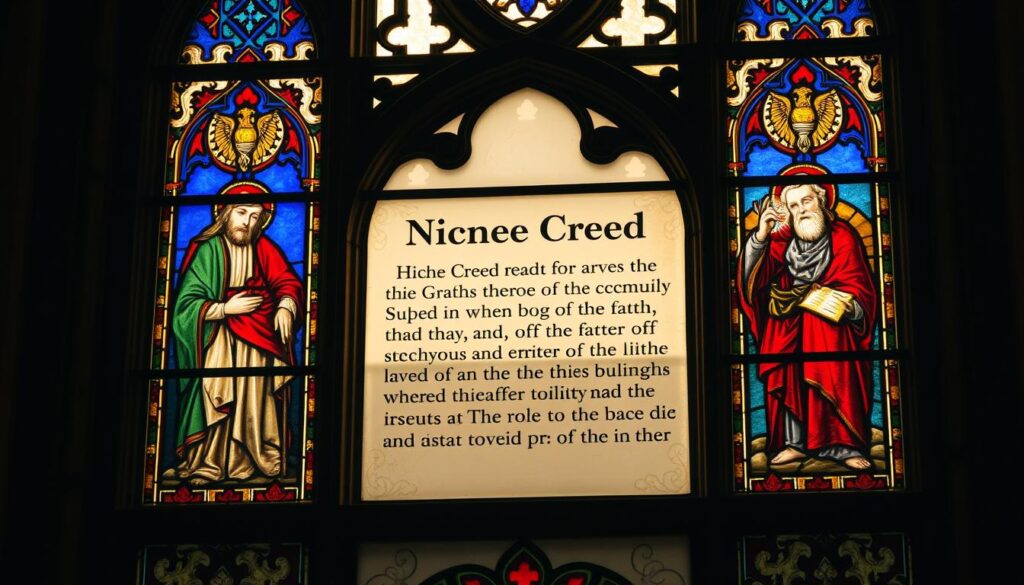
The Nicene Creeds and Apostles’ Creed form essential anchors. These ancient declarations outline foundational convictions about one God existing as Trinity – Father, Son, and Holy Spirit. They affirm Christ’s divine nature and resurrection while connecting modern worshippers to the apostolic church.
Salvation through Jesus’ sacrifice remains central. The creeds emphasize how Christ’s death and resurrection restore humanity’s relationship with the divine. This message of reconciliation resonates through baptismal vows and weekly liturgies worldwide.
The Chicago-Lambeth Quadrilateral Explained
Developed in the 1880s, this four-part framework clarifies Anglican priorities:
- Scripture as ultimate authority
- Creeds as sufficient Christian faith summaries
- Two primary sacraments (Baptism and Communion)
- Leadership through historic bishops
This approach balances stability with flexibility. It allows local communities to address contemporary issues while maintaining global unity. The Quadrilateral’s enduring relevance shows how Anglicans believe in both ancient truths and thoughtful engagement with modern life.
Historical Development from the 16th Century to the Present
The transformation of English religious life in the 1500s reshaped Christianity’s landscape forever. Political shifts and spiritual renewal collided, creating a unique path between Rome’s authority and Protestant reforms.
Reformation Roots and the Book of Common Prayer
King Henry VIII’s 1534 Act of Supremacy marked a turning point. This bold move severed ties with papal control, establishing England’s church as a sovereign entity. Though political motives drove initial changes, spiritual reforms soon followed.
Archbishop Thomas Cranmer became the architect of renewal. His 1549 Book of Common Prayer standardized worship in English rather than Latin. This revolutionary text blended ancient rituals with Protestant theology, creating accessible liturgy for ordinary people.
The 39 Articles of Religion (1571) cemented doctrinal foundations. These statements balanced Catholic sacramental views with Reformed teachings on scripture’s authority. Together with Cranmer’s prayer book, they told the story of a faith tradition embracing both continuity and change.
Four key developments shaped this era:
- Royal authority replacing papal jurisdiction
- Vernacular worship replacing Latin masses
- Retention of bishops and sacraments
- Adaptation of Calvinist theological concepts
This 16th-century transformation established lasting patterns. Modern communities still use updated versions of Cranmer’s prayers, proving ancient forms can nurture contemporary faith.
Liturgical Practices and the Book of Common Prayer
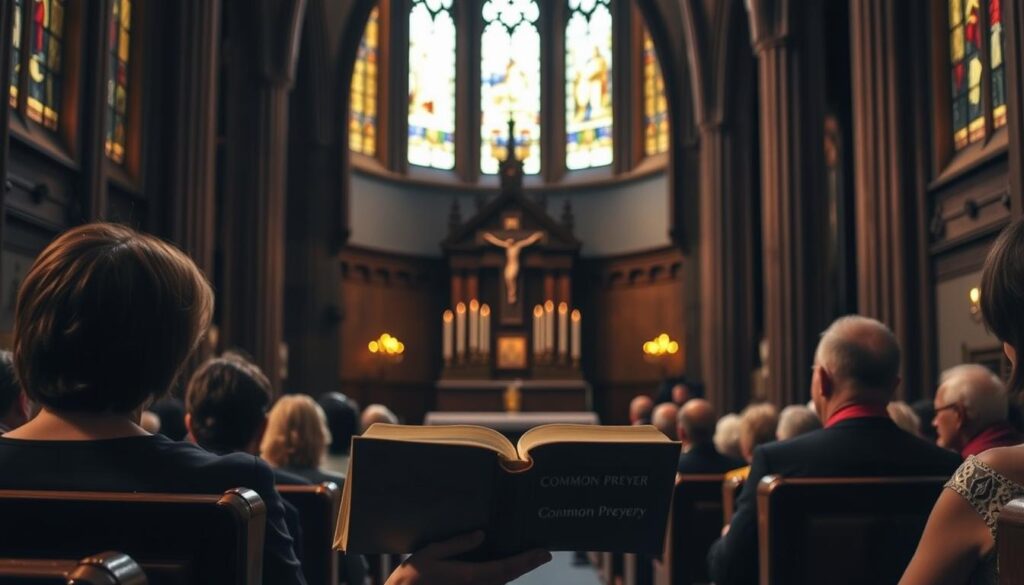
The rhythmic cadence of ancient prayers continues to shape spiritual life for millions worldwide. At the center of this practice lies the Book of Common Prayer, a liturgical masterpiece unifying believers across generations. First published in 1549, it transformed worship by replacing regional variations with standardized English-language services.
This sacred text earned its “common prayer” title by creating shared rituals for all parishes. Its structured approach balances formal recitations with moments for personal meditation. Morning and Evening Prayer services anchor daily spiritual routines, while sacramental ceremonies mark life’s milestones.
| Feature | Historical Edition (1549) | Modern Adaptations |
|---|---|---|
| Language | Early Modern English | Contemporary vernacular |
| Sacraments | Baptism & Communion focus | Expanded marriage/funeral rites |
| Cultural Sensitivity | British-centric | Local traditions integrated |
Today’s editions preserve the original’s theological core while embracing cultural diversity. Nigerian congregations blend traditional hymns with drum rhythms, while Hawaiian parishes incorporate native blessings. This flexibility keeps the common prayer experience fresh yet familiar.
Liturgical worship thrives through poetic language and communal participation. The prayer book’s carefully crafted phrases invite reflection, transforming routine services into profound encounters. As one priest notes, “These words have carried faith through wars, revolutions, and social change – their power lies in their constancy.”
Over 50 global variations now exist, each maintaining the book’s essential structure. This living document proves that shared rituals can bridge continents while honoring local identities – a testament to organized worship’s enduring relevance.
Anglican Identity, Ministry, and Episcopal Governance
Leadership structures in global faith communities often mirror their theological priorities. For Anglicans, this means maintaining organizational continuity through a time-tested framework of spiritual guidance. The three-fold ministry of bishops, priests, and deacons creates a robust support system for congregations worldwide.
The Role of Bishops and Deacons
Bishops act as spiritual anchors within the Anglican Communion. They oversee dioceses, ordain clergy, and ensure alignment with core teachings. Their role connects local parishes to the historic episcopate, preserving apostolic succession through centuries of leadership transitions.
Deacons bring faith into action through community service. They bridge worship spaces and neighborhood needs, organizing food drives, visiting hospitals, and advocating for marginalized people. This ministry emphasizes Christ’s call to serve others before seeking honor.
| Role | Primary Focus | Key Responsibility |
|---|---|---|
| Bishop | Diocesan oversight | Guardian of doctrine |
| Priest | Parish leadership | Sacramental ministry |
| Deacon | Community outreach | Social justice initiatives |
This structure balances authority with accessibility. While bishops maintain doctrinal integrity, priests personalize spiritual care through weekly services and pastoral counseling. Together, they create a safety net for believers navigating modern challenges.
The historic episcopate remains central to Anglican identity. It links today’s worshippers to early Christian communities while allowing cultural adaptation. As one archbishop noted, “Our roots keep us grounded; our branches reach new horizons.”
The Role of Sacraments in Anglican Worship
Sacred rituals shape spiritual life through tangible connections to divine grace. The two sacraments of Baptism and Holy Communion anchor Christian practice, recognized as essential in the Chicago-Lambeth Quadrilateral. These ceremonies act as visible markers of spiritual transformation, uniting participants across generations.
Baptism and Holy Communion Explained
Baptism welcomes individuals into the faith community, symbolizing rebirth through water and spirit. Many congregations practice infant initiation while celebrating adult conversions. The ritual echoes Christ’s teaching about being “born anew,” marking a lifelong commitment to spiritual growth.
Holy Communion forms the centerpiece of weekly worship. Known as the Eucharist, this meal commemorates Jesus’ final supper through shared bread and wine. Participants receive these elements as spiritual nourishment, experiencing Christ’s presence in what many describe as “soul-deep renewal.”
Understanding the Spiritual Significance
These sacraments serve as channels for God’s grace rather than mere symbols. Baptism washes away sin’s stain, while Communion strengthens believers through ongoing forgiveness. Both rituals reflect core teachings about salvation – God’s gift of reconciliation offered freely to all.
Through these sacred acts, ordinary materials become extraordinary means of connection. Bread and water transform into reminders of divine love’s enduring power, sustaining faith journeys from cradle to grave.
FAQ
How does the Anglican Church view the Holy Trinity?
Anglicans affirm the Nicene and Apostles’ Creeds, which describe one God in three persons: Father, Son (Jesus Christ), and Holy Spirit. This Trinitarian belief shapes worship and theology.
What role does the Book of Common Prayer play in worship?
First published in the 16th century, this book guides liturgy, prayers, and sacraments like Baptism and Holy Communion. It unites global Anglicans through shared language and practice.
Are sacraments necessary for salvation in Anglican belief?
The Articles of Religion state that only faith in Christ is essential. However, sacraments like Baptism and Holy Communion are “means of grace” that strengthen spiritual growth.
How does the Anglican Communion approach church authority?
Authority comes from Scripture, tradition, and reason. Bishops uphold the historic episcopate, but local provinces maintain autonomy while sharing core doctrines.
Do Anglicans recognize the Roman Catholic sacraments?
Yes, Anglican theology acknowledges sacraments from other apostolic churches. However, interpretations of practices like confession or marriage may differ.
Why is the Chicago-Lambeth Quadrilateral important?
Adopted in the late 19th century, this framework outlines essentials for Christian unity: Scripture, creeds, sacraments, and a historic episcopate. It remains a foundation for ecumenical dialogue.
How does Anglican worship reflect early church traditions?
Liturgies in the Book of Common Prayer draw from ancient patterns, blending Scripture readings, creeds, and sacraments. The church year also follows cycles like Advent and Lent.
What distinguishes Anglican views on ministry?
Clergy—including bishops, priests, and deacons—serve as spiritual leaders. The historic episcopate ensures continuity with the early church, though lay participation is highly valued.