Exploring moral questions about life and human dignity often leads to complex conversations. The Catholic Church approaches these discussions by blending faith with philosophical reasoning. At its core lies a simple yet profound question: When does human life begin?
Medical science plays a role in this dialogue. Leading embryology texts confirm that fertilization creates a genetically unique human organism. This biological reality forms part of the Church’s moral framework. Teachings emphasize that every person holds inherent value, regardless of developmental stage or physical dependence.
While debates continue worldwide, Catholic ethics maintain consistent principles. The Church’s position stems from natural law theory – the idea that moral truths exist within human nature itself. This perspective integrates religious beliefs with observable realities about human development.
Key Takeaways
- The Church views life as beginning at conception through scientific and theological lenses
- Moral teachings combine faith traditions with natural law philosophy
- Human dignity remains central to ethical considerations
- Medical definitions influence religious interpretations of personhood
- Contemporary discussions balance ancient wisdom with modern challenges
Historical and Theological Foundations
Ancient texts reveal how early Christians grappled with questions of life’s origins. The Didache, a first-century manual for believers, bluntly instructed: “You shall not kill the embryo by abortion”. By 314 AD, the Council of Ancyra enforced strict penalties for ending pregnancies, showing the church’s longstanding ethical stance.
Early Church Teachings on Life and Ensoulment
Church leaders like Tertullian argued against harming life at any stage: “What is to become a person already exists as one”. St. Basil later removed any ambiguity, declaring abortion equivalent to murder regardless of fetal development. These voices shaped a moral framework protecting the unborn through centuries.
Evolution of Church Teaching Through the Centuries
While medieval thinkers debated when souls entered bodies, the church hierarchy never wavered on abortion’s immorality. The Catechism today echoes fourth-century councils, proving two millennia of consistent church teaching. Even philosophical debates about ensoulment never justified ending pregnancies early.
The Intersection of Science, Conscience, and Religious Belief
Modern breakthroughs in biology have reshaped age-old ethical debates. Researchers now track human development with unprecedented clarity, revealing how unique genetic identity emerges at conception. This scientific reality intersects with spiritual values, creating a dynamic space for reflection.
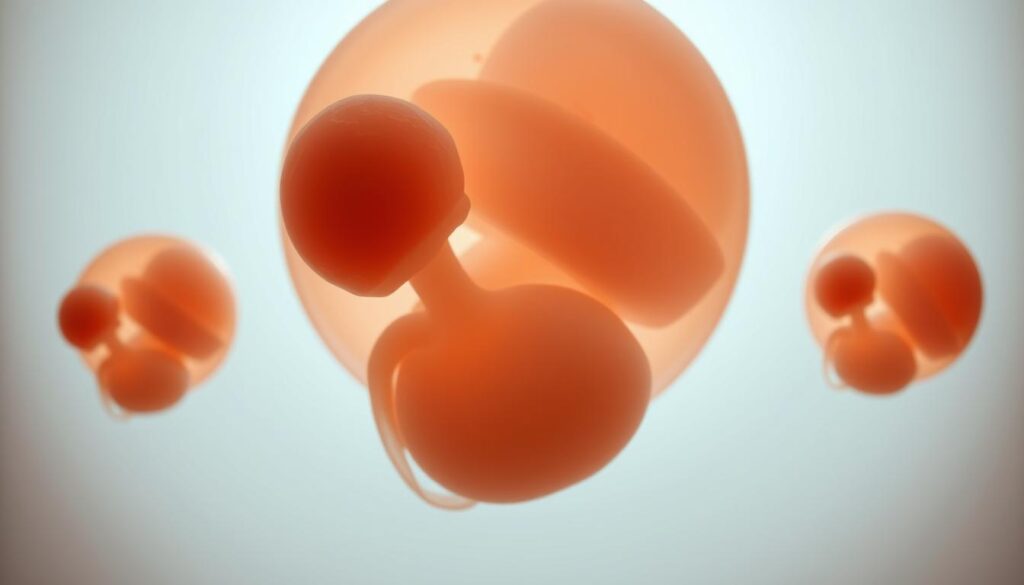
Scientific Insights on Human Development and the Embryo
Genetics confirms what microscopes show: a fertilized egg contains 46 distinct chromosomes – the biological signature of human life. Within days, embryonic cells organize into complex systems. By week five, neural activity begins. These milestones reinforce the Church’s view that personhood starts early.
Developmental biology also explains why no two embryos are alike. Even identical twins have epigenetic differences. Such discoveries challenge casual assumptions about early-stage pregnancies.
The Role of Individual Conscience in Moral Decision-Making
While science informs beliefs, choices often involve personal judgment. The Catechism teaches that “conscience is a law of the mind” – but not infallible. Like a muscle, it requires training through:
- Study of moral principles
- Reflection on actions
- Guidance from community wisdom
This approach differs from “follow your heart” individualism. Properly formed conscience considers both objective truths and specific situations. As St. John Henry Newman noted, it’s “the aboriginal Vicar of Christ” – a guide needing education, not replacement.
Expert Roundup: Embracing catholicism on abortion in Modern Debates
Catholic intellectuals today navigate complex terrain when addressing life’s beginnings. While core teachings remain steadfast, scholars explore new ways to engage with evolving ethical questions.
Diverse Interpretations Among Catholic Scholars
Some groups propose that supporting legal abortion aligns with Catholic values through personal conscience. “Moral decisions ultimately rest with individuals,” argues one organization’s statement. However, most theologians emphasize that conscience must align with objective moral truths.
Philosophers like Dombrowski suggest consciousness defines personhood. Critics counter that this reasoning risks devaluing vulnerable populations. As one ethicist notes: “Newborns don’t debate philosophy either.”
Balancing Faith with Contemporary Moral and Legal Challenges
Modern debates often center on three key questions:
- How science impacts definitions of human life
- Whether religious ethics influence secular laws
- How to address difficult pregnancy scenarios
Church documents like Evangelium Vitae reaffirm the right to life while encouraging compassionate support for struggling mothers. Scholars stress that Catholic teachings aim to protect both people and principles in complex situations.
This ongoing dialogue shows how ancient wisdom adapts to new challenges without abandoning core truths. Through respectful debate, Catholic thought continues shaping global conversations about human dignity.
Societal and Legal Implications in the United States
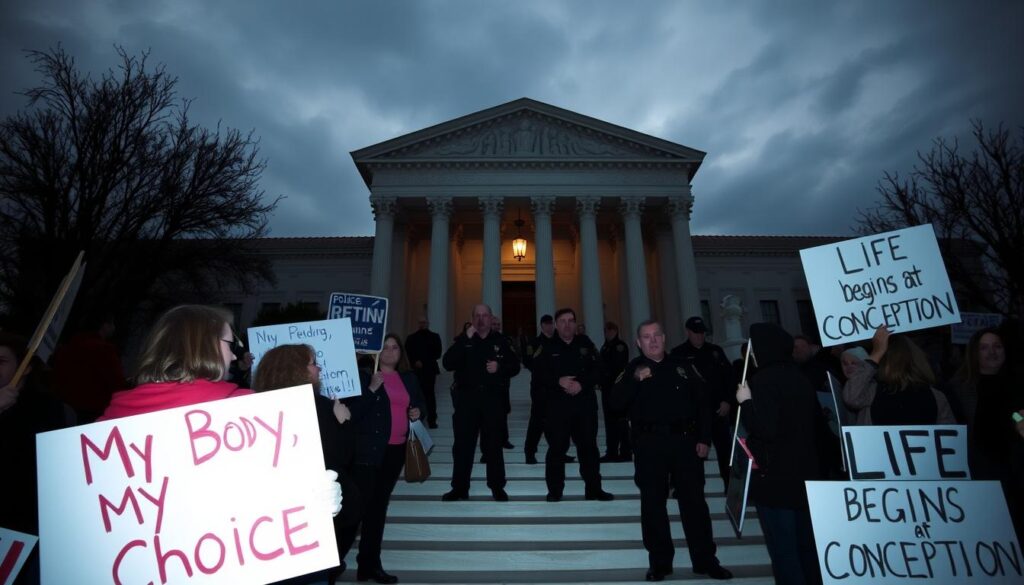
The relationship between religious values and civil laws remains a defining conversation in American society. Catholic teachings on human dignity often spark debates about how faith intersects with public policy. Former presidential candidate John Kerry once stated he wouldn’t impose Church views on voters. Yet Catholic leaders argue that protecting life aligns with universal ethics, not just religious doctrine.
Impact of Religious Teachings on Public Policy
Legal battles often center on whether faith-based arguments belong in lawmaking. The Supreme Court’s 1879 Reynolds decision limited religious practices harming others, while 1944’s Prince case upheld child welfare laws. These rulings shape how courts evaluate:
- Laws restricting access to certain medical procedures
- Mandates requiring government funding alternatives
- Regulations balancing individual rights with communal values
Political Discourse and Legal Perspectives on Abortion
Harvard’s Laurence Tribe notes religious groups have always participated in policy debates. As he explains: “Theological beliefs don’t invalidate laws if secular reasoning supports them.” This principle guides Catholic organizations advocating for life protections through:
- Education campaigns about fetal development
- Support services for pregnant women
- Legal challenges to expand right to life arguments
Current laws recognize birth as the start of legal personhood, creating tension with religious views on earlier life beginnings. Voters and lawmakers continue wrestling with how people of faith engage in pluralistic democracy while honoring their convictions.
Conclusion
Building bridges in difficult conversations requires both conviction and compassion. Catholic teachings blend moral clarity with care for those facing tough choices. This approach values dialogue rooted in respect for life and individual circumstances.
Scientific evidence shows unborn children are distinct human beings. Yet discussions need gentleness, especially with those affected by abortion. Church communities offer post-abortion healing programs and reconciliation, helping people rebuild through “radical hospitality”.
Supporting women means addressing both emotional needs and practical help. Crisis pregnancy centers and parish programs provide essentials while upholding the dignity of both parent and child. These efforts reflect a commitment to life-affirming solutions.
When differences arise, focus on common ground. Many agree society should protect vulnerable lives. Focusing on shared values can turn debates into constructive conversations about supporting families.
At its core, Catholic ethics champion every person’s worth. This belief drives efforts to create a world where difficult choices don’t require sacrificing fundamental rights. Through hope and solidarity, communities can address complex issues while honoring human dignity.
FAQ
What is the Catholic Church’s official position on abortion?
The Church teaches that life begins at conception and opposes abortion as a violation of the unborn child’s right to life. This stance is rooted in moral teachings, scripture, and natural law, emphasizing the sacredness of all human life.
How does individual conscience play a role in Catholic teachings about abortion?
While the Church strongly condemns abortion, it acknowledges that individuals must follow their conscience in moral decisions. However, it urges believers to form their conscience through prayer, reflection, and alignment with Church doctrine to avoid harmful actions.
Has the Church’s view on abortion changed over time?
Core teachings about the sanctity of life have remained consistent, but discussions around medical exceptions or complex pregnancies have evolved. Modern debates often address how to apply timeless principles to new scientific or ethical challenges.
How do Catholic teachings influence laws about abortion in the U.S.?
Many Catholic leaders advocate for policies that restrict abortion access, citing moral responsibility. However, legal debates often balance religious beliefs with constitutional rights, leading to varied political and social responses across states.
What does the Church say about abortions in cases of health risks or rape?
The Church opposes abortion even in difficult circumstances but emphasizes support for mothers through counseling, healthcare, and community aid. It encourages alternatives like adoption while prioritizing compassion for those facing trauma.
How do Catholic scholars address disagreements about abortion within the faith?
While most scholars uphold official teachings, some explore nuanced perspectives on topics like early pregnancy or maternal health. Open dialogue aims to reconcile tradition with modern realities while respecting human dignity.
Why does the Church prioritize the embryo’s rights over the mother’s choice?
The Church views the embryo as a person with inherent value from conception. This belief leads to prioritizing protection for both mother and child, rejecting actions that intentionally end a life, even in challenging situations.
Can Catholics support legal abortion while personally opposing it?
Church leaders discourage endorsing laws permitting abortion, arguing it contradicts moral duty. However, some Catholics advocate for reducing abortions through social support rather than bans, reflecting diverse approaches to pro-life advocacy.