With over 77 million followers worldwide, this Protestant denomination traces its roots to 16th-century reforms led by Martin Luther. A monk-turned-reformer, Luther challenged certain church practices while emphasizing a return to biblical teachings. His ideas sparked a movement that reshaped Christianity’s landscape.
At its heart, this tradition focuses on three pillars: Scripture as the ultimate guide, salvation through faith, and God’s unearned favor. Unlike some Christian groups, Lutherans teach that divine grace – not human effort – determines one’s spiritual standing. This understanding shapes how believers approach worship and daily life.
You’ll notice unique perspectives on sacraments like baptism and communion. While honoring the Trinity and Christ’s divinity, Lutheran theology interprets these rituals through the lens of God’s promises. Good works matter, but they’re seen as responses to grace rather than requirements for salvation.
Key Takeaways
- Originated from Martin Luther’s 16th-century reforms
- Prioritizes Scripture over human traditions
- Teaches salvation through faith in Christ alone
- Emphasizes God’s grace as unmerited gift
- Maintains traditional Christian views of the Trinity
- Interprets sacraments as visible expressions of faith
Historical Roots of Lutheranism
October 31, 1517, marks a pivotal moment when theological debate reshaped Europe’s spiritual landscape. A German monk’s bold critique of religious practices ignited changes that still influence Christian denominations today.
Martin Luther and the 95 Theses
Martin Luther, a former Roman Catholic friar, grew troubled by the sale of indulgences – payments claimed to reduce punishment for sins. His 95 arguments, nailed to Wittenberg’s Castle Church door, questioned the Catholic Church’s authority. Luther aimed to spark dialogue, not create division.
The Reformation Movement and Early Confessions
By 1529, German leaders at the Diet of Speyer protested restrictions on reform efforts – birthing the term “Protestant.” Luther collaborated with scholars and rulers to draft foundational texts like the Augsburg Confession. These documents clarified differences with Rome while preserving core Christian teachings.
| Event | Date | Impact |
|---|---|---|
| 95 Theses Posted | 1517 | Challenged church authority |
| Diet of Speyer | 1529 | Formalized Protestant identity |
| Augsburg Confession | 1530 | Defined theological positions |
This period saw ordinary people gain access to Scripture in their native language. Local leaders helped spread Reformation ideas, proving faith discussions could transform societies over time.
Lutheranism Core Beliefs
At the heart of these teachings lies a revolutionary view of divine mercy. This approach transforms how people understand their standing before God, focusing on what’s given rather than what’s earned.
Justification by Grace Through Faith
Imagine being declared innocent in court without presenting evidence. That’s how justification works here – God views believers as righteous through their trust in Jesus Christ. This legal act happens instantly, not gradually.
Human efforts play no role. As one reformer noted, “We contribute nothing but our need.” The Holy Spirit creates this faith, making it a gift rather than a personal achievement.
Salvation as a Divine Gift
Many faith traditions compare salvation to climbing a ladder. Here, it’s more like catching a life preserver. Grace does all the heavy lifting, with people simply receiving what’s offered.
This brings deep comfort. Followers find peace knowing their spiritual security rests on Christ’s perfection, not their fluctuating devotion. Even during struggles, their status remains unchanged.
Unlike systems requiring constant self-improvement, this view celebrates God’s completed work. Good deeds flow naturally from gratitude rather than obligation – like children sharing toys because they feel loved, not to earn approval.
Foundations of Lutheran Theology
Like three pillars holding up a grand cathedral, Lutheran theology stands firm on principles that transformed Christian thought. These ideas answer life’s biggest questions: Where do we find truth? How do we connect with God? Let’s explore the framework shaping this tradition.

The Three Solas: Sola Scriptura, Sola Fide, Sola Gratia
Sola Scriptura places the Bible above human traditions. Luther called Scripture “the cradle where Christ lies” – the ultimate authority revealing God’s plan. Every teaching gets tested against this living word.
Sola Fide centers on trust, not checklists. Imagine friendship built on loyalty rather than favors – that’s faith alone in action. It’s embracing Christ’s work as complete, not scrambling to earn approval.
Sola Gratia flips achievement culture upside down. God’s grace arrives like surprise birthday gifts – unearned and undeserved. As one hymn puts it: “Nothing in my hand I bring, simply to Thy cross I cling.”
Sacraments as Means of Grace
Water, bread, and wine become divine delivery systems. Through baptism and communion, sacraments become means grace – tangible ways God keeps promises. It’s like getting love letters you can touch and taste.
These practices aren’t magic tricks. They combine physical elements with Christ’s word, creating moments where heaven meets earth. The focus stays on receiving rather than achieving – a perfect echo of God’s grace.
Lutheran Worship and Sacramental Practices
Sunday mornings in these congregations feel like opening a treasure chest – ordinary elements reveal extraordinary gifts. Physical objects become channels for divine connection, blending ancient traditions with personal faith experiences.
Baptism: Entry into the Faith
Water splashes mark spiritual rebirth rather than simple rituals. Lutherans view Baptism as God’s initiation ceremony – His promise working through H2O. Even infants receive this gift, trusting that faith grows like seeds in fertile soil.
This practice echoes Luther’s analogy: “A baby eats before understanding nutrition.” The sacrament’s power comes from Christ’s command, not human readiness. Through water and Word, forgiveness washes over believers of all ages.
The Lord’s Supper: Celebrating the Real Presence
Communion tables become encounter zones where bread and wine host mysteries. Unlike symbolic memorials or magical transformations, Lutherans teach Christ’s presence coexists with earthly elements. “In, with, and under” describes this sacred partnership.
Churches often practice closed communion, not to exclude but to protect. As one pastor explains: “We guard the meal like family recipes – not secret, but special.” Participants unite through shared understanding of the Lord’s Supper’s depth.
These practices anchor worship in tangible grace. Whether feeling water’s drip or tasting bread and wine, worshippers touch promises older than cathedrals yet fresh as morning dew.
The Significance of Sola Scriptura
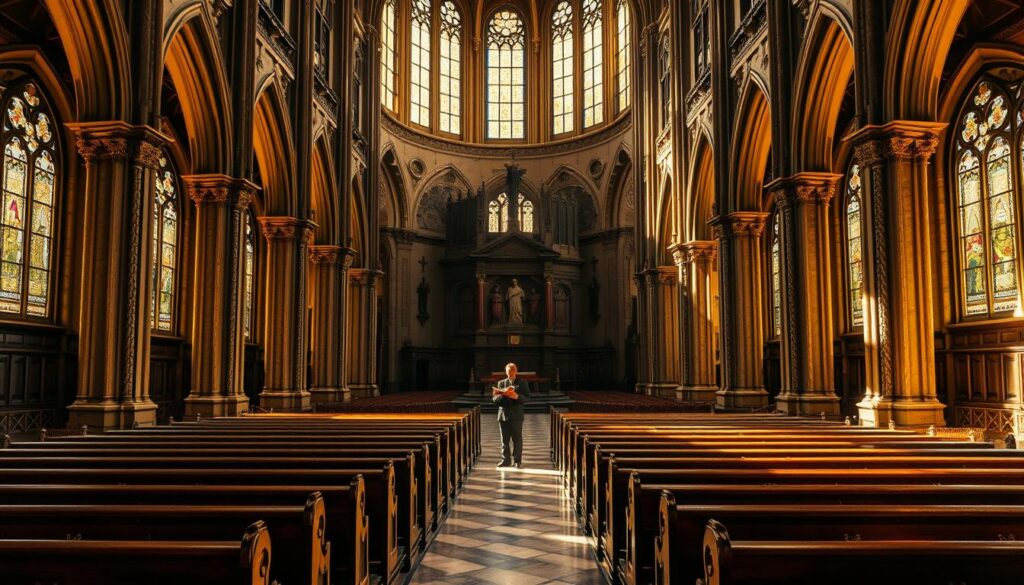
Imagine building a house where every wall aligns with an architect’s blueprint. That’s how Sola Scriptura shapes this tradition – treating the Bible as the authority guiding every spiritual decision. Unlike systems relying on human wisdom, this principle makes God’s word the final judge for doctrines and daily living.
Bible as the Ultimate Authority
Scripture acts like a compass in stormy seas. Lutherans see it containing everything needed for salvation and Christian growth. As one reformer declared: “The Bible is the cradle where Christ is laid.” This view empowers believers to engage directly with divine truth.
Church traditions hold value only when they mirror biblical teachings. Think of it like sorting family heirlooms – keeping what reflects your heritage, discarding what doesn’t fit. The Augsburg Confession (1530) formalized this approach, testing every practice against Scripture’s light.
Ordinary people don’t need special training to grasp essential truths. The Bible’s clarity works like street signs – guiding all who seek direction. This understanding fuels confidence in personal Bible study while preventing power imbalances in church leadership.
Through Sola Scriptura, worship stays anchored in God’s promises rather than shifting cultural trends. Hymns echo biblical themes, sermons unpack Scripture’s layers, and prayers mirror its language. It’s a living dialogue between ancient text and modern faith.
Church Organization and Governance in Lutheranism
Picture a dance between independence and teamwork – that’s how Lutheran churches manage their affairs. This tradition values both local decision-making and shared commitments, creating a flexible structure that adapts to community needs while preserving unity.
Synods and Local Autonomy
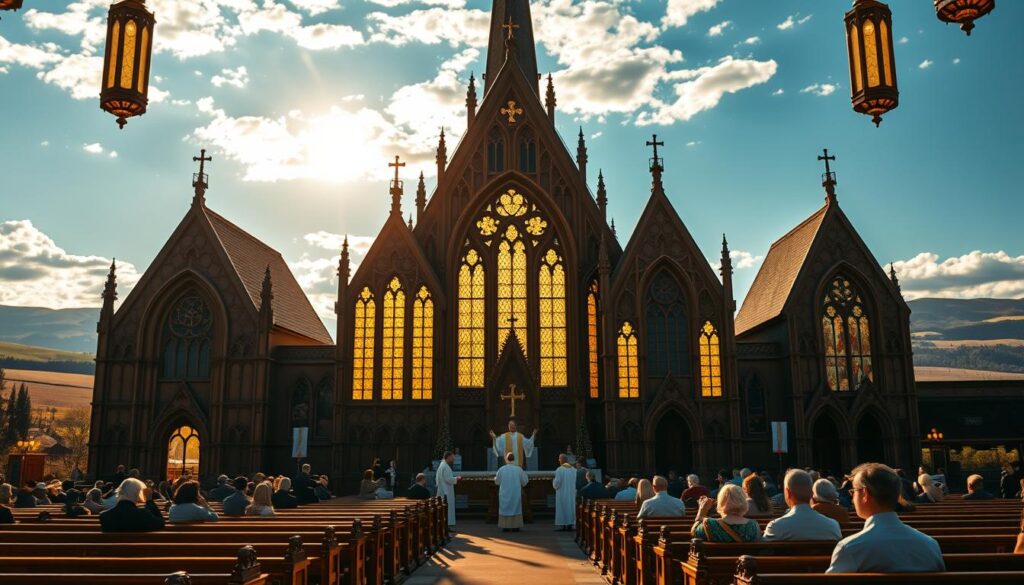
Each Lutheran congregation operates like a self-governing family, choosing its own pastors and managing budgets. But these families belong to larger networks called synods. Think of synods as neighborhood associations – they coordinate resources without controlling local choices.
North America’s three main Lutheran churches demonstrate this balance:
| Church Body | Congregations | Distinctive Focus |
|---|---|---|
| Evangelical Lutheran Church in America (ELCA) | 8,900 | Social justice & ecumenical partnerships |
| Lutheran Church—Missouri Synod (LCMS) | 6,000 | Traditional doctrine & education |
| Wisconsin Evangelical Lutheran Synod (WELS) | 1,200 | Conservative interpretation of Scripture |
Synods hold conventions where people from member churches vote on shared policies. These gatherings help maintain consistent teachings across denominations while funding mission projects no single church could handle alone.
Confessional Documents and Ecclesiastical Structure
The Augsburg Confession (1530) still guides modern Lutheran churches, acting like a recipe book for doctrine. Local churches use democratic systems – Voters’ Assemblies let members approve budgets, while Boards of Elders oversee spiritual matters.
This structure ensures both clergy and laypeople share responsibility. As one council member notes: “Our work succeeds when everyone’s voice matters.” Through this blend of tradition and participation, congregations stay rooted yet responsive to their communities.
Distinctions Between Lutheran and Catholic Beliefs
While sharing roots in early Christianity, these two traditions took divergent paths after the 16th century. Their differences reveal how faith communities interpret ancient texts and organize spiritual life.
Scripture Versus Tradition
Lutherans prioritize the Bible as the ultimate guide. Martin Luther championed “Scripture alone”, rejecting extra-biblical traditions. The Roman Catholic Church maintains that both Scripture and sacred tradition hold equal authority.
Catholics look to the Magisterium – church leaders – for interpretation. Lutherans encourage personal engagement with biblical texts. This contrast shapes everything from worship styles to ethical decisions.
Clergy Roles and Church Authority
The Catholic Church operates through a strict hierarchy with the Pope at its head. Lutheran congregations often choose local leaders while staying independent. Martin Luther argued all believers share spiritual responsibility.
Sacraments showcase another divide. Catholics view them as channels requiring priestly mediation. Lutherans see sacraments as God’s direct promises – no human authority needed beyond Christ’s words.
These differences extend to salvation views. While both value good works, Lutherans see them as gratitude responses rather than requirements. This distinction continues to shape modern Christian practice.
FAQ
What does "justification by grace through faith" mean in Lutheran theology?
It emphasizes that salvation comes solely through God’s grace, received by faith in Jesus Christ—not by human effort or good works. This belief underscores trust in divine mercy over personal merit.
How do Lutheran sacraments differ from other Christian traditions?
Lutherans recognize two sacraments—Baptism and the Lord’s Supper—viewed as tangible gifts where God’s grace is actively present. Unlike some traditions, they emphasize Christ’s “real presence” in communion, though not through transubstantiation.
Why is Sola Scriptura important to Lutheran identity?
The Bible is considered the ultimate authority for teaching and practice, surpassing church traditions or human interpretations. This principle shapes worship, doctrine, and daily life for believers.
How does Lutheran teaching contrast with Catholic views on salvation?
While both affirm Christ’s role, Lutherans reject earning salvation through works. They stress faith alone, whereas Catholicism integrates faith with sacraments and deeds as part of justification.
What role do synods play in Lutheran church governance?
Synods are regional or national bodies that support congregations while respecting local autonomy. They provide guidance, resources, and foster unity without centralized control.
How did Martin Luther’s 95 Theses shape Lutheran history?
Published in 1517, Luther’s critiques of Catholic practices sparked the Reformation. His emphasis on Scripture, faith, and grace laid the groundwork for Lutheran theology and church practices.
Do Lutherans believe in predestination?
Lutherans teach that God predestines believers to salvation through grace, but reject the idea of predestination to damnation. Human free will cooperates with God’s call through the Gospel.
Why is the Lord’s Supper central to Lutheran worship?
It celebrates Christ’s real presence—body and blood—”in, with, and under” bread and wine. This sacrament strengthens faith and unites believers with Jesus’ sacrifice and forgiveness.