Many people of faith have wondered about teachings that seem to challenge the idea of divine forgiveness. One question that often arises centers on a passage from the Gospels where Jesus mentions a spiritual offense that cannot be pardoned. This concept, rooted in scripture, has sparked curiosity and concern for centuries.
The Gospel of Matthew (12:31-32) states clearly: “Every kind of sin and slander can be forgiven… but blasphemy against the Spirit will not be forgiven.” These words highlight a critical truth—while divine mercy is limitless, human hearts must remain open to receiving it. The Holy Spirit represents God’s active presence in our lives, guiding us toward repentance and renewal.
This teaching isn’t meant to frighten believers. Instead, it emphasizes the importance of spiritual awareness. Traditional interpretations identify six attitudes that risk distancing individuals from grace, including stubborn refusal to change or envy of others’ blessings. Recognizing these patterns helps strengthen one’s relationship with the divine.
Key Takeaways
- The idea of an unforgivable offense originates directly from Jesus’ words in the Gospels
- Blasphemy against the Holy Spirit refers to rejecting divine guidance persistently
- Six spiritual attitudes are traditionally linked to this concept, including refusal to repent
- Understanding these teachings promotes spiritual growth rather than fear
- Divine mercy remains available to those open to transformation
Introduction to Unforgivable Sins in the Catholic Faith
When exploring teachings about wrongdoing, one idea often stands out: some actions seem to block reconciliation. This concept isn’t about divine limitations but human choices. At its core, it reflects how persistent rejection of transformation can create barriers.
Defining the Unforgivable Sin
The term often misunderstood refers to a hardened heart that refuses healing. Scripture clarifies this through Paul’s words:
“God’s love has been poured into our hearts through the Holy Spirit”
(Romans 5:5). This divine presence gently nudges us toward growth—ignoring it risks spiritual stagnation.
The Importance of Understanding Sin and Forgiveness
Recognizing harmful patterns helps believers embrace renewal. The Holy Spirit acts as a compass, offering grace to those open to change. Consider these contrasts:
| Attitude | Spiritual Outcome |
|---|---|
| Refusal to repent | Distance from healing |
| Accepting guidance | Path to restoration |
| Envy of blessings | Blindness to joy |
Fear has no place here. Divine mercy flows endlessly—what matters is our willingness to receive it. By understanding these principles, we grow closer to living with purpose and peace.
Historical and Scriptural Background
The roots of spiritual teachings often intertwine with sacred texts and historical debates. Let’s explore how ancient writings shaped our understanding of divine mercy.
Scriptural Passages in the Synoptic Gospels
Three Gospel accounts preserve Jesus’ word about actions blocking reconciliation. Matthew 12:31-32 warns about offenses that won’t be pardoned “in this world or the next.” Mark 3:28-29 uses stronger language, calling it an “everlasting sin.”
Luke’s version (12:10) shifts focus. Here, the teaching appears during discussions about persecution. This shows how context influences interpretation—the same principle applies whether addressing skeptics or supporters.
| Gospel | Key Phrase | Context |
|---|---|---|
| Matthew | “World to come” | Response to critics |
| Mark | “Everlasting sin” | Spiritual warfare |
| Luke | “Speaks against” | Persecution warnings |
Early Church Interpretations and Controversies
Third-century debates erupted when Novatianists claimed some wrongs were beyond forgiveness. They cited these verses to justify rigid rules. But leaders like St. Ambrose pushed back:
“God’s mercy outshines human stubbornness.”
Church Fathers clarified that “spirit forgiven” depends on openness, not divine limits. This truth remains vital today—transformation starts when we embrace guidance rather than resist it.
Exploring “catholicism unforgivable sins” in Context
What happens when people witness divine power yet choose to call it evil? This question lies at the heart of understanding one of scripture’s most sobering teachings.
The Unique Nature of the Blasphemy Against the Holy Spirit
Jesus addressed this concept after religious leaders saw Him heal a demon-oppressed man. Instead of celebrating, they claimed He used demonic power. This wasn’t a mistake—it was a willful distortion of truth.
The Pharisees acted from malice, not confusion. They knew the miracle reflected God’s work but spread lies to discredit Jesus. Their goal? To block others from faith. This deliberate rejection of the Holy Spirit’s activity reveals why this sin stands apart.
Three factors made their actions uniquely grave:
- Clear evidence of divine intervention
- Rejection rooted in jealousy, not ignorance
- Active efforts to mislead others
Unlike those who doubted honestly, the Pharisees had reason to believe. Yet they chose to resist grace. This hardened stance—closing one’s heart to transformation—is what makes this sin against the Holy Spirit so serious.
Jesus’ warning reminds us: divine love never forces itself. When we persistently reject light, we risk losing our capacity to recognize it. But hope remains for all who stay open to truth.
Breakdown of the Six Specific Unforgivable Sins
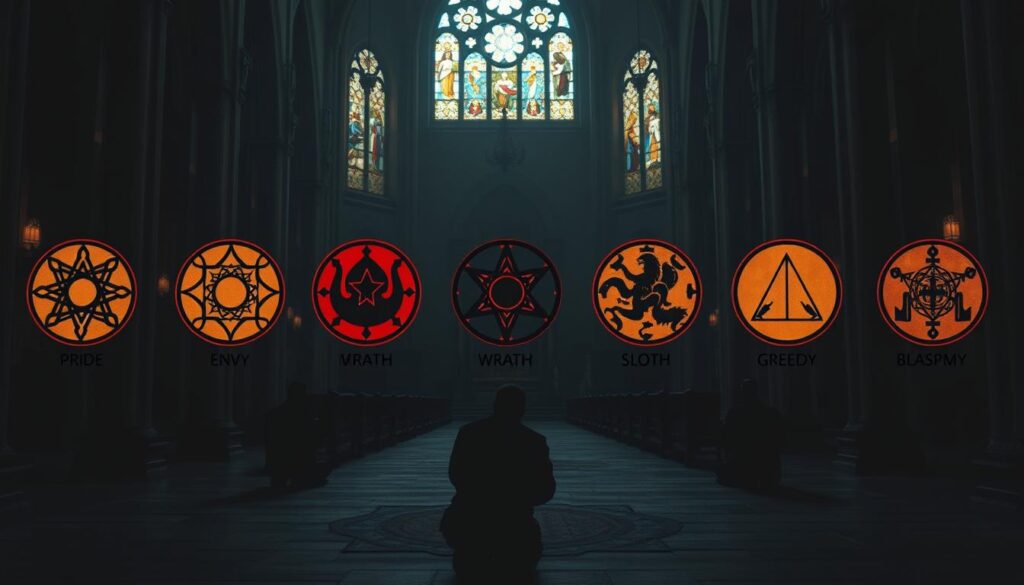
Spiritual growth requires understanding both light and shadow in our journey. Six attitudes traditionally oppose the Holy Spirit‘s work, creating distance from grace. These patterns reflect choices rather than divine punishment.
Despair and Its Implications
Despair goes beyond temporary sadness. It’s a willful decision to believe transformation is impossible—a rejection of divine power. This mindset says, “No one can save me,” shutting doors to hope.
Presumption and Impenitence
Presumption tricks people into thinking they don’t need guidance. Some assume God overlooks harmful actions if they’re “good enough.” Others delay change, expecting endless second chances without effort.
Impenitence keeps hearts locked in stubbornness. Imagine refusing to apologize after hurting someone—but on a spiritual level. Without remorse, healing stalls.
Obstinacy, Resisting Truth, and Envy of Another’s Spiritual Welfare
Obstinacy means ignoring clear signs to grow. Like rejecting a lifeboat during a storm, it’s clinging to harmful patterns despite knowing better.
Resisting truth often starts small—dismissing wisdom in scripture or others’ experiences. Over time, it hardens into rejecting divine love itself.
Envy of another’s spiritual welfare poisons joy. Instead of celebrating others’ growth, this attitude whispers, “Why not me?” It breeds division rather than unity.
The Role of the Holy Spirit in Forgiveness
Divine forgiveness flows through a partnership between grace and human openness. At Pentecost, the Holy Spirit arrived as a lifelong companion, equipping believers with wisdom and courage. This divine helper works quietly, like a friend whispering truth during life’s crossroads.

Understanding the Holy Spirit’s Guidance
The Spirit shapes our hearts through seven gifts—wisdom, understanding, and right judgment among them. These tools help people navigate moral gray areas. When mistakes happen, gentle nudges prompt self-reflection. A missed opportunity to show kindness might linger in your thoughts until you make amends.
Contrast Between Divine Grace and Blasphemous Rejection
God’s grace always invites renewal, but humans hold the key. Consider how different responses shape spiritual journeys:
| Divine Approach | Human Response | Outcome |
|---|---|---|
| Whispers truth | Accepts guidance | Spirit forgiven |
| Offers mercy | Rejects persistently | Stagnation |
| Gives courage | Ignores conscience | Hardened heart |
The Pharisees’ story shows rejection in action. They saw miracles but called them evil—a deliberate refusal to acknowledge the Holy Spirit’s work. Yet even then, forgiveness remained available if they’d softened their stance.
Cooperation matters most. The Spirit won’t force change but celebrates every small step toward light. Listen for that inner voice urging growth—it’s how holy spirit forgiven moments transform lives.
Theological Insights from Church Fathers
Early Christian thinkers shaped how we understand spiritual struggles through careful study of scripture. Their wisdom helps clarify why some choices distance us from growth while others invite renewal.
Perspectives from St. Thomas Aquinas and Augustine
Thomas Aquinas sorted wrongdoings into three types. Mistakes from weakness or ignorance differ from those rooted in malice—knowing something harms others but choosing it anyway. This deliberate rejection of goodness hardens hearts over time.
St. Augustine called this topic a “great question” needing deep reflection. He stressed that true separation from grace comes not from a single error but from refusing to realign with truth.
Commentaries by St. Jerome, St. Ambrose, and St. Pacianus
St. Jerome argued the unforgivable act isn’t ordinary failure. It’s seeing divine work yet calling it evil—like accusing healings of being demonic tricks. St. Ambrose highlighted how this twists spiritual discernment, blocking one’s ability to recognize light.
These teachings remind us: transformation happens when we humbly seek guidance. As St. Pacianus noted, even grave errors can heal if met with openness to change.
FAQ
What makes a sin "unforgivable" in Catholic teaching?
A sin is considered unforgivable when someone deliberately rejects God’s mercy and refuses repentance. This often involves a hardened heart that denies the truth even when aware of it. The focus is on persistent refusal to accept grace, not God’s inability to forgive.
Why is blasphemy against the Holy Spirit called the "eternal sin"?
This sin is tied to final impenitence—a willful choice to resist grace and cling to error. It’s “eternal” because forgiveness requires openness to repentance, which the sinner rejects. However, the Church emphasizes that no one is beyond hope unless they persist in this state until death.
Are despair and presumption considered sins against the Holy Spirit?
Yes. Despair rejects God’s mercy, while presumption abuses His grace. Both distort trust in divine love. St. Thomas Aquinas linked these to obstinacy in error, as they shut the door to reconciliation through doubt or arrogance.
How does resisting known truth relate to unforgivable sins?
Resisting truth—like denying faith despite recognizing its validity—shows a refusal to align with God’s will. This stubbornness, combined with refusal to repent, risks cutting oneself off from the transformative power of the Holy Spirit.
Can envy of another’s spiritual gifts be unforgivable?
Envy becomes grave when it fuels hatred for God’s work in others. For example, resenting someone’s holiness or blessings reflects a heart opposed to divine goodness. However, it’s only unforgivable if one remains unrepentant, rejecting grace to heal such malice.
What role does the Holy Spirit play in overcoming these sins?
The Holy Spirit guides hearts toward repentance and truth. Even in grave sin, God’s grace invites conversion. Blasphemy against the Spirit is unique because it rejects this very invitation, making forgiveness impossible—not by God’s limits, but by the sinner’s closed heart.
Did early Church leaders like Augustine agree on this teaching?
St. Augustine stressed that the sin lies in persistent impenitence, not a single act. St. Jerome linked it to attributing Christ’s miracles to evil forces. While interpretations varied, all agreed it involves a lifelong rejection of grace, not a momentary failure.
Can someone accidentally commit an unforgivable sin?
No. These sins require full knowledge and deliberate consent. Ordinary doubts or struggles don’t qualify. The Church teaches that God’s mercy is always available to those who seek it, even after serious falls.